We often talk about geography and the land from a human perspective. What about from an animal’s perspective?
How do they understand the land? They do not use our compasses and maps but must understand landmarks, boundaries and “sense”.
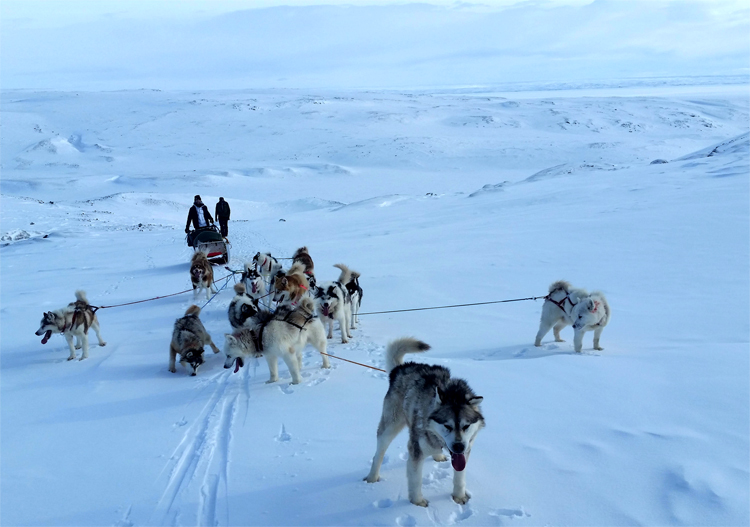
I think of the resilient service sledding dogs offer to travel in the North, such as those shown here on Andrew Maher’s recent trip.
I think of migrating caribou and how they are impacted by human interaction.
I think of the industrious beaver and how their drive to “use the land” is different from our “land-use”.
I think of the wolf — how we “re-introduce” species and we learn, serendipitously, over time how important they are to the health of the (ours and theirs) ecosystem and physical geography.
Bob’s past posts on clearcutting highlights, for me, our insensitivities; placing our needs to strip bare our land ahead of animals’ needs of land to maintain their livelihood and form basic shelter and protection.
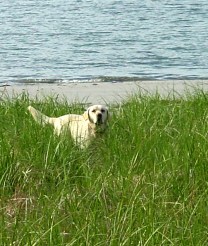
As an experiment, I decided one morning to carry a video camera at knee height (my dog’s eye view) for almost an hour as I walked an island in The La Have area of Nova Scotia (this was no easy task). Upon review, I was intrigued to experience the world’s perspectives, vistas, obstacles, nooks and crannies as my dog saw them.
And, what would maps look like if crafted from an animal’s
point of view?

 Ernest Blair Experiment