Posted in Uncategorized

Canada Day plus One

Yesterday we celebrated Canada Day with a trip up the Valley to Wolfville and Canning.

We parked behind the Main Street. Heather noticed another small blue car. It was Sandy, her sister, dropping off some clothes.

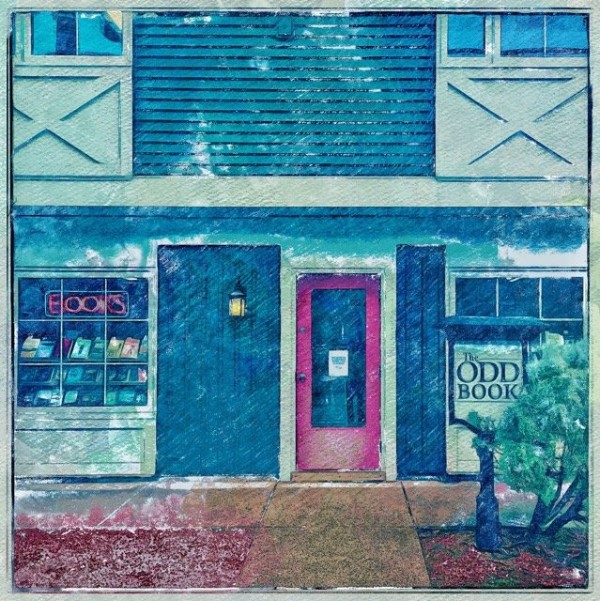
In the bookstore Heather found a signed copy of Farley Mowat’s “Walking on the Land“, published by Key Porter Books.
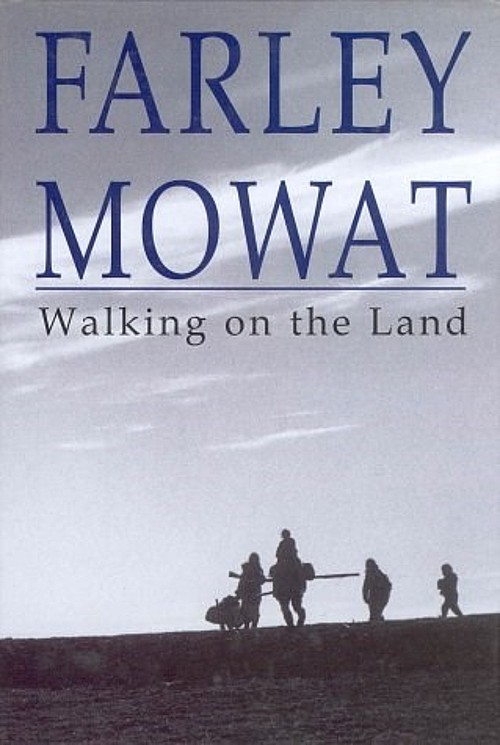
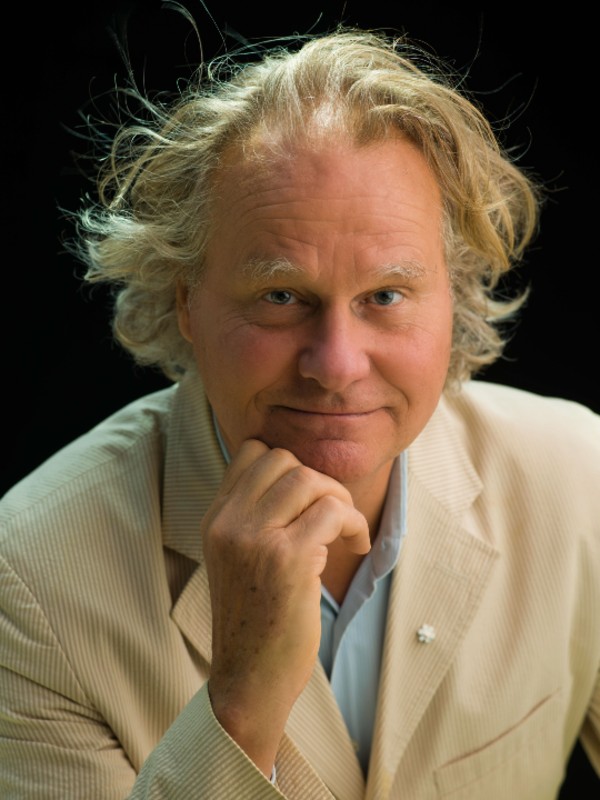
I noticed that the cover was designed by my older brother, Peter. He had a career in the publishing industry in Toronto.

It brought back memories for Heather too. She had a career working for Parks Canada. Over the years, we spent time on Haida Gwaii, BC; Churchill, Manitoba; PEI; Sable Island, NS; and in Gros Morne, Newfoundland.

After the ‘book fix’, we drove across the Acadian dykeland to Canning. We stopped at the Art Can Cafe and Gallery for coffee and cake (see also Geographers Among Us).

Ron Hayes was putting together their July exhibition.

Sandy continued on to New Minas. We headed home via the orchards of South Berwick. It was a satisfying day, full of surprise encounters, memories and landscapes. Back home in Middleton, I was able to put my feet up, and enjoy Mowat’s storytelling.

Acknowledgements

It was fortuitous, unplanned, that we were able to meet Sandy and share the Art Can Cafe in Canning. The Farley Mowat’s book took us back to walking on the land, and the richness of landscape.

References

Farley Mowat, 2000, Walking on the Land, Key Porter Books

Posted in Uncategorized

North Star

At the Inside Story bookstore I found the Special Collector’s edition of Canadian Geographic (July/August 2025). It includes an essay by Wade Davis ‘North Star. Reflections on Canada and being Canadian’

Davis quotes Zita Cobb, from Fogo Island, Newfoundland :
Canada is a mosaic because our geography denies any other possibility. Our landscape is a map of dreams, a mystic endowment essential to our identity.” p.48

This special edition celebrates Canada, ‘True North Strong and Free’. Clearly, a response to Trump’s machinations south of the border.


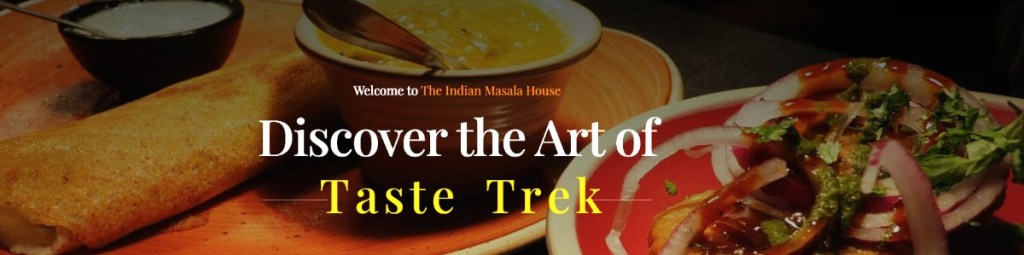
Friday, Heather, myself and Frank Fox enjoyed lunch at the Indian Masala House on Queen Street in Bridgetown. A very positive addition to eating out locally.

Saturday, over a growler of Brickyard Red, John Wightman and I discussed plans for the Ring of Fire. Again, covered in Canadian Geographic under the title: ‘Yehewin Aski, the Breathing Lands’ by Susan Nerberg. From Jeronimo Kataquapit, ‘Jeronimo hopes to create a clearer image of what’s happening to the land and animals – and in turn his people – so he can guide positive change, perhaps as a GIS specialist and land guardian’. p.75.


Sunday, we were back in Bridgetown to celebrate Fielding’s graduation from BHS (Bridgetown Regional High School).

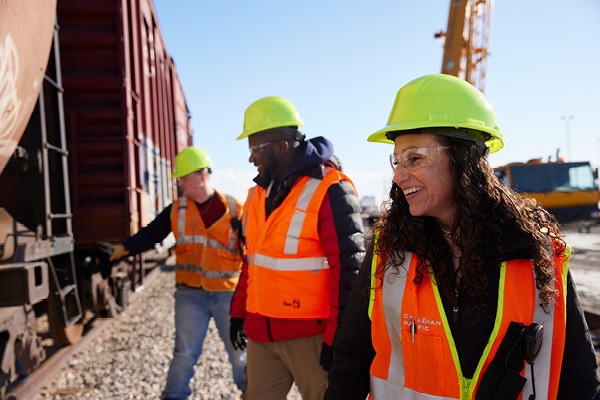
He has expressed an interest in the Railway Conductor program at SAIT in Calgary. It is a twelve week course. He may become a Geographer.


Tomorrow, the country and its people will celebrate Canada Day.

If you have the opportunity, find a copy of Canadian Geographic.

Acknowledgements

Frank Fox, John Wightman and AnJeanette LeMay (Fielding’s Mother) for expanding my horizon.

Reference

Canadian Geographic July/ August 2025, Vol 145 Number 4, This is Canada : Special Collector’s Issue, Protecting Western James and Hudson Bays, Last Fire Watcher.

Posted in Uncategorized

CARP and AI

Tuesday evening, Heather and I attended the CARP AGM at St Luke’s Hall in Annapolis Royal. We last attended their AGM in 2023.

Afterwards, I was curious about any changes in the projects undertaken by CARP staff. I asked Edward if he could search my blog for references to CARP activities.

His first search identified twenty eight posts between 2017-2023.

Subsequently, he applied Gemini AI. Below is a progress report.

“Processing Blog Post request.

I’m currently working on processing the provided URLs. My initial step iterating through each link to extract relevant content about CARP, the Clean Annapolis River Program. I’m focussing on text specifically related to the program for a concise 300 word summary.

Parsing URL’s Now.

I’m diving into the provided URL’s, using Browse to extract information. My focus remains to identify and gather relevant text. I’ll efficiently process these blog posts to compile the necessary details for a concise summary.”

I look forward to the concise summary. While I have no experience with Gemini AI. It seems to suggest an activity that may have ongoing value to CARP.

For myself, there may be a similar broad analysis of themes from my blog stream between 2017-2025.

That is likely for another day, and for a different audience.

Acknowledgements

Edward brings a number of talents to my blog process. He not only adds technical competence with online tools. He adds knowledge of remote sensing. And an artistic sensibility. I hope too his understanding of AI illustrates the role this technology may play in our educational environment.

Postscript

Gemini AI noted “something went wrong” when trying to process all links. Another attempt was made a day later and here is a 300-word-or-so summary of the Ernest Blair Experiment references to the Clean Annapolis River Project …

The following is a summary of the blog posts from “The Ernest Blair Experiment” that reference the Clean Annapolis River Project (CARP):

The Ernest Blair Experiment blog frequently highlights the activities and importance of the Clean Annapolis River Project (CARP). Several posts demonstrate CARP’s long-standing commitment to the Annapolis River watershed and its community engagement.

In a June 30, 2023 post titled “No Carping,” the authors detail attending CARP’s annual general meeting, noting its 33 years of operation, dating back to efforts for Heritage River status. The post commends CARP’s mission: “Enhancing the health of the Annapolis River watershed for current and future generations through science, leadership and community engagement.” It outlines various key projects, including Annapolis estuary monitoring, fish passage restoration, habitat enhancement, the Habitat and Biodiversity Assessment tool, Living Labs, Annapolis Valley sand barrens stewardship, wetlands restoration, recreation trail development in Middleton, natural infrastructure for stormwater management, and the Annapolis River Guardians program. The blog post also mentions CARP’s dozen staff members, volunteers, and numerous partnerships, and references “The Waterstrider Newsletter” and “The Annapolis Valley Sand Barrens: An Introductory Guide” published by CARP.

Another post, “Window on the World” (September 4, 2024), mentions a fifteen-minute stroll around the “CARP Marsh Trail,” indicating the physical presence and accessibility of CARP’s conservation efforts within the community.

Additionally, the post “Communities of Interest” (November 7, 2019) notes that CARP hosted an educational event with Solar Nova Scotia in Annapolis Royal, showcasing CARP’s role in facilitating broader environmental discussions and community education beyond its core river conservation efforts. This suggests CARP’s involvement in a wider network of environmental initiatives and its commitment to public awareness and collaboration.

The recurring mentions of CARP across various blog posts underscore its integral role in the environmental and community landscape of the Annapolis Valley, with a focus on watershed health, biodiversity, and community engagement. The posts collectively paint a picture of CARP as a vital organization, deeply involved in scientific research, practical conservation projects, and educational outreach to foster a sustainable future for the region.

References

Here is a list of blog posts where there is some reference to CARP.
https://ernestblairexperiment.com/2023/06/30/no-carping/
https://ernestblairexperiment.com/2019/05/13/carpe-diem/
https://ernestblairexperiment.com/2025/04/04/just-like-old-times/
https://ernestblairexperiment.com/2024/12/26/boxing-day/
https://ernestblairexperiment.com/2024/10/03/middleton-walks-1/
https://ernestblairexperiment.com/2024/09/04/window-on-the-world/
https://ernestblairexperiment.com/2024/08/24/agalinis-neoscotica/
https://ernestblairexperiment.com/2024/07/03/changing-demographics/
https://ernestblairexperiment.com/2023/12/05/a-sense-of-agency/
https://ernestblairexperiment.com/2023/11/24/community-health/
https://ernestblairexperiment.com/2023/03/31/saving-our-estuary/
https://ernestblairexperiment.com/2022/05/13/a-room-of-ones-own/
https://ernestblairexperiment.com/2021/07/22/two-conversations/
https://ernestblairexperiment.com/2021/02/21/whole-earth/
https://ernestblairexperiment.com/2020/10/07/a-green-future/
https://ernestblairexperiment.com/2019/11/11/the-climate-action-summit/
https://ernestblairexperiment.com/2019/11/10/tantramar-marshes/
https://ernestblairexperiment.com/2019/11/07/communities-of-interest/
https://ernestblairexperiment.com/2019/10/07/rewilding-the-annapolis-valley/
https://ernestblairexperiment.com/2019/07/01/down-memory-lane/
https://ernestblairexperiment.com/2019/06/18/the-pastoral-economy/
https://ernestblairexperiment.com/2019/06/03/swiftwatch-and-airos-birthday/
https://ernestblairexperiment.com/2019/02/21/uncommon-common-science-in-annapolis-county/
https://ernestblairexperiment.com/2018/11/10/a-heritage-river/
https://ernestblairexperiment.com/2018/04/30/merging-hopes-and-fears/
https://ernestblairexperiment.com/2018/02/02/3d-workshop-from-the-real-world-to-the-digital-world/
https://ernestblairexperiment.com/2017/07/20/story-maps-writing-art-and-the-landscape/
https://ernestblairexperiment.com/2017/03/27/a-day-in-rural-nova-scotia/

Posted in Uncategorized

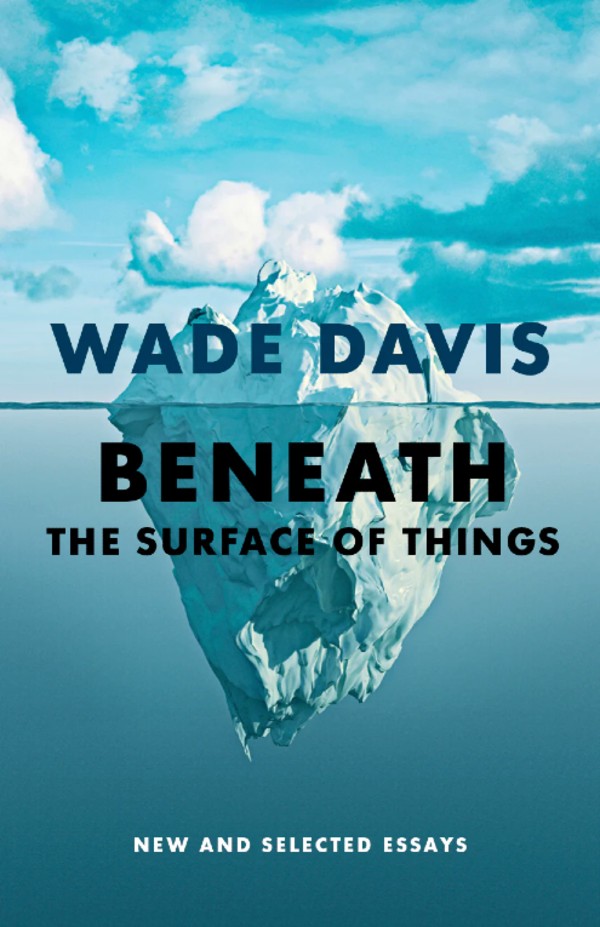
Beneath the Surface of Things

Wade Davis has served as Explorer-in-Residence at the National Geographic Society from 2000-2013. He is currently Professor Emeritus of Anthropology at UBC.

I spent most of Friday reading his book of essays.

Three topics caught my attention: the history of America, the crowning of Everest, and beyond climate fear and trepidation.
(image link HERE)

Besides his ‘Anthropology’ perspective, he is also a Geographer. See for example, essay #7 ‘ the art of exploring’.

His final word:
Before Buddha or Jesus spoke”, wrote DH Lawrence “, the nightingale sang, and long after the words of Jesus or Buddha are gone into oblivion, the nightingale still will sing.

The goal of the pilgrim is to become as if a bird dissolved in the sky yet filling heaven and earth with song. Passing through the sky, leave no trace, at one with the sacred.” p.255.


Saturday evening, Heather and I shared a growler of Brickyard Red with John Wightman. It had been a wonderful summer day. As we were out on the back deck, we were joined by a Broad-winged hawk, sitting in one of our mature oak trees.

It had caught a small bird, and proceeded to dismember it, sitting on a branch in full sight. A unique, memorable end to the day.

Acknowledgements

We enjoyed visits from both Rosalind Miller and John Wightman on Saturday. Edward added the graphics and links

Reference

Wade Davis, 2024, Beneath the Surface of Things: New and Selected Essays, Greystone Books.

Posted in Uncategorized

Lives and Legacies

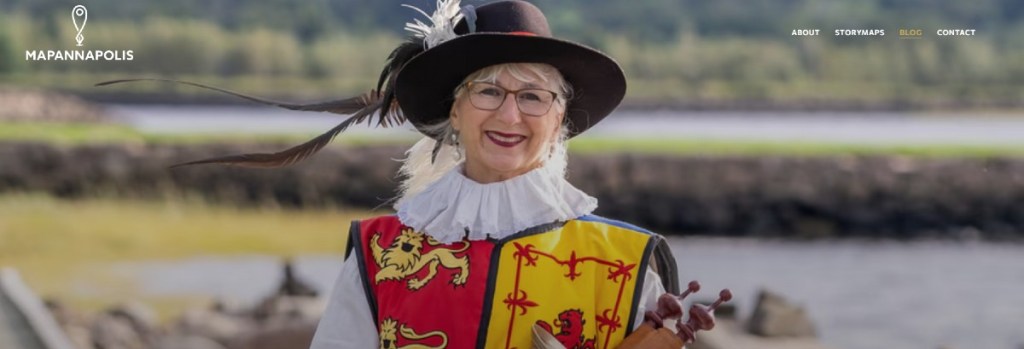
Last night, Heather and I returned to the Lower Granville Hall to see a slide presentation by Christine Igot. Indeed, it was much more than a slide show, rather an evening of ‘Good Cheer’. Sally O’Grady provided an introduction to the event, also introducing a Mic’mac artist. We also had a visitor, dressed up in the uniform of the day. Either Pierre Dugua or Jean de Biencourt de Poutrincourt (did not catch the actor’s name ).

Christine’s presentation was a history lesson. It provided a detailed context of the travels and visitation, to this unique part of Nova Scotia. It gave the context for the grist mill. It also raised questions, especially the nature of agriculture at the time, and the need for a grist mill.

On the drive to the event, from Middleton, Heather and I had mused on the fresh hay bales on Belleisle Marsh. On the way home, after learning so much more about the local history, we had this feeling of a ‘local community’ that goes back over four hundred years.

Thank you to the organizing committee, and particularly, the key note speakers and actor. If you missed it; it was something special; at a special location. I can imagine that it may be repeated in the future. If so, don’t miss it !

Earlier in the day, I was at the Inside Story in Greenwood to retrieve a Father’s Day gift certificate from Laurel. I found Wade Davis’s ‘ Beneath the Surface of Things. New and Selected Essays’. I am finishing the first one ‘ This is America’, it gives some historical background on the Trump era.

PS. Today we went to the commemorative site for thePoutrincourt Mill at the Nova Scotia Hydro Plant, 470, Dugway Road, Lequille.

Acknowledgements

Thanks to everyone who made the event possible. Thanks to Heather and Edward for their ongoing support. Edward is away in Parrsboro. So no links or graphics.

Reference

Wade Davis. 2024. Beneath the Surface of Things. New and selected essays. Greystone Books.

Posted in Uncategorized

Mill Site Quest

On Friday, Heather and I went to the Lower Granville Hall to hear Mark Borton’s presentation on ‘Where exactly was Poutrincourt’s Mill?’ (see Parks Canada’s Poutrincourt’s Mill). This was the opening of a six-day event including an art exhibit.

We plan to return on Tuesday evening for a slide show by Christine Igot.

Photograph of Christine Igot: Andrew Tolson

Same time 6 pm. Same location. ‘Pierre Dugua Sieur de Mons and Jean de Biencourt de Poutrincourt: Lives and Legacies.
Bust of Pierre Dugua Sieur de Mons sits at Fort Anne, Annapolis Royal, Nova Scotia.

Check the MapAnnapolis Blog post on Pierre Dugua Sieur de Mons.

The hall was packed, with many faces that I had not seen in a while. Besides Borton’s excellent presentation, I was impressed by the collaboration between Parks Canada, the County of Annapolis and the town of Annapolis Royal. The only presence, that I missed, was the First Nations.

Borton’s presentation raised many questions. Most were geographic in nature. According to documentation, Poutrincourt build the first grist mill on the Allain’s River in early 1607.

It is also, of interest, to understand the Nova Scotia culture at that time.

The winter of 1606-07 is a better one in Port Royal because of agricultural improvements, the friendship and alliance with Mi’kmaq and entertainments organized by the leaders of the settlement’.

If we play this forward to today.

What are the impacts of new technology coming from Europe (France and England) or the United States ?
How did it reflect (impact) agricultural land use?
What collaboration did we find between the French, English and Mi’kmaq?
Are there lessons that we can learn today in terms of new technology and to help us understand our relationship to the land?

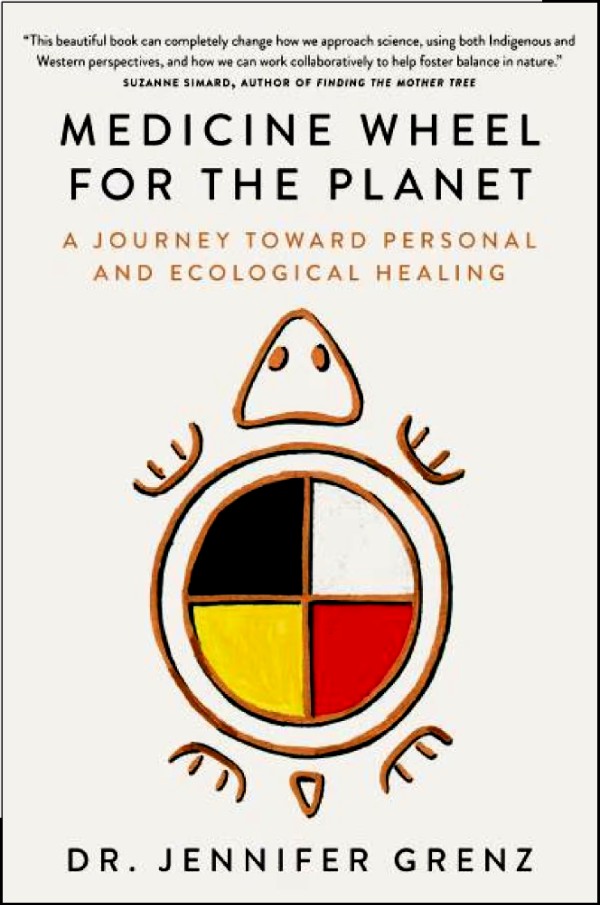
From Suzanne Simard:

This beautiful book can completely change how we approach science, using both Indigenous and Western Perspectives, and how we can work collaboratively to help foster balance in nature.

Postscript and Challenge

It occurs to me that it should be possible to use the latest geographic technologies to locate the mill site. We have these technologies in abundance in Annapolis County.

Reference

Jennifer Grenz, 2025, Medicine Wheel for the Planet: A Journey toward Personal and Ecological Healing, Vintage Canada.

Acknowledgements.

Brian Arnott introduced me to Mark Borton. Edward Wedler added the graphics and links.

Posted in Uncategorized

Country Mouse/ City Mouse

We had to go to the Infirmary in the city for tests on Wednesday. It has been a while since we last went to Halifax. We added a couple of stops en route. At Bayers Lake shopping centre, we wanted to check out planters (trugs) at Lee Valley. Unfortunately, no luck.

While at the Centre, we went across to Chapters. It has been an age since we stopped at a full bookstore. I was overwhelmed by the choice, and the advertising — bookcases of titles mentioned on different CBC talk shows.

We successfully negotiated Spring Garden Road and Robie Street. We were able to find parking on a side street, opposite Woozles childrens’ bookstore. The QEII Health Sciences Centre was unrecognizable. Major structural changes are underway. Eventually, we entered the Veterans building , then through various long corridors to the Cardiac Device clinic. We were there early, and the various tests did not take long.

There did seem to be some confusion about our home address and whether we should have attended the Valley Regional Hospital. On our way home, we stopped in Kentville to clarify what information was on file. Next time, it will be Kentville.

One last stop in Berwick at the Apple Valley Pies Plus Outlet, for berry crumble.

It must have been well over a year since we spent a full day in Metro Halifax. Makes me wonder about spending time in Toronto or Vancouver.

Also the different perceptions of the ‘country mouse’ in comparison to the ‘city mouse’. Time to make some adjustments. Two years is likely too long a break.

When we head to New Glasgow, we turn off at Windsor, thus avoiding metro Halifax/Dartmouth.

Posted in Uncategorized

Signs of Life

While we were in Lunenburg (see Day Trip), Heather found Sarah Cox’, Signs of Life at the Lunenburg Bound book store.

As the subtitle indicates it provides Field Notes from the Frontlines of Extinction — from the Spotted Owl in British Columbia to rare lichens in Nova Scotia’s disappearing woodlands. I was selectively interested in Haida Gwaii and Southwest Nova because we spent time in both landscapes.

In Nova Scotia we camped out to stop the spraying of the forests. Subsequently, we became members of SOOF (Save Our Old-growth Forests (see sample posts, Saving Forests, SOOF Soup Sunday, and Two Meetings; Two Questions)

Receiving their weekly newsletter, we have gained insight into the role that citizen scientists can play in the identification of species at risk (see Local Geography, for example).

In Nova Scotia, we have a local chapter of Extinction Rebellion (see Anatomy of a Protest).

Sarah Cox provides an excellent description of the work of this group, and the role that Nina Newington and others play in stopping the indiscriminate logging and spraying in Southwest Nova Scotia.


With the weather improving, it was time to bring the bicycles out of the garage. They had stayed hidden after the move. Doug Brown at Oakhaven, Belleisle brought them back to life in short order. Now, I have no excuse, on the next sunny day, if I want to cycle the Middle Road between Lawrencetown to Middleton. or take the ‘rails to trails’.


The reading, the bicycling and the identification of rare species in our shared landscape are indeed all ‘signs of life’, as we change with age.

References

Sarah Cox, 2024, Signs of Life: field notes from the front lines of extinction, Goose Lane Editions.

Save our old-growth forests (SOOF), Weekly newsletter

Nina Newington, 2025, Log now, protect later makes no sense, Opinion, Chronicle Herald, Thursday June 5, 2025. A8.

Goldsmith Lake Calicioids, Stubble lichens and fungi surveyed in mixed forest west of Goldsmith Lake.,2022-2023. Poster available at local bookstores.

Posted in Uncategorized

Home Base

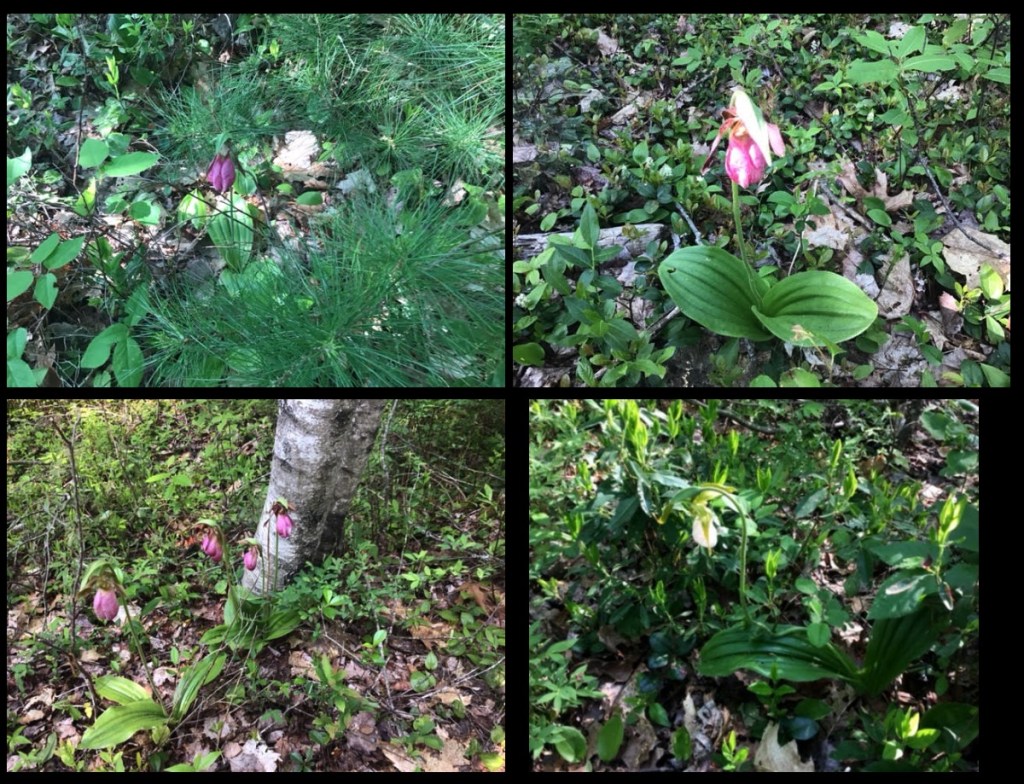
Earlier this week Heather and I walked the Marsh Trail in Middleton. It is a short trail from the parking lot, up from Avery’s. The highlight was the display of lady slipper orchids. I sent some photographs to Edward for inclusion in this blog.

This week, too, I finished reading Myths of Geography (see previous post, Day Trip). The book has eight chapters. Richardson offers a subtitle for each chapter.

1) How many continents are there?
2) Why walls don’t work?
3) What is a country?
4) Why taking back control is not what it seems?
5) Wealth, health or happiness?
6) Or how Putin unleashed the revanchist monster?
7) Why all roads don’t lead to China?
8) Seeing beyond the colonial cliches.

Reading this book took me back to graduate school at the University of Western Ontario (1969-1972), bringing to the foreground memories of Bill Bunge and David Harvey (enjoy my post Biogeography).

There are also memories of field work on vegetation patterns on Castleguard Meadows, off the Columbia Icefield.

At the end of each Summer, we would take off, on road trips to Boulder, Colorado or to the Alaska panhandle, before classes started again at UWO, London, Ontario.

It is not possible to read Richardson’s book without reflecting on the present global conflicts between USA, Russia and China.

At home base, we are busy transplanting: strawberries and tomatoes.

Acknowledgements

Edward created the orchid mosaic. Heather shared the transplanting.

Posted in Uncategorized

Day Trip

Sunday morning, we had a choice either go to Beaver Creek ‘Well-rooted Plant Sale and Garden Gathering ‘ or take a day trip to the South Shore. We decided on the latter, driving from Middleton on Highway #10 to Highway #103 in Bridgewater. The road was quiet; the trees beautiful in their Spring colours.

Our destination was Mahone Bay and Lunenburg. We turned off the #103 at Block House. First stop was a bookstore, Lunenburg Bound. It provides an excellent selection of new and used books. Unusually, the used books are organized in alphabetical order, by author.

I could not resist, Paul Richardson, Myths of Geography: Eight Ways we get the World wrong

Especially, since Richardson teaches Human Geography at the University of Birmingham, UK, my Alma mater.

On the way out, I picked up a free flier, Lunenburg Art/Map Visual Art and Fine Craft 2025 — a Visitors Guide to local artist studios, art galleries and shops that showcase original art and fine craft. This is a good model for the Annapolis Valley.

The next stop was Mahone Bay for lunch. Our favourite is the Nosy Crow. Unfortunately, CLOSED. Mahone Bay Main Street was a mess: road works and many visitors. We decided to retreat to fast-food in Bridgewater.

At Robin’s Donuts, we grabbed a couple of hamburgers. In the parking lot, we shared the view with a ‘nosy seagull’, sitting on the car bonnet, looking for food.

Cartoon by Edward

Time to head home. On Highway #10 we stopped at Land Care Nursery in Cookville. We purchased a dwarf butterfly bush, Buddleia Nain. I would recommend this excellent nursery.

References

Sarah Cox, 2024, Signs of Life: Field Notes from the Frontlines of Extinction, Goose Lane.

Paul Richardson, 2024, Myths of Geography: eight ways we get the world wrong, Hanover Square Press.

Acknowledgements

Heather brought her botanical interests to the trip. Mine were more geographical. Edward added the graphics and links.