Posted in Art, Nature, Photo Essay, Travel

Footsteps East  our 5,000 km plein air journey

Plein air art saved us from disaster — and may have even saved our lives!

A massive, cracking thunderstorm with torrential rain struck our campsite. 

At the time, we were painting about 20 km south; in Petit-Saguenay, Quebec, a fjordic region of Canada. Mountainous landslides washed out the only access road back to our campsite. About 200 campers, their tents and RVs were left stranded. They had to be airlifted/ boated out. Tragically, two were swept out to sea and lost their lives. It took over a week to be safely escorted back to camp so we could retrieve our tent and gear. What a start to our 5,000 km plein air trek through eastern Canada!

We planned to travel through landscapes painted 100 years ago by Canadian artists Tom Thomson and members of The Group of Seven — from Nova Scotia to northern Lake Superior and back — and to explore our painting styles.

In Ontario, we visited quaint towns that offered mouth-watering bakery products and parks made famous for their breathtaking topography. In Killarney we hiked “The Crack”; the most rugged trail in the La Cloche Mountain Range.

And canoed the lakes. We travelled by rail up The Agawa Canyon. In Neys and Pakawaska we painted near a WWII prisoner-of-war camp. On our return, we enjoyed camp-time with our daughter and grandchildren and painted the farmlands of Huron County.

Every day, our Footsteps East journey remains crystal clear — the squeal of soaring hawks, the fragrance of pine-filled valleys, the fresh breath of morning air along the rocky shoreline of Georgian Bay and the many spectacular skies.
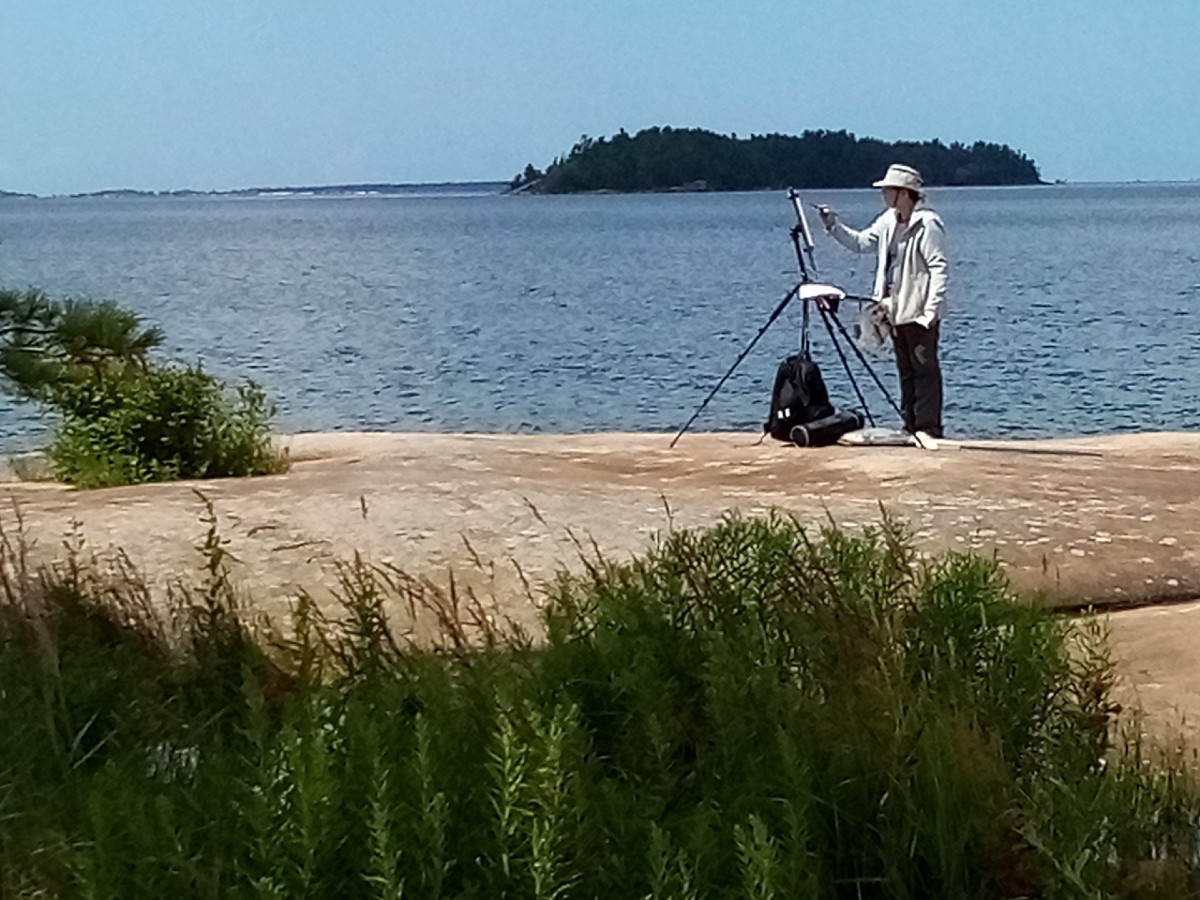
 

That’s the beauty of plein air art. Every moment is treasured and fully experienced. Even better is when the journey is shared with art lovers and adventurers; locally and from around the globe.

Little Island, Petite Saguenay” plein air oil by Anne Wedler

Our trek’s stories, artwork, videos, and interactive map are on our website at Footsteps East.

So what adventures await? 

Footsteps Farther East” is where we tented and painted the landscapes of Newfoundland and Labrador in the summer of 2024. For 2025 it may be rural France and Ireland — even farther east.

Originally submitted to Plein Air Magazine’s “Postcards on the Road”
(now revised including images) by Anne and Edward Wedler
“A Plein Air Pair”
wedlerfineart.com

Posted in Photo Essay

Lost in the woods

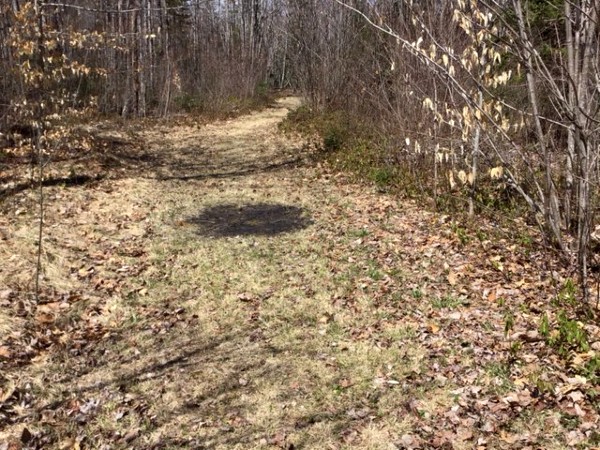
We have a walk that takes us down through the Hunter Farm to the Annapolis River and across to the Lawrencetown tree nursery. The walk begins in the organic apple orchard and ends with a cold beer at Lunn’s Mill brewery. Andrew Maher owned the property from 2008 to 2021. The new owners are Rob Jarvis and Sinead Wills (justbewoodsy.com) (see blog post here).

We start at Hunter’s organic apple orchard.

Living Edge planks were cut by Stephane Doucet using his Alaskan chain-saw rig.

An old condenser was used by Alex Cole, Little Foot Yurts to produce charcoal.

Coppiced red maple for yurt poles.

Site of previous year’s charcoal burner.

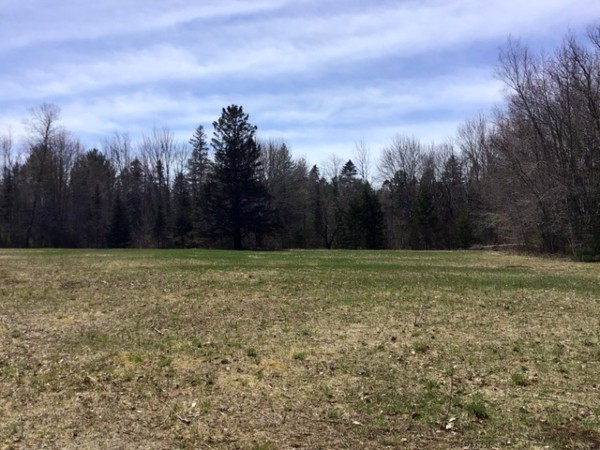
Triangle field.

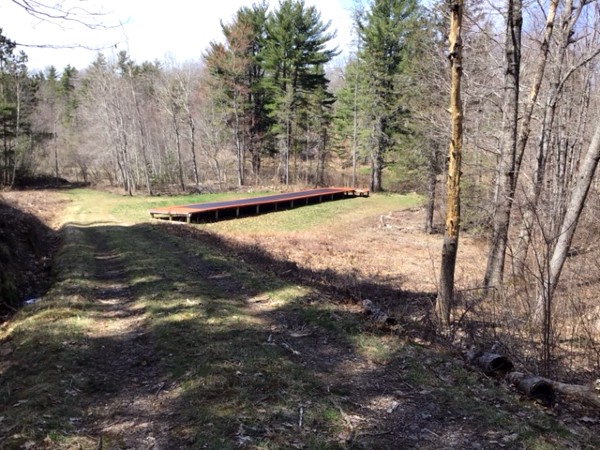
A platform for drying hoses by Lawrencetown Fire Department.
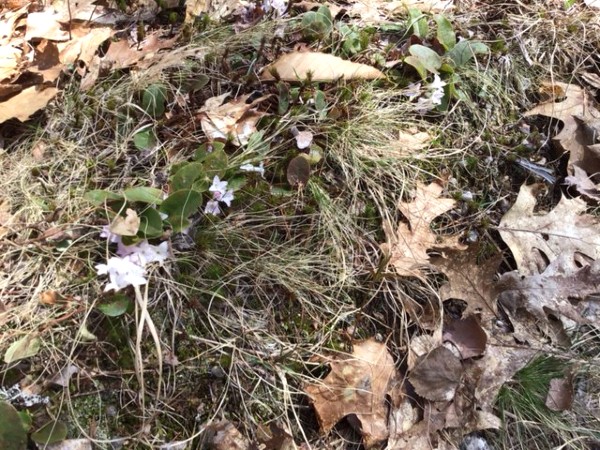
May flowers in bloom.

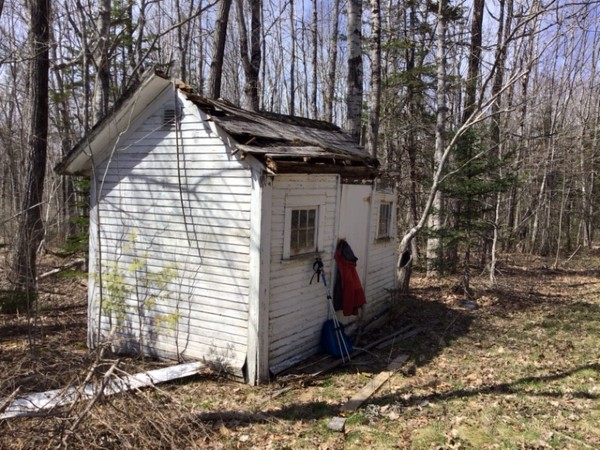
A derelict nursery shed.

A plantation of pine for seed cones.

New plantation of spruce.

We end our walk at Lunn’s Mill Brewery.

Acknowledgements

To everyone who has left their mark on the local landscape: individuals, organizations and government. Heather is my walking partner. Edward is a creative force.

Postscript.

Last night, we watched The Power of the Dog on Netflix.

Posted in Photo Essay

Iqaluit: the landscape

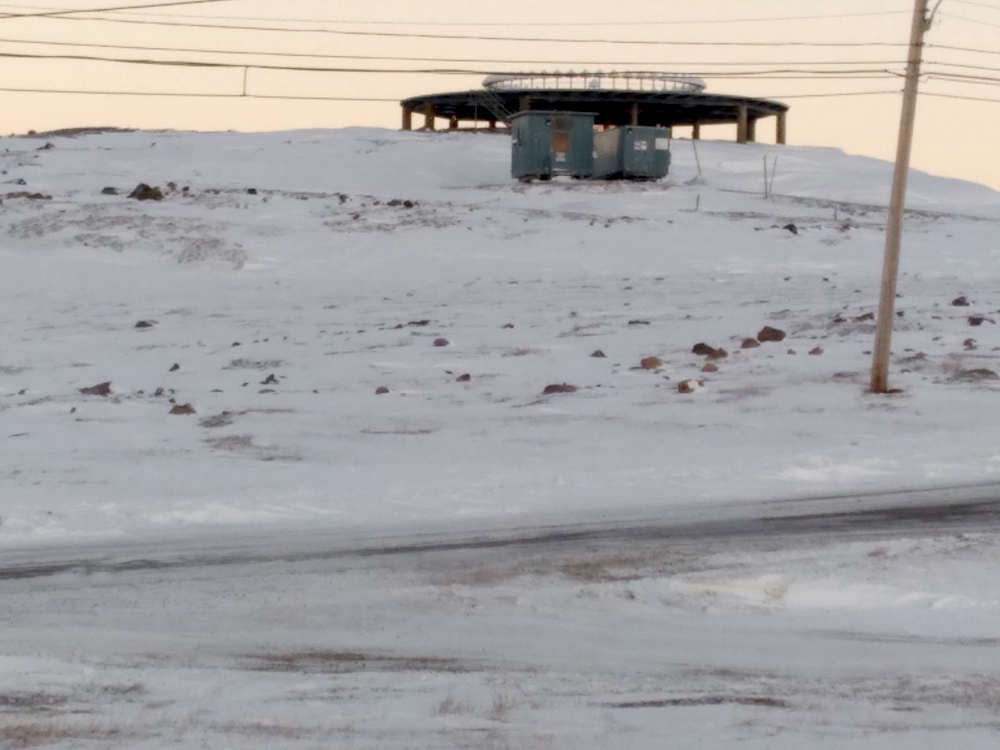
Since Christmas, we have stayed away from the downtown. Indeed, given COVID, most of the stores are closed. Instead, we have preferred to walk across the tundra, and rediscover ’old haunts’ from the time when we lived here. For example, we rediscovered the ski trails to the Road to Nowhere.

Heather has photographed the Winter landscape.

With the cold weather, we increased our time with books, crossword puzzles, jigsaw puzzles and various board games (new to us). The main challenge has been the BIG crossword, with 579 clues down and 594 clues across. Fortunately, perhaps, there seems to be an online Google industry for those addicted to the Christmas crossword. Although, for the purists, this may be considered ’cheating’.

We hope to be back in Nova Scotia next week, in 2022; COVID willing.

Meanwhile, enjoy the landscape.

Acknowledgments

Edward inserted the graphics. Heather was the photographer.

Posted in Photo Essay

Iqaluit , Nunavut

The day after we arrived, Iqaluit had its first Winter storm. It is now a week later. Most days, we have managed to get out for a walk downtown. Although with COVID many stores are closed.

The days are short. Sunrise 09:23. Sunset 13:44.

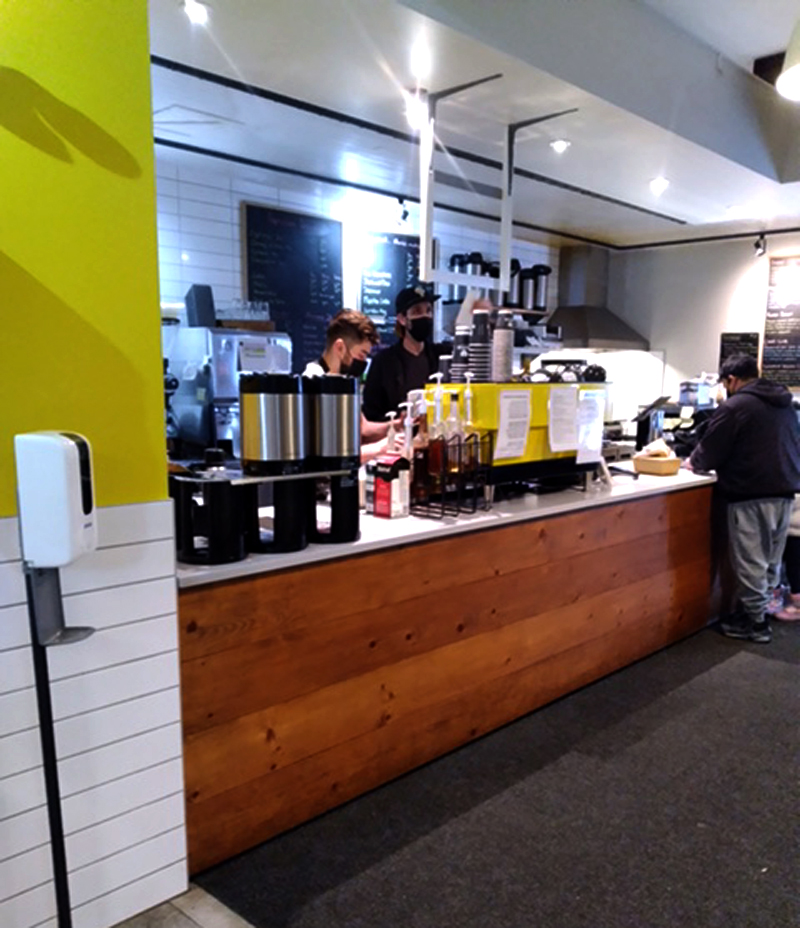
The Black Heart Cafe is only open for take out.

The North Mart is one of three grocery stores in town.

The legislative building is downtown.

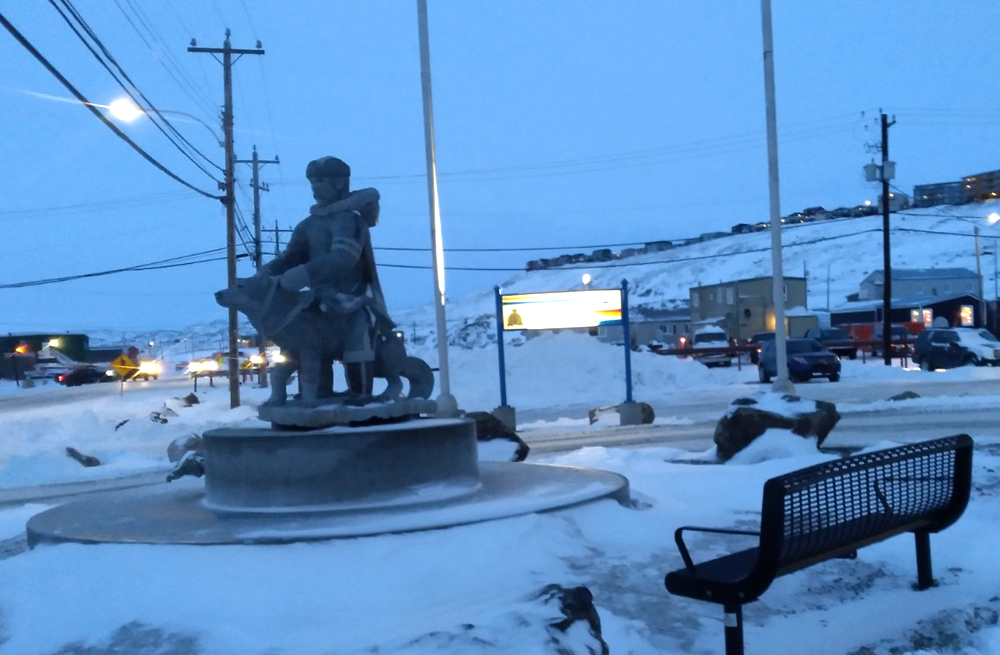
The building with the sculpture is the RCMP.

Of course, you can find the CBC in the North.

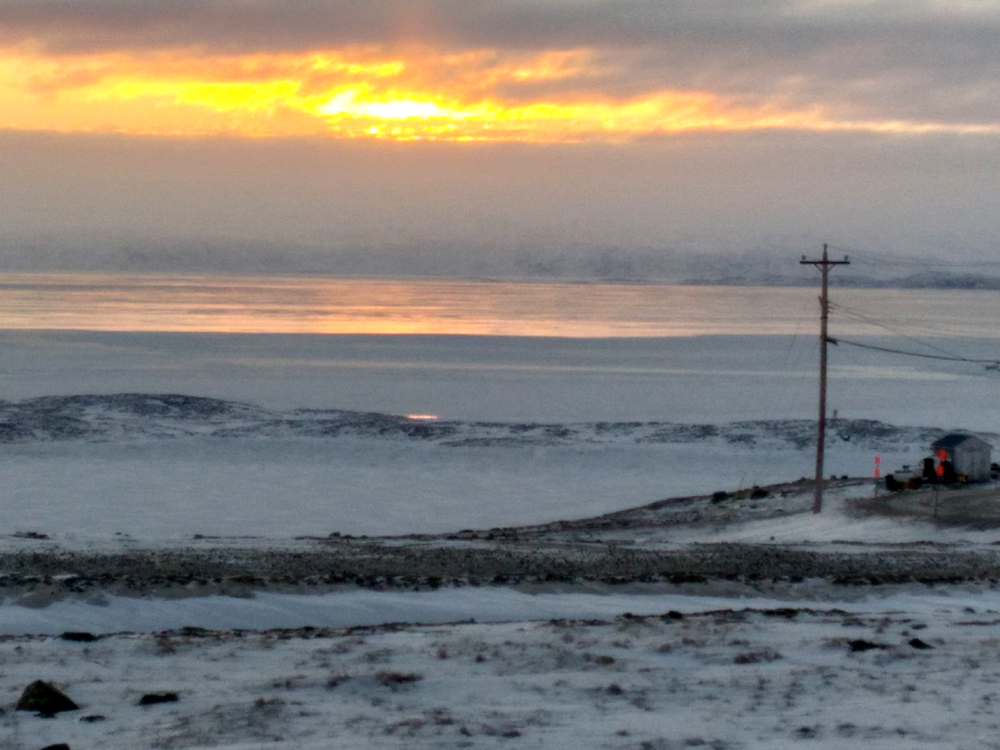
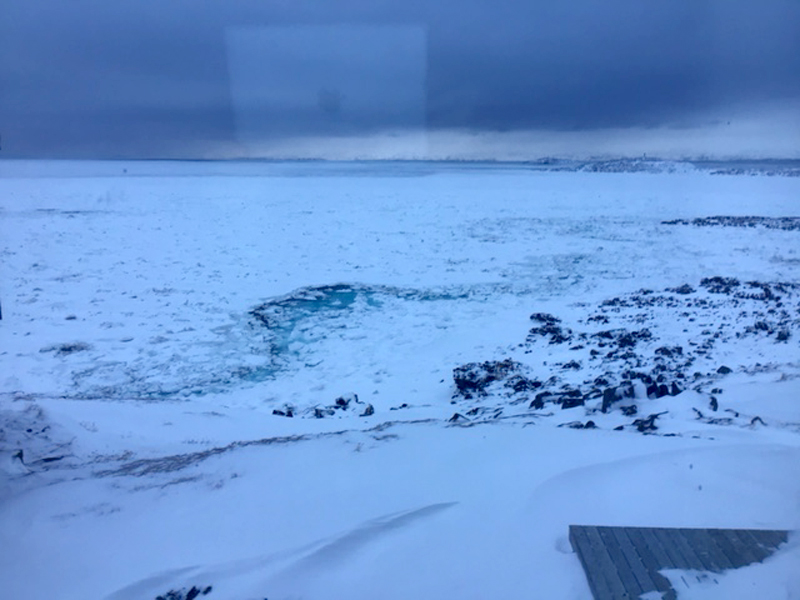
From Andrew and Julia’s house, we overlook the sea ice on Frobisher Bay.

Hope everyone has a wonderful family Christmas !

The sun rises on Christmas Day in Iqaluit.
Posted in Photo Essay

Mushroom Walk

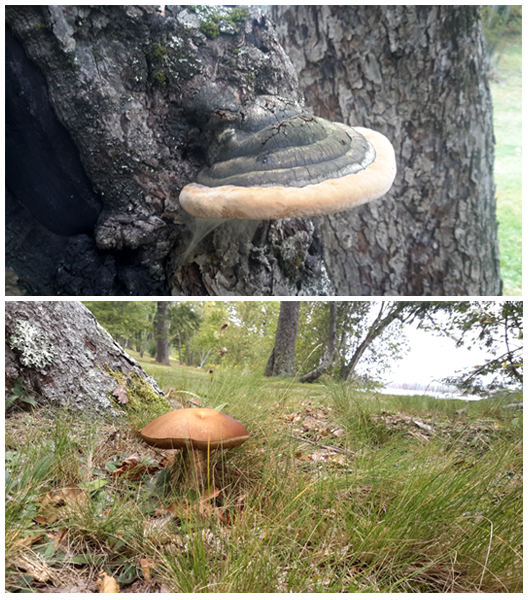
I noticed in The Bridgetown Reader that Keith Egger and Allison Walker are conducting a guided mushroom walk on October 2nd. This inspired me to walk down from the Hwy #201 to the Annapolis River with my iPad in hand.

This week, we were tidying up some orphan books, left over in Andrew’s barn. They included Kim Stafford’s book ’Having Everything Right: Essays of Place“. In 1986, it won Western States book awards citation for excellence.

“In an age in which we often find ourselves at odds with nature, Stafford serves as a guide and interpreter listening for the ways stories name of region, a country, and with familiarity and affection, explicating the terrain for those of us who have forgotten or never learned how.”

Heather also found Randall Jarrell’s allegorical children’s book ”The Bat-Poet”, illustrated by Maurice Sendak. The bat shares his poems with the mockingbird, the chipmunk and finally with the other bats.

”The trouble isn’t making poems. The trouble’s finding someone that will listen to them.” p.15.

An interesting comment on the creative process.

Acknowledgements

Edward has been very busy with the Parrsboro International Plein Air Festival (see blog post). Heather has been constrained by cataract surgery.

Postscript
Edward, too, has been photographing fungi — near Newville Lake, north of Parrsboro.

References

Kim R. Stafford, 1986, Having Everything Right, Penguin Books.

Randall Jarrell, 1964, The Bat-Poet, Harper-Collins.

Posted in Photo Essay

This Place

In the last few days, I have become very ‘place-conscious’. Likely, the result of reading The Hermit of Gully Lake.

One of our regular walks is through the old Lawrencetown Forest Nursery, down to the Annapolis River. This week, I noticed that the platform used by the Lawrencetown Voluntary Fire Department to dry out their hoses has been repainted red and black. It should now be visible from the air.

The abandoned nursery is adjacent to the Lunn’s Mill beer company. There would seem to be a potential collaborative business venture. The old nursery could be turned into an outdoor museum, demonstrating the different planting practices over the last several decades. Visitors to Lunn’s Mill could walk, snowshoe or cross country ski the trails, enjoy the outdoor museum, before heading back indoors for a beer.

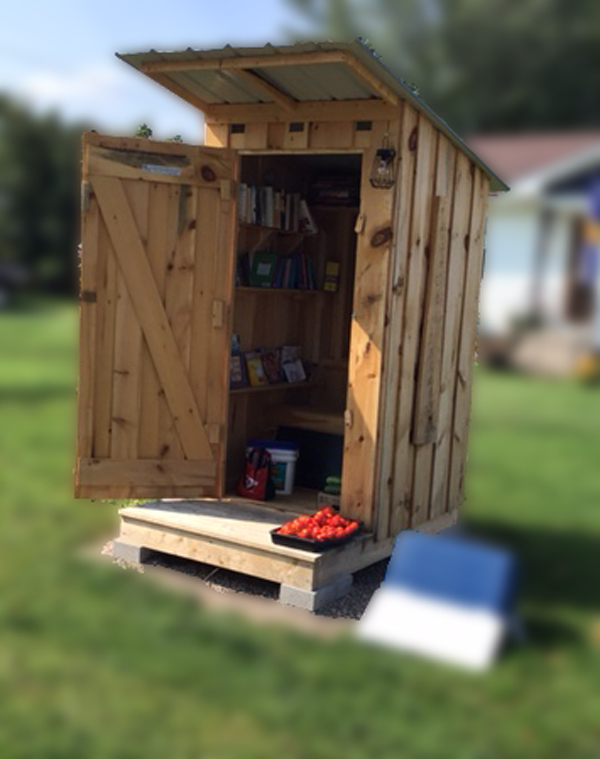
A second observation was the ‘outhouse’ on the front yard at Lawrencetown Lane. In fact it is a free library, with a book exchange, groceries and seasonal vegetables. ‘Take what you need; Leave what you can’.

These mini-library ‘book exchanges’ have popped across rural Nova Scotia. Previously, I had seen them in rural British Columbia, and Scarborough, Ontario.

Before taking the photograph, I stopped to ask permission. The owner, named ‘ Outhouse’, had moved to the Valley from Digby Neck. They had received support from the LifeSchoolHouse group in Clarence for this venture.

These two examples are evidence of the subtle changes that are taking place in rural society, in response to the larger societal shifts.

Acknowledgements

Edward kindly inserted the photographs. Heather shared the walks.

Postscript

I managed to find the first edition of Joan Baxter’s book ‘The Hermit of Gully Lake’ at Endless Shores Books in Bridgetown. It was first published in 2005. There are differences with the new 2021 edition however the story remains essentially the same, about a specific person and a particular place.

Posted in Photo Essay

Changing Rural Communities: Lawrencetown

As we begin 2021, it seems timely to document some of the changes in the village of Lawrencetown.

On the positive side, signage for the new Lawrencetown Community Health Centre and Pharmacy  have been installed this week. At the Nova Scotia Community College (COGS) they have installed a field of solar panels and are completing a new residential training wing.

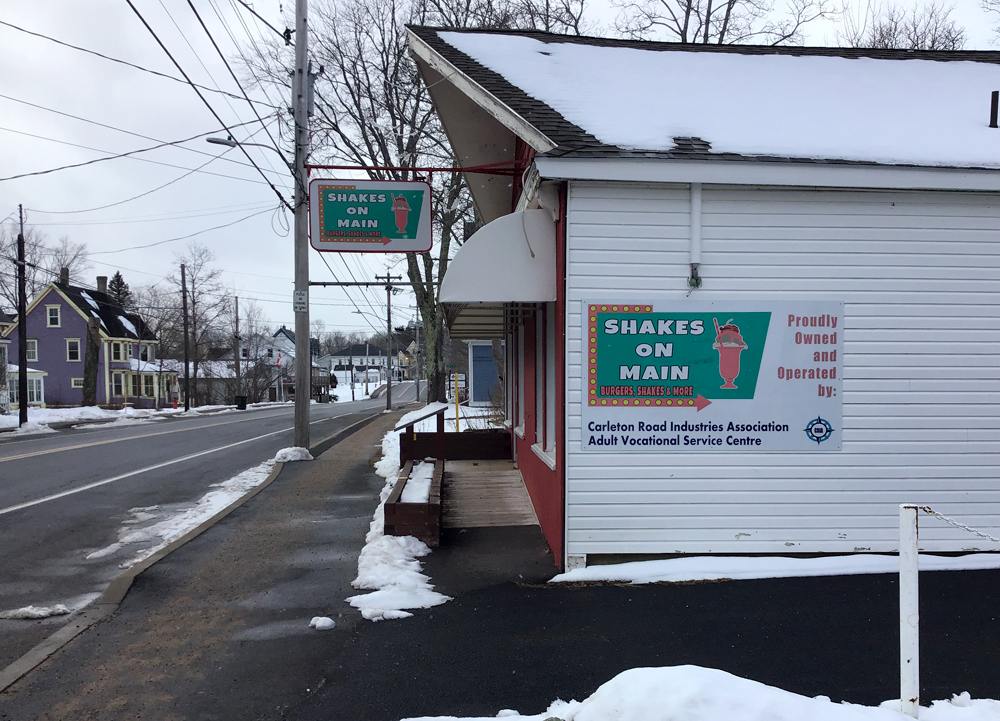
On the “negative” side, we see FOR SALE signs at the BeaverCreek Winery and the Winemakers Tavern. Plus Shakes on Main remains closed because of COVID.

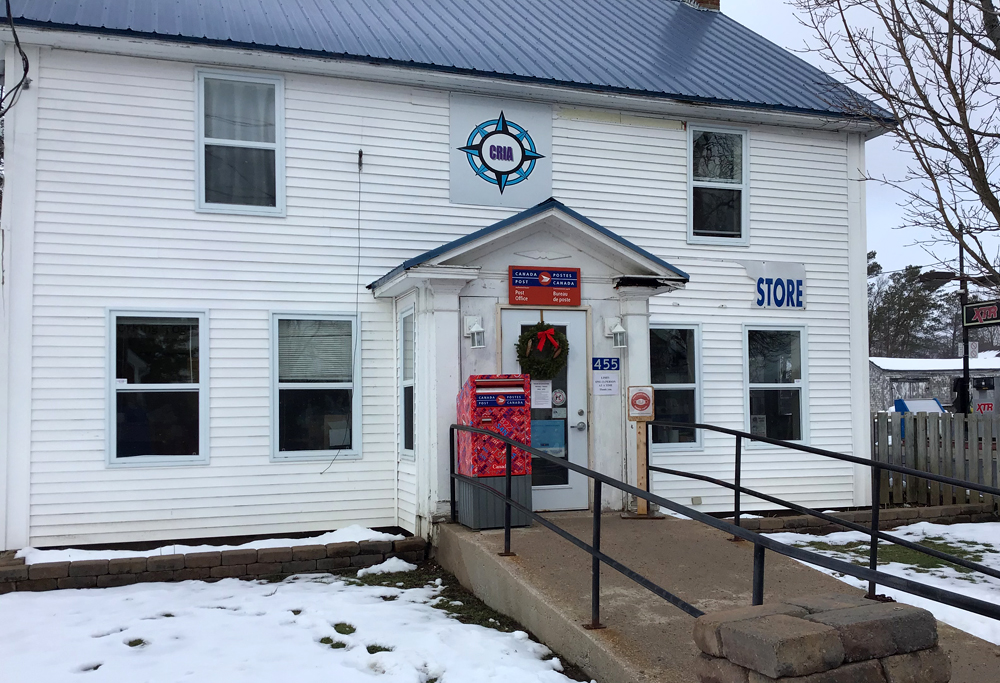
The Thrift Store, the post office, gas station, and recycling centre all operate under the management of Carleton Road Industries Association (CRIA). On Carleton Road (Hwy #201) Lunn’s Mill Beer Company is open for retail. Before Christmas, this consortium purchased the End of the Line Pub in Bridgetown (now called The Station) serving food, beer and entertainment.

What are the lessons?

Small rural communities in Nova Scotia can reinvent themselves, even in the most difficult of times.

We look forward to more detailed plans.

a) how the Health Centre will help address the shortfall of family physicians in this part of Annapolis County?

b) what will be the impact of the residential training centre at COGS on the surrounding community?

c) will the new solar field at COGS help move the province towards greater use of alternative energy?

Acknowledgements

Thank you to Edward for organizing the photographs and for the Zoom coaching.