Posted in Art, Nature, Travel

The Geography of Outdoor Art

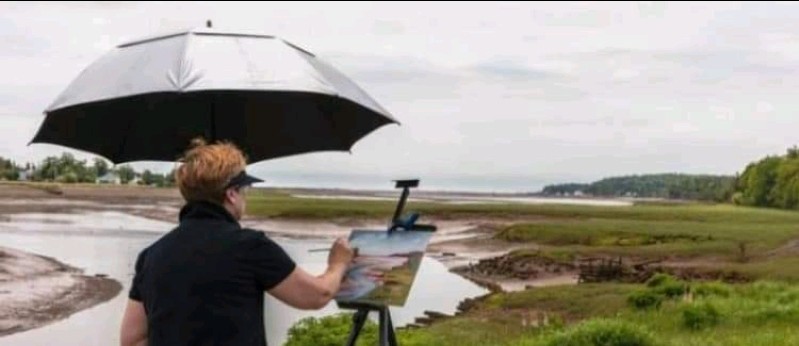
As Anne and I prepare our palettes for the upcoming 2026 season, I find myself reflecting on the profound bond between geography and plein air art — painting on location.

Magic happens when we bridge the world of art and geography, as in capturing the highest tides in the Bay of Fundy.

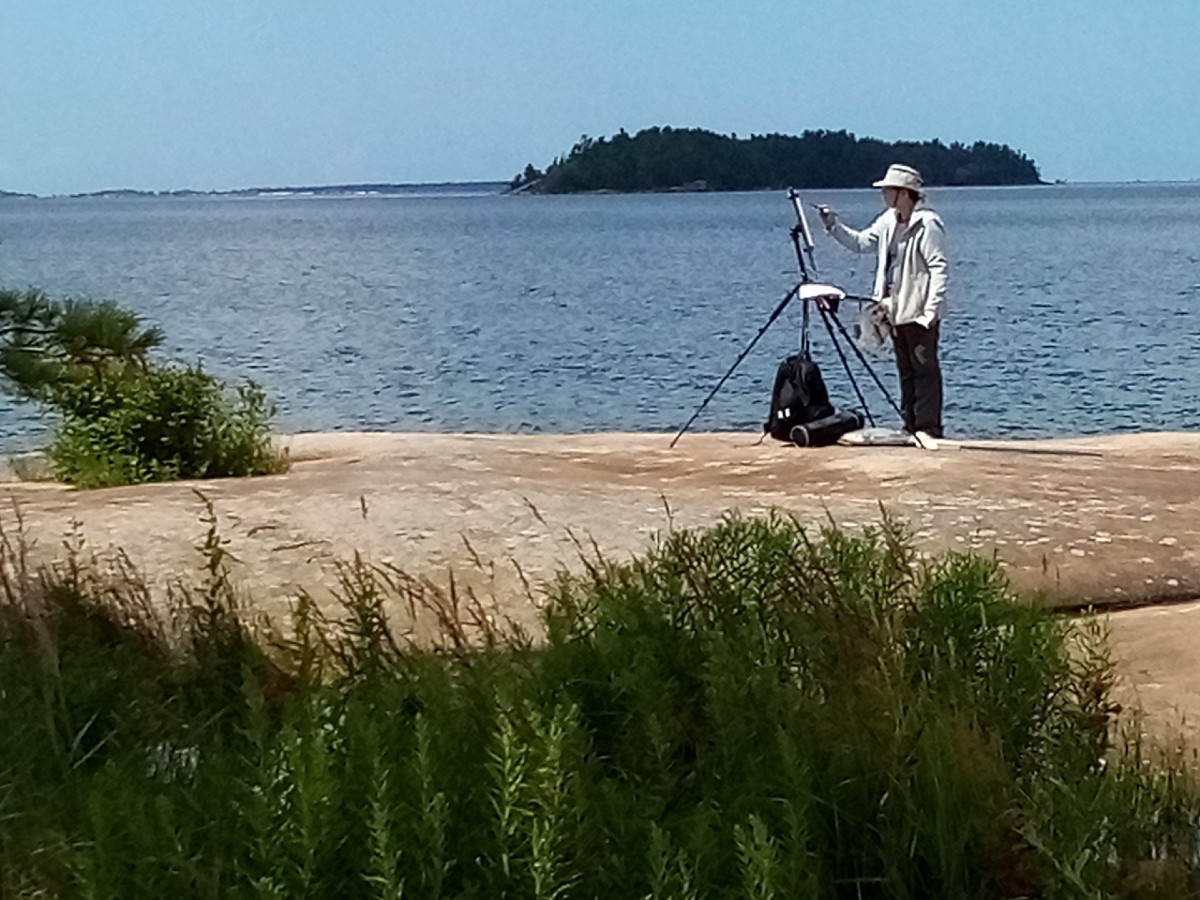
I believe that plein air painting is much more than a hobby; it is a vital way of imprinting the landscape onto our soul. Because we immerse ourselves for a few hours into the landscape, we recall so much more. It’s not like snapping a tourist photo and moving on.

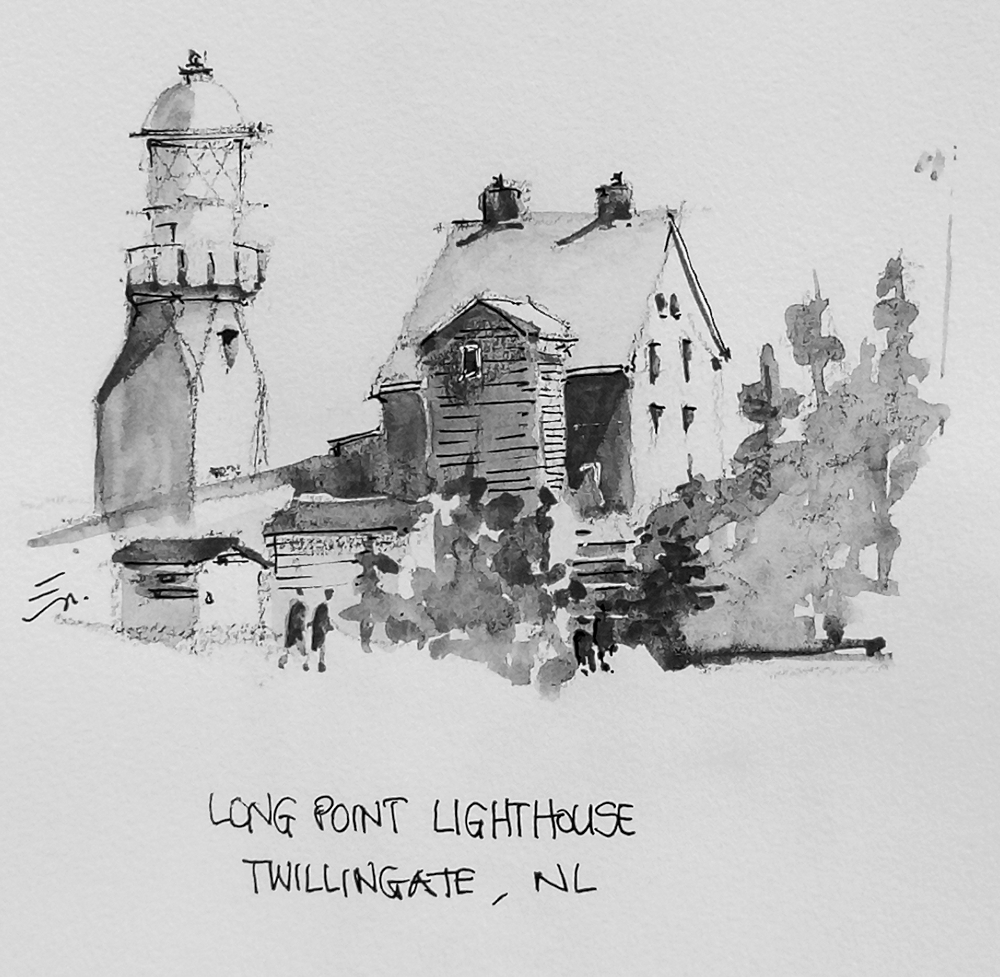
As plein air artists, we recall the July heat and wind at Long Point Lighthouse near Twillingate, Newfoundland …

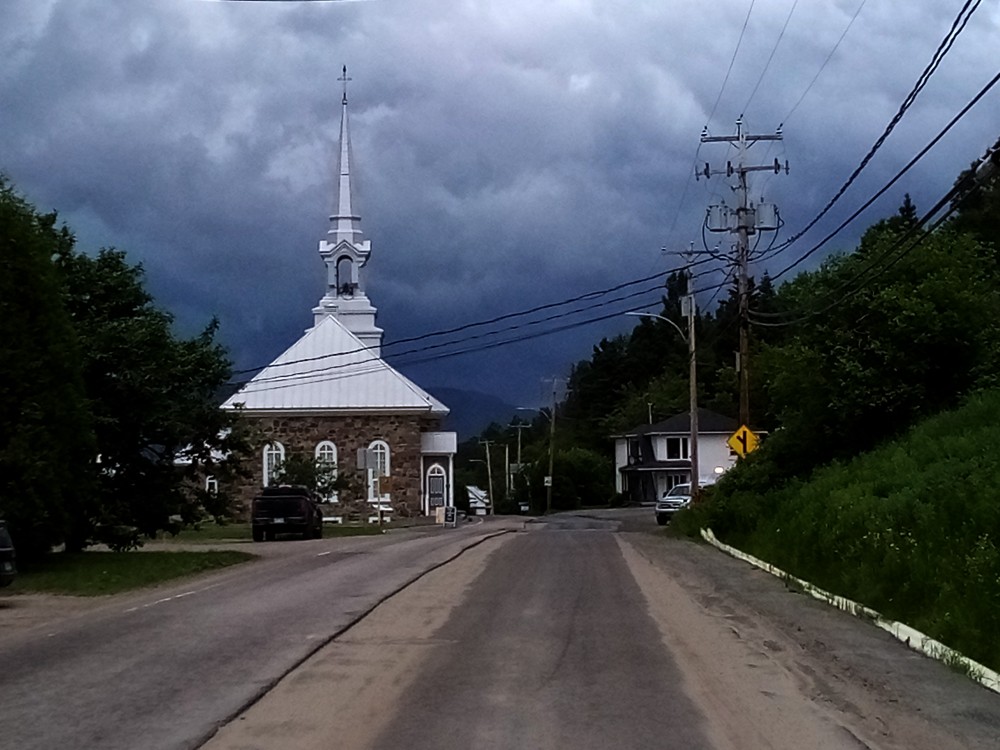
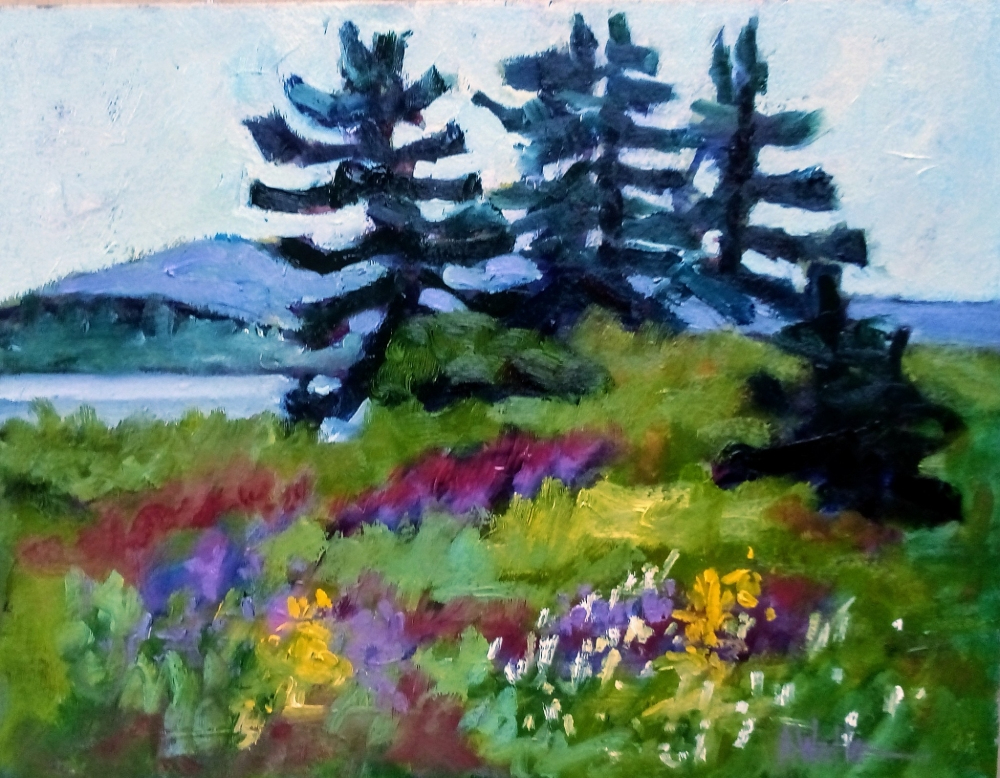
the smell and sound of a violent downpour near Petit Saguenay, Quebec, or in Pakaskwa and Neys Parks, Ontario …

the brilliance of spring colours at Nova Scotia’s Lawrencetown Beach …

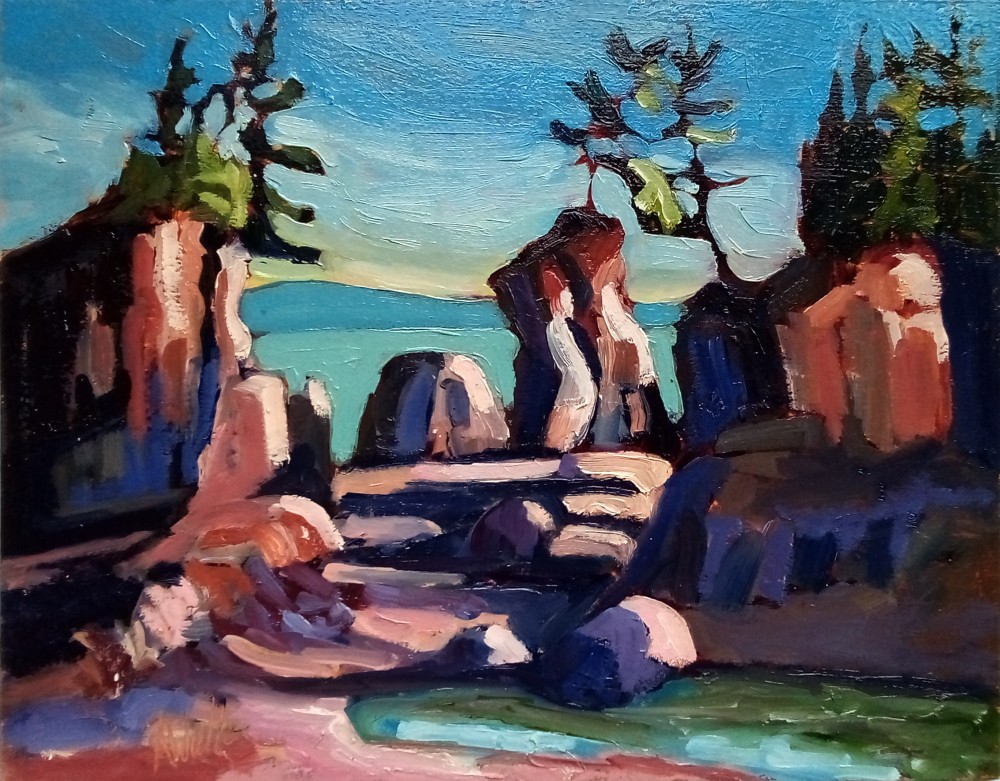
or the rise and fall of monster tides at Baxter’s Harbour.

Yes, plein air painting is far more than a simple outdoor hobby. It’s where we move from being passive observers to active participants. This intersection of art and geography links our creative expressions directly to our landscape.

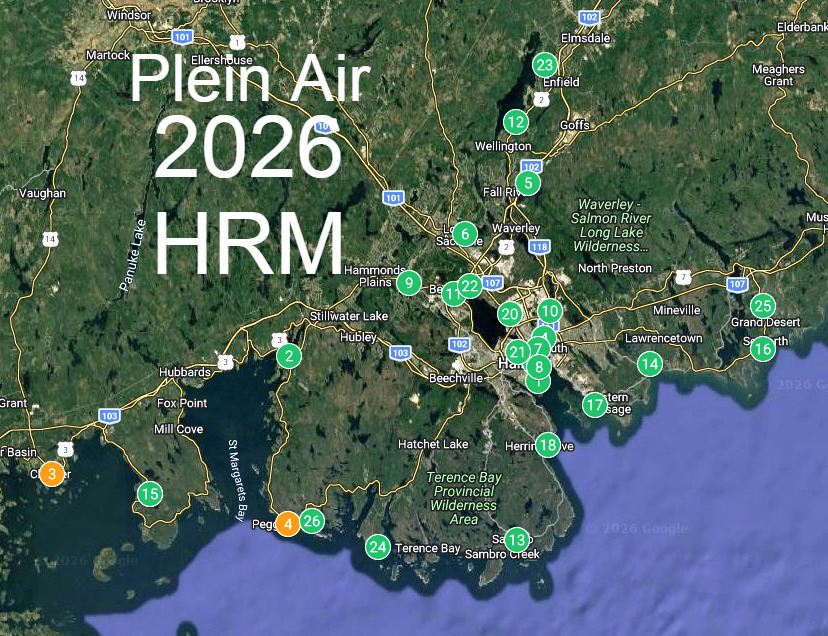
Our interactive community map has already garnered 40,000 views, proving just how much we all crave that spatial link to our surroundings. The current 2026 map includes over 50 paint-out sites.

Close-up of our interactive Plein Air Map around Halifax-Dartmouth (click for more)

The map has become a digital bridge between traditional fine art and modern spatial exploration. Our map is viewed worldwide. Artists outside the region have contacted us to plan their visits to the region, based on the map.

I invite you to witness this connection firsthand starting May 7th at Granary Park, as the Plein Air Artists of HRM begin our weekly Thursday sessions. In the Annapolis Valley, the season begins at the Harriet Irving Botanical Gardens at Acadia University.

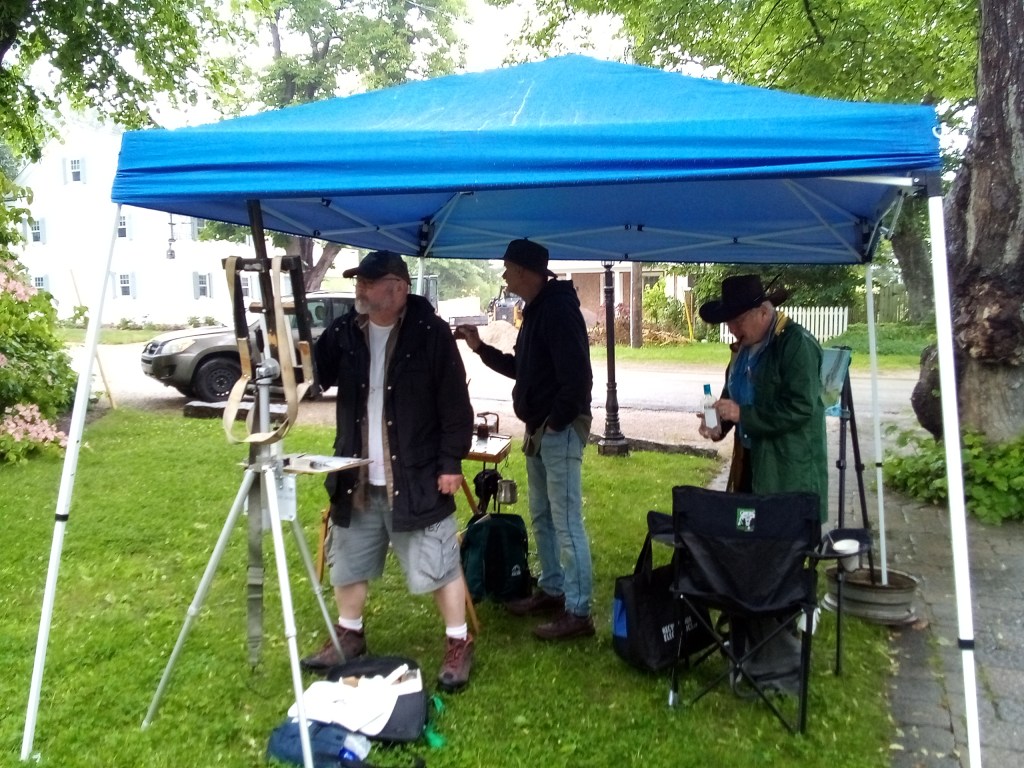
Plein Air artists under cover but in cold, drizzly weather (Chester, Nova Scotia)

We paint regardless of the weather—whether it is a “Nova Scotia sprinkle” or a foggy morning—because we believe there is immense beauty and a unique “mood” to be captured in a storm.

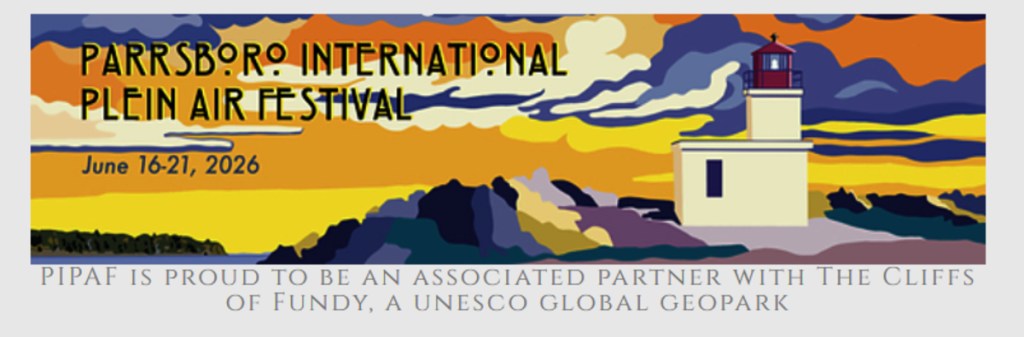
For a truly world-class experience, do not miss the Parrsboro International Plein Air Festival from June 16th to 21st, held along the breathtaking Cliffs of Fundy UNESCO Global Geopark (drone footage video).

You will see incredible artists in action, translating the raw structure and light of the coastline into masterpieces.

Whether you join us for a session or just stop by for our friendly group critique around 1:30 pm, you will discover that there is no single “right” way to see the world.

Let’s celebrate “The Geography of Outdoor Art” together this season.

POSTSCRIPT

For anyone interested in exploring/developing Artificial Intelligence in creating a live interactive global plein air map please contact me.

Posted in Art, Nature, Photo Essay, Travel

Footsteps East  our 5,000 km plein air journey

Plein air art saved us from disaster — and may have even saved our lives!

A massive, cracking thunderstorm with torrential rain struck our campsite. 

At the time, we were painting about 20 km south; in Petit-Saguenay, Quebec, a fjordic region of Canada. Mountainous landslides washed out the only access road back to our campsite. About 200 campers, their tents and RVs were left stranded. They had to be airlifted/ boated out. Tragically, two were swept out to sea and lost their lives. It took over a week to be safely escorted back to camp so we could retrieve our tent and gear. What a start to our 5,000 km plein air trek through eastern Canada!

We planned to travel through landscapes painted 100 years ago by Canadian artists Tom Thomson and members of The Group of Seven — from Nova Scotia to northern Lake Superior and back — and to explore our painting styles.

In Ontario, we visited quaint towns that offered mouth-watering bakery products and parks made famous for their breathtaking topography. In Killarney we hiked “The Crack”; the most rugged trail in the La Cloche Mountain Range.

And canoed the lakes. We travelled by rail up The Agawa Canyon. In Neys and Pakawaska we painted near a WWII prisoner-of-war camp. On our return, we enjoyed camp-time with our daughter and grandchildren and painted the farmlands of Huron County.

Every day, our Footsteps East journey remains crystal clear — the squeal of soaring hawks, the fragrance of pine-filled valleys, the fresh breath of morning air along the rocky shoreline of Georgian Bay and the many spectacular skies.
 

That’s the beauty of plein air art. Every moment is treasured and fully experienced. Even better is when the journey is shared with art lovers and adventurers; locally and from around the globe.

Little Island, Petite Saguenay” plein air oil by Anne Wedler

Our trek’s stories, artwork, videos, and interactive map are on our website at Footsteps East.

So what adventures await? 

Footsteps Farther East” is where we tented and painted the landscapes of Newfoundland and Labrador in the summer of 2024. For 2025 it may be rural France and Ireland — even farther east.

Originally submitted to Plein Air Magazine’s “Postcards on the Road”
(now revised including images) by Anne and Edward Wedler
“A Plein Air Pair”
wedlerfineart.com

Posted in Nature

Oak Leaves/ Book Boxes

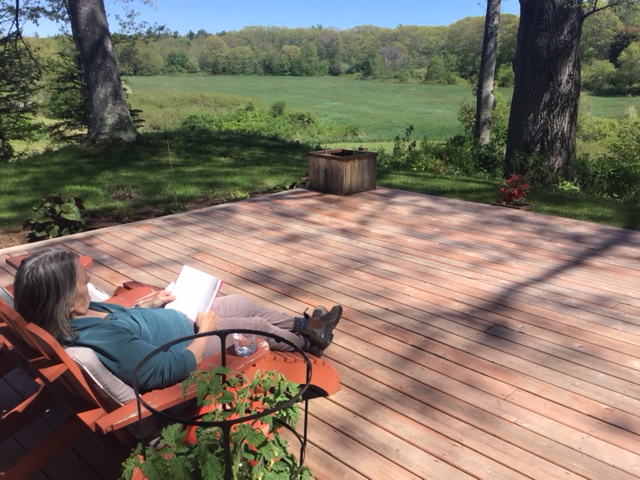
We have five large oak trees in our new garden, overlooking the Annapolis River. We had not been prepared for the large volume of leaves and acorns falling to the ground.

This year, we bagged them and took them to the Valley Waste facility in Lawrencetown. In the future, we will turn them into compost.

Last night we witnessed squirrels climbing into the crown of one of the trees, with leaves in their mouths, to build a nest for the Winter. This attracted our attention, but also the attention of a family of blue jays. We have a wonderful viewpoint to monitor the interaction of other species on the flood plain.


I have managed to begin the Winter task of sorting my books. I had hoped to get this done before the Big Book Sale at the Annapolis Royal Library. Unfortunately, I started John Muir’s The Story of my Boyhood and Youth. The first chapter describes his life in Scotland.

From the first box, I have set aside, Tim Dee’s Ground Work: Writings on Places and People, followed by Richard Nelson’s The Island Within, and Carl Sauer’s Land and Life.

Perhaps, I can write a blog, one box at a time (only thirty nine to go!)


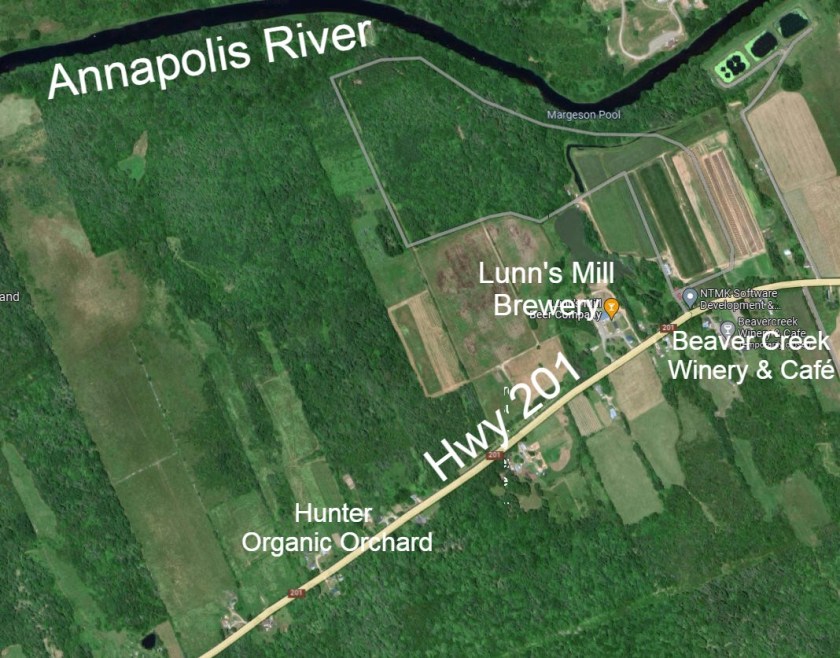
Yesterday’s walk took us to the Lawrencetown Tree Nursery, down to the river, and then back up to Highway #201 through Andrew Maher’s old property, previously owned by Raymond Hunter; now owned by Rob and Sinead (see previous posts Guided Walk, Naturally Rooted: Hunter’s Brandy and Preparing for Experiential Tourism). The walk is through mixed riverine woods; elapsed time fifty minutes. To avoid trespass, you can complete a loop down to the river, within the nursery land.

References

John Muir, 2023, The Story of my Boyhood and Youth, Canongate Books.
Tim Dee (ed), 2018, Ground Work: Writings on Place and People, Vintage.
Richard Nelson, 1991, The Island Within, Vintage Books.
Carl Sauer, 1967, Land and Life, University of California Press.

Acknowledgements

Heather shares both the walking and nature observation. Edward shares our interest in ‘joining the dots’.

Posted in Art, Book Review, Nature

Giving Thanks

On Sunday we had a beautiful, blue sky day. Heather and I decided it was a day for a walk in Kejimkujik National Park.

Early, we headed down Highway #8. Our destination was the Peter Point Trail. It was a delightful six kilometer stroll. The trail was covered in pine needles. The yellow, orange and red deciduous leaves were stunning.

Afterwards, it was time for a different route home. We headed down to South Brookfield, where we turned east on Highway #268, and cross-country through Pleasant River-Compton-Hemford-New Germany. At. New Germany, we turned North on Highway #10 to Middleton.

Two observations on the day:

  1. The colours on November 13 in rural Nova Scotia were fantastic because of the mix of hardwood tree species.
  2. The landscape mosaic of rural Nova Scotia is remarkable. If only, we would follow the practices of sustainable forestry.

This weekend, I received an inter-library loan notice from the Middleton library.

Jack Dangermond at Esri had recommended Our Towns by Jim and Deborah Fallows. A 100,000-mile journey into the Heart of America. A quick glance took me to the chapter on Redlands, California (also see the video in my post West Dalhousie Visit).

Redlands is the home town of Jim Fallows. It is also the headquarters of Esri and home town of Jack and Laura Dangermond.

We went with our young family to Redlands in the late ’80s. I had spent the early ‘80s designing and delivering new programs at COGS. After a year with EMDI in Jakarta, we landed in Redlands. Heather took graduate courses in Biology at the University of California, Riverside.

Thank you Jack for the reference, and the opportunity to spend time in Redlands., your town.

Reference

James and Deborah Fallows, 2028, Our Towns, Pantheon Books.

Acknowledgements

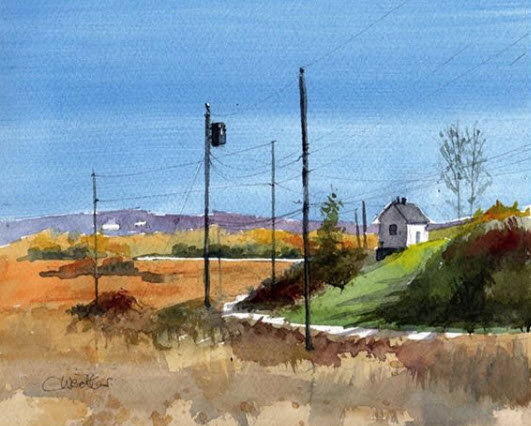
Head of Chezzetcook intertidal area painted in watercolour by Edward Wedler

Thank you , Edward. I know you were able to paint and capture the colours of the Nova Scotia landscape this weekend.

Posted in Nature, Travel

Blue Sky Day

Friday, we decided it was time to return to Kejimkujik National Park and walk the Peter Point trail. It was a remarkable adventure.

The park remains closed and so the roads to Eel Weir and the trail were unoccupied. We only saw one couple from Maitland Bridge walking their dog.

What a splendid day ! No traffic on Highway #8 between Annapolis Royal and the Park. In the sky, we could see the con-trails of aircraft, flying between the Maritimes and New England.

After the exhilaration, we stopped at the Brown Dog Kitchen. It is operating under new management. We enjoyed a coffee and curry puffs. Two per serving.

In the Library, I found “Dropped Threads: What We Aren’t Told” edited by Carol Shields and Marjorie Anderson on the used bookshelf. For Heather, Spinach and Swiss Chard seeds.

Saturday, we returned to the Library to hear Claire Jimmison. It is part of the 2024 Speaker Series, sponsored by the Friends of the Annapolis Royal Library.

Acknowledgements

Heather shared the bliss of the Peter Point trail. Edward added the graphics and links.

Reference

Carol Shields and Marjorie Anderson (ed), 2001, Dropped Threads: What We Aren’t Told, Vintage Canada.

PS
We are blessed with access to a National Park, especially in the off-season, before visitors arrive in May.

Posted in Common Place, Nature

Red and Blue

Some days are defined by external events, others by small coincidences. Heather has been putting out sunflower seeds for the birds, along the deck railing. This morning, we were treated to a beautiful display from the Red Cardinals and the Blue Jays.

Otherwise, the day was by defined by the appointment at Honda in Kentville, to change to Summer tyres.


Anne Crossman forwarded a link about land ownership on Haida Gwaii, bringing back good memories (read posts Reaching Out, A Short Story, Lessons From Haida Gwaii Part 1, and Lessons from Haida Gwaii Part 2).

Landmark deal recognizes Haida Nation’s title over Haida Gwaii
The Canadian Press | Posted: Sunday, April 14th, 2024 8:15 PM | Last Updated: April 15th

John Wightman forwarded an aerial photograph (image taken by The Valley Eye) of the construction site for the new Mountain Lea residence in Bridgetown.

Edward shared a link to “Work in the Age of Artificial Intelligence”, an online seminar hosted by the Brookings Institute in the USA.

At the end of the Day, I could not resist a photograph of the Scilla, flowering amongst the lupin leaves.

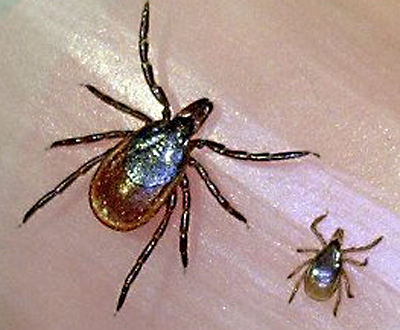
Surely, Spring has arrived; followed by the tick season; and then the lady-slipper orchids.

Acknowledgements

Thanks to Anne Crossman, John Wightman and Edward for their emails. Heather encourages the bird life in the backyard.

References

Haida Gwaii
Mountain Lea
AI and work

Posted in Nature, Opinion

Two meetings; two questions

Sunday (28th), Heather and I attended two meetings.

First, it was the Save Our Old-growth Forest (SOOF) meeting at the Bridgetown Legion (see also previous posts Saving Forests, Twice To Annapolis Royal, and A Day in the Life). The Arlington Forest Preservation Society provided an update for the community. Nina Newington gave an update on their work on South Mountain between Highway #10 and Highway #8, and included a proposal to protect some rare lichen habitat.

Later, Heather and I met with John Wightman. John was interested in the status of lichens in the region and their relationship to his mineral exploration activity. Heather came with a selection of authoritative lichen texts (check out previous post The Bookshelf, and also listen to Montana Public Radio’s Whether Lichens Coceal or Reveal Depends on What You’re Looking For).


At the end of the day, we were both exhausted; trying to understand the position of the Nova Scotia Department of Natural Resources and Renewables.

It left me with two simple questions. However, before I pose the questions, overnight there was time for reflection. In the mid-70’s we were in Ottawa. I was working at the National Herbarium. I produced a publication on the Rare Plants of Nova Scotia. Besides helping to raise two boys, I was surrounded at work by taxonomists: lichens (Irwin Brodo), mosses (Bob Ireland) willows (George Argus). For the publication, we worked with Paul Keddy and David White.

Here are my two questions:

  1. Given that the streams of South Mountain flow into the Annapolis Valley, why are we spraying glyphosate on the forests in the region? It impacts the water supply and the forest ecology.
  2. Given the presence of old-growth forest on South Mountain, why can we not map these forest stands and ensure that they are part of the ecosystem complex into the future?

These lands could be the basis of a provincial commitment to conserve a percentage of crown land from forest activity (see previous post What is Truth?).

It is hard for Heather and myself with our botanical and geographic interests to simply sit back and watch the squabbling in our own backyard. Can we not take a more collaborative approach to answering these two simple questions, based on good science?

Reference

Robert Maher, David White, George Argus and Paul Keddy, 1977, The Rare Vascular Plants of Nova Scotia, Syllogeus 18, Published by the National Museum, Ottawa.

Posted in biographical sketch, Nature

School Day

Last Wednesday morning, I attended Dave MacLean’s FunGIS class. The topic was calculating the area of a polygon using a Python script. Unannounced, at 9 am , there was an unveiling of artwork by Phillip Bailey in the AV room.

Phillip is a member of the African Nova Scotia community, from Lequille, Annapolis County, and grandson of Harold Cromwell.

The Art is now on display in the entry way at COGS. It is a composite of the African Nova Scotia flag, a topographic representation of the province and identifying the primary African Nova Scotia communities.

A third element of the morning was a presentation on the joint M.Sc. in Applied Geomatics between COGS and Acadia University. Unfortunately, the need for snow tyres meant that I was unable to hear the presentation. The program was established by John Roth at Acadia and myself at COGS.


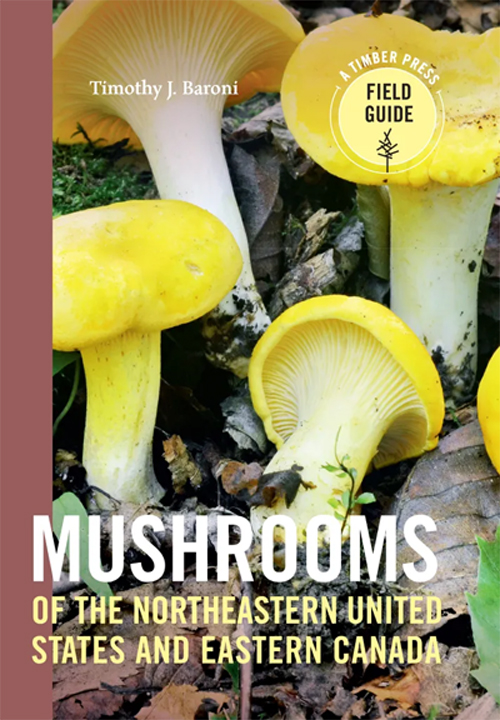
A couple of weeks ago, Heather attended a guided fungi walk with Keith Egger, organized by the Arlington Forest Protection Society (see post Saving Forests). On Keith’s recommendation we ordered Mushrooms of the Northeastern United States and Eastern Canada by Timothy Baroni.

It arrived this week at The Inside Story in Greenwood.

The excellent illustrations will be invaluable, as we continue to walk through our property to the Inglisville Road.

Acknowledgements

Dave MacLean’s class on Wednesdays, give me an insiders perspective on the activities at COGS. The guided walk by the Arlington Forest Protection Society added to our botanical reference collection.

Postscript

There will be a delays in posting these recent blogs, as Edward relocates to his Winter base in Florida.

References

T.J.Baroni, 2017, Mushrooms of the Northeastern United States and Eastern Canada, Timber Press.

Phillip Bailey, CartographMe. Combining cartography and art. I create hand-drawn maps that hold customized meaning through a description of people, places and events. https://www.cartographme.com

Posted in Art, Nature

Fiona

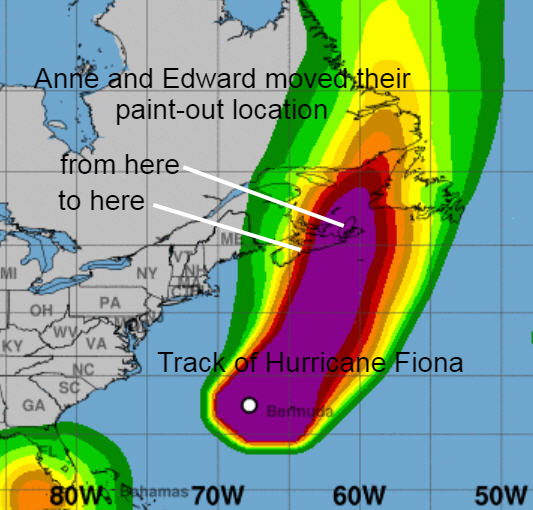
As of this writing, I am awaiting the approach of Hurricane Fiona.

Even after driving for about five hours yesterday, away from our Cape Breton paint-out base at Margaree Harbour to Halifax, we still seem to be headed for a difficult time. This is the second time a hurricane has affected our plein air plans; the previous storm was named Dorion.

We still got in two days of painting at the coastal community of Margaree Harbour and Inverness and on the gravel bars of the salmon fishing Margaree River. These paintings will form the early part of our Footsteps East project (see our current map at tinyurl.com/FootstepsEast).

For those in Fiona’s path, stay safe.

Posted in Nature

Middleton False Foxglove

After our field trip to Brier Island, we decided that it was time to revisit the site location for Agalinis neoscotica (see posts, Brier Island and Biogeography). The botanist, Greene, stepped off the train in Middleton and found the species.

A few years ago, we walked through the sports fields by the school, adjacent to the abandoned railway track, and found it. Time to return. We walked past the new Al Peppard recreation centre and looked closely along the woodland edge. We found a few scattered plants in flower (August 8th).

Today, the common name is the Middleton False Foxglove. There are likely few communities in rural Nova Scotia whose name is attached to a unique flowering plant.

Buoyed up by our success, we shared this obscure botanical fact with one of the maintenance team members for the park.

This week, I returned to the Endless Shores Books seeking the other books by Peter Wyman: Iceland and Crossing Thames. No luck! Jennifer Crouse, the owner of the store, told me that the author used to teach English in Annapolis Royal. I look forward to the next consignment of his books.

Postscript

From Atlantic Books (August 2022), posthumous interview of Silver Donald Cameron on the Green Interview, by Chris Benjamin.

Acknowledgements

Heather shared in the search for Agalinis neoscotica at Middleton. Edward added the graphics.