Yesterday (Wednesday) Heather and I participated in the Winter Bird Count, coordinated by David Colville.

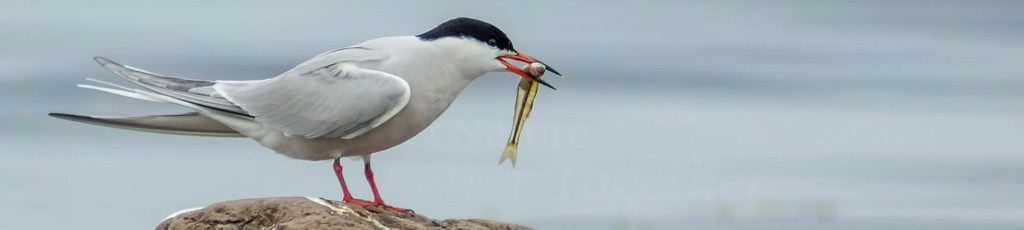
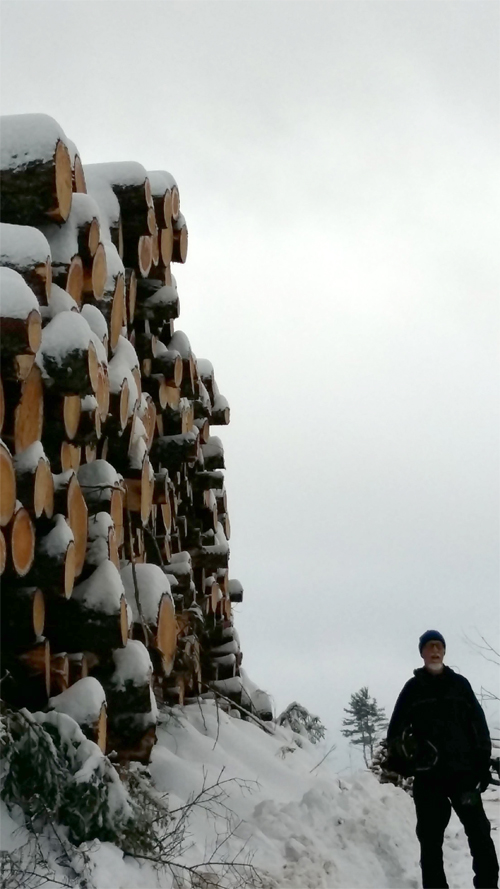
This gave us the opportunity to walk down to the Annapolis River in the morning. In the afternoon, we went up through the property to the Inglisville Road. Besides the exercise, on a cool day, -10 degrees, we observed mourning doves, chickadees, nuthatches, blue jays, crows, woodpeckers and juncos. The great majority preferring the easy pickings at our bird feeder.

The traverse from the river to the top of South Mountain brought memories of our local geography.
What would we learn if we made the traverse, once a month? Or four times per year?
This led, naturally to questions of citizen science. Previously, when employed at AGRG, we had climate stations on the property. What would we learn, if we had say, 4-6 stations in a transect from the river bank to the southern edge of our property on the mountain? What is the temperature and humidity profile along the transect? At different times of the year?

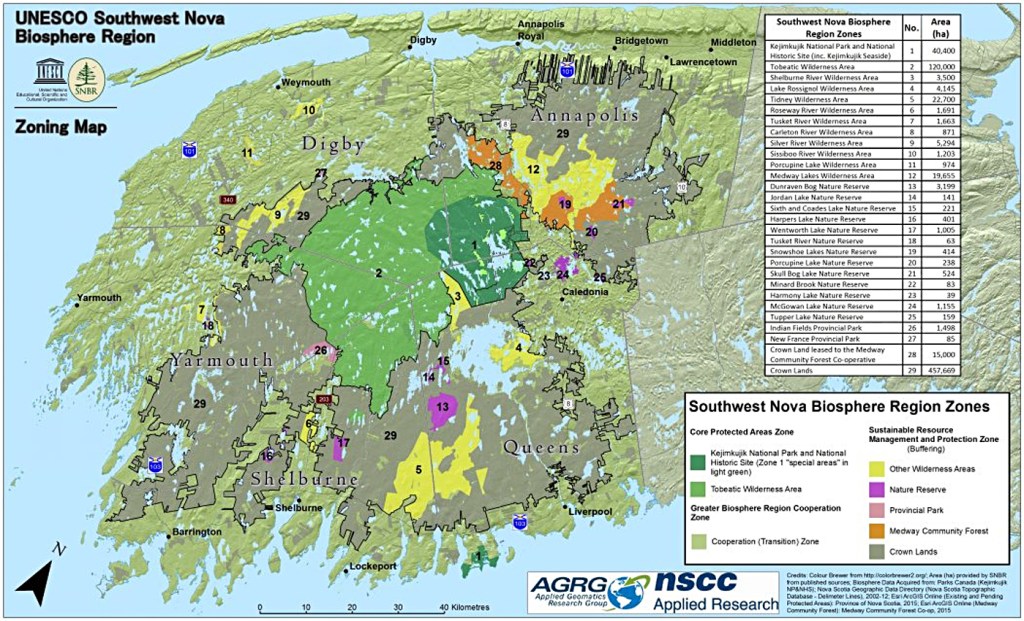
Let’s take it a step further. When I was at AGRG (NSCC) we had a network throughout the Annapolis Valley. Could we create a community based organization that would maintain this type of network? Could we find a group of landowners between Digby and Kentville who would be interested and willing to monitor a series of transects from the Bay of Fundy to North Mountain to the Annapolis River valley up onto South Mountain?
If we maintained the network, we would be able to monitor climate change in the region.
As a citizen scientist I would welcome the opportunity to participate in developing our understanding of the local climate, it’s relationship to the landscape, and to the other species which share this landscape.
As a citizen scientist I would welcome the opportunity to participate in developing our understanding of the local climate, it’s relationship to the landscape, and to the other species which share this landscape.
A note sent to me from Orion Magazine on the loss of contributing editor, Barry Lopez.

the world is losing a lot of light. Let us hope others will take it up and shine it brightly in 2021
— SANDRA BARRY
Acknowledgements
To David Colville for including us in the bird count. Heather for sharing the forest walk. Sandra Barry for forwarding the note on Barry Lopez. Edward for his magic touch.
References
Mary Ellen Hannibal, 2016, Citizen Scientist: Searching for heroes and Hope in an Age of Extinction. The Experiment.
Article on Barry Lopez (1945-2020) in Orion Magazine, December 31, 2020.
Some of my previous blog post links to Citizen Science:
A Proposal: Crowdsourcing and Citizen Scientists
We are all Geographers
Citizen Scientist…
Community Information Utility: it’s time has come.