This week, I received two emails on the subject of rethinking tourism.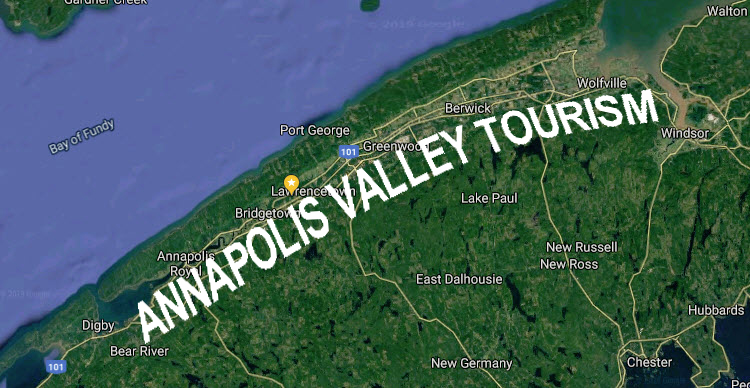
from Danielle Robinson.
Culturally sustainable wine and food tourism. Key findings from a comparative case study of BC’s South Okanagan Valley and NS’s Annapolis Valley.
from Celes Davar.
Rethinking tourism for the Valley area – a larger more collaborative approach. It’s not about marketing.
Danielle’s key findings offer a summary of her Ph.D thesis research. “The central finding is that food culture as expressed through wine and food tourism is inherent to regional identity and contributes to cultural sustainability in three key ways.
Food- and wine-tourism sustains local food culture.
Food- and wine-tourism sustains local communities.
Transformative food- and wine-tourism supports the development of a more sustainable culture.”
This feeds into the email from Celes, where he asks the question.
“How can we collectively, shape a new direction that is about this region working together, and develop a community economic development strategy that features stories and experiences of agriculture, food and cuisine, the arts and music, different cultures and traditions in relation to the Acadian forest, Annapolis Valley and Bay of Fundy Bioregion? “
Great question. Here are a few preliminary thoughts.
1
we have to tell the story of this Geography.
2
we are inclusive in our definition of the Bioregion. It is not about municipalities. It is not about different cultural groups. There is a long history of use and abuse of this landscape. Where are we today? What is the path forward in the unfolding global context?
3
Celes asks us ‘to conceive of a different direction’. What might this kind of
alternative direction be?
4
Perhaps, we should move away from the term ‘tourist’ and rather think in terms of residents, part-time residents, and guests. We are indeed all residents at a number of different scales.
5
As far as possible, emphasize direct experience with the ecological environment – whether walking, cycling, canoeing, kayaking.
6
Learn as much as possible about the lessons of this landscape. What has been done right? What has proven to be an absolute disaster? What is being done to mitigate previous mistakes?
7
Understand the connectivity between this bioregion and the larger region i.e. the Eastern Seaboard/ Maritimes.
8
Engage multiple generations in the process: elders, parents, children, grandchildren.
9
Be inclusive of all diversity.
My goal is to live as close to the land, and its natural rhythms, as possible in the hope that I can learn to fully appreciate the role of other cultures and other species in this bioregion. I look forward to the ongoing conversation.
Acknowledgements
Thanks to both Danielle and Celes for striking up the conversation. Heather for her concern for other species in the region. Edward added the graphics.
References
Danielle Robinson, Culturally sustainable wine and food tourism
Celes Davar, Rethinking tourism for the Valley area – a larger more collaborative approach.

 Ernest Blair Experiment
My contribution to this discussion:
10. The history of people here
11. The stories of the people here
Excellent ideas here. Thanks to you and to Celes.
Anne
LikeLike