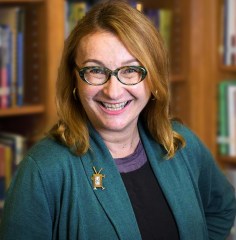
 Joan Francuz is now a resident of Annapolis Royal. She has written and self-published a fascinating memoir of her life as a technical writer, within the context of the history of technological change, or in her terms ‘Scribes from Babylon to Silicon’. Many of us have participated in these technological changes throughout our working lives.
Her research reminds us of the long history of technological change from the earlier industrial revolutions. It offers a sobering moment of reflection, as we experience the current pandemic changes.
Somewhere in her book (I have tried to find the page) she references IDRISI.
Ah! Found it.
“Pockets of knowledge existed even outside the universities. King Roger II of Sicily, for example, gathered scholars at his court, including an Arab Muslim geographer named al-IDRISI (1100-1165) who collected information about the known world. The result was a document whose Arab name can be translated as “The delight of one who wishes to traverse the regions of the world.” The world map and 70 secondary maps that al-IDRISI produced would be the most accurate depicting of our planet for the next 300 years.” p.60.
In my earlier days, teaching the application of GIS technology, there was a software product, developed by Geographers at the University of Edinburgh, of that same name.
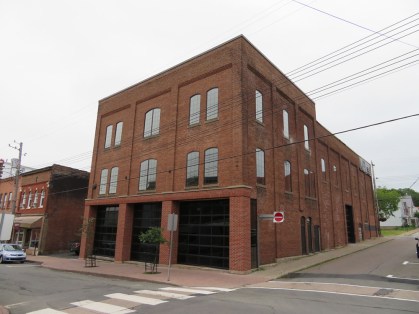 This weekend, we went to New Glasgow. We stopped downtown to look at the renovations to the Roseland Theatre. The building has been restored by James MacGillivray. There are murals by Christian Toth commemorating Viola Desmond. Plus artwork by local citizens, including Heather’s sister – Sandra Stewart.
I was impressed by the number of new business developments in the downtown core.
We had the opportunity to walk in the waters of the Northumberland Strait at Melmerby Beach. Stop for Sunday brunch at Pictou Lodge, before driving along the Blue Cycle Route from Pictou to Truro. Then through the Rawdon Hills from Shubenacadie to Windsor, and home.
Last word to Joan Francuz:
“ So what I tell my grandchildren is this: look out for barbarians, build your agricultural surplus, and everything will be all right in the end.” p.155.
I recommend a trip to Endless Shores Books in Bridgetown, and DO pick up a copy of ‘Press Enter to Continue’.
Acknowledgements
Heather for the companionship on our weekend road trip. Edward for his graphics contribution. Joan Francuz for putting the act of writing into such a rich cultural context.
Reference
Joan Francuz, 2018. Press Enter To Continue: Scribes from Babylon to Silicon. 1920 House Press
 It has taken me several weeks to read this well-researched work. There are excellent chapters on his travels in the Amazon, South Africa and Indonesia. His adventures off the Welsh coast in a sea kayak. At the time of writing, Monbiot was living in Central Wales. A major concern was the impact of sheep farming on landscape ecology.
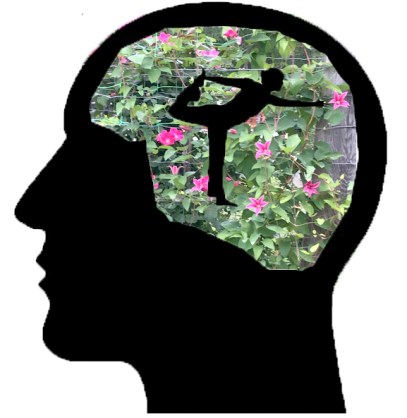 This week, I reconnected with Cathy Bruce-West. She is a personal trainer. Before COVID-19, I had worked with her to strengthen my knees. So we had two sessions ‘en Plein air’ at Andrew’s studio across the road. The local gymnasiums are still planning their re-opening. After too much sitting, the program is designed to open up the body, through a series of stretches and strengthening exercises.
 Heather received an online publication by Alain Belliveau on the
 Friday, we took a quick trip to the South Shore. In Mahone Bay, we stopped for coffee and a cinnamon bun at the LaHave Bakery. We discovered that it is now
  In Lunenburg, we stopped at
  First, Kent Thompson,
 From Danielle Robinson, a copy of her PhD thesis defended at the University of Guelph
 This Saturday, I received their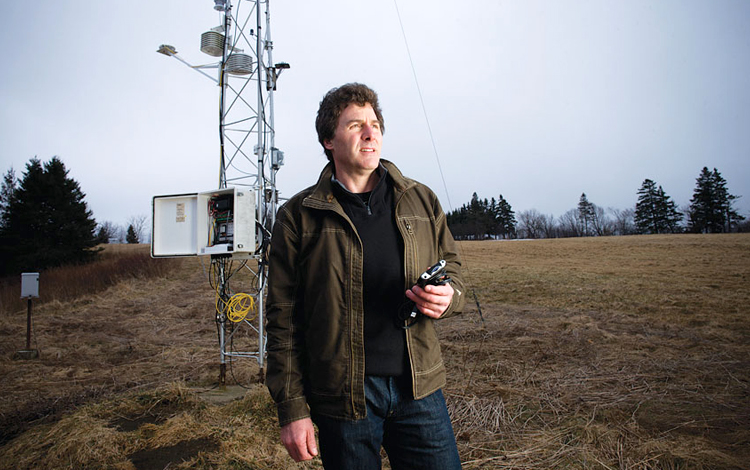
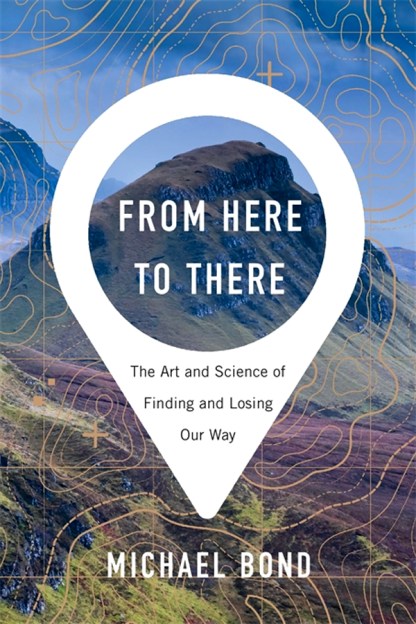 This week, Michael Bond’s book
 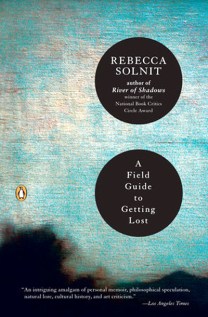 Postscript
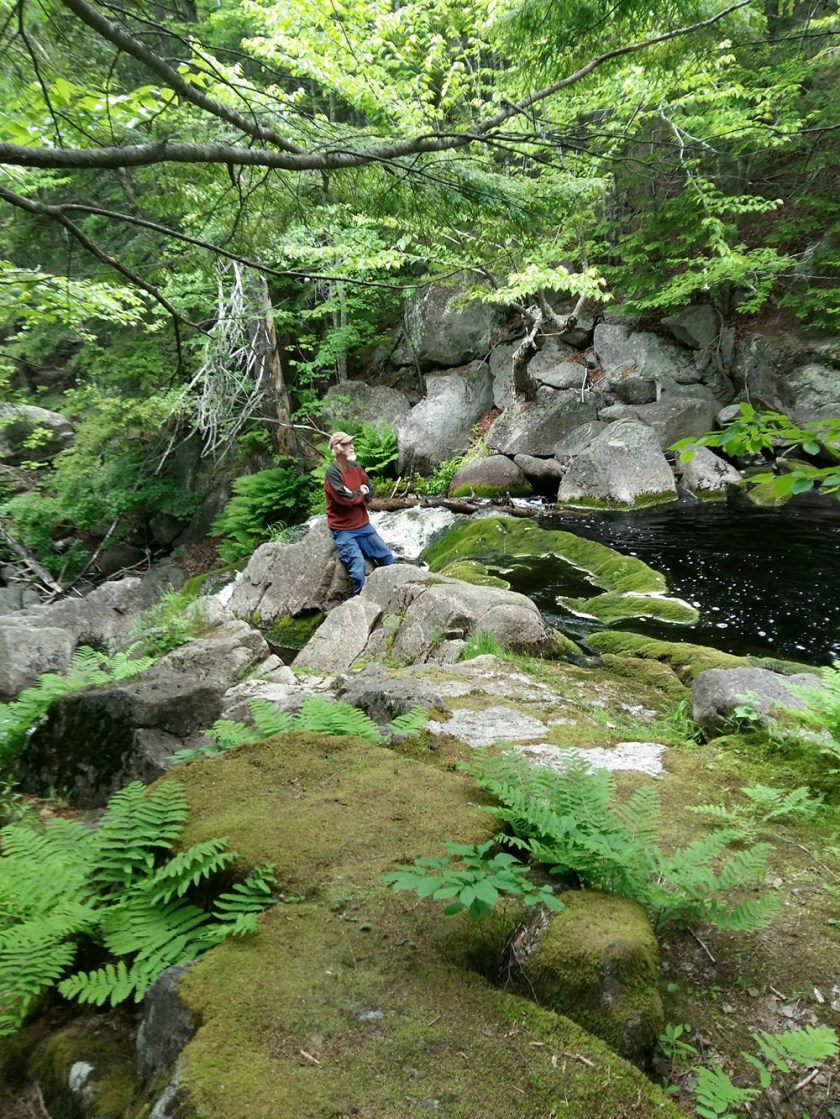 Lalonde’s guide gives directions and descriptions to one hundred waterfalls in the province. We have also hiked into Eel Weir Brook Falls, up behind Lawrencetown on South Mountain.
 In response to my
  This year’s exhibit,
 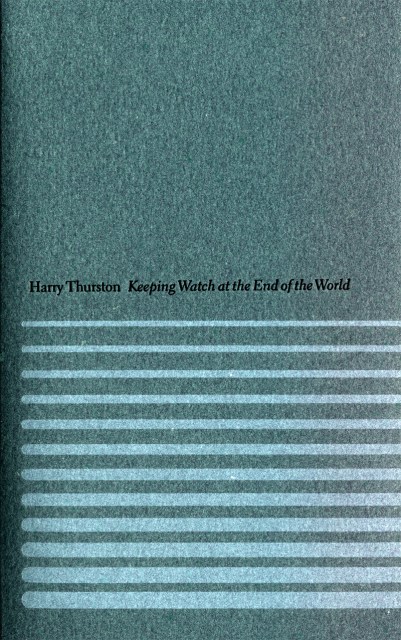 He has a poem ‘Geography: on first discovering Elizabeth Bishop in a Used Bookstore in Manhattan’. Dedicated to Sandra Barry. It starts:


 Arthur Ransome was a war correspondent in Russia who gave up journalism in 1929. Between 1930-1945 he wrote the
  I had noticed the Elizabeth Bishop letters on the shelf during the previous visit. Fortunately, it was still there.
