Posted in biographical sketch

Chance Encounters

I received a phone call from Pam Ellis at the Bridgetown library. Last time I was there, I noticed a commemorative shelf of Ernest Buckler books and medals. The librarian encouraged me to request Gregory Cook’s (ed.) Ernest Buckler: Critical Views on Canadian Writers, published in 1972 through inter-library loan. It arrived this week.
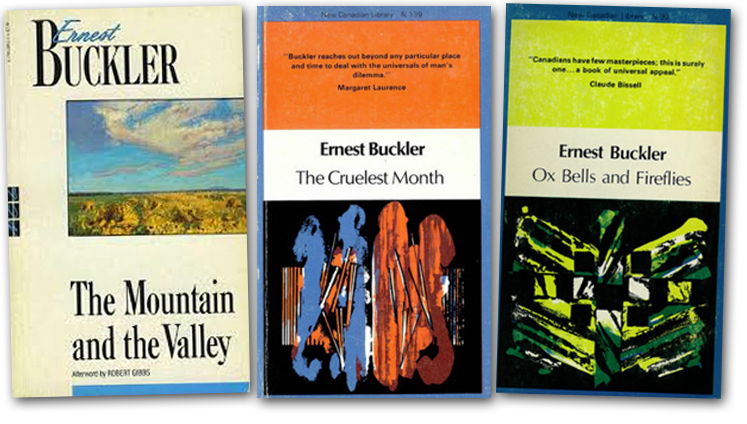
The collection of criticism addresses all three of Buckler’s books: The Mountain and the Valley (1952), The Cruelest Month (1963) and Ox Bells and Fireflies (1968).

The copy on the shelf was donated by John Montgomerie, dated 1975. John is also a member of EBLES (Ernest Buckler Literary Event Society). Only after reading Cook’s book did I fully appreciate that Buckler only wrote three books.

After reading Harold Horwood, The Magic Ground, today (Friday) I found myself in Kentville and decided to visit Gaspereau Press on Church Street. Even though the sign said ‘no visitors’ I was welcomed and able to ask about Horwood’s Cycle of the Sun. I purchased #24 of a limited edition of fifty copies. Cycle of the Sun is a five part poem. The five parts are Proem, Fire Festival, Caribou Hunt, Winter Solstice and Return of the Sun. From the prefatory note:

Life was an interlocking series of cycles closely related to the seasons and the migration of game animals (particularly seals, caribou, fish and birds). The cycle of the sun was, of course, paramount to all this, and was seen as the mainspring of the cosmology.

The Inuit, the northern hunters, are those whom the author has been associated both by family and by experience”.
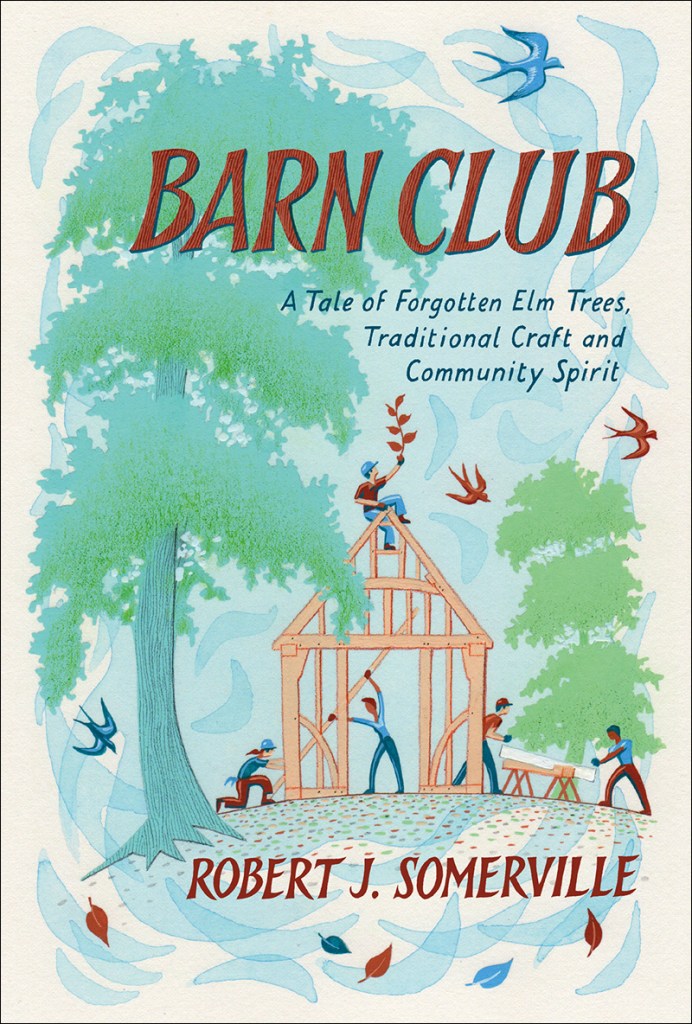
From Chelsea Green Publishing, I received notice of a book by Robert Somerville, Barn Club: a tale of forgotten elm trees, traditional craft and community spirit. The email includes a link to a short YouTube video. The construction of the barn reminded me of the work of Alex Cole at Little Foot Yurts. For several years, Alex has coppiced poles for yurt construction on Andrew’s property, within the context of hands-on workshops.

This serves to illustrate common values, plus illustrate alternative use relationships to the Acadian forest landscape.

Afterthought.

Peter, my brother, sent me this audio link from the BBC. Hope you enjoy it, as much as I did.
Sacred Cows and Sushi Rolls

Postscript

Congratulations to Lunn’s Mill beer company on their fourth birthday. It’s good to support local.

Acknowledgements

Pam Ellis at Bridgetown library. Unknown staffer at Gaspereau Press. Peter for the BBC4 point of view. Edward for his artistry. Heather travelled with me to Kentville.

References

Gregory Cook (Ed.), 1972, Ernest Buckler: Critical Views of Canadian Writers, McGraw Hill.

Harold Horwood, 2003, Cycle of the Sun, Gaspereau Press.

Robert Somerville, 2021, Barn Club: a tale of forgotten elm trees, traditional craft and community spirit, Chelsea Green Publishing.
Posted in biographical sketch, Video Review

The Food Chain

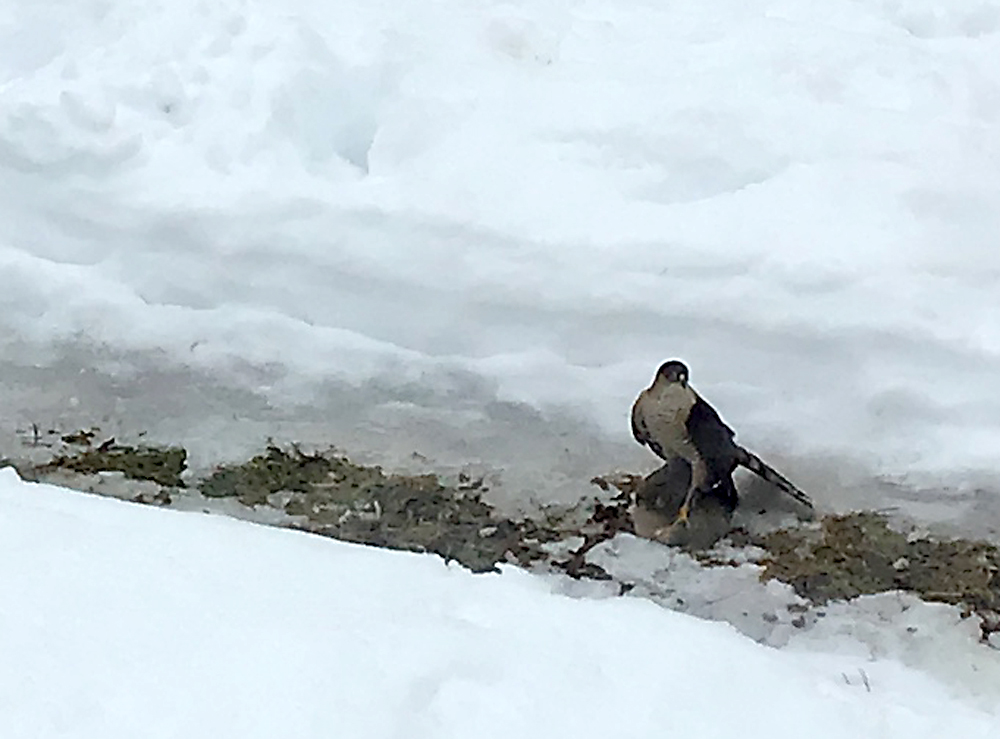
Heather has been feeding the birds all Winter. The main customers are chickadees, mourning doves, blue jays and red polls, and an assortment of woodpeckers — plus the squirrel family. Tuesday, looking out the living room window, I saw a bird flash by. It was a sharp-shinned hawk, in the process of preying on a mourning dove. Clearly, we are feeding others in the food chain.

On Edward’s recommendation, we started to watch the series: Canada: the story of us on CBC Gem. There are ten episodes, each of forty five minutes, covering the main events in the history of the country. Initially, we were stunned by the combination of beautiful landscapes, with commentaries by well-known Canadian personalities. It was a great way to fill snowy evenings. We are on episode six; it covers the First World War. The format is beginning to seem repetitious, however, I am sure we will finish the series.

In return, I would suggest Mango Dreams on Netflix. This is the story of an Indian doctor, reliving his childhood memories. Again, it offers insight into the political reality of the Indian sub-continent.

Acknowledgements.

Edward for his movie recommendation. Checking Google, it seems there are similar series for both the United States and Australia. Of course, I imagine that not everyone in Atlantic Canada will have the same list of historical events. Heather shared the movie watching.

References

Canada: the story of us on Gem (2017).
Mango Dreams on Netflix (2016)

Posted in biographical sketch

Thunder and Ocean

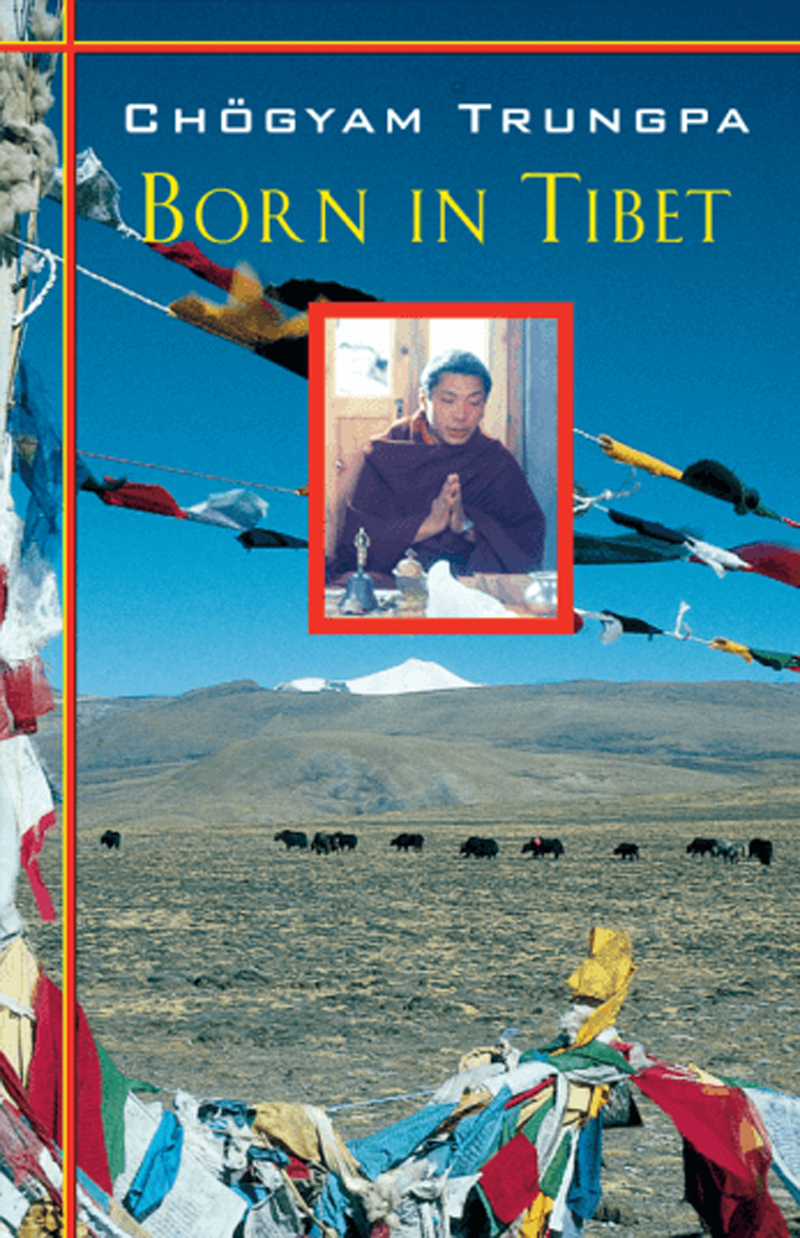
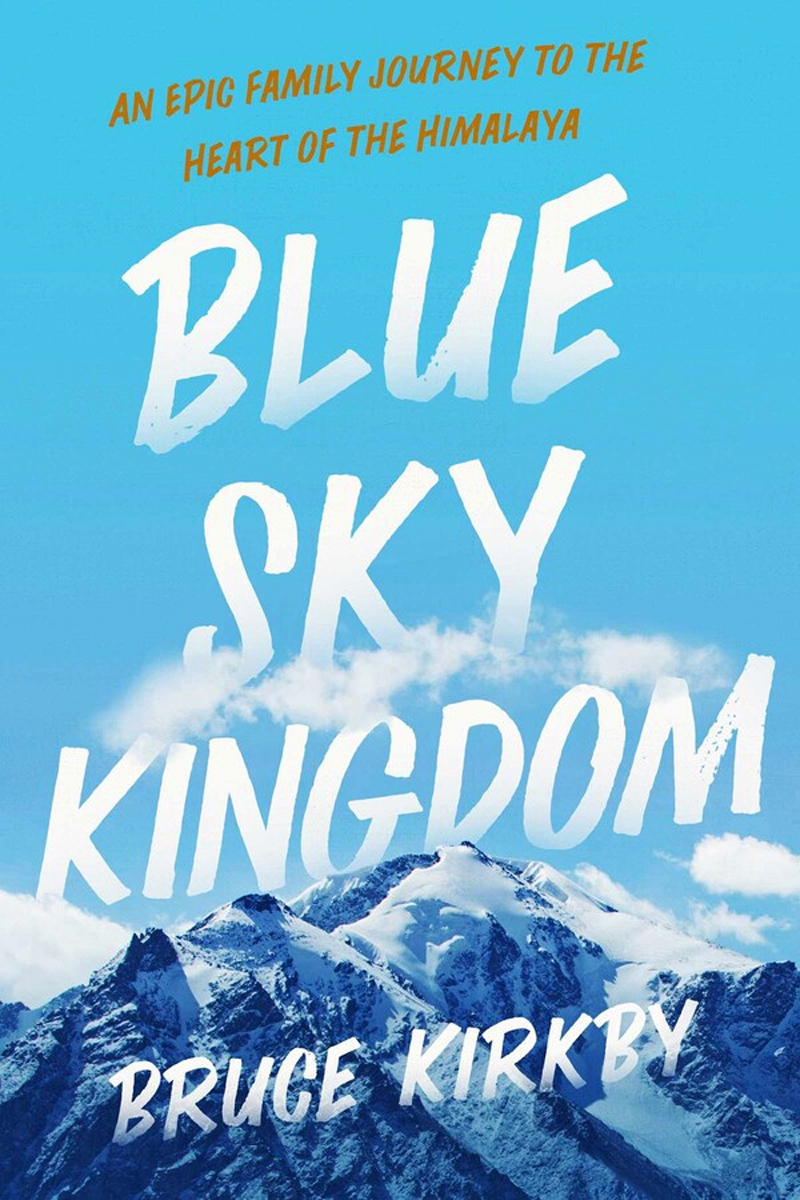
This week, I was listening to Shelagh Rogers on CBC, The Next Chapter. She was interviewing Bruce Kirkby about his book, Blue Sky Kingdom. This coincided with a stop at the Odd Book store. Heather found a copy of Chogyam Trungpa, Born in Tibet.

In the Blue Sky Kingdon, Kirkby and his family spend time at a Buddhist monastery in Tibet. Trungpa describes their daring escape from Tibet into India, fleeing the Chinese communists.

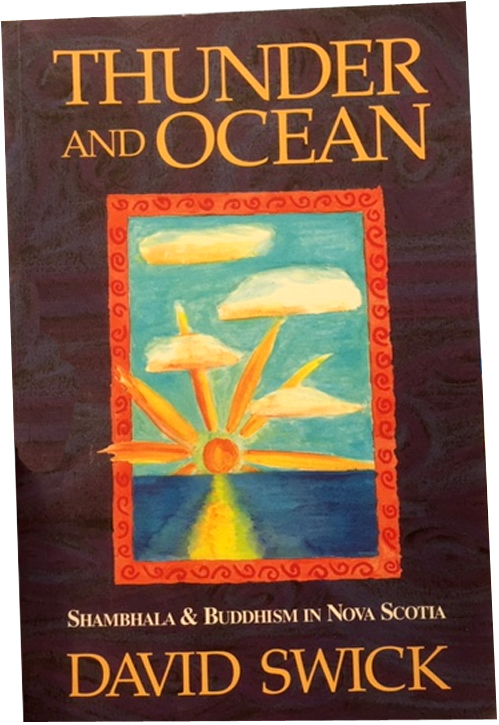
Back home, I pulled off the shelf, David Swick’s book Thunder and Ocean: Shambhala and Buddhism in Nova Scotia. I had read it several years ago. From the backcover,

Thunder and Ocean is the story of an historic union: one old Canadian province and two ancient spiritual traditions”.

Besides asking Jaki Fraser at the Lawrencetown library to request the Bruce Kirkby book, I had the following questions:
Is it possible to separate the religious beliefs from the landscape?
Like Kirkby, do we need to see how these beliefs are practiced in Tibet today?
What is it about the Nova Scotia landscape that attracted Trungpa and his followers?

Certainly, I remember well the trip that Heather and I made to Gampo Abbey at Pleasant Bay, Cape Breton.

Gampo Abbey, Cape Breton, Nova Scotia

Wednesday was a cross-country ski day. Rick and Kathy invited us to their property on the Perotte Road. South Mountain gave us deep powder snow after Monday’s storm. En route, we stopped at the old Post Office for treats, and take out coffee at Lola’s Café, before turning onto the West Dalhousie Road at Lequille.

Postscript

Thinking about Annapolis County. Reading the works of Steve Skafte on Abandoned Roads of Nova Scotia, leads to questions about the history of our landscape. Is that part of the attraction?

Acknowledgements

Thanks to Rick for the skiing invitation. Kathy, Angela and Jan for the lunch snacks. Edward provided graphics support; Heather for her Shambhala library.

References

Bruce Kirkby, 2020, Blue Sky Kingdom, Simon and Schuster.

David Swick, 1996, Thunder and Ocean: Shambhala and Buddhism in Nova Scotia, Pottersfield Press.

Chogyam Trungpa, 1966, Born in Tibet, Shambhala Publications.

Posted in biographical sketch, Video Review

Different place, different time

This week, we had to drive from New Glasgow to Antigonish. It was surprising to see the twinning of Highway #104. As part of the construction, this leads to significant removal of forest cover.

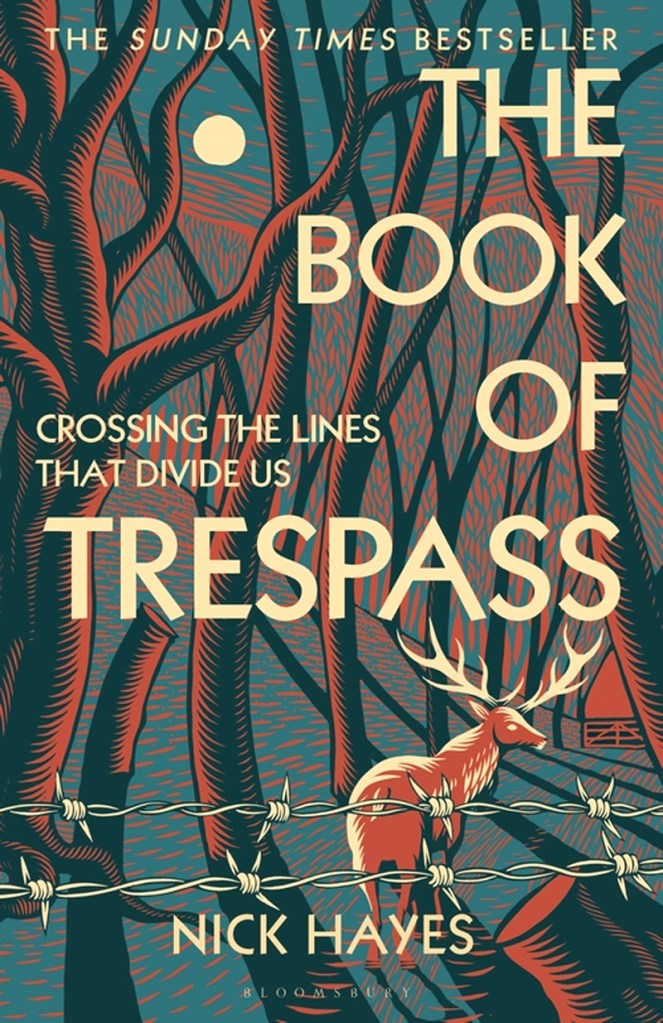
From England, I received the PLANTED newsletter, including an interview by Sam Peters with Nick Hayes on his book, The Book of Trespass. Hayes describes the lack of access to the English landscape, and makes comparisons to Scotland and Scandinavian countries. This also contrasts with the situation in Canada, and Nova Scotia in particular. Here, we have protesters in the courts for challenging the clearcutting of crown land in Digby County.

It seems such a long time ago. In 1964, after a summer working in Labrador, I returned to Montreal where I bought a Greyhound bus pass, $99 for 99 days of unlimited travel. This allowed me to travel down to Mexico, across to the west coast, California, before heading North to Victoria, BC. I caught the airplane home to England from Montreal. Later, I recall discussing the trip with a school friend, Roy Peters. He made a similar trip the following year. His son, Sam Peters is the Principal at PLANTED.

I also recall the days of hitch-hiking in the United Kingdom. We would take off on long weekends to go caving (spelunking). From the University of Birmingham, this included the Peak district, Derbyshire, the Mendips in the Southwest, and also Lisdoonvarna, on the west coast of Ireland. It’s hard to imagine this freedom, especially now in these COVID-19 days.


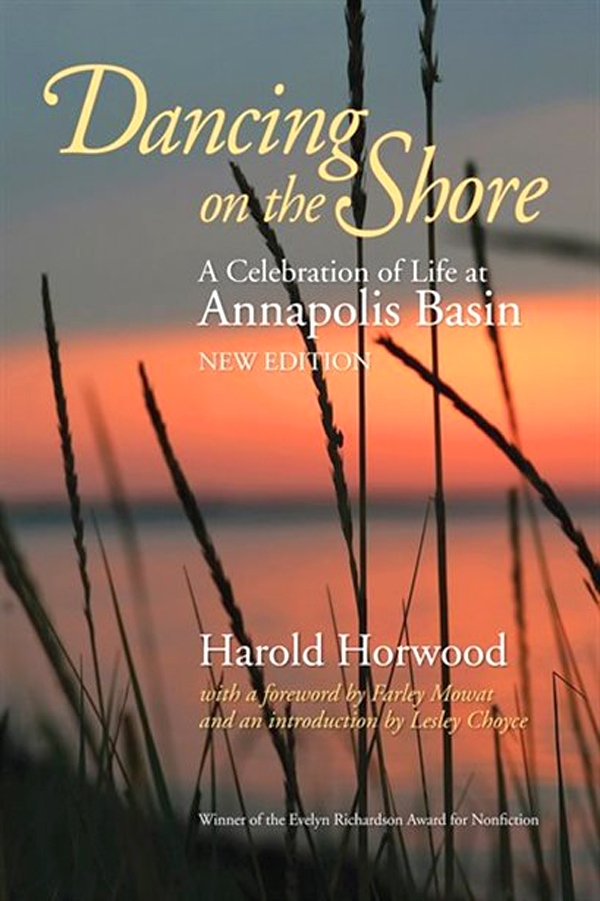
While in New Glasgow this week, I finished reading Harold Horwood’s Dancing on the Shore. It represents excellence in Canadian nature writing.

”The tides sweep over the clam flats in a great flood twice daily. The migrants sweep through the sky in great flocks twice a year. These vast rhythms, so visible in such a small space, seem very like the heartbeat and the breathing of a living planet.”

Postscript

Bloom where you are planted

— Raymond Hunter, an early organic farmer in the Annapolis Valley, cited on the Ironworks Hunter Brandy bottle.

Acknowledgements

Thanks to Roy Peters and Andrew Ronay for the connection to the Planted newsletter. Heather shared the drive to Antigonish. Edward for his graphics.

References

PLANTED unearthed. Series 2, Episode I interview by Sam Peters with Nick Hayes. YouTube video.

Nick Hayes, 2020, The Book of Trespass: crossing the lines that divide us, Bloomsbury Publishing.

Harold Horwood, 2010, Dancing on the Shore: A Celebration of Life at Annapolis Basin, Pottersfield Press

Posted in biographical sketch

Ikigai: a reason for being

This week, I listened to a Zoom presentation on Redefining Retirement by Joel Stoddart, Acadia Entrepreneurship Centre.

It was an overview of a set of three hour workshops to be offered in February. Afterwards I decided that I could pursue my retirement activities without the Zoom workshops. But I did learn about the Japanese concept of Ikigai, that means ‘ reason for being’.

Meanwhile, I dropped off a thumb drive to Integrity Printing in Bridgetown. It contains the text of my blogs for 2020. In total, one hundred and five. Some of which were contributed by Edward Wedler.

I wanted to ensure that all was not lost, if for some reason, we suffered an electronic meltdown. The year, 2020 constituted Volume 5. Volume 1 contains blogs for Go-Geomatics before 2017; Volume 2, 2017, Volume 3, 2018, and Volume 4, 2019.

Over a week ago, I was in the Odd Book store in Wolfville. When there, I often look for publications by Gaspereau Press. In the past, I have picked up the writing of Peter Sanger, Harry Thurston and Soren Bondrup-Nielsen. This time, no luck. Perhaps I was looking in the wrong part of the store.

Next time I am in Kentville, I should go to the source: 47, Church Avenue. Meanwhile from their online catalogue, I noted the following:

Harry Thurston 2020, Lost River: the Waters of Remembrance. A Memoir.
Aldo Leopold, 2020, Wherefore Wildlife Ecology? An Essay.
Wendell Berry, 2020, Notes: Unspecializing Poetry. An Essay.

This week saw the return of the Bridgetown Reader after their Christmas break. It includes updates on the relationship between the municipality and Gordonstoun, as well as a report on the Public Health Care Clinic in Middleton.

Health care in rural Nova Scotia remains a topic worthy of comment. For example, see Ralph Surette’s column in the weekend Chronicle Herald. ‘COVID crisis papers over Health bureaucracy fiasco“.

In conclusion, he quotes MacKenzie King in 1927:

‘Where there is little or no public opinion, there is likely to be bad government, which sooner or later becomes autocratic government’
‘Sounds like us’ !

(my exclamation mark) Right on, Ralph.

References

Ralph Surette, Chronicle Herald. January 23, 2021.

Postscript

Check out the latest from Emergence Magazine
Counter Mapping. Emergence Magazine. January 24, 2021.

Image taken by Andrew this weekend, up north.

Acknowledgements

Edward Wedler for his support and collaboration in this adventure. Heather for sharing the journey.

Posted in biographical sketch

Deadly Things

With the bird feeder in the backyard we attract flocks of mourning doves. Last week, we found feathers and blood on the snow. Obviously, the predators find opportunity too.

This morning (Thursday) we watched, online, the funeral service for my sister, Maureen. She passed away on December 12th. from complications associated with COVID in the UK. She had been in a long-term care facility in Sandhurst, Berkshire. The technology performed flawlessly.

(This photo of Maureen was taken when she was in her youth. See Postcard to Maureen.)

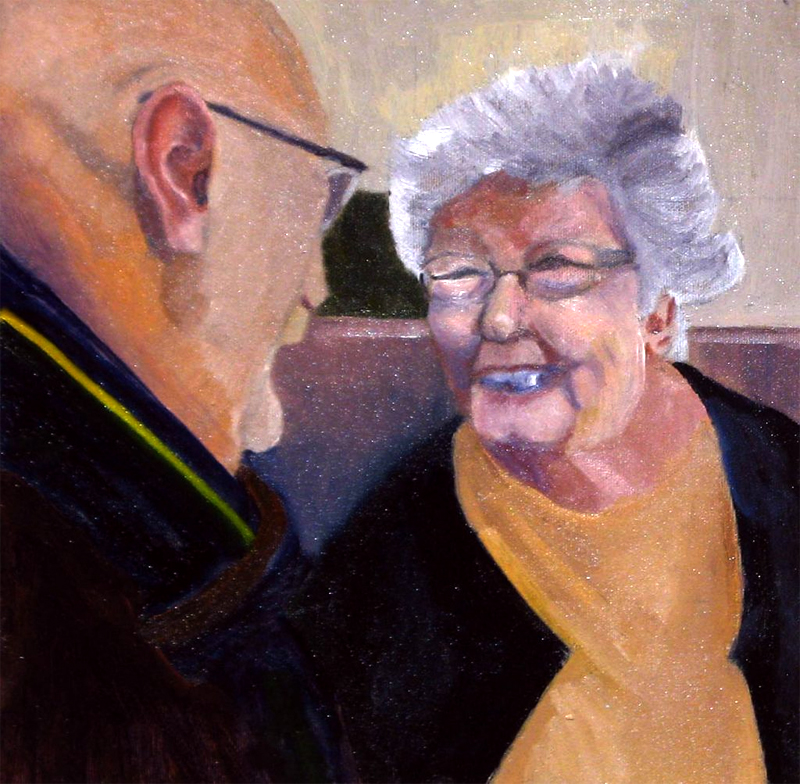
Recent image of Maureen, as painted by my artistic brother Peter Maher

Meanwhile, south of the border, we have insurrection, generated by Donald Trump. What difficult times.

Acknowledgements

Thank you to the care givers at Arch House. Heather and family for sharing these moments. Edward for his support.

Posted in biographical sketch

Seeds of Hope

As we approach the end of 2020, it seems appropriate to look for hopeful signs on the horizon for 2021. Two of the signs were forwarded by Anne Crossman.

  1. Announcement from the Nova Scotia Forestry Innovation Transition Trust.
  2. Hiring of the Founding Principal for Gordonstoun Nova Scotia School

The third sign comes from the quarterly newsletter of Bras d’Or Lake Biosphere Reserve.

LINK to Bras d’Or Lake Biosphere Reserve website: https://blbra.ca/

The Nova Scotia Forestry Innovation Trust of $50m was announced in February 2020. The NSCC will receive funding for a potentially multi-year project of up to $2m. The Forestry Innovation Voucher program will enable established businesses, new startups, non-profit community groups and Mi’kmaq partners to leverage the college’s infrastructure.

In 2021, we look forward to an official announcement of a Gordonstoun Nova Scotia founding Principal and any opportunity to connect the school’s interests with those at COGS/AGRG.

The Bras d’Or Lake BR newsletter includes a number of articles related to activities in Cape Breton. Specifically, there is information on climate change. Given the challenges in the Southwest Nova BR, this newsletter suggests a path forward.

At COGS/AGRG they have had an established climate network. A newsletter would allow sharing of this information with the local community. The same is also true of sea level rise, species at risk and the status of invasive species.

Rather than complain about the conflict between forestry practices and other values, let’s make sure that all members of the community have the best available information.

These seeds of hope suggest that we can better connect our educational institutions with the community at large, as well as the global community. We can collectively prepare ourselves for changes in our geography: economic, social and physical geography. The values of UNESCO-MAB will stand us in good stead.

Postscript

In New Glasgow, I have had the chance to re-read Dave Whitman’s book on Stephen McNeil. It offers useful insight into the politics of the Annapolis Valley. At the same time, it illustrates why we need to maintain a global perspective.

A video interview with Richard G. Thorne, Pro Tem Principal for Gordonstoun Nova Scotia, gives some insight to the Gordonstoun School background and mindset.

Acknowledgements

Anne Crossman for searching of the web. Edward and Heather for their support.

References

Dave and Paulette Whitman, 2014, Premier Stephen McNeil: a Story of a Nova Scotian Family, Bailey Chase Books

Posted in biographical sketch, Nature

Amaryllis

In the Bridgetown Reader, I noticed an advertisement for MareGold bookstore. However, I had never visited. This time, I checked the web site MareGold.com and discovered both a retreat centre at Victoria Beach, as well as an excellent online bookstore.

This week, I received two books for Christmas from Amazon. Thank you, Patrick. I will savour them in the days ahead.

Zena Hitz 2020, Lost in Thought: the Hidden Pleasures of an Intellectual Life, Princeton University Press.

Lars Mytting, 2015, Norwegian Wood: Chopping, stacking and drying wood the Scandinavian Way, Abrams Image, NY.

On our trip to Kentville, I had time to stop at Shelf Life where I found a copy of Eric Enno Tamm’s Beyond the Outer Shores: the untold story of Ed Ricketts, the pioneering ecologist who inspired John Steinbeck and Joseph Campbell. This is the rediscovery of a book that I reviewed when in Haida Gwaii.

At Chisholm’s, I purchased Donald Savoie’s Thanks for the Business: KC Irving, Arthur Irving and the Story of Irving Oil. This was triggered by my interest in the logging of Southwest Nova by the Irving Woodlands group.

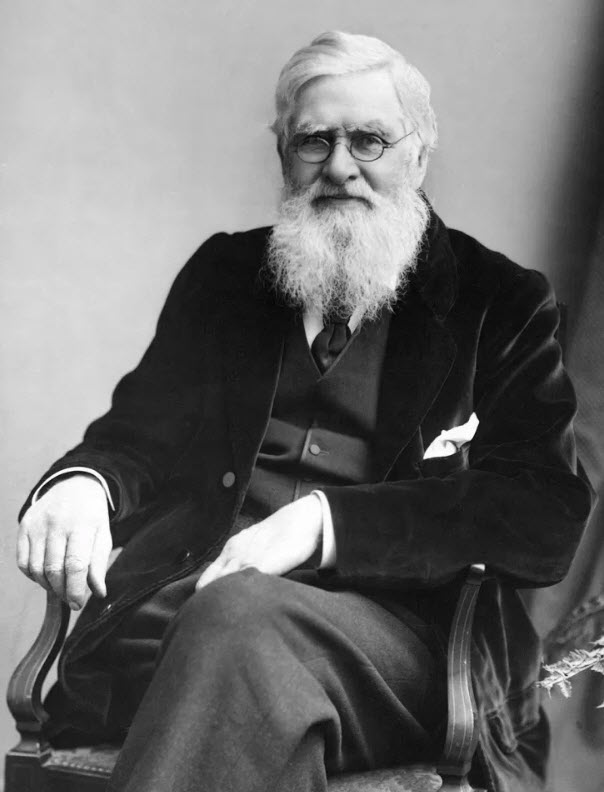
Alfred Russell Wallace (circa 1895)

Today (Sunday) Brain Pickings included two noteworthy pieces. From Robinson Jeffers :

“But I would have each person realize that his contribution is not important, it’s success not really a matter for exultation nor its failure for mourning; the beauty of things is sufficient without him”

From Alfred Russell Wallace:

“The struggle for wealth, and its deplorable results (in the human sphere) have been accompanied by a reckless destruction of the stored-up products of nature, which is even more deplorable because more irretrievable.”

Postscript

In Bridgetown, at the pharmacy, we noticed some Christmas cards on the counter drawn by a local high school student. We had to admire both the artistic talent and the entrepreneurship.

Acknowledgements

Thanks to Patrick, Heather and Edward. They all contributed to the blog,

References

Zena Hitz, 2020, Lost in Thought: the Hidden Pleasures of an Intellectual Life, Princeton University Press.
Lars Mytting, 2015, Norwegian Wood: Chopping, stacking and drying wood the Scandinavian Way, Abrams Image, NY.
Eric Enno Tamm, 2004, Beyond the Outer Shores: the untold story of Ed Ricketts, the pioneering ecologist who inspired John Steinbeck and Joseph Campbell, Raincoast Books.
Donald Savoie, 2020, Thanks for the Business: K.C. Irving, Arthur Irving, and the Story of Irving Oil, Nimbus Publishing.

Posted in biographical sketch

AGRG at 20

This week, the Applied Geomatics Research Group (AGRG) in Middleton celebrated their twentieth anniversary. It was the first Applied Research unit at the Nova Scotia Community College (NSCC).

In 2011, Chris Hopkinson, Jeff Wentzell and I left the group. Chris went to Alberta and established his own research team. Jeff joined the Nova Scotia Department of Agriculture. I retired and then travelled with Heather on a variety of her Parks Canada assignments, to Baffin Island, Haida Gwaii, Churchill and Sable Island. More recently, I have been writing my blog.

As a follow up to the previous blog on Community Mapping, I contacted Brent Hall at ESRI Canada. I was interested in the potential to act a Geography mentor to my grandchildren. They are scattered from British Columbia, Ontario and Nunavut. I was curious if there was a program for children under ten years old. To my surprise, I discovered the GIS Ambassador Program which I will investigate further in the months ahead.

Click HERE for ESRI Ambassador Program

Further to the discussion on clearcutting and spraying on crown land, I can also report that Doug Hickman has offered a very clear response to SNBRA, UNESCO and the provincial government.

“The issues we highlighted are the types of forestry that are being practised and the location on crown lands where they are being practised (in this case within the UNESCO-designated Southwest Nova Biosphere Reserve).”

The engagement of the next generation in mapping our changing communities and the specifics of land use change are both worthy topics for applied Geomatics research. They would showcase the effective use of this technology in Nova Scotia and beyond.

Postscript

At the Great Expectations cafe in Annapolis Royal I found Harold Horwood’s memoir ‘Among the Lions’. Horwood lived for a number of years at Upper Clements, Annapolis County.

“Moreover, I discovered that I had invented a structure: my essays would begin with some local incident or observation, such as paddling a canoe on the Basin, working among bees and clover, examining a pond through glass-clear ice in winter. But following that, they would move from the local to the general, and from the general to the theoretical,” p.224.

Finally, I received Emergence Magazine. It contains an interesting video, Upstream, by Robert MacFarlane entitled Upstream. It follows a river in the Cairngorms to its source.

Acknowledgements

To Rocky and Debby Hebb. Support from Heather and Edward.

Reference.

Harold Horwood, 2000, Among the Lions: a lamb in the literary jungle, Killick Press.

Posted in biographical sketch, Video Review

Striking Balance

Last Sunday, we saw two very different views of the Southwest Nova Biosphere Reserve.

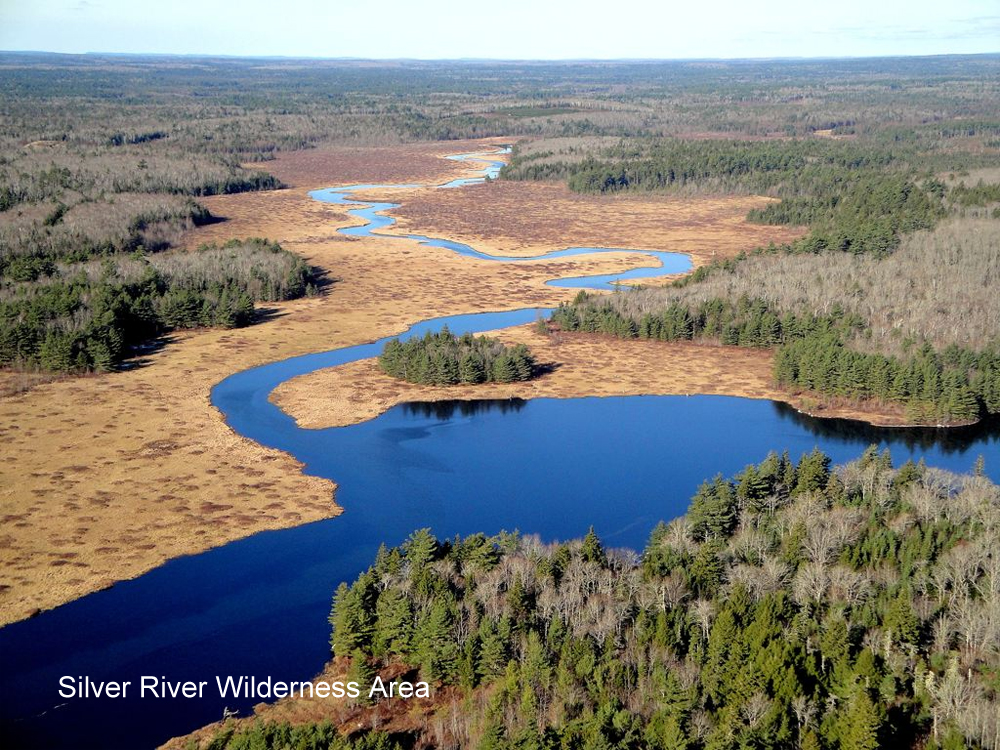
Around noon, we joined the protest by Extinction Rebellion (XR) at their encampment near the Silver River Wilderness Area.

Along with fifty or so other citizens, we formed a human chain along the forest boundary. We were protesting the impact of forest harvesting on the mainland moose habitat. The area is designated crown land and forms part of the buffer zone between the core protected area, Kejimkujik National Park and the Tobeatic Wilderness Area, and the working landscape. The Biosphere Reserve covers five counties in Southwest Nova Scotia. The mainland moose is designated as a species at risk.

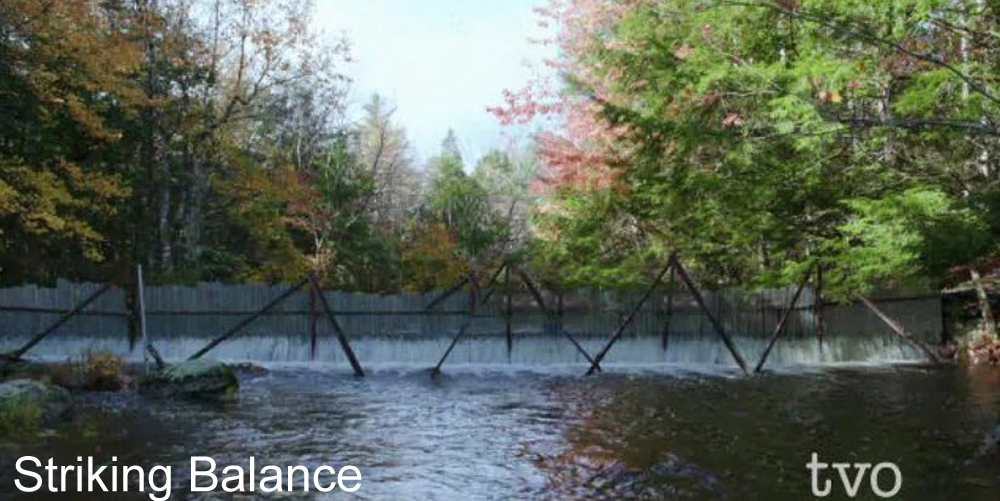
In the evening on TVO, they aired the documentary Striking Balance.

Season 2, Episode 9 presented the Southwest Nova Biosphere Reserve. This one hour program showed numerous examples of invasive species (e.g. green crab, pickerel, woolly hemlock adelgid) in the region and the efforts, particularly by Parks Canada to control their spread. Other segments looked at sea level rise and coastal communities, lichens and acid rain, plus the development of an interactive digital atlas.

What was missing, was any reference to the forestry practices and their impact on wildlife habitat. In particular, the impact of clearcutting and spraying in the buffer zone. The buffer is made up of both crown land and private land ownership.

As we drove home from Digby County to Paradise (Annapolis County) we listened to the radio. There were interviews with the three candidates for leadership of the provincial Liberal party. They all made reference to the Lahey report and its implementation in 2021. As well, there was talk about revisiting the definition of ‘crown lands’. We must wait to see whether our government can find a better balance between ecological, cultural and economic sustainability.

Meanwhile, XR will continue to occupy their encampment. We are hoping for reform within the Nova Scotia Department of Lands and Forestry — a renewed respect for the forested landscape and the habitat of species at risk — by implementing the Lahey report recommendations, redefining of crown lands, and thus reducing the need for clearcutting and spraying.

Acknowledgements

Heather Stewart, Doug Hickman, Nina Newington and many others who support this worthy cause. Edward Wedler for his graphics contribution.

Reference

Striking Balance, tvo.org Season 2 Episode 8 Southwest Nova Biosphere Reserve.

Footnote

Forest protectors from 30Nov2020 Encampment Update Note. Credit: Laura Bright.

MEDIA UPDATES
Latest coverageChronicle Herald – McNeil Turns Blind Eye to Endangered MooseNS Forest Notes – Follow the new logging roadsNS Forest Notes – Shanni Bee to Iain Rankin
Social MediaBlockade to Stop Clear-Cutting – Facebook Event pageStand up for Moose Country Rally – Facebook Event pagePhone Blitz – loggers have arrived – Facebook Event page
ACTIONS OF SUPPORT
Calling WestFor & GovernmentShow support for the blockade by calling the company in charge of the logging and the government.  
WestFor main line: 9020-530-2362Marcus Zwicker (General Manager) 902-210-7073 communications@westfor.org
See below for Derek Mombourquette’s contact information.  
Letter WritingSend a letter to the Minister of Lands and Forests and others to note your support for the blockade and request an immediate moratorium on all proposed and current logging on Crown lands from Fourth Lake south to the Napier River in Digby County.  The opinion piece by Bob Bancroft from the Chronicle Herald) Clearcuts squeeze out beleaguered mainland moose is a great resource you can use to help with crafting your letters.  Contact Info: Minister of Lands and Forests – Derek Mombourquette – Mindnr@novascotia.ca Halifax Main Office: (902) 424-5935Sydney Office: 902-562-8870Premier – Stephen McNeil – Premier@novascotia.ca  (902) 424-6600Minister of Environment – Gordon Wilson –  Minister.Environment@novascotia.ca (902) 424-3600Your MLA: https://enstools.electionsnovascotia.ca/edinfo2012/and contact info here: https://nslegislature.ca/members/profilesLeader of the Opposition – Tim Houston: pictoueastamanda@gmail.com (902) 424-2731Auditor General –  Terry.Spicer@novascotia.ca (902) 424-5907