Posted in biographical sketch

Country Mouse / City Mouse

This year for the festive season we visited family in Ontario. After flying into Billy Bishop City airport we ended up taking the GO train to Oshawa, and eventually north of Peterborough to the cottage country of the Kawartha Lakes. It was time to find our previous family homes from the 1990s in Peterborough and to remember canoe trips, North of the city.
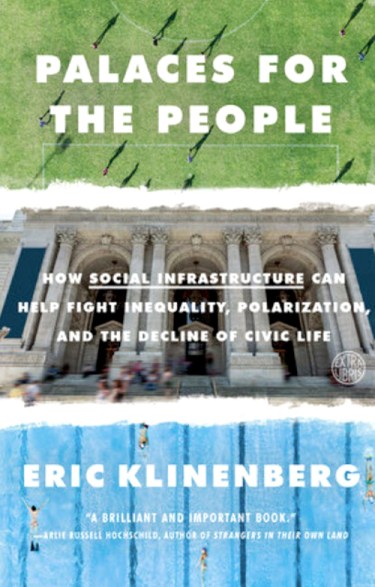
bookCover_palacesForThePeopleThe second week, we came back down to Scarborough and Toronto. This meant purchasing a Presto card and negotiating the links between the streetcars and the subway system. It is over fifty years since I had been immersed in this urban geography: walking down Yonge Street, visiting the Eaton Centre, window shopping at the Hudson Bay company, staying at the Chelsea Hotel.

On Sunday, we walked around the Don Valley Brick Works Park and visited the Future Cities Centre. Found a couple of interesting books on urban living. Eric Klinenberg, Palaces for the People. How social infrastructure can help fight inequality, polarization and the decline of city life. I liked this quotation.

“Social infrastructure provides the setting and context for social participation, and the library is among the most critical form of social infrastructure that we have”. p.32
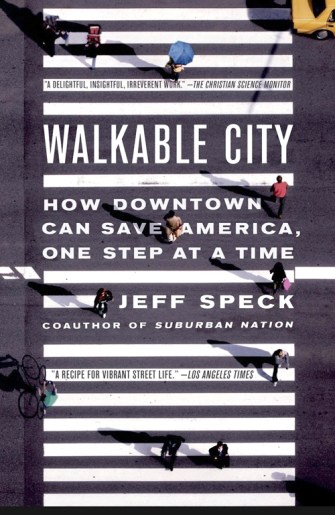
bookCover_walkableCitySecond, Jeff Speck‘s book Walkable City. How downtown can save America, one step at a time. He has ten steps from ‘putting cars in their place’ to ‘plant trees’. Later in the week, we dropped into BMV, a second-hand bookstore and I found Zipp and Storring (Ed) Vital Little Plans: The Short Works of Jane Jacobs.

Within Greater Toronto, there are several YMCAs. This gave me a chance to address an old knee injury. So we went to an AquaFit class with my brother. Now, on my return to the Annapolis Valley, I must see what is available at the Fundy YMCA in Cornwallis Park.

For our last night in Toronto, we stayed at the Strathcona Hotel, which is near Billy Bishop airport.bookCover_ageingInEverydayLife There, I found a collection of essays, edited by Stephen Katz. He was Professor, Sociology at the Trent Centre for Aging and Society. The book is Ageing in Everyday Life: Materialities and Embodiments.

“The authors of this book have backgrounds in social gerontology, geography, feminism, the humanities, social work, sociology, health and dementia studies which gives this diverse and interdisciplinary group critical access to the immediate world in which we live, the bodies we know and touch, and both the real and fantastic realms of existence with which we engage.” P.10

The country mouse has returned to the country. There is a significant stack of books to read, while the snow blows across the fields. The dogs will need to be walked. The orchard pruned. Visits to the nearest swimming pool. New technology to be mastered – common in the city, less so in the country.

Acknowledgements

Thanks to our extended family and friends for helping with our transition to city living. Patrick, Emily and family in Peterborough. Peter, my brother for the AquaFit experience. Carole, Jason and family, Julia and family for their generous hospitality in Toronto. Heather for her company and support. Edward for his contribution.

References

Eric Klinenberg.2018. Palaces for the People. Broadway Books.
Jeff Speck.2012. Walkable City. North Point Press.
Samuel Zipp and Nathan Storring. (Ed) 2016. Vital Little Plans: The Short Works of Jane Jacobs. Random House.
Stephen Katz (Ed) 2018. Ageing in Everyday Life. Policy Press.

Postscript

There are some take-home messages. The city mouse walks much more than the country mouse. There is much greater access to diverse facilities in the city: YMCA, theatres, libraries, universities, shopping centres, restored industrial space.
Posted in biographical sketch

An English Weekend

We went to New Glasgow for the weekend. After a beautiful drive through the Rawdon Hills we arrived in time for supper at the East Side Family Restaurant; followed by a movie at the Cineplex. We watched The Good Liar starring Helen Mirren and Ian McKellen.

It was fun to go to the cinema. In Paradise, the nearest movie theatre is a one hour drive to New Minas.

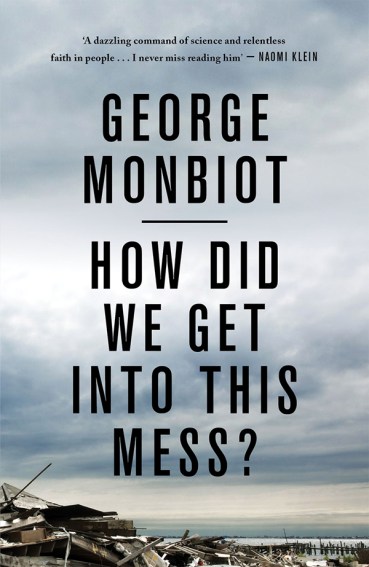
bookCover_thisMessSaturday morning we walked across town to the Farmers Market. Afterwards, we stopped at the New Glasgow Library. It has a much larger selection of books than in Lawrencetown, and I was able to sign out George Monbiot’s collection of short essays: How did we get into this mess? These essays, written over the last ten years, provide a detailed criticism of neoliberalism in British society. Given the library network in Nova Scotia, I can return it to my local library.

Later in the day, I received the link to a review of England’s Last Roar. On nationalism and the Election by Pankaj Mistra. It concludes with the following passage:

“England’s post-imperial reckoning feels harsher, largely because it has been postponed for so long, and the memories of power and glory are so ineradicable. In the meantime, the most important elections of our lifetime approach, and, as Orwell warned, ”a generation of the unteachable is hanging upon us like a necklace of corpses.”

banner_GemCBCOn Sunday evening, it was a relief to return home to the Valley. To put one’s feet up, and watch on GEM, a recent Canadian documentary on Margaret Atwood, A Word After a Word After a Word is Power. The documentary is dedicated to her late husband, Graeme Gibson.
Acknowledgements

To Frank Fox for the link to the review by Pankaj Mistra. Another ex-Pat, trying to fathom the forthcoming election in the UK. Heather for her company on our travels. To Edward Wedler for online graphics.

References

The Good Liar. 2019. The movie starring Helen Mirren and Ian McKellen.
George Monbiot. 2017. How did we get in this mess? Politics, Equality, Nature.
Pankaj Mistra. Guardian Books. December 7,2019. Englands Last Roar: On Nationalism and the Election.
Margaret Atwood. GEM Documentary. A Word After a Word After a Word is Power.

Posted in biographical sketch

Imagination

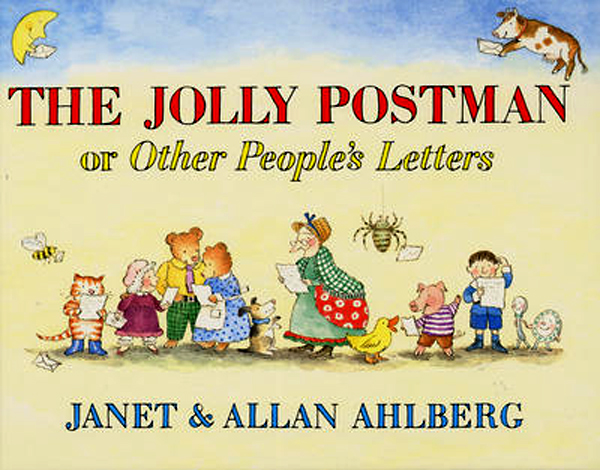
Yesterday, my daughter, Laurel, was looking for a children’s book that she remembered from years ago to read to her boys. Heather checked the attic and found it. Janet and Allan Ahlberg’s The Jolly Postman or Other People’s Letters.bookCover_jollyPostman It is a wonderful example of imagination. It includes envelopes and letters to fairy-tale characters: the three bears, the wicked witch, the giant, Cinderella and Goldilocks. The letters are addressed and include stamps. It was published in 1986.
Later, I went online to see what other books they had written and illustrated since that date. And found The Jolly Christmas Postman.

Today, I pick up my mail from the post office box in Lawrencetown. It contains, bank statements, bills, advertising fliers and the weekly Guardian.

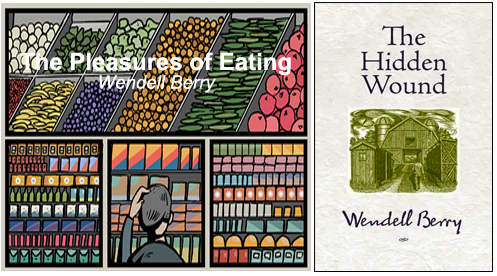
bookCovers_wendellBerryMeanwhile, through e-mail, I received two essays by Wendell Berry. From Emergence magazine, Berry’s 1989 essay The Pleasures of Eating and from Brain Pickings by Maria Popova, The Hidden Wound.

bookCover_reclaimingTheCommonsMy final literary offering, that I pulled off the bookshelf is Heather Menzies’ Reclaiming the Commons for the Common Good. A book that I picked up in 2015. Her memoir and manifesto could be seen as a response to the George Monbiot video (previous blog). The same is true of my emphasis on imagination.

If you have grandchildren or are simply interested in creative writing, check out the books by the Ahlbergs, go online, or visit Woozles bookstore in Halifax.

Acknowledgements

To Laurel for remembering a book from thirty years ago. To Heather, for keeping the family treasures. Edward for making the digital connections.

References

Janet and Allan Ahlberg. 1986. The Jolly Postman or Other People’s Letters. Little, Brown and Co.
Heather Menzies. 2014. Reclaiming the Commons for the Common Good. New Society Publishers.
Brain Pickings by Maria Popova. November 24, 2019: Kahil Gibran on silence, solitude and the courage to know yourself; Wendell Berry on delight as a force of resistance to consumerism and hardship.
Emergence Magazine. Issue #6 Food. The pleasures of Eating and Cooking.

Posted in biographical sketch

Exploring Haida Gwaii

We started our exploration on Moresby Island.map_moresbyIsland To obtain an overview of the changes, we joined Moresby Explorers on a four-day trip. With four other couples, we travelled in a Zodiac to the National Park Reserve, Marine Conservation Area Reserve and Haida Heritage Site. We stayed two nights at the Moresby Explorers float camp in Crescent Inlet and one night at Rose Harbour. En route, we stopped at several Haida sites: Cumshewa, Skedans, Tanu, Windy Bay and Ninstints (SGang Gwaay). At each site, the Watchman described the settlement history. En route, we enjoyed a diversity of sitings of marine life: birds, whales as well as bear, racoon and deer.
After the Moresby adventure, we returned to Queen Charlotte to reconnect with Graham Island. On the drive north, we stopped at the Sitka Studio and bookstore in Tlell; we hiked up Tow Hill, and lunched in Masset. Overall, it seemed timeless; although there was a new co-op store in Skidegate.

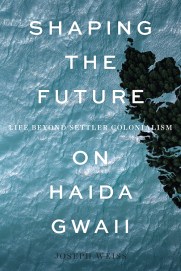
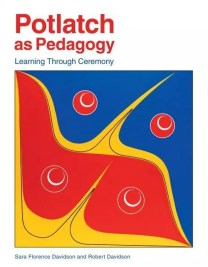
To catch up with changes in the culture and thinking, I did pick up two new books.bookCover_potlachPedagogy At the Sitka Studio, I found ‘Potlatch as Pedagogy: Learning through Ceremony’ by Sara and Robert Davidson. Later in the day, at a gift shop in Old Massett, I found ‘Shaping the Future on Haida Gwaii: Life beyond Settler Colonialism’. by Joseph Weiss.

Just from reading the first chapter, with its description of current life in Old Massett, I can imagine varied reactions. Later at the library in Queen Charlotte, I saw a notice of a community presentation by the author to be held this week in Old Massett.bookCover_ShapingTheFuture

On our last day on Haida Gwaii, we visited the Haida Museum in Skidegate. By now, I had filled my bag with stories (books). However, I happened to notice a book by Maria Tippett ‘Made in British Columbia: Eight ways of Making Culture’. It includes eight essays, one is on George Woodcock (1912-1995), entitled ‘Defining the Canon, the self-made man of letters’. Woodcock immigrated to Canada from England in 1949. In 1966, he received the Governor General’s Literary Award for ‘The Crystal Spirit: a study of George Orwell’. Woodcock knew Orwell in England, before the Second World War.bookCover_madeInBC

‘As he wrote in retrospect, Canadian Literature flourished because of the growing number of new critics, and the growing volume of new books, quantitatively and eventually rich’. p.102.

Tippett in her book on eight BC culture producers, besides George Woodcock, includes essays on Emily Carr, Bill Reid and Arthur Erickson.


Acknowledgements

Ollie at Moresby Explorers was a knowledgeable guide with excellent boating skills. Heather shared the travels down Haida Gwaii memory lane. Edward Wedler added his graphics contribution.

References

Sara Davidson and Robert Davidson. 2018. Potlatch as Pedagogy: Learning through Ceremony. Portage and Main Press.
Joseph Weiss. 2018. Shaping the Future: Life beyond settler colonialism.UBC Press.
Maria Tippett.2015. Made in British Columbia: Eight Ways of Making Culture. Harbour Publishing.

Posted in biographical sketch

BC Book World

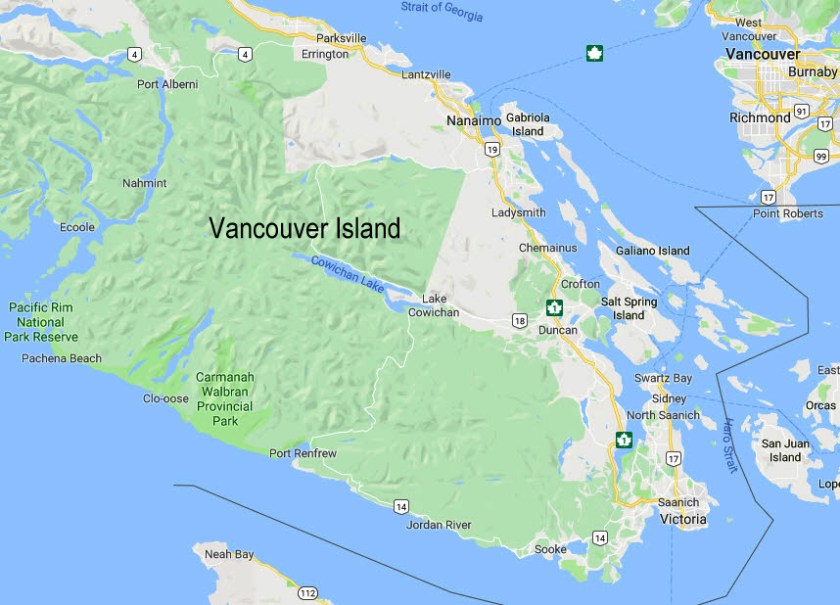
This week, we headed to Vancouver Island.map_southernVancouverIsland Took the ferry from Tsawwassen to Nanaimo. The plan was to spend two nights camping at Parksville and two nights in Victoria. Everything went pretty much according to plan.
Our purpose was to remind ourselves about the joys and limitations of living in BC. We stopped at Duncan, Sooke, Nanaimo and Brentwood. We camped at Rathtrevor Beach Provincial Park in Parksville.

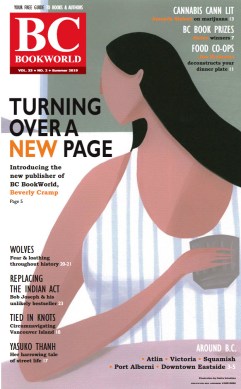
bookCover_BCbookWorldSummer2019On the ferry to Vancouver Island, I checked out BC Bookworld. I noted a review of ‘Love of the Salish Sea Islands: new essays, memoirs and poems by 40 Island Writers, by Mona Fertig (ed) and Gail Sjuberg (see page 24). I also noticed a copy of ‘The Nature of Canada’ edited by Colin Coates and Graeme Wynn. I resisted the temptation of purchase because I knew that there would be a time in Victoria to visit Munro’s bookstore, always a must when in the BC capital.
The splendour of the landscape, the BC outdoor lifestyle removed the desire to put my nose in a book. I can save my purchases for another time, another place.

bookCover_groundwork

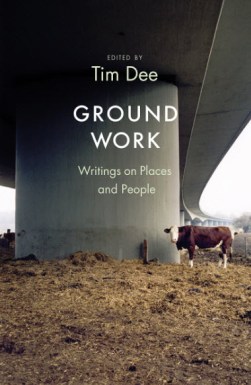
However, at Munro’s, I did find Ground Work: Writings on Places and People, edited by Tim Dee.

“We live in an age where everything is being determined by the activities of just one soft-skinned, warm-blooded, short-lived pedestrian species. How then, should we live in the ruins that we have made? “

“These rich and varied essays bring together voices from diverse backgrounds and geographies.” Guardian.

Back in Walnut Grove, there will be time to savour both the British perspective (Tim Dee) and the Canadian perspective (Coates and Wynn).

“The Nature of Canada will make you think differently not only about Canada and its past but also quite possibly about Canada and its future.”

Wynn is Professor Emeritus at UBC in Geography and Environmental History. Coates teaches Canadian Studies and Environmental History at York University.

We have a week of ‘downtime’ in Walnut Grove: to enjoy family, the walking trails, community recreation centre. Tonight (Friday) we will attend the Jazz Festival at Fort Langley. Next week, we leave for Haida Gwaii. The joys are apparent: landscapes and people. The limitations are all questions of economics.

Acknowledgements

To Laurel, Nic and their extended family for logistic support. To Glen and Shelley for memories of Edmonton, and Royal Roads University, and advice on knee injuries. Heather for sharing the journey. Edward for his graphics contribution.

References

BC Bookworld. Volume 33, No. 2. Summer, 2019.
Tim Dee (Ed.) 2018. Ground Work: Writings on Place and People. Vintage Press.
Colin W. Coates and Graeme Wynn. (Eds.) 2019. The Nature of Canada. UBC Press.

Posted in biographical sketch

Heading West

Last week, it was the Esri User Conference in San Diego. For those of us unable to attend, it was possible to watch videos of the plenary session. Of particular interest, was the conversation between Jack Dangermond and Jane Goodall and EO Wilson. The emphasis was on citizen science and biodiversity. The same message could be found in the collaboration between Esri and National Geographic.

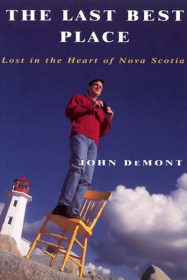
bookCover_LastBestPlaceBefore heading to Langley, BC via Calgary and Vancouver airport, there was time for some retrospective homework. On the plane, I had the time to read John DeMont The Last Best Place. John was a speaker at the EBLES event. The book provided a ‘Farewell to Nova Scotia’ experience.

Stepping out into the Vancouver traffic, I reminded myself of the need for street address systems. For example, in Langley, where is the intersection of 211 Street and 92 Avenue? Our minds have to adjust, from reading the landscape to an abstract coordinate system.

At Vancouver airport, out of the blue, I was contacted by John Rostron. It was about twenty years ago, when I was working at Royal Roads University, that John contacted me about establishing a new program at BIOTROP in Indonesia.logo_biotrop This resulted in a link between COGS and BIOTROP. We designed a program linking Information Technology to Resource Management. Canadian graduates were hired to effect the technology transfer of GIS and other software. I look forward to receiving an update, after two decades. Will the programs mirror the conversations on citizen science described at the Esri User Conference?

Acknowledgements

Brent Hall for the Esri video links. John Rostron for making the BIOTROP connection. Edward Wedler for his graphics contribution. Nic and Laurel for their hospitality in Langley.

References

Esri User Conference 2019. Plenary videos
BIOTROP web site.
John DeMont. 1998. The Last Best Place: Lost in the Heart of Nova Scotia. Doubleday Canada

Posted in biographical sketch

Citizen Advisory

This week, I had two opportunities to discuss citizen advisory committees. The first arose from my conversations with Brian Arnott. Brian and his partner Leslie Wright run an international cultural consulting business, Novita Interpares, from Lunenburg.Screenshot_2019-05-20-09-01-43 We were comparing notes on community development in the Annapolis Valley and along the South Shore. In my previous blog, I had raised questions about technology and education from the perspective of a citizen living in rural Annapolis County. Asking difficult questions, and offering solutions are very different activities.

From Brian, I recognized that small towns are scaled down versions of our larger metropolitan areas. As such their economic development depends upon input from different sectors. This input can be obtained through citizen advisory committees or sectoral interest groups.

The second opportunity was a meeting with Danielle Robinson. Danielle is a Ph.D candidate at the University of Guelph.Screenshot_2019-05-20-09-12-57 Her Ph.D research is a comparative analysis of food tourism in the Okanagan Valley with the Annapolis Valley. As we talked about the structures in Nova Scotia , I realized there is a real difference in both approach and culture between BC and NS. Comparative research can help us redefine our approach to seemingly intractable issues: changing demographics, municipal competition, the relationship between communities and their educational institutions.
 

While in Lunenburg, Brian introduced me to Alastair Jarvis who runs Woodscamp Technologies Inc. This company is owned by the American Forest Foundation. Their business model is to assist private woodlot owners in several US states. They use a combination of technologies to meet the needs of their clients. Interestingly, their staff has expertise in GIS, cloud computing, as well as gaming technologies. They are able to meet the needs of their American clients from Lunenburg, in rural Nova Scotia.

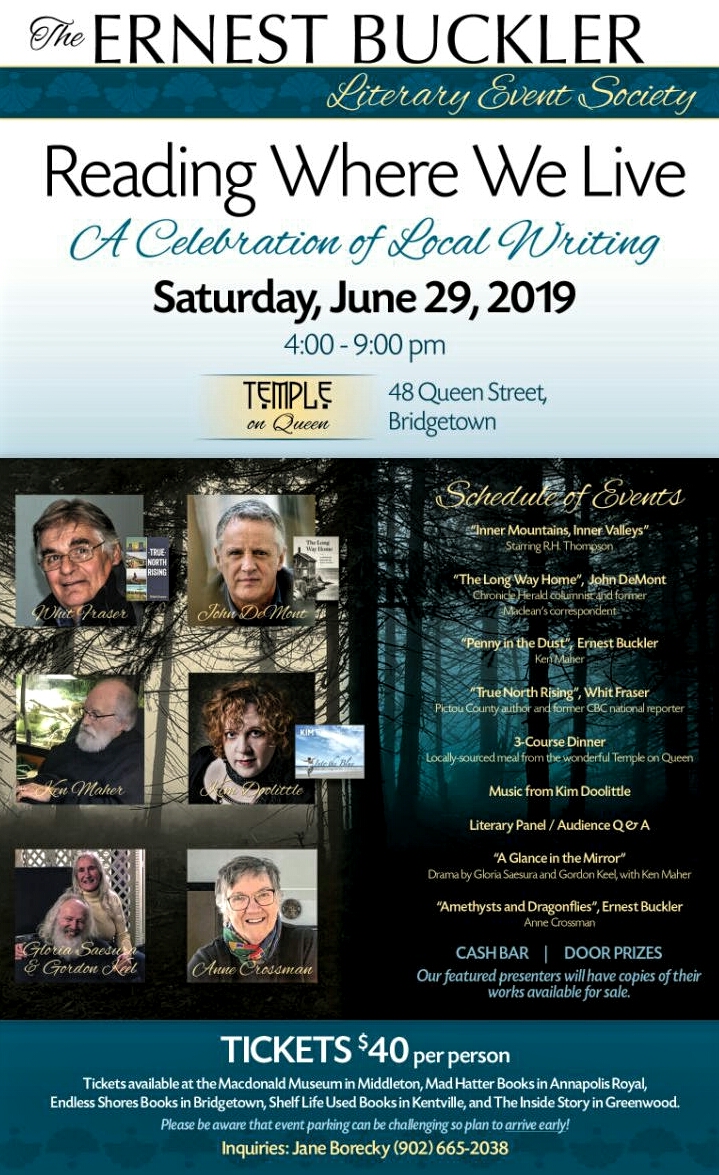
This week, we have started to ramp up the publicity for the Ernest Buckler Literary Event Society (EBLES) bi-ennial event, in support of local writing. This year it will be Saturday, June 29th at the Temple on Queen in Bridgetown. Keynote speakers are Whit Fraser and John Demont. Both bring a reporter’s experience to their writing and understanding of the North, and the Maritimes, respectively.

b52c602a-2817-4905-9c36-9fda35f157e7Tickets for the EBLES event are available at The Endless Shores Books, Bridgetown; Shelf Life Used Books, Kentville; The Inside Story, Greenwood; Mad Hatter Books, Annapolis Royal and the MacDonald Museum, Middleton.
Acknowledgements

To Brian Arnott, Alastair Jarvis and Danielle Robinson for a series of stimulating conversations. To the members of the EBLES team for their ongoing commitment to writing about place: Jane Borecky, Anne Crossman and John Montgomerie. Edward Wedler for his graphics contribution.

References

Woodscamp Technologies Inc. see their web site at woodscamp.com

Whit Fraser 2018. True North Rising. Burnstown Publishing House.

John Demont 2017. The Long Way Home. A personal history of Nova Scotia. Penguin Random House.


Posted in biographical sketch

Reading to Grandchildren

One of the real pleasures of visiting grandchildren is the opportunity to read bedtime stories. Reading to Quinn brings back memories of Birmingham University in the 1960’s: Manfred Mann and ‘The Mighty Quinn’, and the Spencer Davis Group. Quinn the Eskimo, or was it Anthony Quinn, in Zorba the Greek.

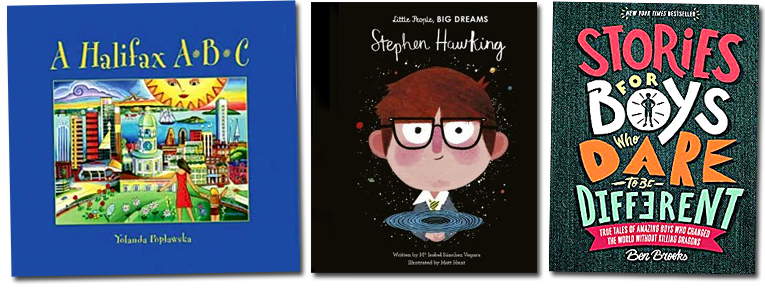
Recent books include Halifax ABCStephen Hawking Little People, Big Dreams, and Stories for Boys Who Dare to be Different.

bookCovers_halifaxHawkingBoysThe Halifax ABC was picked up at Woozles in Halifax. It has excellent artwork. Stories for Boys who dare to be different, provides one-page biographies, from Patch Adams to Benjamin Zephaniah and includes such luminaries as Stephen Hawking and Nelson Mandela. For each person, Quinn always asks ‘what age were they when they died ?’ The Stephen Hawking book gives more details on his life.

For those interested in walking, my brother sent me a review in the Guardian of a new book by a Norwegian author, Walking: one step at a time

As I prepared to leave Iqaluit, I stopped for one last time at Arctic Ventures. I picked up Nick Newbery’s autobiography Never a Dull Moment. It describes his forty years in Education in Canada’s North. He lived in  , Taloyoak and Iqaluit.

Today, we expected to watch the dog sled races. However, this may be delayed by a search and rescue mission. Reflecting, both the uncertainty of the North, as well as the level of community support and spirit.

From Newbery, p190.

”The North isn’t just a place, it’s a lifestyle, the small-town lifestyle that is the glue to Nunavut’s character personified by Inuit and their culture, a people different from qallunaat but not that different any more, just different enough to get one to think about one’s own culture and priorities and perhaps do some adjusting”

Postscript

Neil Christopher. 2015. On the Shoulder of a Giant. An Inuit folktale. Inhabit Media.

Acknowledgements

To Quinn and Isla Rose for sharing ‘story time’. To the authors who share their experiences of the Arctic. To Peter for the links to the Guardian. Edward for his graphics skills.

References

Ben Brooks. 2018. Stories for Boys who dare to be different. RP Kids, Philadelphia.
Isabel Vergara. Stephen Hawking. Little People, Big Dreams. Frances Lincoln Children’s Books.
Nick Newbery. 2019. Never a Dull Moment. Nortext Publishing Corp.
Yolanda Poplawska. 2009. A Halifax ABC. Published by Nimbus.

Erling Kagge. 2019. Walking: one step at a time. Penguin Books.


Posted in biographical sketch

Taking the Leap

After spending the month of September in the apple orchard, it was time to go down the road to Ontario. We had two objectives: to see how our grandchildren were adapting to life in the Ottawa valley; and to visit old friends who we had worked with, and known since the late ’70’s. The final destination was Petawawa, about a two hour drive west of Ottawa.

We lived in Ottawa in 1977-8. Two children were born at the Ottawa Civic hospital. At the time, I was working with George Argus at the National Herbarium on the rare vascular plants of Canada. George had overall responsibility for this multi-year project. In addition, he was a global authority on the genus, Salix i.e. willows. They are a very challenging taxonomic group.

My companion book for the drive was Peter Sanger’s White Salt Mountain. Published by Gaspereau Press and found at The Odd Book, a second hand book store in Wolfville. It was a challenging read, steeped in deep research into poetry and literature.This clashed with my day to day recollections of living and working in Ontario.

In the Pembroke region, we checked out the craft beer industry, as well as a the second hand book stores.I found a copy of The History of Kings County Nova Scotia. A reprint by Global Heritage Press of 1910 book by Arthur Wentworth Hamilton Eaton. In Ottawa, we found our old residence on Churchill and Richmond. The neighbourhood had become quite ‘up market’, including Mountain Equipment Co-op (MEC), where we had to go.

Buying Pema Chodron’s book, Taking the Leap.Freeing Ourselves from old Habits and Fears encouraged us to look with fresh eyes at the Upper Canada life style. We discussed the options with Pat and Emily for themselves and their children. We chatted with George and Mary about retirement in the city; condominium living along the Ottawa river.

In a flash, the time had flown by. Thanksgiving in Petawawa, and then two days later Thanksgiving in New Glasgow.. Within the week, it seemed that the colour of the trees had changes in Quebec and Northern New Brunswick. Along the St Lawrence, the geese were gathering into large flocks, getting ready to head South to the next feeding area.

In Quebec, we noted the different approach to tourism. The guide to Chaudiere Appalaches contained detailed maps, with thematic colours for culture and heritage, regional flavours, nature and the outdoors. It seemed that Nova Scotia could learn from Quebec.

Finally, another discovery in the Ottawa valley were the plant nurseries. We thought about our pond and wetland garden in Paradise. We could contemplate a wider selection of herbs and grasses for our climate zone.

Back home. I can now wait for the inter-library loan, to bring in:

Annie Dillard. The Writing Life

David Quammen The Tangled Tree

Peter Sanger. Spar: Words in Place.

Acknowledgement

Edward Wedler is away in Ontario this week. He will likely add graphics next week.


References

Pema Chodron 2010. Taking the Leap. Freeing Ourselves from Old Habits and Fears. Shambala, Boulder, Co.

Peter Sanger 2005.White Salt Mountain. Words in Time. Gaspereau Press. Kentville, NS.

Arthur Wentworth Hamilton Eaton 1910. The History of Kings County Nova Scotia. Heart of the Acadian Land. Global Heritage Press. http://global genealogy.com

2018-19 Official Tourist Guide. Chaudiere Appalaches. Live it for Real. http://ChaudiereAppalaches.com


Posted in biographical sketch

A Time of Transition

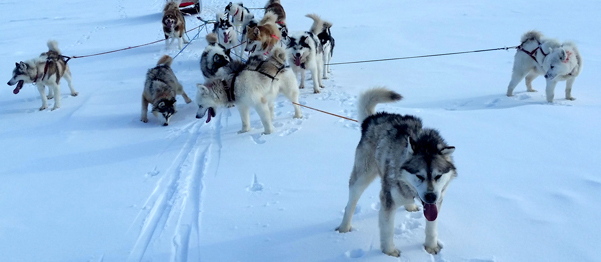
dogsledTeamiFor the last few years, every Summer, we have provided a holiday camp for two retired Inuit sled dogs: Uke and Siq Siq. They were part of a litter born in Pond Inlet, Nunavut about twelve years ago, under the watchful eye of my son, Andrew. Later, they went to Prince George, where they provided Patrick, my eldest son, with the pulling power for ski-joring. They arrive in Paradise, in May and usually return home by early September.
While they are in our care, we get used to their howling at night with the local coyotes, living on the floodplain along the Annapolis River. Or they howl in response to the sirens from emergency response vehicles.

Yesterday, they returned to their permanent home. This year it is to Petawawa in the Ottawa Valley. Today, it feels very strange to pass by their pen, and not to receive a welcome or reaction.

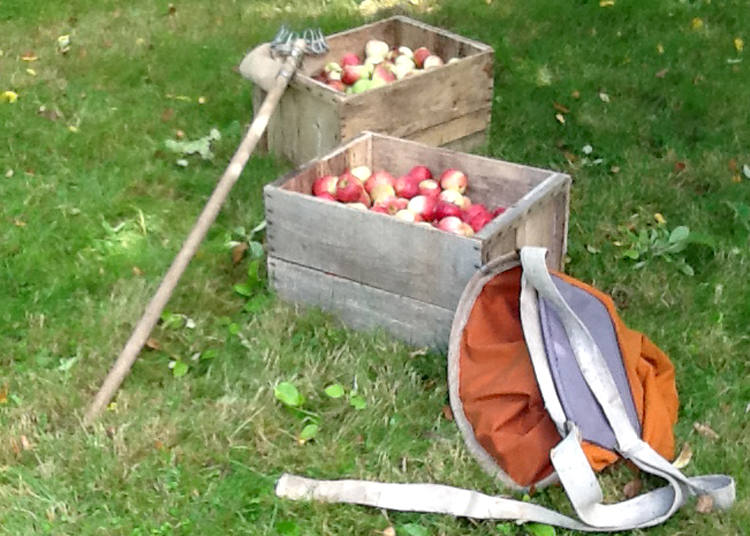
We have now entered apple harvesting season. maher_apple_1In the Valley, a late frost in early June impacted many of the apple growers in the region. Fortunately, for us, Raymond Hunter planted his trees in a tree protected area. This has allowed us to ship the early drops to Brian Boates in Woodville. Now we have started picking directly from the trees. The first cycle will be the Nova Mac variety, to be followed later, by the Mac Free. All of these organic apples will be juiced at Boates cider mill and then transported to Ironworks Distillery, Lunenburg as a key ingredient in their apple brandy. If we have a spell without too much rain, we should be able to pick a couple of bins per day. (note: one bin can hold between 18-20 bushel boxes).
For most Nova Scotians, September is ‘return to school’.  That no longer applies for Heather and myself. Instead, it is a time when we miss the sound and companionship of the retired sled dogs. It is also a time of physical labour, as we climb the apple ladders, fill the bushel boxes and then load into the larger bins. The tractor, with its forklift, comes out of the barn to load the bins onto a flat-bed truck for transportation.

Other signs of change found in the media include comments on the Lahey report. In particular, I recommend Raymond Plourde, Ecology Action Centre. He has an online opinion piece in the Chronicle Herald, September 8th Lahey Forestry report; the good, the bad and the missing.

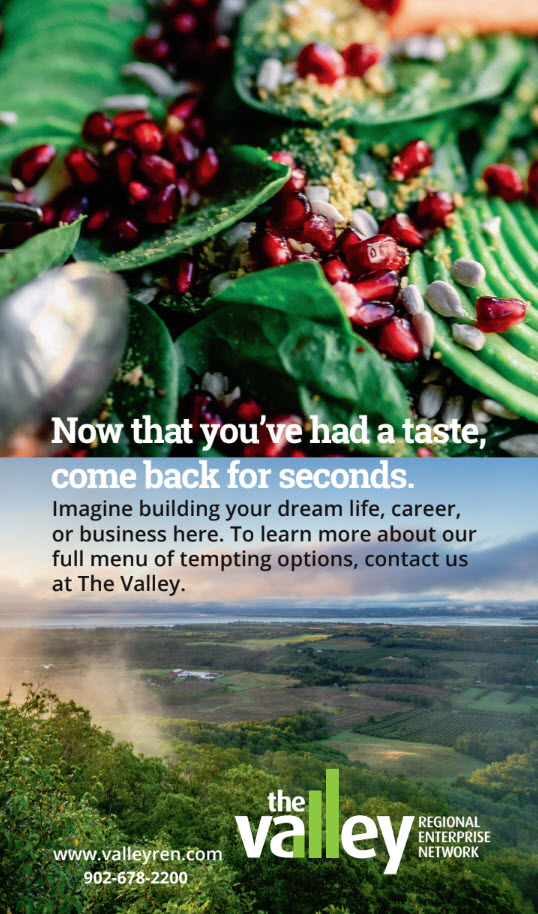
Or take a look at the poster produced by the Valley REN for the Devour Festival, this October. It promotes the unique qualities of living and working in the Annapolis Valley.poster_valleyREN

Acknowledgements

I want to acknowledge my monthly conversations at the End of the Line pub with Frank Fox and Paul Colville. They encourage me to keep writing my blog. Thanks, as usual,  to Edward for his graphics, and to Heather for sharing the workload.

References

Raymond Plourde. Chronicle Herald September 8, 2018. Opinions. Lahey Forestry report: the good, the bad and the missing.

Deborah Dennis. Valley REN. Forwarded a new poster for the Devour Festival. September 11,2018.