Posted in biographical sketch, Book Review

Connecting Communities

This week, I received the 2023 calendar from Esri Canada.

Image Source (front and back covers): Esri Canada, Marketing Communications

The new calendar includes a map of “Sable Island” by Lost Art Cartography (November 2023), “Marine Stewardship” initiative by MakeWay (December 2023), and “Old Growth Forest” for the Indian River watershed (March 2023).

A blog post announcing the selected maps can be found at “announcing-the-winners-of-the-2023-Esri-Canada-map-calendar-contest“. Individual maps that will be featured in 2023 can be found at Esri’s Map Calendar Hub.


This week, I also received the Year in Review from Shorefast, Fogo Island. Programming highlights include ocean stewardship, community hub, diversifying our economy, Art and Climate Change, and Network building to strengthen community economics.

It includes excellent links to presentations by Zita Cobb.

https://shorefast.org/communityeconomies/

In Halifax, we continue to expand our knowledge of bookstores.

At Bookmark, I found three chap books by local authors, FOR FREE, under their Readerity program.

Alexander MacLeod. Re-reading J.M. Barry’s Peter and Wendy.
Deidre Kessler. Indigo Bunting in a Date Palm.
Sheree Fitch. A child with a book in a tree.

At the Trident bookstore and cafe, I found two second-hand books: Thomas Merton in Alaska: the Alaskan Conference journal and letters, and Gary Saunders’ My Life with Trees.

Finally, at the Halifax Public Library today, discovered Oliver Sacks, The River of Consciousness. Ten essays were outlined in the two weeks before his death. They include Darwin and the meaning of Flowers, Sentience: the mental life of plants and worms, the Creative Self, and the River of Consciousness.


While recovering from my heart surgery, I am enjoying excellent medical support in the city. Over the Christmas period, we shall have to evaluate the two communities: rural and urban. For now, we appreciate the connections in the urban environment.

References

Thomas Merton, 1988, Thomas Merton in Alaska, A New Directions Book.

Gary L. Saunders 2015, My Life with Trees, Gaspereau Press.

Oliver Sacks, 2017, The River of Consciousness, Alfred Knopf.
Posted in biographical sketch

The Daily Grind

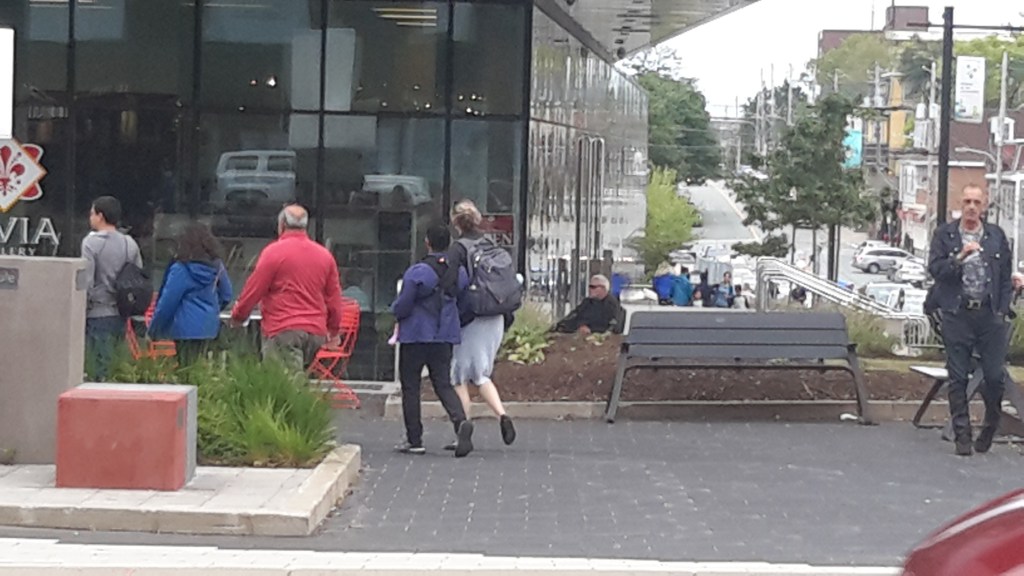
It has been raining in Halifax for two days. Fortunately, I have the Halifax Public Library on Spring Garden Road.

Photo of Halifax Central Library taken during summer by Edward

This week, I have been enjoying:

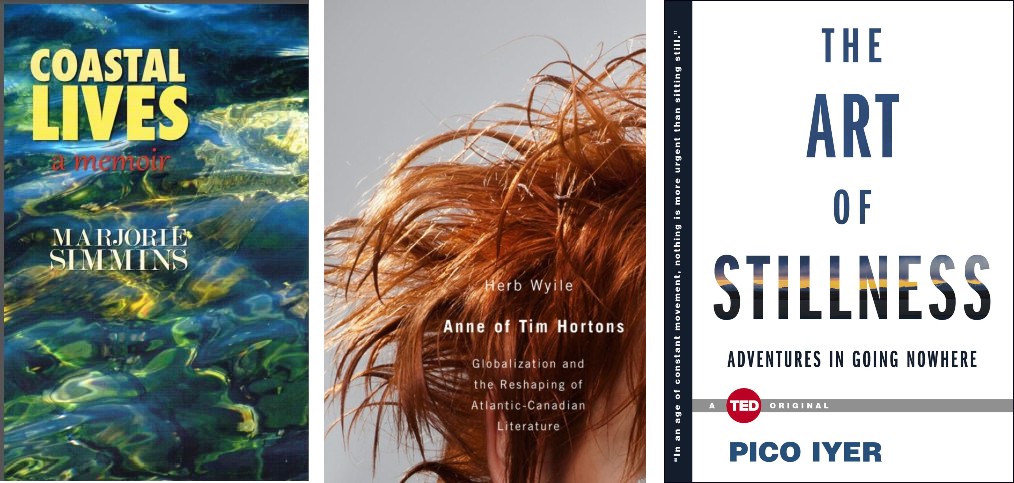
Marjorie Simmins’ “Coastal Lives: A memoir“. It describes her relationship with Silver Donald Cameron, and much more.

Herb Wyile’s, “Anne of Tim Hortons: Globalization and the Reshaping of Atlantic Canada Literature“.

Pico Ayer’s, “The Art of Stillness: Adventures in Going Nowhere“.


Today, after my visit with Dr. Morris, by draining the fluid in my inner ears, I have recovered my hearing. We celebrated with lunch at the Daily Grind, a coffee shop, near our condominium at Bishop’s Landing in Halifax.


Earlier in the week, we took a drive down to the Valley. We managed to arrange for a car service and to pick up our snow tyres.

En route, we stopped at Berwick, a progressive small town in Kings County, which may offer possibilities of condominium living at a lower cost than Halifax, although likely without the medical expertise found in Halifax.

Stopped to say ‘hi’ to Debby and Rocky Hebb. We did manage to go to the Endless Shores in Bridgetown. They had “Iceland: A Simple Saga” as told to Peter Wyman. After reading his previous books, I found this one, rather disappointing.

References

Marjorie Simmins, 2014, Coastal Lives: A Memoir, Pottersfield Press

Herb Wyile, 2011, Anne of Tim Hortons: Globalization and the Reshaping of Atlantic Canada Literature, WLU press.

Pico Ayer, 2014, The Art of Stillness: Adventures in Going Nowhere, Simon and Schuster, TED Books.

Peter B. Wyman, 2022, Iceland: A Simple Saga, Cardigan, Little and Crow Publishing (Annapolis Royal. Iceland map cartography by Michael Donnelly).

Posted in biographical sketch

Swallows and Thrushes

To my regular readers, the reason for the hiatus is that two months ago, I had a heart attack, followed by open heart surgery at the Halifax Infirmary.

It was quite a weekend because Heather, my wife, also went to the hospital for a pacemaker.

The good news is that these events were preemptive, as we went together to Emergency at the Aberdeen Hospital in New Glasgow in early September.

After two months in the Infirmary. I have a detailed understanding of hospital routines, staffing levels, as well as the DOs and DO NOTs of hospital life. In this blog, I will focus on a few lessons we have learned as well as some of the sustaining factors.

Lesson1.

In traditional Western marriages, day-to-day tasks are usually split between husband and wife. For example, financial matters may be the purview of the husband. Not a good idea, both partners need to be equally informed about all aspects of living.

Lesson 2.

In a marriage, each partner may select their own technology of choice. My life is iPad and emails. Heather’s life is mobile phones. It is critical in a crisis that both partners understand the common technology.

Lesson 3.

The community network is vital. Foremost is the contribution from family. In our absence, they organized a rental condo in Halifax where Heather can live, while I was in the hospital for two months. The other community can extend from neighbours to work colleagues from the last forty years. Or even old-school friends from England. In our communications, we can share news, and the local Geography, including photographs. My photos are simple; from the view of Halifax Citadel to the interior of my room.

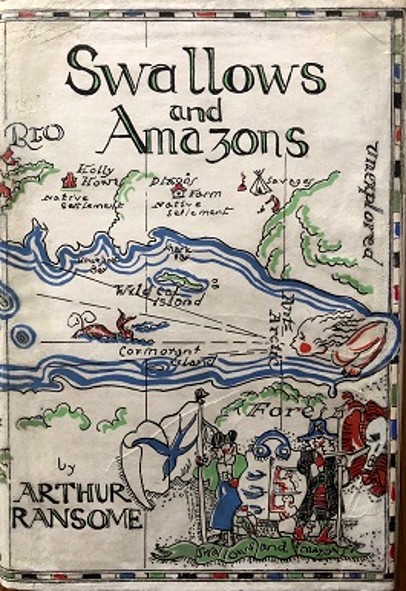
Back to the title of my blog, ‘Swallows and Thrushes’. This goes back to a book by Arthur Ransome “Swallows and Amazons“. I read this as a child.

In my case, Swallows refers to the ‘Swallow Test’ taken to evaluate your throat muscles for food consumption. Thrush refers to a throat infection that can impact your digestion ability.

For most of my hospital stay, food was delivered through feeding tubes. This severely restricted my mobility.

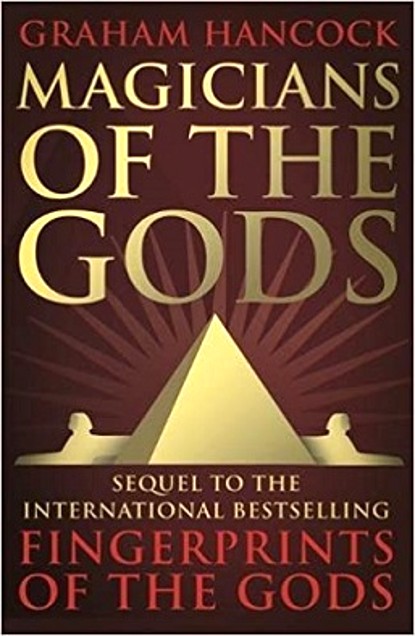
To end on a positive note, my physiotherapist, Pascal loaned me a book that he had enjoyed — Graham Hancock’s “Magicians of the Gods“.

It is a long read, full of facts and hypotheses about a previous civilization, about 9600 years ago, before a comet destroyed the earth’s climate and civilization.

POSTSCRIPT

I was released to join Heather at the Halifax condo on November 14th. This blog was delayed because of technical difficulties encountered by Edward with WordPress on his Chromebook in Florida. As we explore the geography of the Halifax waterfront, I hope to return to regular weekly blogs

The other book, I would recommend, is “Paddling Pathways“, a collection of essays on the significance of paddling by canoe, in the northern rivers of Canada. This is very timely since, in September, we purchased a new canoe. It is now sitting in Patrick’s garage in Peterborough.

To everyone who has emailed me these last two months … Heartfelt thanks!

Posted in biographical sketch

Heartbeat

From the BC Knowledge Network, I received the link to ‘Heartbeat – still going strong’.

A classic British comedy series, it is about the lives of the Aidensfield and Ashfordly townsfolk.


This week, I have been investigating real estate in Haida Gwaii. We lived there in 2015.

My first discovery was that the village of Queen Charlotte has been renamed; it’s Haida name is Daajing Giids.

The second discovery was that of my blogs from that time, on the GoGeomatics website.

  1. Local Action and Geomatics: the Gowgaia Institute on Haida Gwaii. This includes an interview with John Broadhead.
  2. Landscape and language: Haida Gwaii.

It feels like it is time for a return visit to the West coast. Both blogs appear relevant today. I wonder what has happened at the Gowgaia Institute.


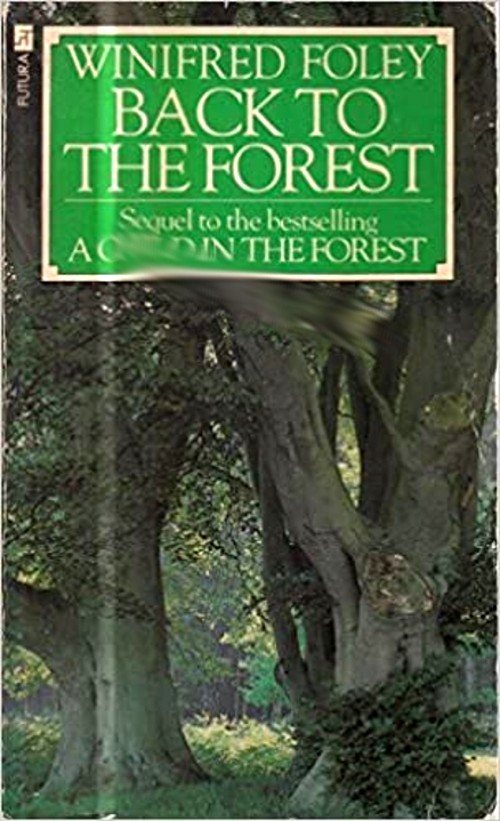
On the reading front, I have two new books. In New Glasgow, I picked up Back to the Forest.

In this case, the forest referenced is the Forest of Dean. It describes the move of a young family from the suburbs of London to the West Country at the end of the Second World War. About the time that I was born. It is a sequel to A Child in the Forest; both written by Winifred Foley.

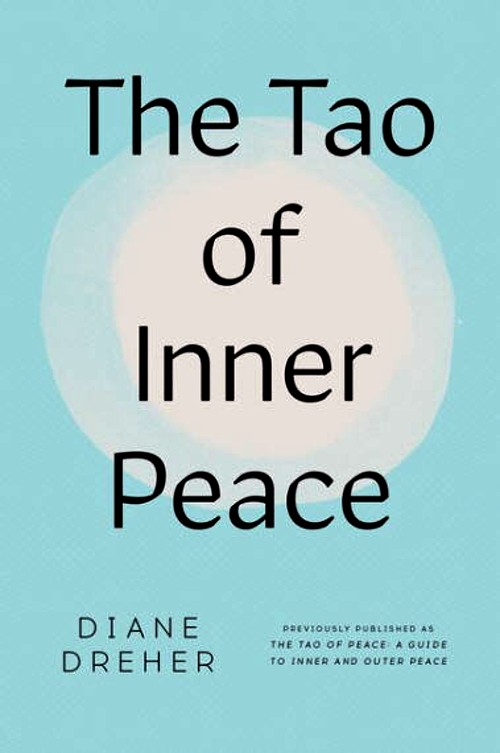
The second book, Heather found at The Bookman in Charlottetown, The Tao of Inner Peace by Diane Dreher.

It adapts the ancient principle of Tao to today’s world by showing how to integrate the many facets of everyday life to create a balanced, dynamic harmonious whole. In particular, I am interested in the subject of mindfulness.

Without the active yang of career commitment, life becomes too yin for many retired people. They need to find new interests, new challenges.’ p.32.

When we take time to live more consciously, we don’t react mindlessly to our environment. Our days are filled with active choices, balancing the current of yin and Yang into greater harmony.’ p.33.

While reading about Scott Fitzgerald, I noted that one of his four books is entitled This Side of Paradise. That’s exactly where we are today. Perhaps better known by Fitzgerald is The Great Gatsby. Fitzgerald lived from 1896-1940.

Acknowledgements

Support from Heather and the families of Patrick, Andrew and Laurel. Edward added the graphics.

References

BC Knowledge Network, Heartbeat, Still going strong.
GoGeomatics blogs
Winifred Foley, 1981, Back to the Forest, MacDonald and Co.
Diane Dreher, 2000, The Tao of Inner Peace, Plume, Penguin Group.

Posted in biographical sketch

Habitat Destruction

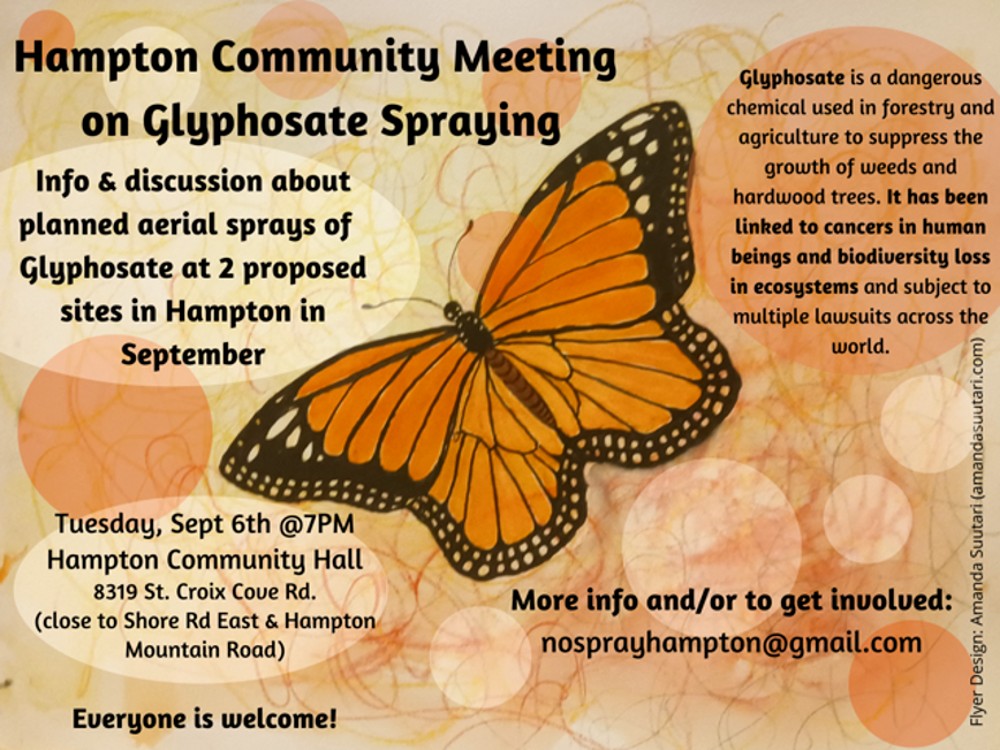
On Thursday, we went to 2600 McNally Road, Burlington for a rally to stop glyphosate spraying of the forests on North Mountain.

Next week, there is a meeting at the Hampton Community Hall on the same topic.


Friday, while in Berwick at the pharmacist, I noticed a book “From the Brow to the Bay”. This describes the historical geography of the Burlington area. It was published by the Burlington Community Club.

This type of publication is a model of the relationship between the human community and the landscape. It makes me realize that each of us lives in the landscape. We interact with other members of our community, at work, as well as at play. We invest time and energy into that landscape. At the same time, we maintain a network of community relationships.

Over a period of time, we see changes in the staff of our institutions, the institutional goals, as well as the infrastructure.

The single-minded pursuit of forest products occurs at the expense of other species, and their communication networks. This type of habitat destruction can also occur in the human species.


I have followed the writing and career of Sheree Fitch. Therefore, it was a pleasant surprise to read her article ‘Still kissing the Joy as it Flies’ in the weekend Chronicle Herald. I look forward to revisiting their habitat, on the back road outside of River John.

Acknowledgements

The organizers of the Burlington rally, including Anna Osborn, Nina Newington and Leo Glavine. Heather shared the journey to Burlington and Berwick. Edward contributed the graphics.

References

Burlington Community Club,2012. From the Brow to the Bay: Historic Burlington and Area, Published by the Burlington Community Club.

Sheree Fitch, 2022, Still Kissing the Joy as it Flies, Chronicle Herald, September 2nd Page D3.

POSTSCRIPT

We stopped at Beaver Creek Vineyard cafe for Saturday lunch. We were well fed. (see my blog post “The Alpine Path“)

Posted in biographical sketch

PEI trip

Last week, we went to PEI — over by the ferry and return via the bridge.

It is the first time since 2014 to PEI. We attended the Georgetown conference on economic development. At that time, we initiated a project called ‘The Road to Georgetown’. This time, we were travelling with our grandchildren.

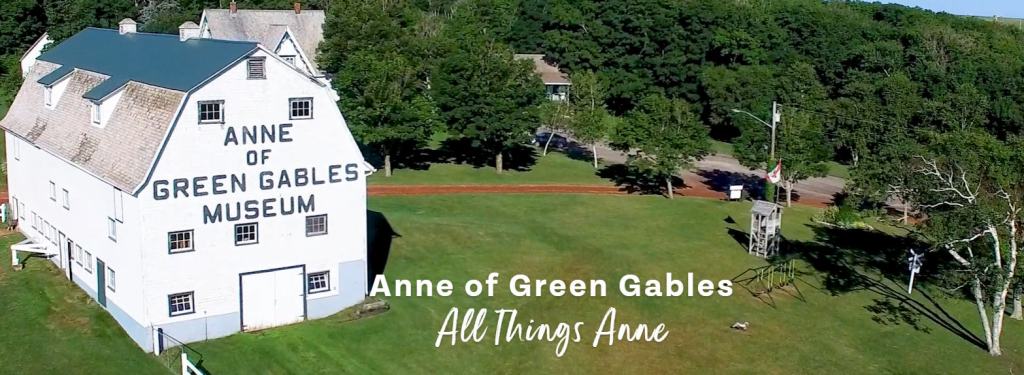
The highlights of the trip included Green Gables, the Confederation Centre Art Gallery and the island landscape.

It is remarkable to see this small province with its capital city of Charlottetown, to appreciate the nature of the economy with tourism, agriculture and fishing, and to draw comparisons with Nova Scotia.

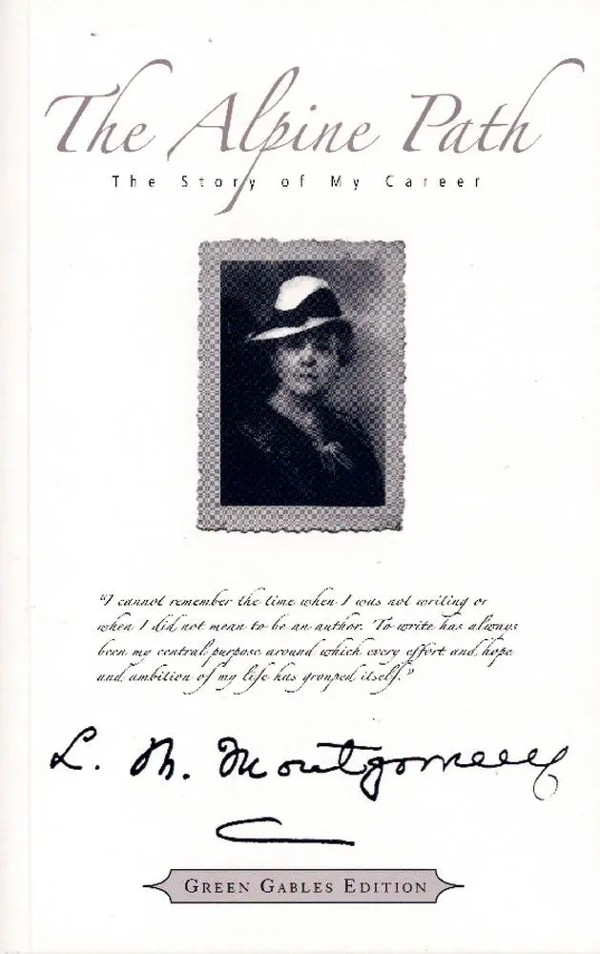
At Green Gables, I picked up three books. First, Anne of Green Gables, but also LM Montgomery’s, The Alpine Path and Catherine Reid’s, The Landscapes of Anne of Green Gables.

It is tempting to contrast these books with the work of Ernest Buckler in the Annapolis Valley.

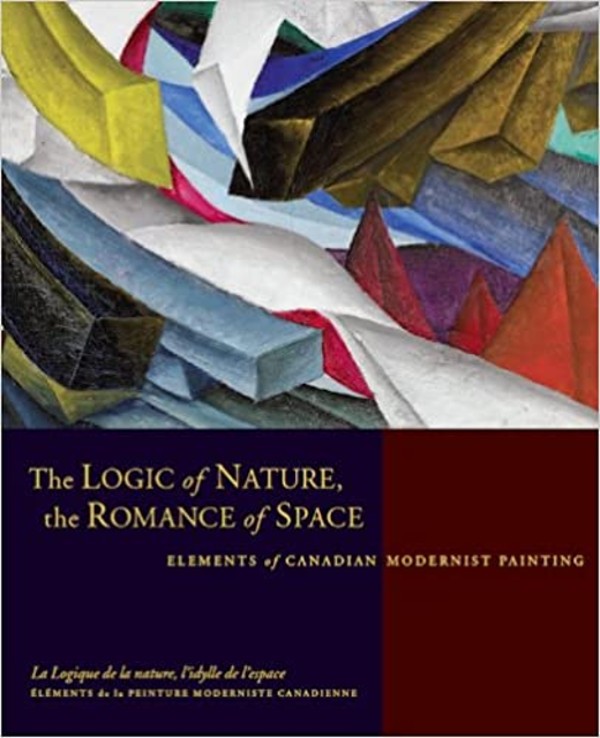
At the Confederation Centre Art Gallery, I found a book on the work of Kathleen Munn and Lowrie Warrener, from an exhibition in 2010, The Logic of Nature, the Romance of Space. I thought this might be of interest to Edward Wedler.

On Queen Street, we found a wonderful bookstore, The Bookman.

I did not realize that second-hand bookstores could be so well organized.

The other phenomenon in the PEI economy is the COWS brand.

With young grandchildren, this created considerable interest. There is an excellent article in Saltscapes magazine.

Acknowledgements

Heather and I enjoyed the company of Laurel, Nick and the grandchildren, Marcus and Owen. Edward contributed the graphics.

References

LM Montgomery, 1908, Anne of Green Gables, Nimbus (1998).

LM Montgomery, 2005, The Alpine Path: The Story of my Career, Nimbus.

Catherine Reid, 2018, The Landscape of Anne of Green Gables, Timber Press.

The Logic of Nature, the Romance of Space: Elements of Canadian Modernist Painting, 2010, Art Gallery of Windsor, The Robert McLaughlin Gallery.

The Culture of Cows, Saltscapes Magazine

Postscript

To date, I am halfway through Catherine Reid’s book. It includes both stunning photography and insight into both the PEI landscape and its literary history.

Posted in biographical sketch, Book Review

Entangled Life

A few weeks ago, I discovered a reference to Trevor Goward and his work, in Merlin Sheldrake’s book Entangled Life (see blog post, Entangled Life).

It made me realize that the definition of a lichen species was much more complex than I had previously understood.

This led me down the road to question the classification by Carl Linnaeus as well as Darwin’s work on evolution.

This week, I had to spend several hours waiting at the ER at Middleton Soldiers Memorial hospital (I have no family doctor). I took Entangled Life with me. Previously, I had been stuck on the ‘magic mushroom’ section.

Reading the last three chapters Wood Wide Web (in contrast to World Wide Web), Radical Mycology and Making Sense of Fungi, en route, I visited the writing of Peter Kropotkin, Robin Wall Kimmerer and Ursula Leguin. The book is meticulously referenced. The writing is excellent, as witnessed by the praise from a wide range of commentators.

As we recognize that a stand of trees is so much more than what we see above the ground. Likewise, we start to appreciate the three-dimensional complexity of our natural landscape.

With grandchildren arriving in Nova Scotia for the next few weeks, a blog break should allow me to fully digest this seminal work.

Postscript

This week I did manage to catch Margaret Atwood on CBC Ideas, talking about George Orwell and 1984. Meanwhile, I continue to search out Iceland and Crossing Thames by Peter Wyman, in the Endless Shores books.

Finally, this is the Annapolis Valley Exhibition week, August 15-20th. In Lawrencetown. King’s County Museum hosts the SHORT BRUSH plein air paint-out in Kentville and the Miner’s Marsh, where about 30 artists paint on Saturday morning 20Aug2022 then display their works.

Acknowledgements

Heather encouraged me to return to the Entangled Web. Its focus on fungi connects well with our organic gardening. Edward added the graphics and links.

Reference

Merlin Sheldrake, 2020, Entangled Life, Random House.

Posted in biographical sketch

Brier Island

In 1990, Heather enrolled in the graduate program in Botany at the University of Guelph. Her field of study was Agalinis neoscotica, a diminutive plant growing in Nova Scotia (see blog post Biogeography). One of the sites was Brier Island.

On Sunday, we checked our records. It should be in flower, in early August. Up early, we drove down Digby Neck and took two ferries to Westport, Brier Island. It is a different world to the Annapolis Valley, shrouded in early morning fog and cooler temperatures from the Bay of Fundy.

The first stop was Brier Island Lodge. We needed to pick up a map to negotiate the backroads and trails on the island. It has been thirty years, and we needed help remembering the site locations.

We found Big Meadow Bog, a restoration project supported by the Nature Conservancy of Canada.

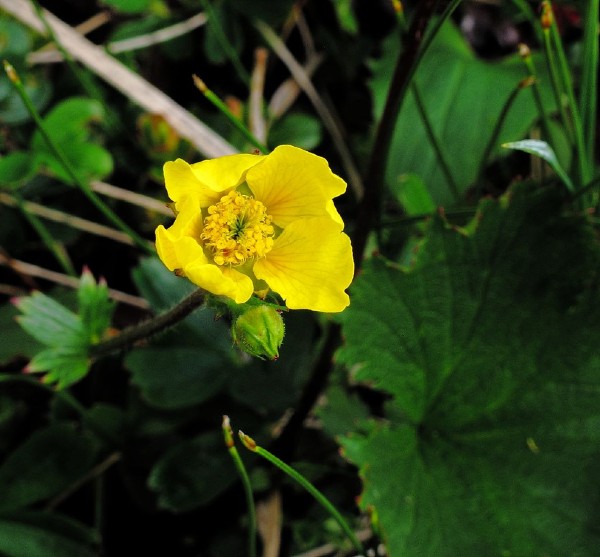
The species of interest here was Eastern Mountain Avens (Geum peckii), an endangered species found only in the White Mountains and on Digby Neck

(photo by Gary Tompkins from Lake Winnipesaukee, New Hampshire, USA).

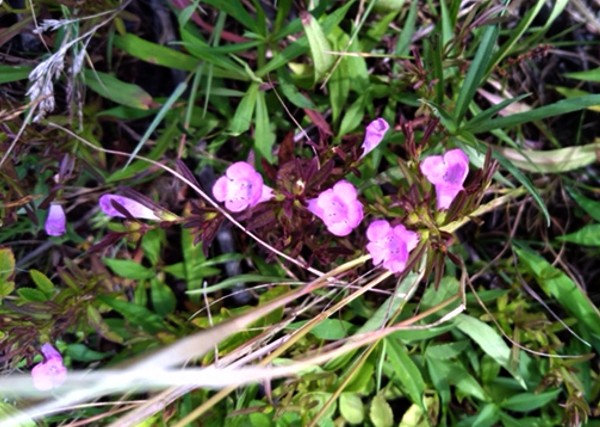
Afterwards, we took Gull Lake Road to Big Pond, and also the road to Western Light. In both locations, we found Agalinis neoscotica in flower.

Photo by Heather Stewart

We left early, around 7:30 am and we were back home by 3:30 pm. between we had taken two ferries, each way. One surprise, the ferries are free!

If you want to step into a different world, go to Brier Island. At the same time enjoy the story of Joshua Slocum, the first person to sail alone around the world. He has roots in both Mount Hanley and Westport (see blog post Joining the Dots).

Acknowledgements

Heather and I were stunned by the changes to Brier Island, over the last thirty years. Fortunately, the flora has not changed. All photographs are by Heather. Edward added the graphics.

References
Heather Stewart, 1993, Reproductive Biology and Developmental Morphology of Agalinis Neoscotica (Scrophulariaceae), University of Guelph, Department of Botany.

Postscript

How many plants in Nova Scotia, have a species epithet neoscotica?
This is Heather’s story to tell. She is the true author of this blog.

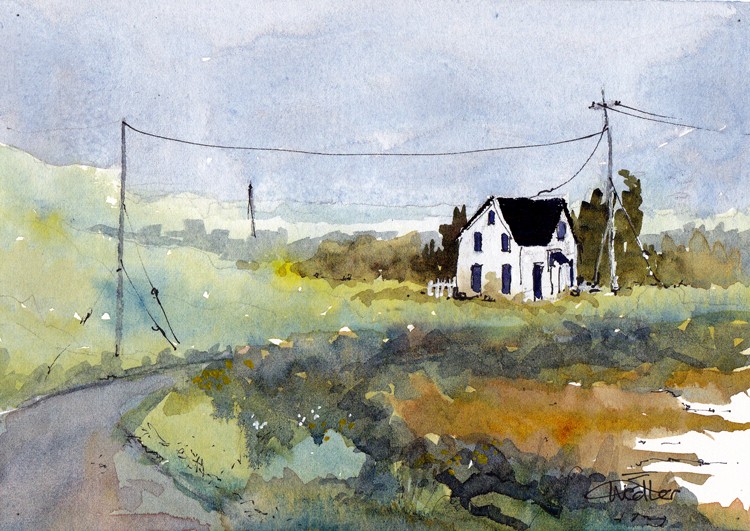
On the Road to Joshua Slocum Hill, Brier Island
watercolour by Edward Wedler

Posted in biographical sketch, Opinion

Village Life

Saturday, we stopped at the Bridgetown library. You can pick up, for free, back issues of magazines. I found the New Scientist. It reminded me of my school days at Chiswick Grammar School for Boys.

In the evening, I shared a beer with John Wightman. We walked down to his neighbour’s dock on the Annapolis River. As we sipped, a river boat came up from Annapolis Royal’s direction and turned round at Jubilee Park.

It reminded me of Summer Institutes at COGS in the 1980s. We would rent a boat for a trip down the river towards Annapolis Royal. Always an enjoyable adventure through the rural landscape, between North Mountain and South Mountain.


This week, Heather and I met Rocky and Debbie Hebb for breakfast at Shakes on Main, in Lawrencetown, run by CRIA, only to discover the restaurant closes for good, Friday this week (29th). Given the Annapolis County Exhibition in August, it is unfortunate for the local economy that both the Wine Makers tavern and the only restaurant in the village are closed.

There was also notice this week that Municipal staff are being relocated from Lawrencetown to Annapolis Royal. Meanwhile, the Centre of Geographic Sciences (COGS) is in Summer mode and looking for student accommodation.

I can recall COGS operating forty-eight weeks per year (three 16-week semesters) and offering a Summer Institute. How things have changed!


From the Marginalian are Beatrix Potter’s little-known scientific discoveries

Potter soon began conducting her own experiments with spores she germinated herself. She was particularly captivated by lichens, considered at the time ’the poor peasants of the plant world.

Another example of ’enlichenment’.

Acknowledgements
John Wightman shares my memories of COGS and a good beer. Rocky and Debbie Hebb for our last breakfast at Shakes on Main with Heather, and myself. Edward has been away plein air painting on the South Shore. Hence any delay in the blog post.

Reference
The Marginalian, July 27, 2022.

Posted in biographical sketch

Falling into Place

Yesterday after the Wolfville Farmers Market, we stopped at The Odd Book.

This is a favourite book store. The owner’s interests seem well aligned with mine. It includes a section on George Orwell’s books, as well as recent publications from Gaspereau Press.

This time, I found a chapbook from Falling into Place. In 2002, Gaspereau published a groundbreaking geo-memoir by poet and long-time Hamilton resident, John Terpstra. It starts with the phrase.

’I am attached to this piece of Geography.’

A chapbook is a reading sample; in this case, thirty pages, ‘Terpstra’s investigations centre around the Iroquois Bar, a giant glacial sandbar which lies beneath one of Hamilton’s busiest transportation corridors.’

My second find was George Orwell’s Selected Writings, edited by George Bott.

I have tried to show something of Orwell as a political apologist; something of his remarkable ability to record experience vividly and to argue convincingly; some autobiography, some literary criticism, some satire.

This selection of George Orwell’s writings is intended mainly for sixth forms, adult classes and training college students.

First published in 1958. Topics include The English Class System, Politics and the English Language, Why I Write, Poetry and the Microphone.

Last night, we were settled in for an evening of British TV on PBS Maine. Around 9 pm, before Doc Martin, we received a call from New Glasgow. Watch the CBC documentary ’Elizabeth Bishop and the Art of Losing’.

We changed the channel and enjoyed an excellent program.

Acknowledgements

The Odd Book has the best-organized collection of second-hand books in the Valley. John Stewart phoned about the CBC documentary. Heather shared the Wolfville market experience. Edward added the graphics.

Postscript Images

Dogwood in our garden
Hollyhocks in our garden

References

John Terpstra, 2002, Falling into Place, Gaspereau Press.

George Bott (ed.), 1958, George Orwell: Selected Writings, Heinemann

CBC July 9,2022, Elizabeth Bishop and the Art of Losing.