Posted in biographical sketch

Travels with Heather

Last Thursday, we dropped off a library book in Bridgetown. At the front desk, I picked up two brochures.

Bridgetown map showing the Historic Cyprus Walk, registered heritage properties and historic photographs from Granville Street and the Annapolis River. Check out the website www.bridgetownnovascotia.com and the Bridgetown Area Garden Club ’we dig gardening ’ at www.bagardenclub.weebly.com


Friday, we made the drive to New Glasgow.
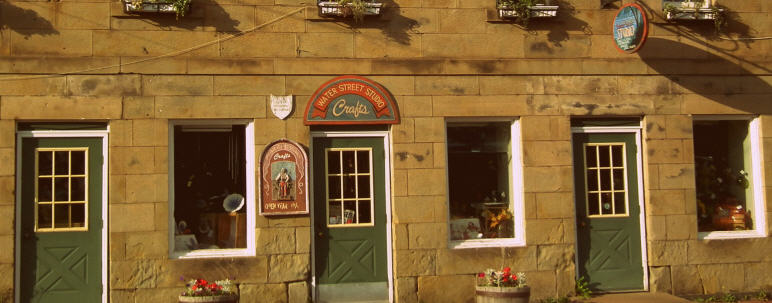
This allowed a visit to Water Street Studio in Pictou on Saturday morning. I found two items of interest.

Wild Nova Scotia (photographs by Lenn Wagg. Text by Bob Bancroft), originally published in 2007. The book identifies wilderness areas, Canadian heritage rivers and other wilderness sites in Nova Scotia. Bancroft’s text divides the province into Highlands, Coastal, Uplands and Interior.

The second find was Dave Gunning’s CD Lift, 2015, www.davegunning.com. One of the songs on the CD is The Red Onion. Reminded me of the natural food market in Annapolis Royal, of the same name.

Laurel, my daughter sent me Richard Wagamese’s, Selected: What comes from Spirit. That made for good reading in New Glasgow.
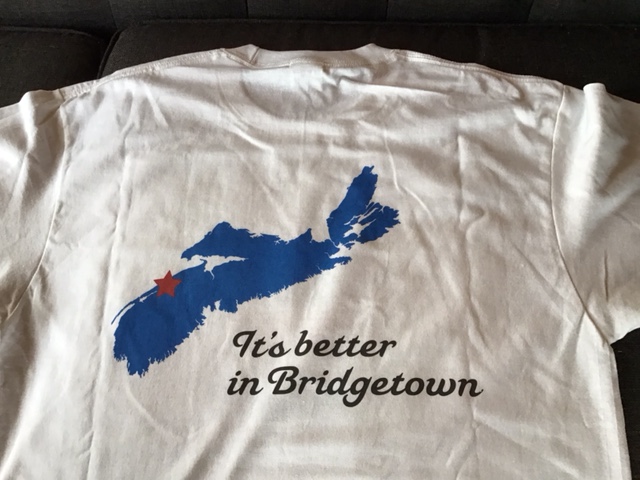
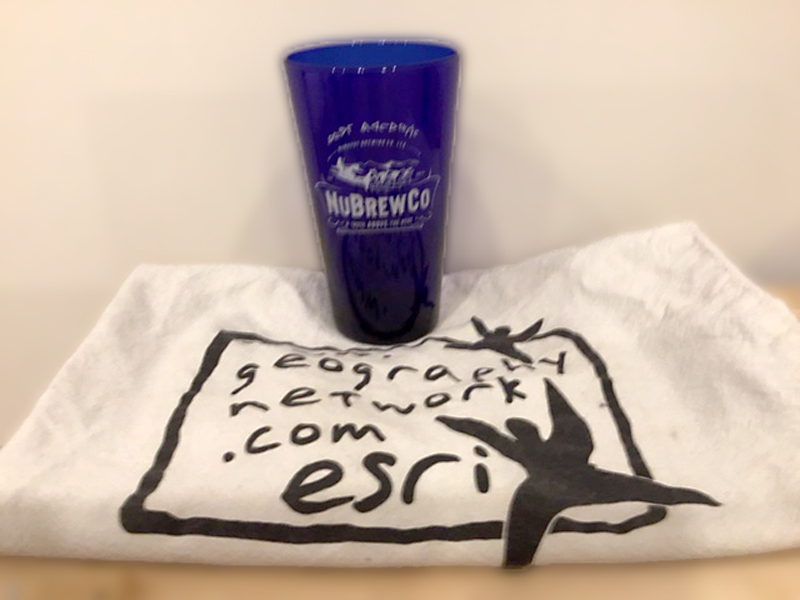
Today (Wednesday, 16th) I stopped at the Bridgetown Motor Inn to pick up a T-shirt for my entry into the I Love Bridgetown Competition. I had submitted my blog, Bridgetown: a sense of place.

Acknowledgements

Marnee at the Bridgetown Motor Inn, one of the new co-owners for the Bridgetown competition. Edward added the graphics. Heather provided the travelling companionship.

References

Wild Nova Scotia, Photography by Len Wagg, 2007, Nimbus Publishing

Dave Gunning, 2015, CD Lift.

Richard Wagamese, 2021, Selected: What comes from Spirit, Douglas and McIntyre.

Posted in biographical sketch

You can’t hide

Wednesday, I went down to Lunn’s Mill to pick up some beer – Brickyard Red.

We have a civic address mail box at the same location. Since I remembered the key, I checked for mail. Usually, there are only fliers about food delivery, or from local politicians. This time, I found a key, telling me that there was a parcel. I opened the parcel box and found a package for Heather from Google, addressed to our civic address.

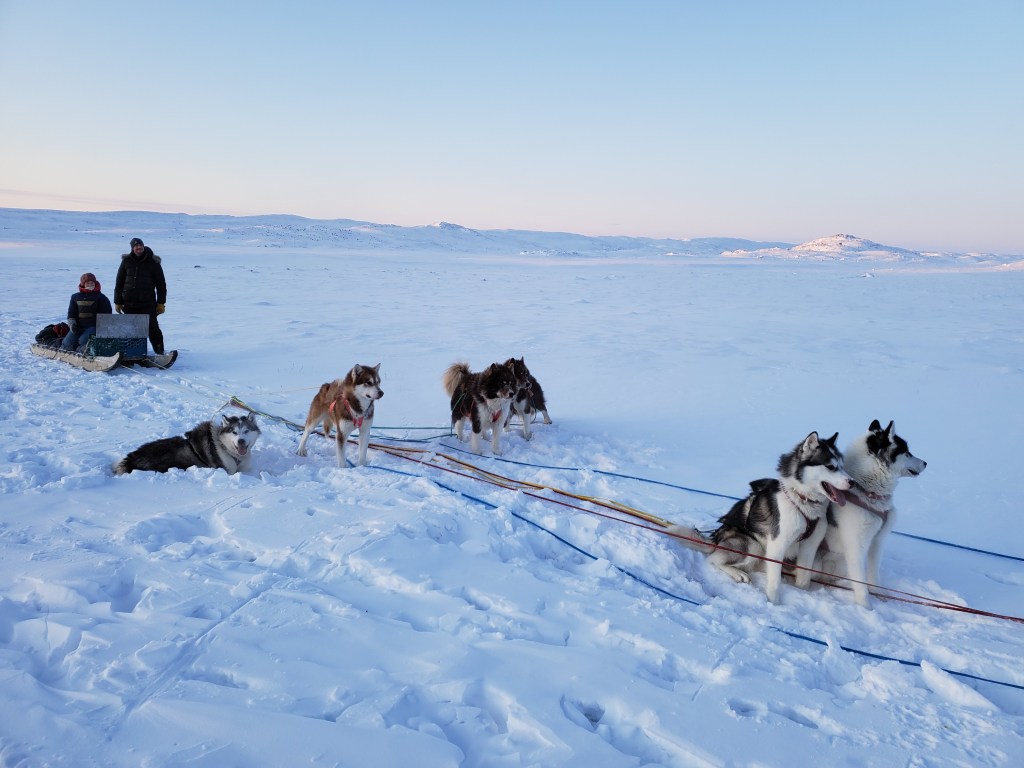
When I returned home, Heather reminded me that Google offered a service, creating books from online photographs. She had used the service when she took a series of photographs on a dog-sledding trip in Manitoba. This time, the book was of our Christmas trip to Iqaluit. It was of double interest since this Spring she had worked with Integrity Printers in Bridgetown to produce a photo album for the family on the same subject.

The surprise was twofold. First, Google would see the business opportunity. Second, they would deliver to our civic address (we have a box number in Lawrencetown).

On a related topic, last night we watched Still Standing – Middleton with Jonny Harris on CBC Gem. We recognized some of the characters. It reminded me of the unique qualities of our small rural communities: Bridgetown, Annapolis Royal, and even Paradise, come to mind.

On a related topic, last night we watched Still Standing – Middleton with Jonny Harris on CBC Gem (Episode 6).

It reminded me of the unique qualities of our small rural communities: Bridgetown, Annapolis Royal, and even Paradise, come to mind.

In two weeks time, the focus will be Oxford, NS. Another community from Heather’s early years.

Postscript

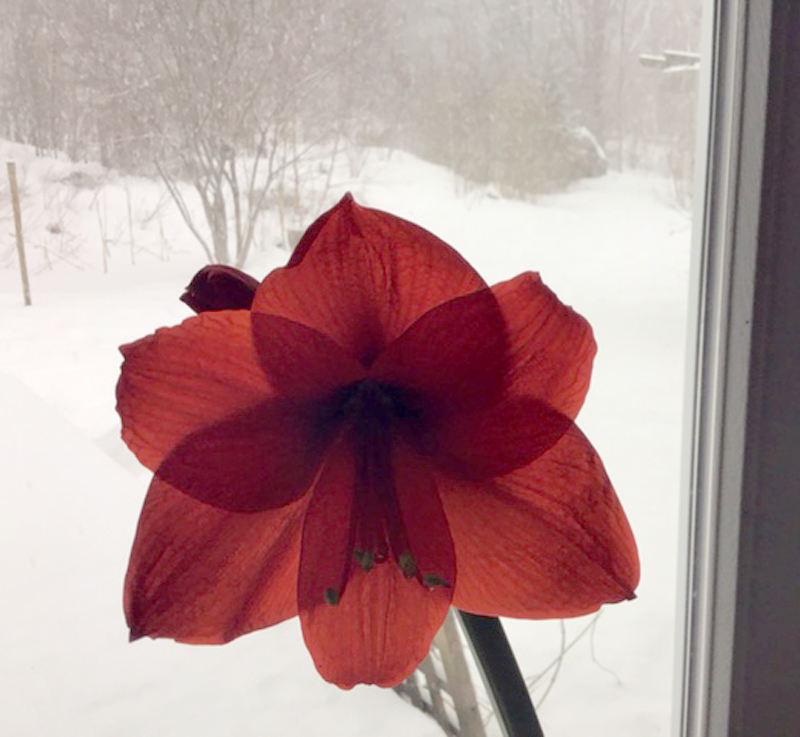
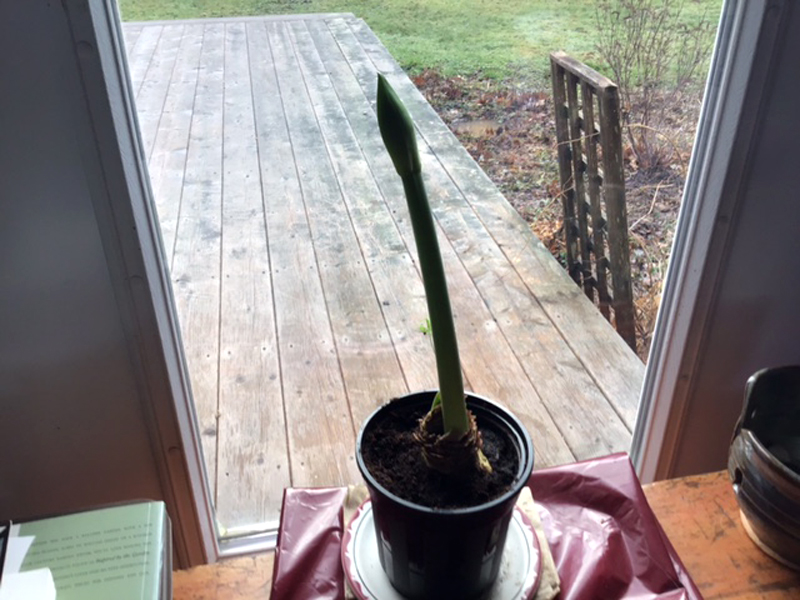
Meanwhile, our Amaryllis in a snow storm …

Acknowledgements

Heather explored the Google option. Edward added the graphics.

Reference

Still Standing – Middleton, March 2, 2022, CBC Gem.

Posted in biographical sketch

Travel Plans

For the last few weeks, the TV channels have been preoccupied with the Ottawa protest and the Olympic Games. In the same time frame, I have been impressed by the quality of the Atlantic Canada travel advertising.

In priority order, my vote would go to Newfoundland and Labrador, Prince Edward Island, then perhaps Nova Scotia or New Brunswick third.

The advertisements showing stunning landscapes, combined with community spirit — makes Heather and me want to jump on a ferry and return to the West Coast of Newfoundland, and reacquaint ourselves with these hidden treasures.


Sunday, I caught the beginning of Cross-Country Checkup on the radio. Ian Hanomansing read an email from Rob Bright, Extinction Rebellion making the comparison between the protest at Last Hope camp in Annapolis County and the protest we have been observing in Ottawa.

We still hope that this government will adopt a more enlightened approach to the management of Crown Lands in the province.

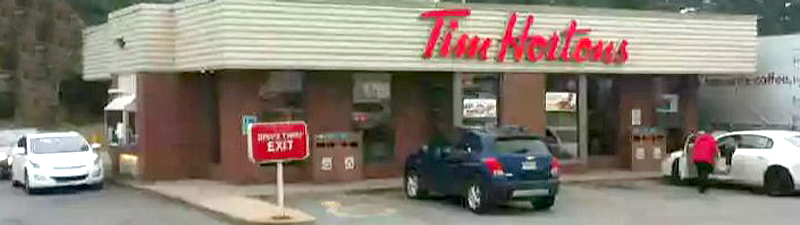
Finally, Heather and I were in Greenwood yesterday. We stopped for a drive-through coffee at Tim Horton’s. We were behind a RCMP car.

When we reached the window, the server explained that our coffees had been ’paid-forward’. This made our day. We, of course, had to reciprocate to the next in line. Small gestures of kindness.

Acknowledgements

Edward added the graphics and links. Heather provided the company.

Posted in biographical sketch, Book Review

Community Spirit

Thursday, we went to Bridgetown to pick up COVID test kits at the Legion. The event was coordinated by the local Search and Rescue team.

It was a very efficient drive through operation. Thanks to Debby and Rocky Hebb for passing on the information. This event contrasted with the occupation in Ottawa, watched on the CBC.


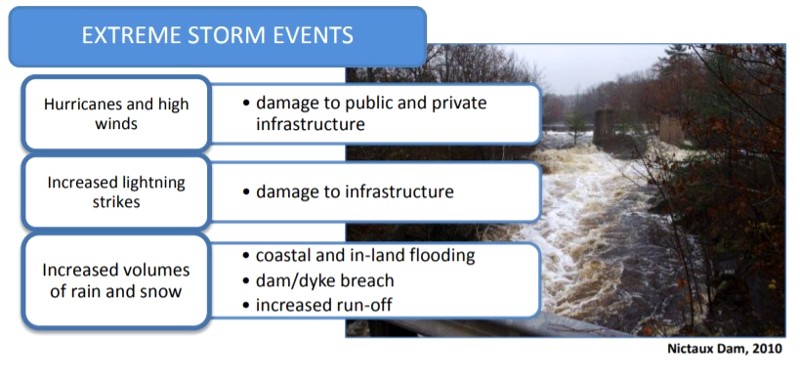
Friday, we endured another Winter storm; rain and melting snow. The result was flooding at the junction of Highway #201 and Paradise Lane. Jack Pearl’s farm house was an island. Towards Bridgetown, the Annapolis River had overflowed its banks. I wonder if there was any aerial photography — demonstrating the impact of climate change in the County.

And, how does this mesh with the Municipal Climate Change Action Plan?

Image from Annapolis County Municipal Climate Action Plan (2013) p.10

Sunday, we extended our exploration to Annapolis Royal. Heather wanted to stop at the Red Onion Market health food store. I wanted to drop into the Mad Hatter bookstore. On the shelf, I found Another Plague Year Reader, a sampler of books published by Gaspereau Press in 2021. It was FREE.

The Reader includes an interview with Andrew Steeves, examples of poetry publications, prose and limited editions.Finally, books likely to appear in 2022.

February 2022 marks the 25th anniversary of Gaspereau Press.

February 2022 marks the 25th anniversary of Gaspereau Press.

In the words of Steeves (p.13) :

”I tend to think that the most important thing we have been doing is helping and equipping others, whether by providing cultural infrastructure and support to authors in the here and now or by providing an example, an imaginative and philosophical framework that perhaps others will be able to build on in the future.”

”For me the anniversary makes me think about our role in the complex life of the community, alongside writers, readers, booksellers, librarians, historians, artists and our printing clients. I feel that this work has allowed Gary and me to have a meaningful impact on the cultural landscape at this time and in this place, however subtle.”

Poets and authors in the sampler include Bren Simmers, George Elliott Clarke, Soren Bondrup-Nielsen and many others. Gaspeau Press produce books that are a pleasure to read and hold.

Acknowledgements

Debby and Rocky Hebb for their watchfulness. Andrew Steeves and Gary Dunfield for ’making books that reinstate the importance of the book as a physical object’. Edward added the graphics and the links. Heather shared the journey.

References

Municipality of the Annapolis County, 2013, Municipal Climate Change Action Plan

Another Plague Year Reader, 2020, Gaspereau Press, Kentville.

Posted in biographical sketch, Book Review

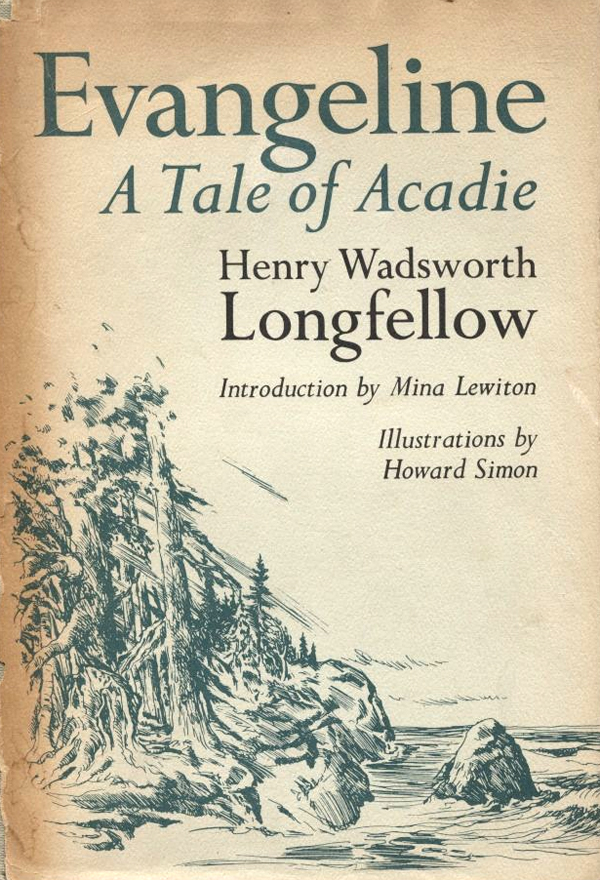
Evangeline

This Monday, I had to take Heather to the dentist in Bridgetown. While waiting, I stopped for a coffee at the aRoma Mocha café.

I noticed an old copy of Longfellow’s Evangeline on the counter. The price was marked at five dollars. The cafe owner allowed me to buy it.

The small book was published by MacMillan Company in 1914. The inside cover bears the stamp of Frontier College ’founded in 1900 to promote Camp Education. This book provided for the use of men in camps.’

The book includes an introduction to Longfellow’s Life and Works, the Acadians and the Metre of Evangeline, and maps of both Nova Scotia and Louisiana.

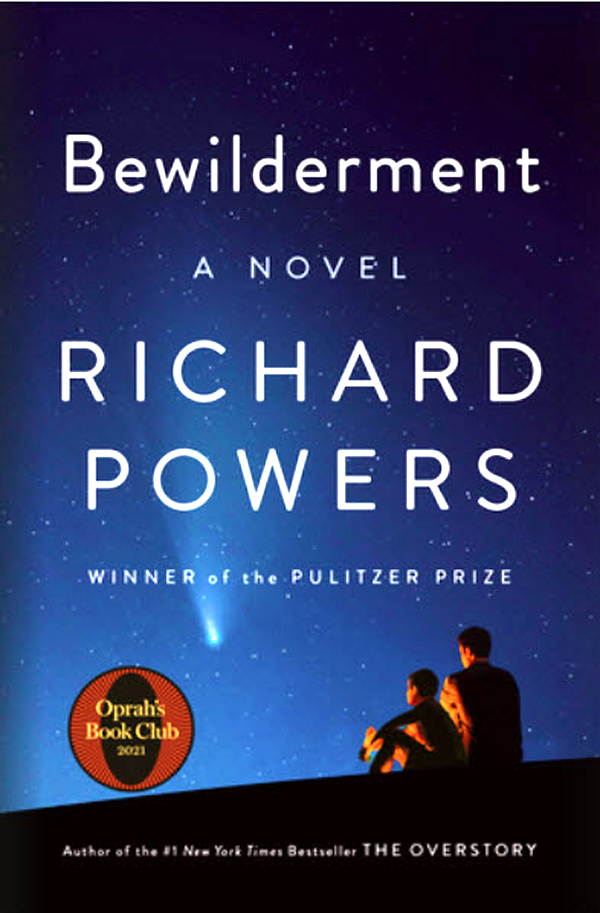
It offered a strong contrast to my latest reading, Richard Powers Bewilderment; a novel about Theo Byrne, an astrobiologist, and his relationship to his son, Robin.

What can a father do when the only solution offered to his rare and troubled son is to put him on psychoactive drugs? What can he say when his son comes to him wanting an explanation for a world clearly in love with its own destruction?

This book is a remarkable story, following his previous, Pulitzer-Prize Winning book ’The Overstory’. ‘Bewilderment contains overtones of Greta Thunberg. Check out CBC Writers and Company, October 29, 2021, interview with Eleanor Wachtel.

Postscript

In Panama, they recently have named a new species of frog after Greta Thunberg.

Acknowledgements

To my old school friend, Andrew Ronay who had expressed an interest in the Story of Evangeline. Edward added the graphics and links. Heather maintains her fascination with both birds and plants. For Richard Powers; his geography is the Great Smoky Mountains, Tennessee. For us, it is the Acadian Forest, and beyond.

References

Henry Wadsworth Longfellow, 1914, Evangeline (Edited with notes and introduction by Lewis B. Semple), MacMillan Company.

Richard Powers, 2021, Bewilderment, Random House Canada.

Eleanor Wachtel, CBC Writers and Company, October 29, 2021, Conversation with Richard Powers.

Posted in biographical sketch, Book Review

Not moles

voles, not moles is the fifth book written by Soren Bondrup-Nielsen and published by Gaspereau Press.

This book is a memoir describing his career conducting biological research in Canada, as well as Northern Europe (Norway, Finland, Poland and Russia). The research subjects included birds and voles.

Perhaps most interesting for me were the end chapters describing his teaching at Acadia University, within the Annapolis Valley landscape.

The Mi’kmaq have a concept called netukulimk, which means to live sustainably by not taking more than you need. Survival is ensured by looking after society and the environment’ p.225.

Western societies today appear to have lost touch with these widespread and ancient human values. Humans now seem to be preoccupied with the individual and with amassing possessions so much so that our sense of community is diminishing. How has that change come about?’ p.226.

We are part of nature, and if nature is not sustainable neither are we. We must learn that wealth cannot be measured only in terms of money.’ p.231

Co-operation for the united benefit of society and the biosphere must be our new mantra.


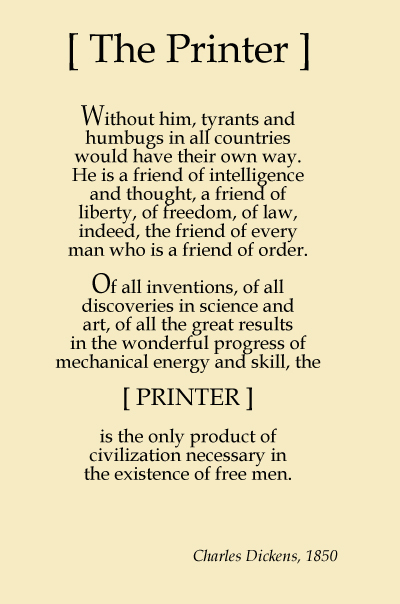
This morning (Tuesday), I visited Integrity Printing in Bridgetown. They had previously printed the text from my blogs (Volume 1-5). I requested Volume 6 for 2021. Together, this represents over 370 blog entries. While there, I asked Stephen Bezanson If I could photograph a poster on the wall. It is a quotation from Charles Dickens.

Postscript

Just arrived in New Glasgow. Highway #101 was excellent. Highway #104, over Mount Thom, not so good. down to a single lane.

Acknowledgements

Integrity Printing for their excellent work. Edward Wedler for his excellent work too. Heather shared the day-to-day events.

References

Soren Bondrup-Nielsen, 2021, voles, not moles, Gaspereau Press, Kentville.

Charles Dickens, 1850, The Printer.

Posted in biographical sketch

Missed News

On Friday, I stopped at the Lawrencetown library to pick up an inter-library loan, Bewilderment by Pulitzer Prize-winning author Richard Powers.

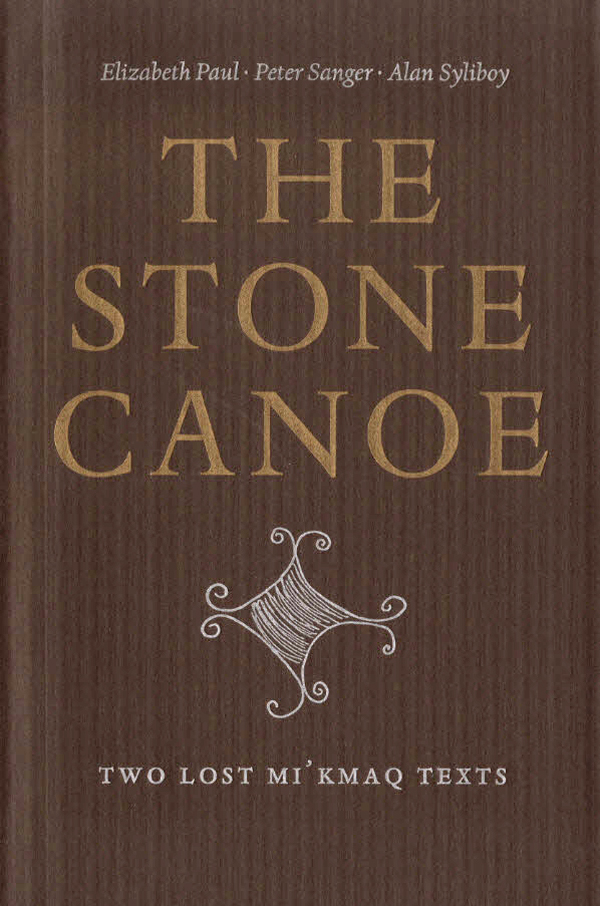
While there, I noticed the Annapolis Valley Register, December 16. ( We were away on that date, in Iqaluit). The front-page story was the unveiling of a mural by Alan Syliboy at the Kings County Museum in Kentville. He calls it Little Thunder and the Stone Canoe. The book was published by Gaspereau Press.

Over the weekend, I researched their catalogue and found Peter Sanger, Elizabeth Paul, Alan Syliboy The Stone Canoe: two lost Mi’kmaq texts.

Incidentally, I found two new (to me) publications by Henry David Thoreau, The Library a Wilderness, and Man is Altogether Too Much Insisted Upon.


This weekend, we endured our second major Winter storm. The end result was that we could not obtain the Weekend edition of the Chronicle Herald. Power was returned within hours. Heather, and I could relax and enjoy PBS Maine. Judy Dench in “As Time Goes By”, and John Cleese in “Hold the Sunset”; both suitable for retired husbands.


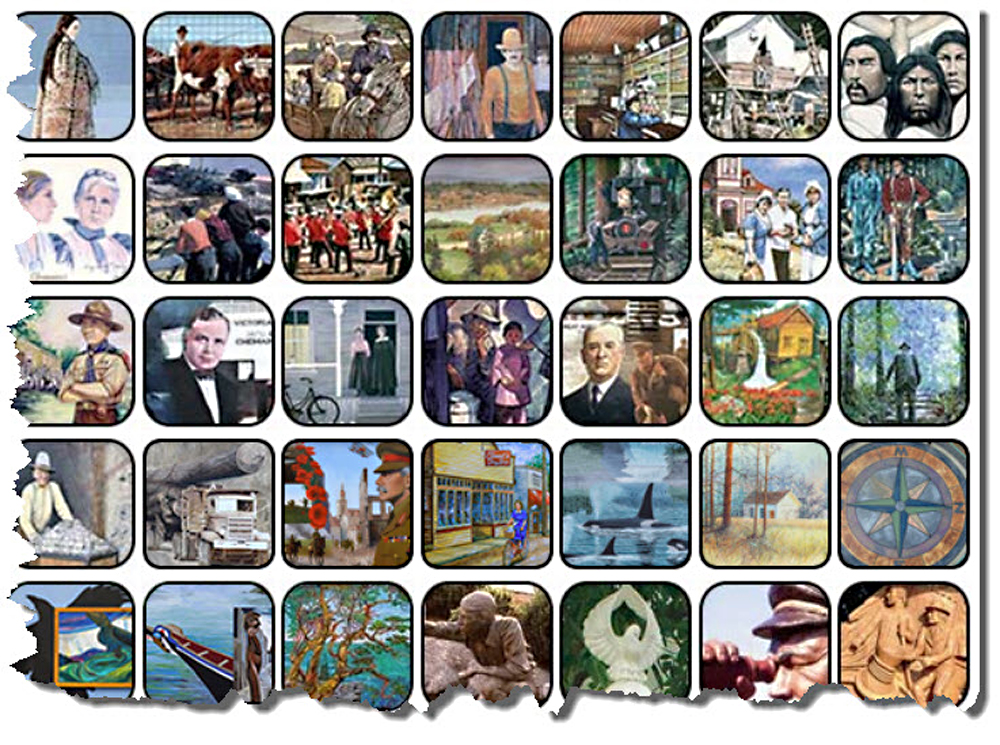
Edward Wedler reminded me about the success of murals in Chemainus, BC on Vancouver Island. There are community lessons to be learned here. We both recognized the value of the creative rural economy and the importance of place-based engagement.


Finally, a word of thanks to the local libraries for printing out vaccination passports. We were able to add the booster information from the walk-in clinic at the Middleton fire hall. Thanks, Jaki.

Acknowledgements

Heather shared the snow removal, the reading, and entertainment. Edward made his usual contribution. Jaki Fraser assisted at the Library.

References

Richard Powers, 2021, Bewilderment, W.W. Norton

Peter Sanger, Elizabeth Paul, Alan Syliboy, 2007, The Stone Canoe: two lost Mi’kmaq texts, Gaspereau Press.

Henry David Thoreau, 2021, Man is Altogether Too Much Insisted Upon, Gaspereau Press.

Henry David Thoreau, 2021, The Library a Wilderness, Gaspereau Press.

Posted in biographical sketch

Rediscovering Home Place

After being away for almost a month, it is tough to return to Nova Scotia in a COVID winter. There is, of course, good news.

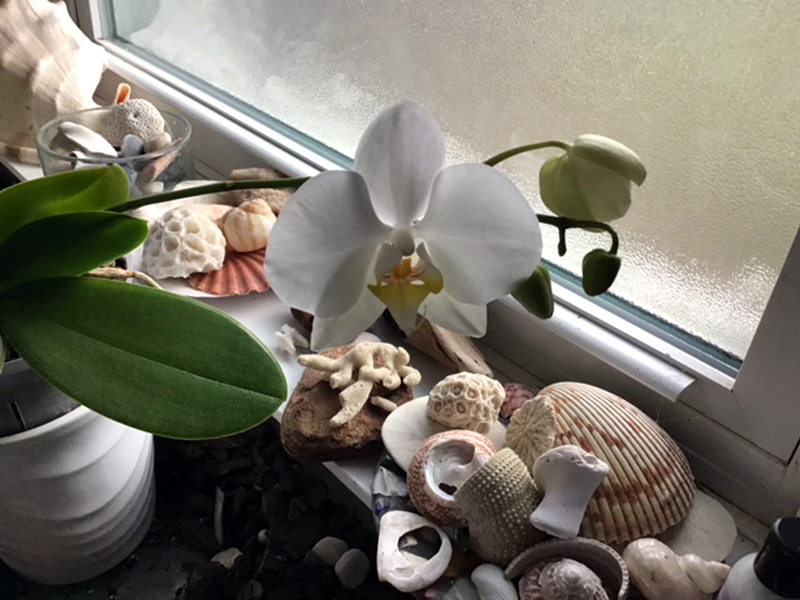
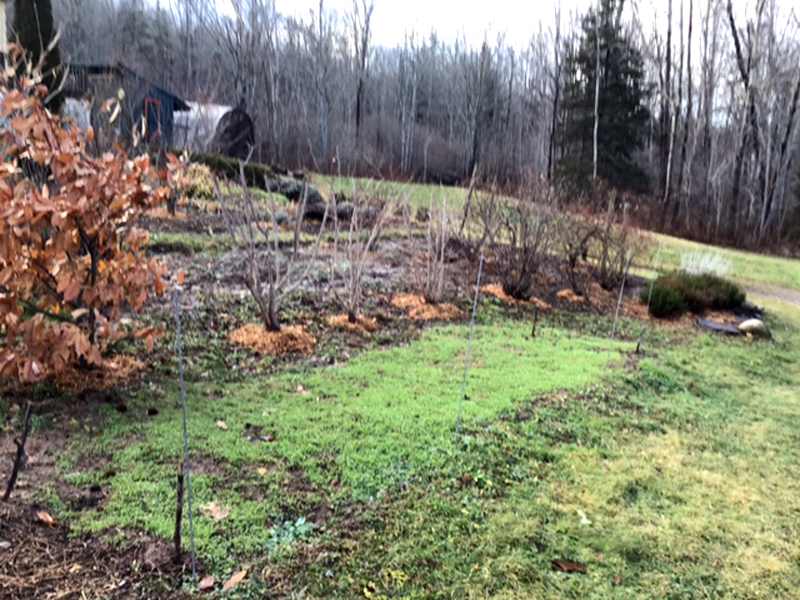
While we have been absent, the orchids and Amaryllis continue to grow and flower. It is warm outside. We can appreciate the clover cover crop and the chipper mulch.

It is warm outside. We can appreciate the clover cover crop and the chipper mulch.

We dream about an electric car, charging station and additional solar panels on the garage roof. Time to think about Spring renovations.


What did we learn from the North that has direct application in Nova Scotia? It is a global society. We can effectively apply geographic technologies to our management of the landscape, whether forestry, agriculture, fisheries or mining.

The issues of climate change and COVID are both global concerns. We must, at our home place, understand and monitor these changes in our environment. It begins at the community level.

There is a role for the private sector in developing new technologies, and for educational institutions in both research and the application of these technologies.

We must continue to be vigilant, as we react to government response. Changes can happen at the political level, but we must monitor closely the actions of our institutions, e.g. civil service, schools, hospitals, universities and colleges, and continue to question the values evident in day-to-day society.

This week, my reading has diminished. Perhaps a trip to Gaspereau Press, Kentville will provide inspiration.

Postscript

A sign of the times. While we were away, we now have new neighbours on our side of Highway #201. Across the road, our neighbours have rented to a couple looking to move from BC. In addition, new owners are building a house on the West Inglisville road. Change, a new demographic, is healthy for rural communities.

Acknowledgements

Edward added the graphics. Heather’s green thumb grows the plants.

Posted in biographical sketch

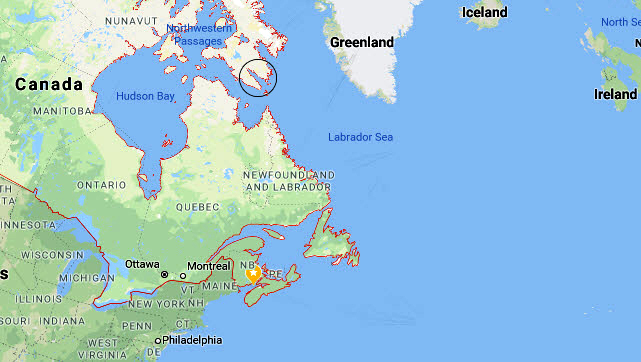
Lessons from the North

Winters are changing in the North.

The sea ice is not closing in as early. It is more difficult to reach the flow edge.

This year, we were not able to dog sled or skidoo out to the cabin because of ice conditions.

Under COVID, the importance of electronic devices and Internet service is critical to the sense of community.

We spent more time indoors, playing traditional games: jigsaws, crosswords. Also, a new suite of board games: Swish, Photosynthesis, Ticket to Ride. These games showed the sophistication of game design.

It would appear that there is an opportunity to marry game design with GIS technology. We could develop new games based on the lifestyle of different geographies.

Imagine games that explore the lifestyle of living close to the land in Nunavut?

Another lesson is the food availability in the North. During our stay, we were treated to musk ox, ptarmigan, and Arctic char. Perhaps this is the basis of the ’palaeo-diet’ in the North?

Visiting Nunavut in the festive season, there was the opportunity to share some of the bizarre entertainment rituals of the South (e.g. TV shows). Take, for example, Mr. Bean’s Christmas or the National Lampoon Christmas; a far cry from present-day reality but a bridge across the generations.

The overriding message is that it is easier to explore these different geographies if you can access supportive geographic technologies.

“A Taste Above the Rest”

Understanding the impact of global changes, whether COVID or climate, on lifestyle and communities in different parts of Canada and beyond, demands such access.

That does not diminish the fact, with aging, these environments present added challenges. We look forward to our return to Home Place, and the nearby, suitably named Last Hope camp.

Acknowledgments

To Andrew, Julia, Quinn and Isla who made our stay possible and enlightening. Heather showed her usual adaptability. Edward added his touch.

Posted in biographical sketch

From the North

Friday, we safely made the transition from the Annapolis Valley to Iqaluit, Nunavut. Two flights through well-masked airports. This will be the last blog about the South for a while. (Woke up this morning to blizzard conditions).


From Laura Bright, at the Last Hope Camp.

Last Hope Camp image from Extinction Rebellion Facebook Page

”A storied landscape is the opposite of a commodity. Commodities are anonymous, interchangeable. They are bought and sold without feeling. The Mi’kmaw people never believed anyone could own Mi’kma’ki. They entered into Treaties of Peace and Friendship with Settlers. They never ceded the land. No indigenous culture treats land as a commodity. Land is sacred. Land is storied. It is time to listen and learn a different way to respect the land and the animals and each other.”


From Edward, CBS News: Fogo Island: Bringing new life to a remote Canadian fishing community (view the video).

Fogo Island image via CBS News

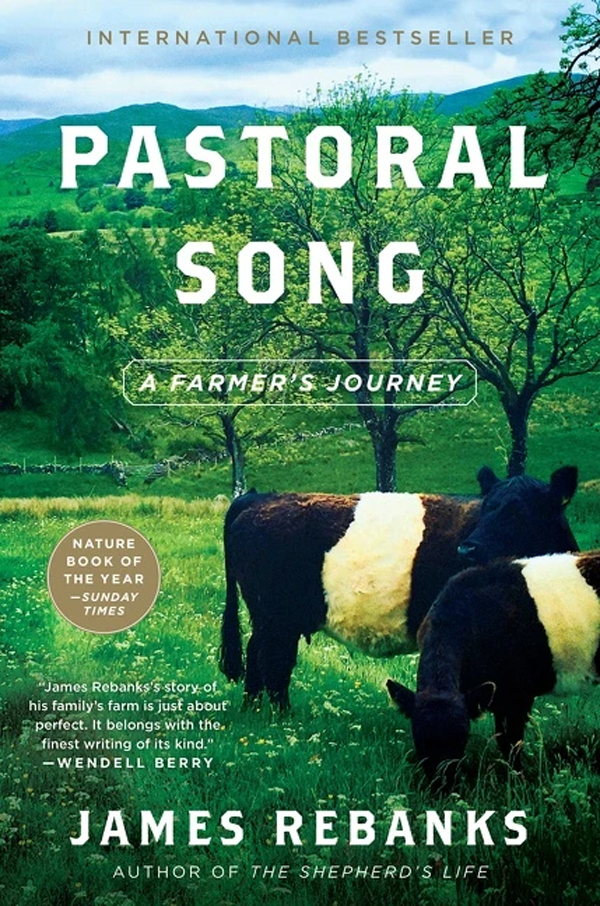
The final story about Place is James Rebanks’, Pastoral Song: A Farmer’s Journey about farming in the Lake District.

This is a book about what it means to love and have pride in a place and about how, against all odds, it may still be possible to build a new pastoral.”

Acknowledgements

Laura Bright for the quotation about storied landscapes. Edward for finding the Fogo Island link. Heather has travelled North with me.

References

James Rebanks, 2020, Pastoral Song: A Farmer’s Journey, Custom House.

Postscript

We look forward to rediscovering the changes in Northern life. It has been a couple of years. From the Qikiqtani Inuit Association, Inuit Myths and Legends. Inuitmyths.com

From the bookshelf, Qaunaq Mikkigak and Joanne Schwartz, 2011, The Legend of the Fog, Inhabit Media.