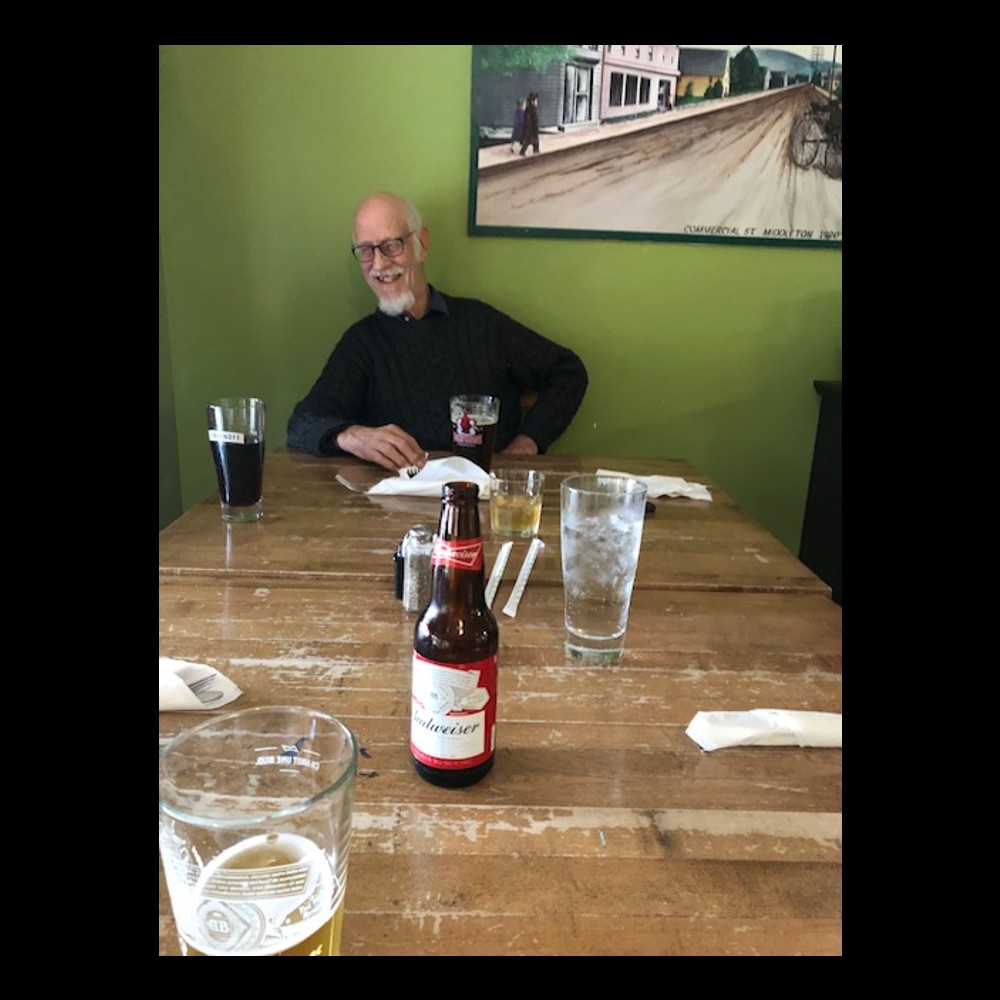
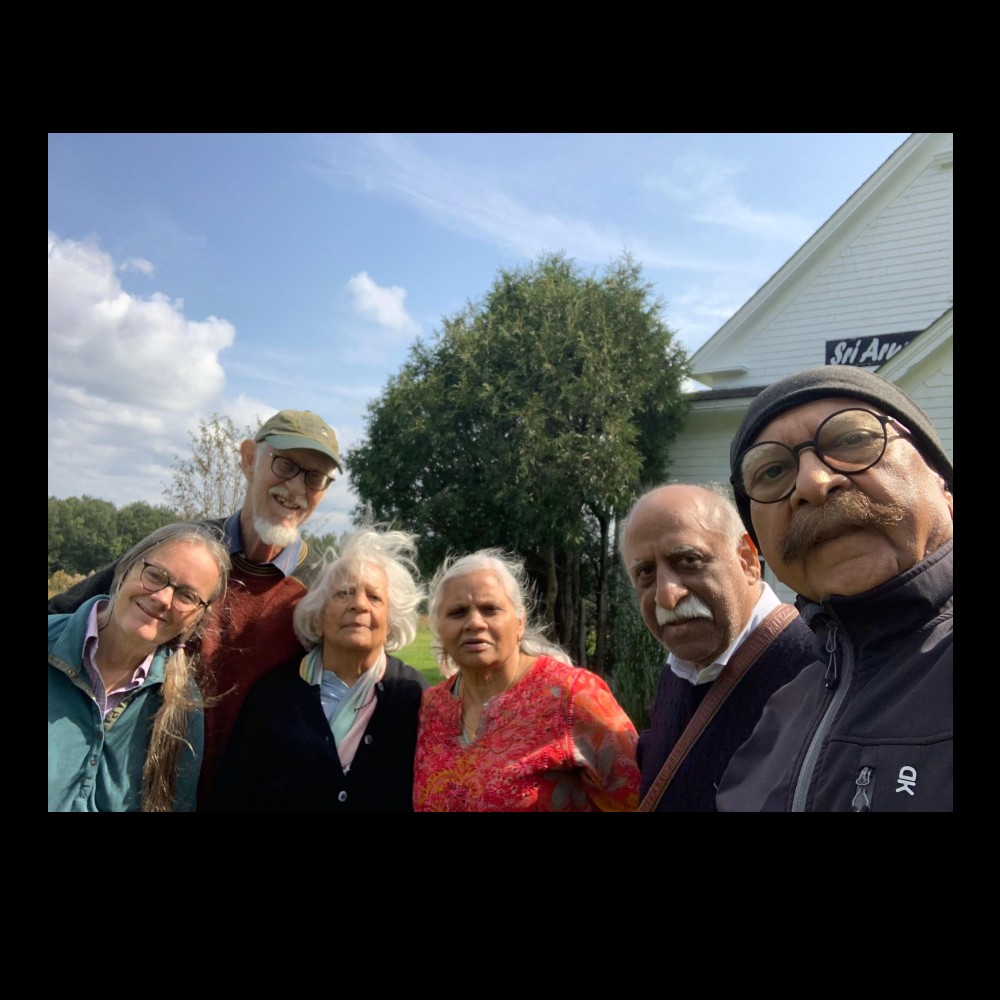
This blog post complements ‘ Hidden Treasures’. Neither Heather or myself are very confident taking and sharing photographs with our cell phone. Viram provided us with photos from his visit.
Old Meadonians and wivesHeather and MiraAnnapolis ValleyEnjoyingSelfie at AshramThe Ashram
Old Meadonians and wives
Heather and Mira
Annapolis Valley
Enjoying
Selfie at Ashram
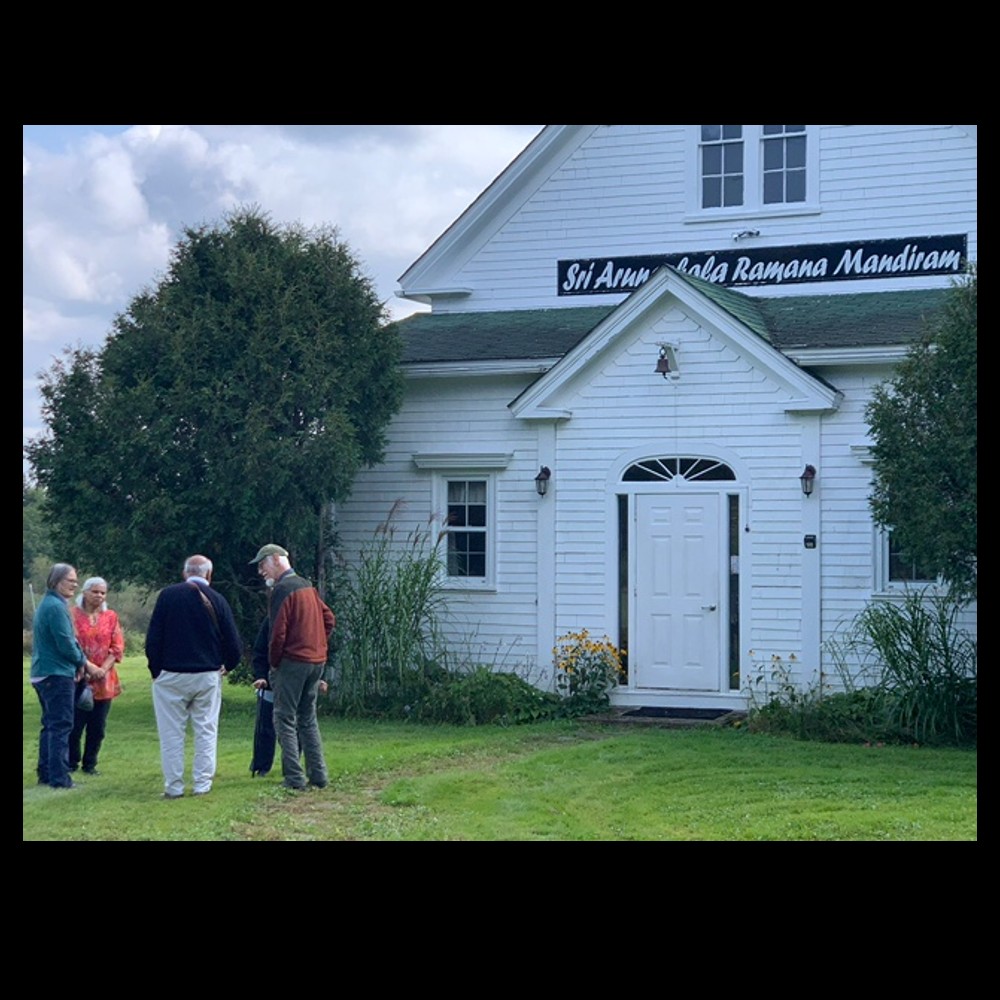
The Ashram
On Wednesday, we attended Deb McBean’s presentation on cellphones at CORAH (Centre of Rural Aging and Health), NSCC Middleton (see earlier CORAH post). There were about thirty attendees, mainly retired citizens. The presentation covered the language of cell phones. There are a series of smaller, hands-on working groups scheduled for both Apple and Android phones.
Jennifer Westman announced that there will be new CORAH programs at the NSCC campuses in Port Hawkesbury and Shelburne (https://nscc.ca/corah).
On Thursday, we went to Kejimkujik National Park to walk the Peter Point trail. When we returned home, we discovered no Bell Aliant service. For two days, we were without telephone (land line), TV or Internet. There was a technical problem in the Bridgetown- Lawrencetown geographic area.
This serves to illustrate a problem in rural Nova Scotia. Not only do we need reliable infrastructure, we also need access to the technology for an aging population, and access to practical, hands-on problem solving. If we do not address this inter-generational issue, then we lose access to a significant community human resource. CORAH is but one small step towards inter-generational education.
Acknowledgements
Viram provided the photographs. Edward brought his graphics skills to the table. Heather walked the same trail.
One of the delights, when you have visitors from afar, is to discover hidden treasures in your home landscape. This week, with Viram’s visit, I discovered two treasures.
First, Dhiren was interested in golf. This resulted in a visit to Eden Golf and Country Club in Paradise. I had driven by, many times, but never stopped to enquire about the facilities, green fees etc. A delightful spot that can be appreciated, even by a non- golfer.
The second treasure was the Arunachala Ashrama in Clarence. Again, many times, I have driven by, on my way to Bridgetown. This time, I stopped; the door was open. We returned with Viram, Mira, Dhiren and Bharti later in the afternoon.
From the brochure:
Nova Scotia Ashrama. Amidst the gently rolling hills and quiet rural surroundings of the Annapolis Valley, an intense life of prayer and meditation is practiced by a few residents of the Nova Scotia Canada Arunachala Ashrama. A temple ‘Sri Arunachala Ramana Mandiram’ was inaugurated in 1975.”
” Happiness is inherent in human beings and is not due to external causes. You must realize your SELF in order to open the store of unalloyed happiness.”
During Viram’s group visit, besides enjoying vegan meals at the Air B & B in Cottage Cove, we had the opportunity to enjoy Germanic food at both the Edelweiss Inn, on the Mount Hanley road, and the German Bakery in Annapolis Royal.
Postscript
The best view of the Valley is from the lookout in Valley View Park. You can look down on the mosaic of fields, pick out the Annapolis River, and Hwy #101 going up over South Mountain to Annapolis Royal. Awesome !
Edward was away this week.
Acknowledgements
Thanks to Viram, Mira, Dhiren and Bharti for opening our eyes to the hidden treasures. Darlene for information on the Ashrama. Heather for companionship and support.
References
Arunachala Ashrama. Bhagavan Sri Ramana Maharshi Center
Viram describes the experience in his memoir (Independence to Freedom, Chapter 6). Our paths have crossed a few times in the subsequent sixty years.
Both of us have shared a common interest in Geography. Both of us were influenced by Hank Williams, the geography teacher at Chiswick. Besides visiting ‘East of Eden’ what has rural Nova Scotia to offer?
Here is my top-of-mind list. We enjoy the landscape and will enjoy the ability to step from the Valley, go over the mountain ( North or South) to arrive on the shores of the Bay of Fundy. Viram and family have found an Air B & B in Cottage Cove. Our first stop will likely be the Edelweiss Inn on the Mount Hanley road.
Given Viram’s cultural background, I thought it would be fun (for me) to check out the local Indian restaurants. I found that there is an Indian Take-Out in Bridgetown — The Indian Masala House. I noticed too that The Brown Dog Kitchen in Annapolis Royal offers Indian Take-Out too. For more Nova Scotian fare, there is The Crow’s Nest in Hillsburn, or we could head up the Valley, to check out the wineries. In the few days available, we may not get beyond the borders of Annapolis County.
Postscript
In preparation for Winter, we had a delivery of two cords of firewood from M & M Firewood in Bridgetown. This will be back-up for the residual in the woodshed from last year.
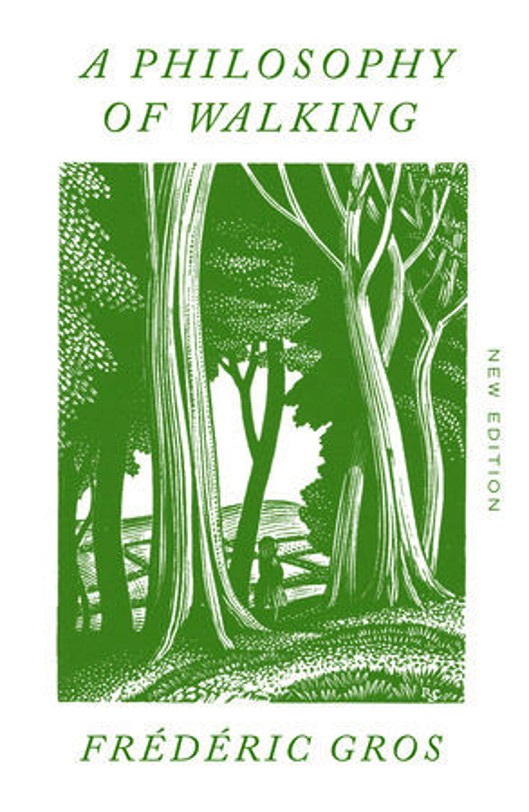
”We do not belong to those who have ideas only among books, when stimulated by books. It is our habit to think outdoors – walking, leaping, climbing, dancing, preferably on lonely mountains or near the sea where even the trails become thoughtful.”
On another book, Friedrich Nietzsche’s The Gay Science — Besides Nietzsche, the book introduces the thoughts of Rimbaud, Rousseau, Nerval, Thoreau, Gandhi, Kierkegaard, Kant and Holderlin.
Acknowledgements
Heather shares our home and the walking in Paradise. Edward has a talent for online graphics. Viram will make us see the landscape through fresh eyes.
It’s Saturday (Sept. 16) no power, no Internet in Paradise because of post-tropical storm Lee. ( Power back at 1 pm)
Yesterday, I had the opportunity to attend two GoGeomatics sponsored events. 1) Third annual GoGeomatics COGS Industry and Career panel. 2) GoGeomatics Back to School Social at Lunn’s Mill.
First, I want to acknowledge the contribution of Jonathan Murphy and Ted MacKinnon, both graduates of the Applied Geomatics Research program in the early 2000’s. Jon went to Ottawa and has established GoGeomatics Canada. Ted has been working for Natural Resources Canada, and supports GANS in Nova Scotia.
The first event was a panel in the afternoon, in the AV Room at COGS, Lawrencetown to answer student questions about career opportunities and the state of the industry.
David Maclean organized and hosted the technology so that students could ask questions and participate online.
The panelists
Tim Webster, colleague at AGRG, described the types of technology and applications for their research in Middleton.
Various forms of remote sensing, LiDAR applied to modeling the impact of of sea-level rise and storm surges.
Jonathan Murphy, explained the role of GoGeomatics in assisting Geomatics graduates find employment in Canada, and beyond.
Examples of his efforts include forthcoming GeoIgnite Western Canada Career Fair in Calgary, November 7-8th and their online magazine and job listings.
Ted MacKinnon gave an inside look into the application of Geomatics technology in the federal government, in the region, and specifically at Natural Resources Canada.
Finally, Simeon Roberts, Executive Director Association of Nova Scotia Land Surveyors, private consultant and ex-faculty at COGS explained the options for COGS graduates seeking professional surveying qualifications.
From the number of COGS students, and the types of question, I would judge it to be a useful panel. Afterwards, conversations were continued at Lunn’s Mill. This was convenient, since later, I could walk home along Highway #201 to Paradise.
David MacLean provided some current enrolment numbers on programs at COGS ( in person, and online).
Remote Sensing 9 Geospatial Data Analytics (GDA) 14 GIS 19 in person; 23 online Marine Geomatics 6 Cartography 16+ GIS Tech High single digits Many in Programming; lots in Surveying.
From my conversation with students, it seems that the new wing at the front of the building is being used as a residence, housing thirty plus (30+) students.
Outstanding Questions/ Observations
It would be extremely helpful to understand the exact number for each program, divided according to in-person and online. What level of interaction exists between in-person and online in each program? What level of technical support is offered to online students?
A second key question concerns projects with industry/external agencies. Traditionally (from my historic perspective) students would undertake a co-operative project with an industry, government or not-for-profit group. What infrastructure/support exists to manage these capstone projects? They are both learning opportunities, and they present challenges for the college administration. This would be particularly true, for off campus students.
An auxiliary question. What are the specific benefits of being in a particular ‘place’, namely rural Nova Scotia (Annapolis County)?
In ‘my day’ we would argue the benefits of studying in a rural part of Canada, to allow intensive learning about new technologies. Is that still true?
My Day : 1980-2011.
Acknowledgements.
I appreciate the contribution of the panelists. The coordination of David MacLean. Jonathan Murphy and the sponsorship from GoGeomatics Canada.
Postscript
Just stepped out for a coffee and a locally-made sausage roll at the Bees Knees in Lawrencetown. Another find, within walking distance of the house. Could become a new habit !
Earlier in the week, I met with Debby and Rocky Hebb for breakfast. Deb handed me, College of Geographic Sciences, Memories 1991. I will share with John Wightman over a beer.
In recovery mode, after car troubles in Halifax on Saturday, we took a drive to Annapolis Royal.
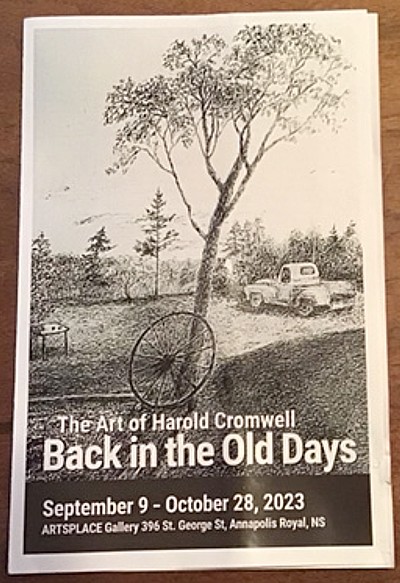
We wanted to see the Art of Harold Cromwell, Back in the Old Days exhibition ar ARTSPLACE gallery (September 9 – October 28). Ray Cronin provides an excellent overview of the artist and his work (see handout).
’Cromwell’s work depicts life in a rural community in the early twentieth century and is laced with humour and wry observation’.
I particularly enjoyed the search for deer hidden in his pen and ink drawings.
In the spirit of meditations on walking, we took the trail through Valley View Park to the communications tower. This led to thoughts on the role of ‘plein air’ art in the appreciation of landscape, and how the results would differ, depending on the artist and the medium. For Edward, water colour. For Anne, oils. The selection of subject matter would also depend on the interests, previous experience etc. It would be interesting to compare the results.
Unfortunately, because of car trouble, I did not have the time to look closely at the different paintings by Anne and Edward at the Teichert gallery on Thursday evening. Perhaps another day, or another event.
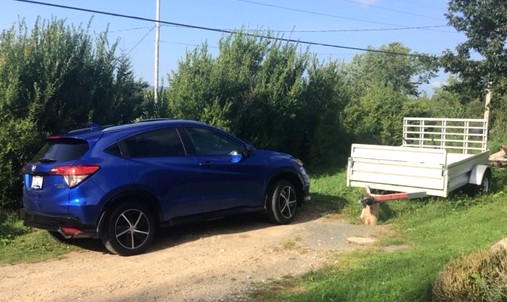
Our “new to us” vehicle.
Postscript
Visiting Inglis Heritage Farm brought back fond memories of managing the organic orchard planted by Raymond Hunter, across the road. It is now owned by Rob Jarvis and Sinead Wills (see posts “Naturally Rooted; Hunter’s Brandy” and “Times Have Changed“).
Acknowledgements
Foremost, the Canadian Automobile Association (CAA) technical support for getting us out of our car troubles. Thanks to Kings Honda who transitioned us into a new (to us) vehicle in short order. Edward and Anne provided cause for meditation. Heather and I are grateful for everything.
References
The Art of Harold Cromwell, Back in the old days, September 9 – October 28, 2023. ARTSPLACE Gallery Annapolis Royal, Brochure by Ray Cronin, former Director, Art Gallery of Nova Scotia.
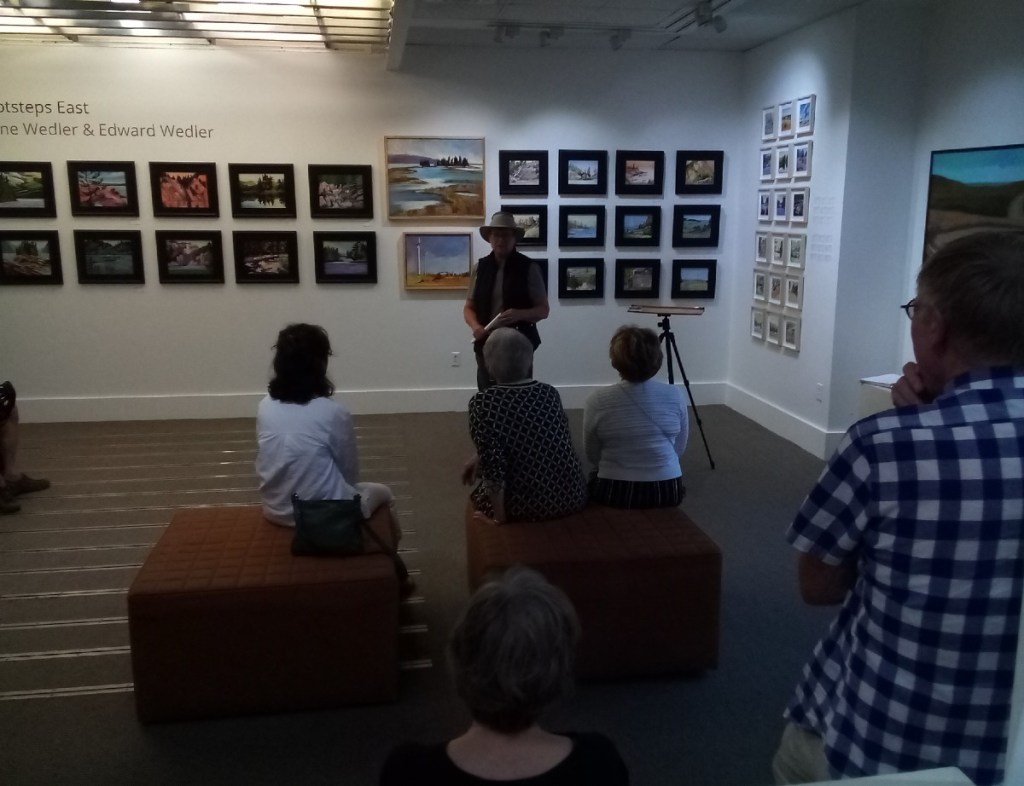
We went into Halifax (5 pm Thursday) to attend the opening reception of Footsteps East at the Teichert Gallery.
Anne and Edward gave a talk on their experience: the logistics, the impact of Summer storms, their understanding of the geology (landscape) and the changes in travel since the Group of Seven days ( from railroad to highways).
With hindsight, the book was appropriate. We parked underground at the Muir hotel. Only to discover that the electric system had failed on our Honda CRV. This led to an overnight stay at the Muir.
” Welcome to the Muir, and to refined, distinctly Nova Scotian hospitality on the Halifax Waterfront. “ Born of this Place, “Muir (Scottish Gaelic for sea) takes inspiration from the forces that have shaped Nova Scotia and its people.”
After contacting CAA, we eventually managed to book a tow truck for the next morning. This took us to Kings Honda in Kentville. After some deliberation, we decide to trade in our Honda CRV (2014) with 350,000 km for a Honda HRV (2021) with 35,000 km..
What was to be a quick visit to the city to hear Edward/ Anne’s talk, turned into a confrontation with the changes in technology in urban Halifax, in terms of our overnight stay but also the need for reliable transportation between city and the country.
Acknowledgements
The presentation by Anne and Edward served to illustrate the level of preparedness necessary to undertake a six week road trip, including the artistic equipment. Heather and Sandy Stewart shared the harrowing experience of vehicle breakdown in the city.
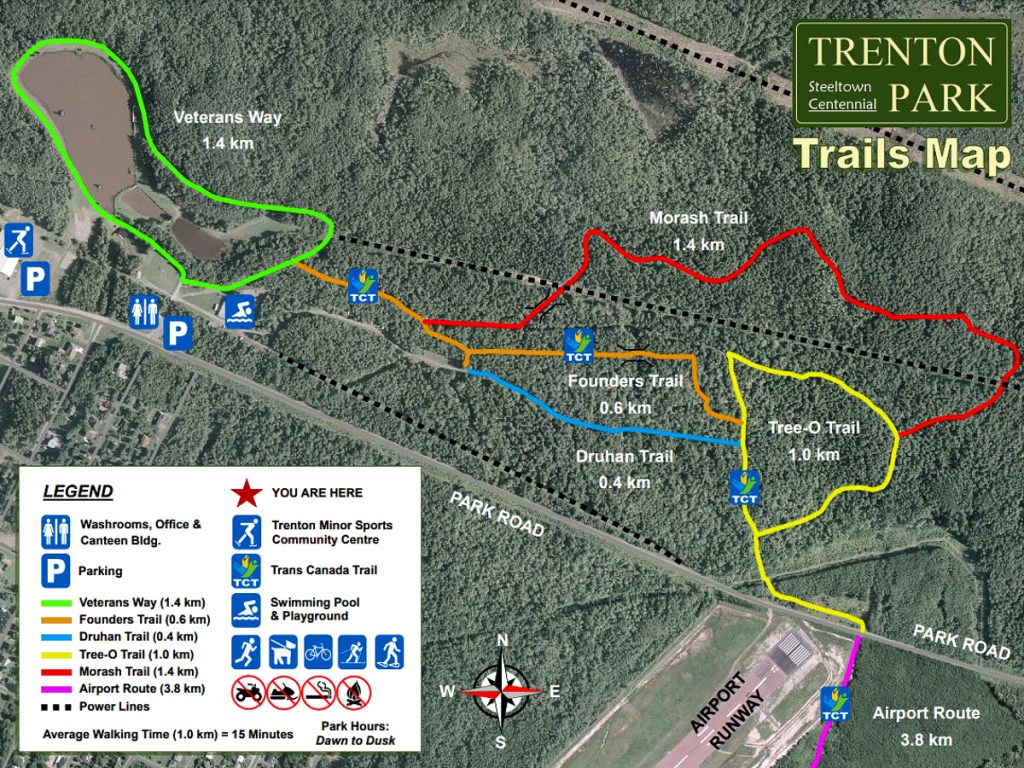
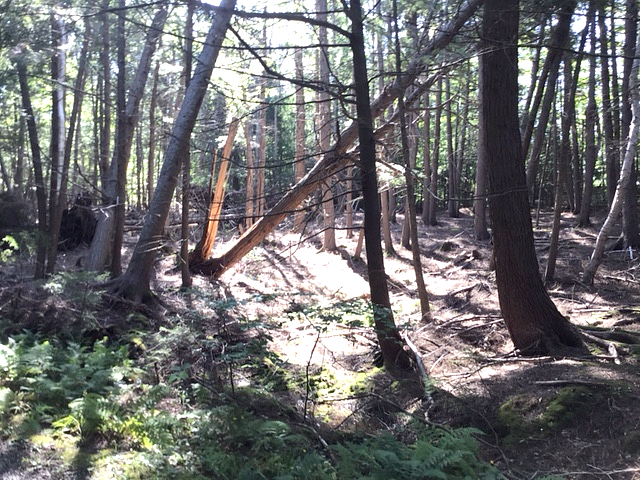
When we go to New Glasgow, we often take the opportunity to walk the Veterans Way around the lake at Trenton Park. This time, we took a different path, the Morash trail and Tree-O trail. We were surprised by a number of items.
The trail was still heavily impacted by the results of Tropical Storm Fiona. It seemed that the trails permitted severe blowdown in the Hemlock forest. Almost a year later, the uprooted trees remained, and the trail was almost impassable.
There was no signage to warn about the condition of the trail. Indeed the trail maps showed on the legend a symbol, “You Are Here” but the symbol was not on the map.
On the positive side, there was considerable growth of fungi, along the trail edge.
Trenton Park is a remarkable community resource for all ages. Besides the trail system, there is a pool, playground and cafe. It is well used by a wide range of age groups from pre-school to seniors.
I find it surprising that there appears to be no consistent province-wide attempt to clean up the deadfall, particularly on crown land. Perhaps, we need Social Forestry in Nova Scotia.
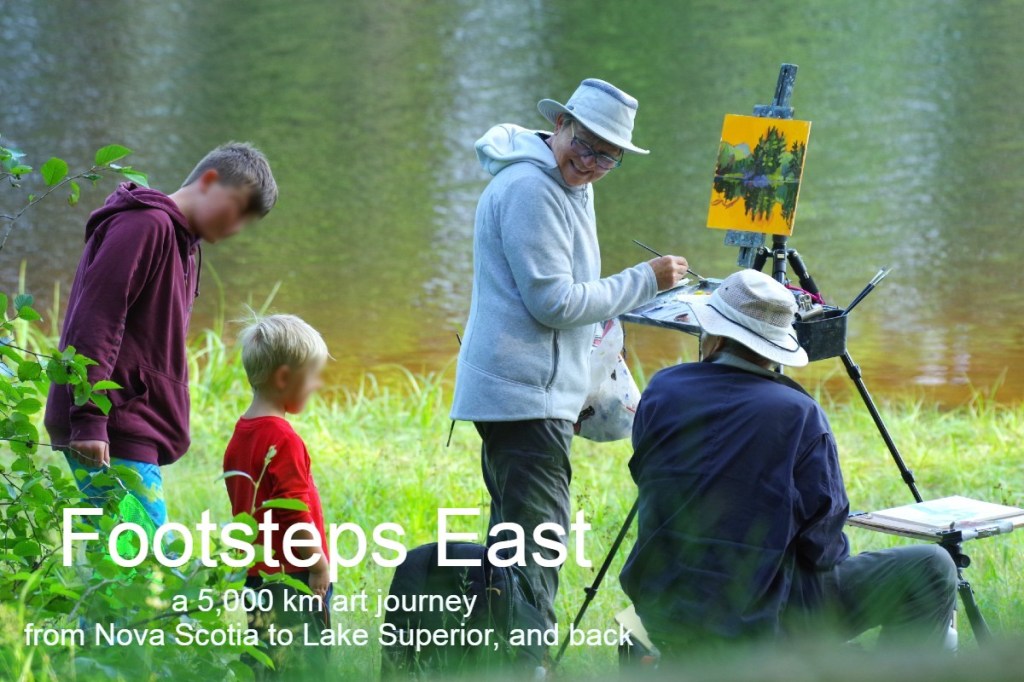
Yesterday, we drove up to New Glasgow. En route, we stopped at the Teichert Gallery in Halifax. It was the opening day of the exhibition “Footsteps East, en Plein Air, Nova Scotia to Lake Superior by Anne and Edward Wedler”. This collection of oil and watercolour landscapes is the culmination of a two- year journey, inspired by locations visited by Canada’s Group of Seven artists.’.
Algonquin Park, Ontario, where Anne and Edward meet young art lovers
Unfortunately, the gallery was still in the process of hanging the paintings. We did bump into Edward and Anne. We promised to return when the exhibition is underway.
The previous afternoon, I attended the AGM of CANMAP Research Institute. Historically, CANMAP has funded awards for best student in various programs at COGS.
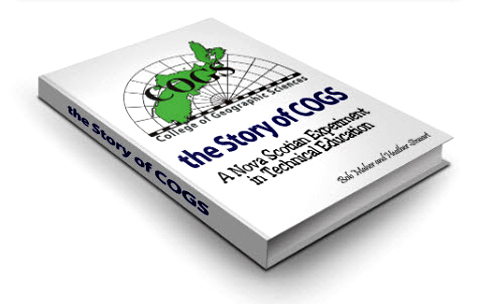
This reminded me of the Story of COGS.
t was initially the Nova Scotia Land Survey Institute (NSLSI), then the College of Geographic Sciences (COGS) (1986), then the Centre of Geographic Sciences, a sub-campus of the Annapolis Valley campus (Middleton), NSCC.
On September 15, GoGeomatics and others are attending a Back to school social at COGS. This raises a number of questions in my mind.
Given the increasing online learning, what happens to a ‘sense of place’?
Where did the Geography go?
What happened to Lawrencetown when they closed the co-op?
What will happen to COGS when all the programs are online?
What happens to ‘place’? Viz-a-viz Lawrencetown?
The same as when they closed the co-op?
When did Geographic Sciences turn into Geomatics technology?
Returning to my relationship with Edward. We have shared (supported) a number of common experiences.
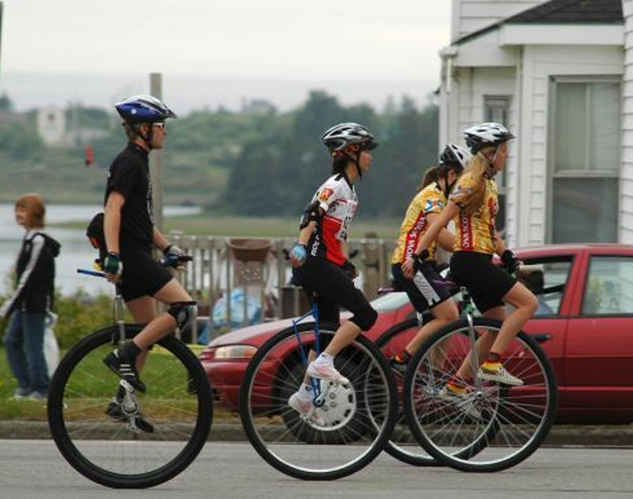
Ride the lobster An international unicycle relay around Nova Scotia from Yarmouth to Baddeck, Cape Breton.
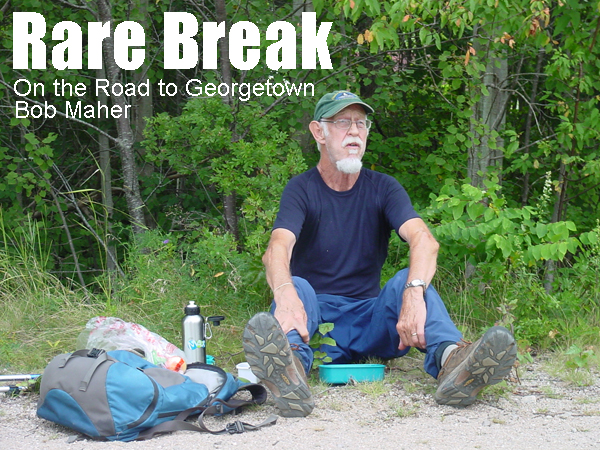
Road to Georgetown Walking from the Annapolis Valley to Georgetown , PEI for a community development conference.
Footsteps East Road trip from Nova Scotia to Lake Superior.
Postscripts
I received a newsletter from the Shorefast Foundation. It includes an interview with Zita Cobb at the Fogo Island Inn. This is an excellent example of place-based, Community tourism.
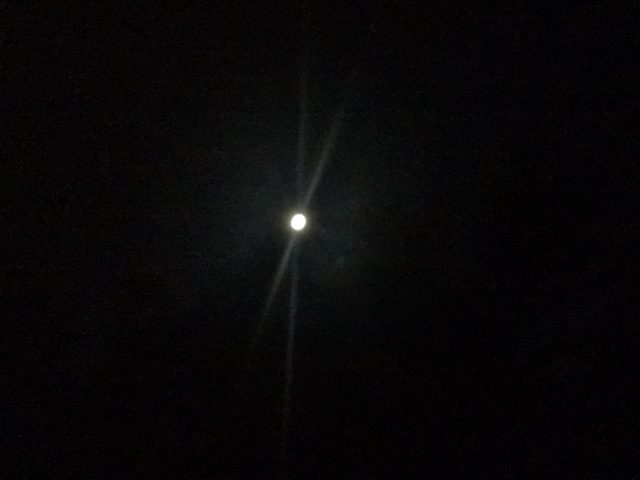
Once in a blue moon. I photographed the blue moon from our deck before dawn on September 1st.
This week, after a prolonged break, I joined Heather on the bicycle ride from Paradise to Middleton. We left shortly after 9 am on a beautiful August morning ( Monday), cycled down into Lawrencetown, and turned right at the elementary school onto the Middle Road.
The Middle Road is straight, with a few gentle rises through fields of corn and hay. No traffic. It ends at the Nictaux Road where we turn left down into town. We stopped at the Bistro300 cafe for coffee and a cinnamon bun. Then came home. As we turned into the driveway on Highway 201, we heard the Lawrencetown Firehall siren for twelve noon. Set us up for the rest of the day.
Yesterday, I undertook another seasonal first. With the Z-track, I went down through Rob and Sinead’s property to the Triangle Field. It was infilling with Indian Hemp and Poplar seedlings. The total job took less than two hours. But there was immense personal satisfaction.
I dropped into the COGS Library to return the ESRI Press books on the Application of GIS. At the same time, I checked out the new acquisitions; one caught my eye. Tomi Hazel Vaarde’s, Social Forestry: Tending the Land as People of Place. Over 465 pages. I look forward to reading her definition of ‘People of Place’.
Meanwhile, I have been working through the two Paul Evans books, lent to me by Jeannie Shoveller (see blog post Two Hydrangeas). The first, Herbaceous, is a short collection of writing on different flowers in the British countryside, divided according to season and colour: yellow, white, pink, blue, and brown. A quick read.
’Herbaceous is gardening with words. It is a book of audacious botany and poetic vision.’
The second, How to see Nature, explores diverse landscapes: wastelands, meadowland, wild moors, and forests How to see Nature shares a title with a 1940 Batsford book, which was written with wartime evacuees in mind.
Acknowledgments
Andrew Hannam signed out Social Forestry to me. Heather joined me on the cycle ride. Jeannie lent me the Paul Evans books.
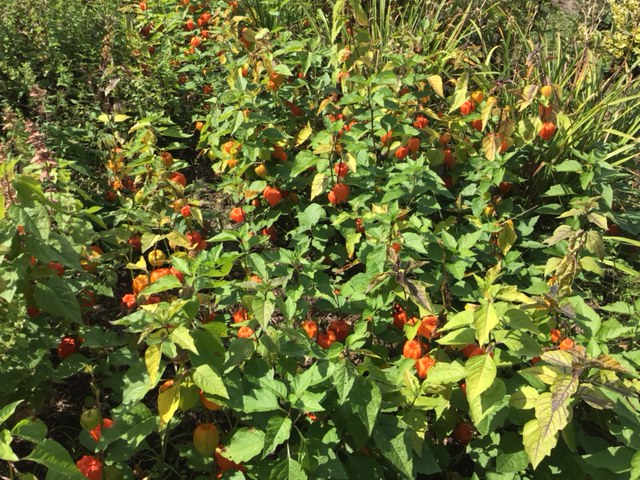
They were there when we bought the property over twenty years ago. Today, one has died; the other continues to flower profusely. On either side of the steps, they seem to be growing under similar conditions.
After a busy week, we are taking a rest. Saturday we started in Bridgetown — bank, bookstore, coffee shop, grocery store, the library.
At the bookstore, I found Atlantic Forestry Review, July 2023. I read Nova Scotia ramping up forestry education. It describes the new program at the NSCC including an interview with Leif Helmer.
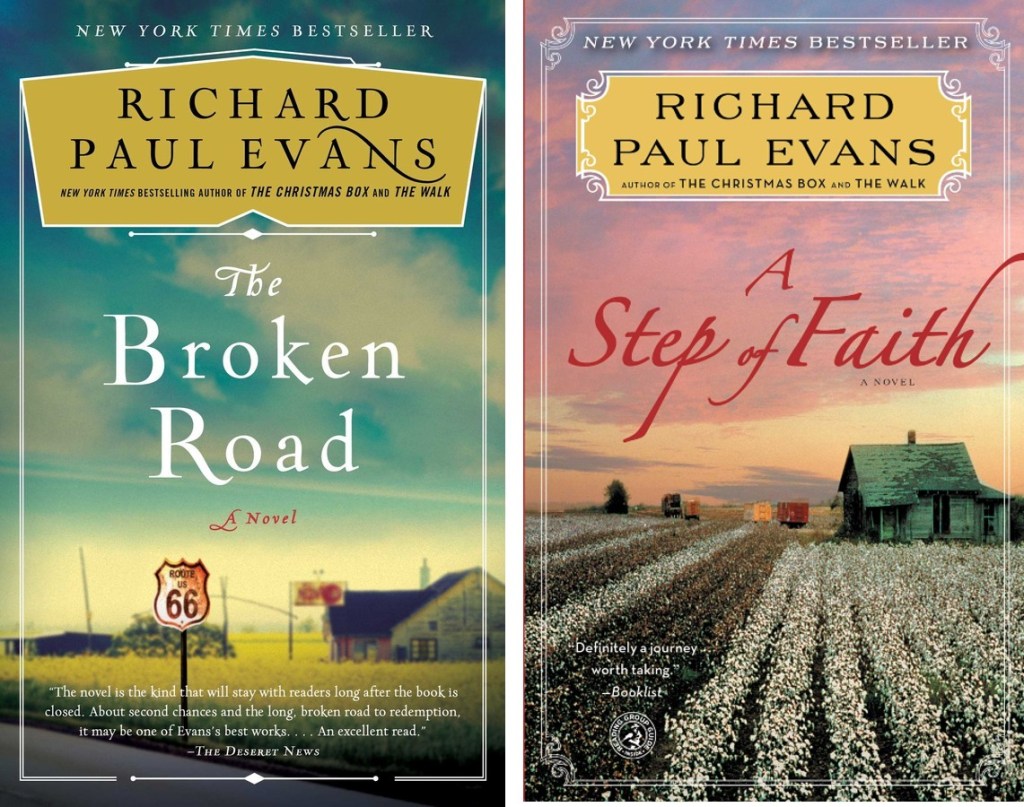
At the bookstore and the Library, I was seeking books by Paul Evans. Jeannie Shoveller (Barteaux) had recommended his writing to me. At the Library, I found the works of Richard Paul Evans, The Broken Road and A Step of Faith.
I checked back with Jeannie. Later in the afternoon, she dropped off Paul Evans Herbaceous and How to See Nature. They look excellent.
Four o’clock and off for a beer with John Wightman. We reviewed local politics and the connection between Greg Kerr and Carman Kerr. Kerr Lane is on Highway #1 on the way to Annapolis Royal.
Seven o’clock down to Annapolis Royal to see the new ‘Spectacle, Performance and Play’ exhibit at the O’Dell House Museum, Archive and Research Centre. At the same time, we reviewed the historic Acadian maps of Annapolis Royal.
Home, in time for fresh pesto made from basil, from our greenhouse, and watch As Time Goes By, and Doc Martin on the Maine PBS station. Heather made the astute observation that Doc Martin is about Health services in rural Southwest England. I could certainly recognize the parallels with rural Nova Scotia.
Postscript 1
Reading about the new Forest Geomatics program at COGS. I could not help but imagine a new Agriculture Geomatics program.
Postscript 2
Edward is back from his travels in the Footsteps of the Group of Seven. Thus, I have sent a draft of the blog for him to add graphics and links. Enjoy!
Acknowledgments
Jeannie Shoveller (Barteaux), Anjeanette LeMay, Sandra Barry, Edward Wedler, and Heather Stewart continue to offer support on this journey.
References
Atlantic Forestry Review, July 2023, Nova Scotia ramping up forestry education, Pages 14-15. Paul Evans, 2014, Herbaceous, Little Toller Books. Paul Evans, 2018, How to see Nature, Batsford. Richard Paul Evans, 2013, A Step of Faith, Simon and Schuster. Richard Paul Evans, 2017, The Broken Road, Simon and Schuster.
















 Ernest Blair Experiment