Posted in Uncategorized

A Geographic proposal (part 2)

This afternoon, I had a half-hour meeting with Annapolis MLA, David Bowlby. I presented him with my latest blog post: A Geographic Proposal.

He asked if I could provide him with a one page description that could be shared with MLA’s in the Valley, and beyond. I promised that I would have it done by tomorrow morning (Tuesday).

He also shared with me two thoughts:
a) the need to map where in the Annapolis River they could obtain water to fight forest fires.
b) the use of drones for tree harvesting and agriculture management.

There remain a couple of unanswered questions,
a) Define the geographic extent of the Valley?
See A Guide to Moving to the Annapolis Valley, p12.
Three First Nations Communities.
Eight Municipal Units.
b) what is the extent of the Valley REN?

A Geographic Proposal

Ernest Buckler has written about ‘ The Mountain and the Valley’. From a landscape perspective, we should include South Mountain, the Valley, North Mountain and the Bay of Fundy.

Today, the Annapolis Valley is home to NSCC’s Annapolis Valley campus in Middleton, the Centre of Geographic Sciences in Lawrencetown and Kingstec in Kentville, offering full-time programs and continuing education (www.nscc.ca). The town of Wolfville is home to one of Canada’s premier undergraduate universities, Acadia University, http://www.acadia.ca “ p.30.

At the NSCC campus in Middleton, we have CORAH, Centre of Rural Aging and Health. We also host the Applied Geomatics Research Group (AGRG).

At the Centre of Geographic Sciences (COGS) in Lawrencetown we have access to Geomatics technology and Geographic information Science.

The proposition is to redefine CORAH to include access to the technology at COGS, and retired faculty to address the application of these modern technologies, and apply them to all aspects of the Valley landscape: sea level rise, changes in global climate that impact agriculture, forestry and fisheries resources management. Could become the Centre of Rural Landscape and Human Health (?)

This builds upon current and retired faculty who live in the region. It permits access to the technology, and its application to resource issues in rural Nova Scotia. It can also be combined with the ‘creative rural economy’ and the Shorefast economic model from Fogo Island

Step 1 would be to host a conference of thinkers, dreamers/doers and next generation entrepreneurs at the Centre of Geographic Sciences in the Spring 2026.

Posted in Uncategorized

A Geographic Proposal

In response to my previous blog posts, via email, I received a variety of comments.

From Edward, I received a webinar series notice, “Building Community and Economic Resilience through re-localization”. From Rick, I received a second annual Annapolis Valley Irish Set Dancing festival note. From Jennifer, the role of CORAH. From John, the potential funding of CANMAP. From Anne, the title of her book ‘Commonplace’ –indeed, not common, but with a sense of ‘place’. From Heather Leblanc the work of MapAnnapolis. Ed has demonstrated his interest in Community Mapping. From, Andrew, in England, a reminder about my UK roots.

This leads me to the realization that Annapolis County is not ‘ a common place’. It has some unique qualities. Some of which reside within the NSCC Annapolis campus. It is fortuitous that many faculty and ex-faculty still reside in the region. It is also fortuitous that CORAH resides in Middleton, the Centre of Rural Aging and Health. Surely, it should be possible to combine the talents of these ex-faculty/administrators with skills in the geographic sciences, and with a true ‘sense of place’ to work together under the auspices of CORAH, to address the needs and unique qualities of this Geography and Geographic Region.

Ernest Buckler has shown the pathway forward. John Wightman has proven that we ‘CANMAP’. Myself, Edward Wedler and many faculty currently, and in the past, have dedicated themselves to the application of the geographic sciences.

Let’s formally, undertake a series of projects, under the context of CORAH and COGS in the County. This would exemplify both the ‘creative rural economy’ and provide a legacy for future generations.

What is needed?

The ‘buy in’ from the NSCC. The ‘buy-in’ from the provincial government, and especially from the MLA’s in the Annapolis Valley.

How about a grassroots doers’, dreamers’ and thinkers’ forum on “The Creative Annapolis Valley and Bay of Fundy”? (from Windsor to Digby)

Postscript

There is a GoGeomatics ‘Back to School’ panel on Friday, September 19th. from 3-4:30 pm at the AV room, COGS, and then social at the Capitol, in Middleton, starting at 5 pm.

Acknowledgements

Edward applied his artistic talents and ideas to this blog. Heather Stewart provided a sounding board.

Posted in Uncategorized

Positive Aging

This morning, Heather and I went to the Middleton campus of the NSCC.

The parking lot was full. Heather had read the Bridgetown Reader and observed that many of the events of interest required a drive in the car to Annapolis Royal, or thereabouts. My suggestion was that we visit CORAH at NSCC and see if some events were available online. She talked to Jennifer Wesman. Meanwhile, I had the opportunity to meet the new Principal, Jason Clark, and also catch up with Tim Webster, a colleague and Research Scientist at AGRG. Check out his contribution to “Mapping Our Future”.


We returned with several handouts: HealthyNS, Positive Aging, Community Links. and Ageing Well Together. We also learned that Don Bureaux had announced that he was stepping down as President and CEO. He has accepted a new position — President and CEO of the Halifax Chamber of Commerce.

After leaving the Middleton campus, I stopped at the office of David Bowlby, MLA for Annapolis County. My question would be, “How well is the NSCC meeting the needs of Annapolis County and its citizens?” A question for another day. In particular, “What role can COGS play in managing our landscape?

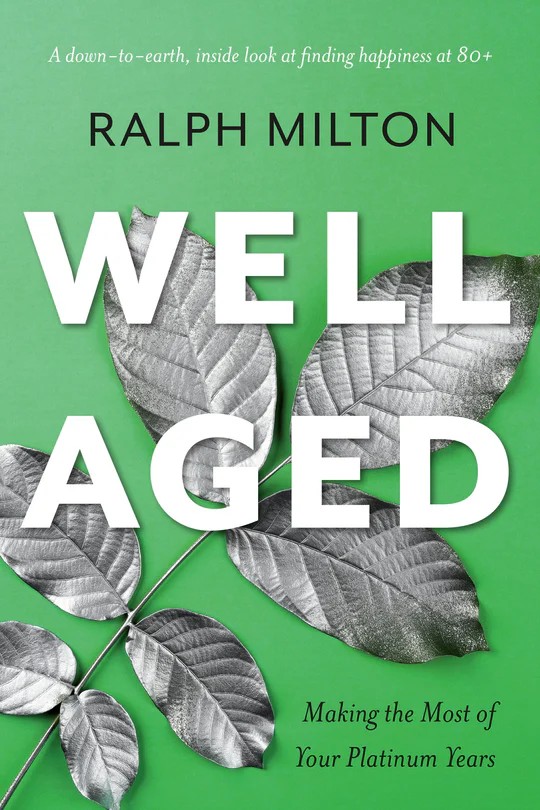
At the age of 80, I am realizing the importance of the context of the work environment. This became obvious when I picked up Ralph Milton’s book ‘Well Aged’ from the Middleton library.

Making the most of your platinum years (after 80). I would give it a mixed review.


Finally, one last realization, with the closure of the forests because of the fire ban, I have been somewhat restricted in the opportunities for good long walks (eg Kejimkujik National Park and Delaps Cove).

Part of the solution is a change in Geography. Take a holiday.

A second solution would be to jump on the bicycle or into the canoe.

Reference

Ralph Milton, 2021, Well Aged: Making the Most of Your Platinum Years. Douglas and McIntyre, A down-to-earth, inside look at finding happiness at 80+.

Acknowledgements

Thanks to Edward for his additions.

Posted in Uncategorized

The Mountain and the Valley, and the Bay

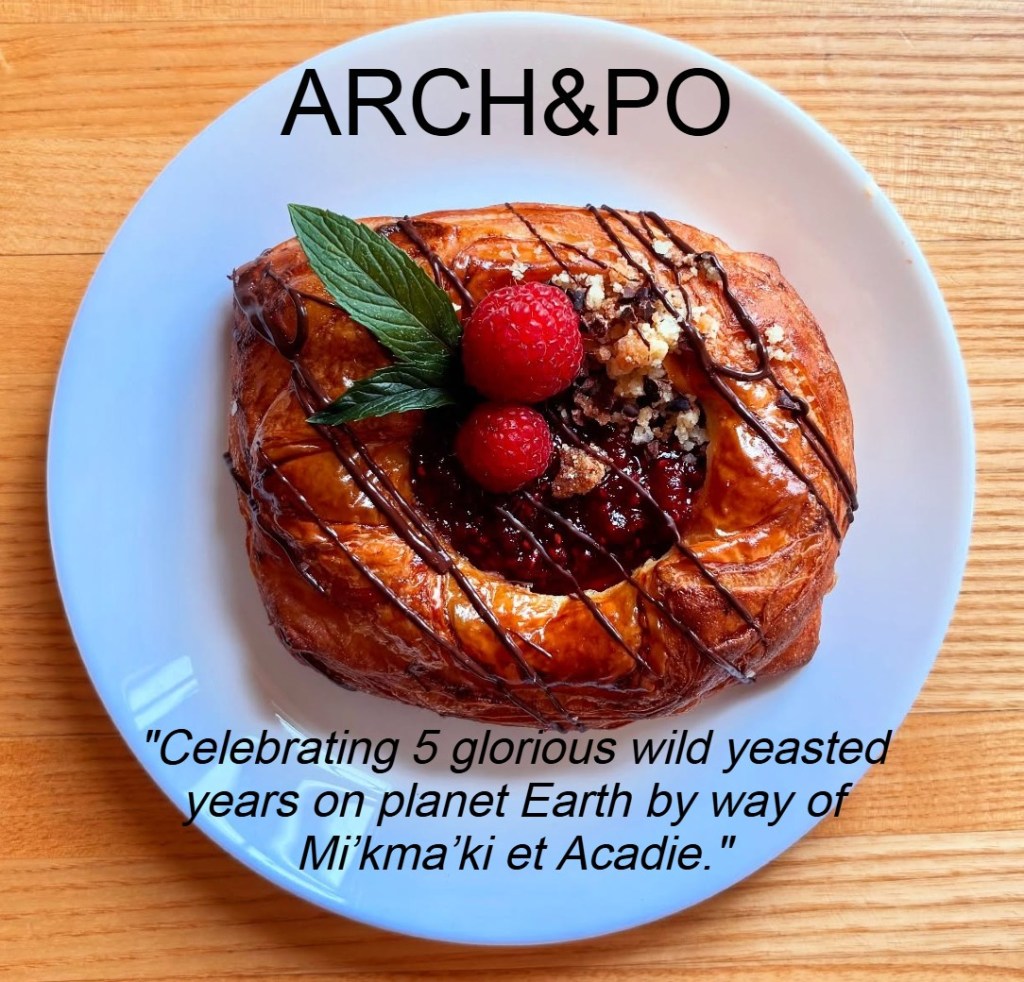
This week I met with Andrew Wetmore, Moose House Publishing at Arch and Po in Annapolis Royal.

The topic of our conversation was whether I could transform my blog posts into a hard copy book. I have nine volumes.

Subsequently, I talked with Anne Crossman about her recently published book, Commonplace (see post Local Geography).

In her case, a collection of columns from the Annapolis Valley Register.

After a weekend on the road (to New Glasgow), I have decided that, rather than re-write or look back on the last ten years, I should look forward. This avoids the question about translating from an electronic form (i.e. blog post) into a printed form (i.e. hard copy book). In any case, one can explore the Ernest Blair Experiment blog via keywords of interest posted to the spyglass search field. For example, the keywords “Haida Gwaii” list several posts (such as Lessons from Haida Gwaii Part 3, Exploring Haida Gwaii, and Random Thoughts).

As I reflect on the next period, I realize that our region is more than the Mountain and the Valley (Ernest Buckler). It extends to the Bay of Fundy. Likewise, resource development goes beyond Forestry and Agriculture. It also includes fisheries. We also have to go beyond viewing the landscape as a resource. We have to include questions of climate and the impact of forest fires.

If we focus on landscape and community, it begs the question, “Do we have an accurate description of our geography? Do we use modern technology to share this geography with citizens, industry and politicians?

To use and share it wisely?

We should rejoice in the fact that several decades ago, other writers, artists, educators and scientists recognized the true value of a ‘college of geographic sciences’. This has served us well, and can continue to do so, in these changing definitions of ‘community’ and ‘landscape management’.

Acknowledgements

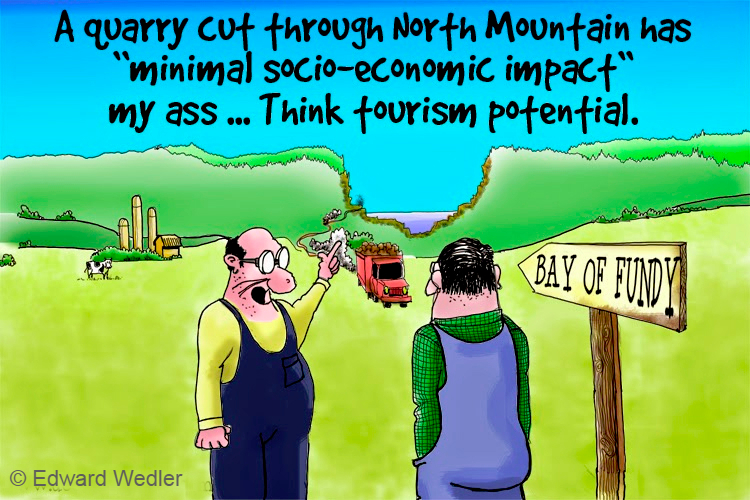
Edward added graphics and links. This adds value to the text. Thank you !

Heather and I enjoyed a wonderful walk in the Annapolis Historic Gardens this morning. It could become a regular Sunday morning therapy.

Posted in Uncategorized

A Voice from the past (mine)

On Friday, I had a zoom call with Greg Baeker. This proved to be a technology challenge for me. Eventually, we reverted to a telephone conversation.

Greg and I worked together to deliver a one-day workshop, Small Town Growth: a creative economy and mapping workshop in Annapolis Royal, 29th. April 2010 (see post Agalinis Neoscotia).

Here we are, fifteen years later.

What has happened since the workshop? I retired from the NSCC in 2011; Greg spent significant time in Abu Dhabi (United Arab Emirates) as Director, Cultural Planning and Development.

What has changed in those fifteen years?

Greg provided me with a video from the workshop, as well as links to several other videos. He is now back in Collingwood, Ontario.

A lot has happened in those fifteen years. For myself, except for short periods with Heather in various Canadian National Parks e.g Haida Gwaii, Iqaluit, Churchill, I have focussed my attention on writing blogs related to geography, place and rural Nova Scotia.


Today (Saturday) we went to the Wolfville Farmers market to escape the smoke from the Long Lake fire. Afterwards, we stopped at Dickie Baxter’s Taproom and Bistro in Canning.

Fortuitously, we met Linda Best. Again, I asked the same question, “What has happened to the ‘creative rural economy over the last fifteen years?” Talking with Linda gave me some insight into the status of agriculture in the Valley from her perspective at Farm Works Investment Co-Op.

Talking to John Wightman, later, he voiced concern over the impact of COVID on rural communities. Next week, I hope to speak with Andrew Wetmore, Editor at Moose House Publications on the same question.

Part of the problem, I believe, relates to questions of jurisdiction — and Geography.

Posted in Uncategorized

Register/ Reader Day

For me, Thursday is Register/Reader day.

Fortunately, Anne Crossman sends me her column by email, from the Register.

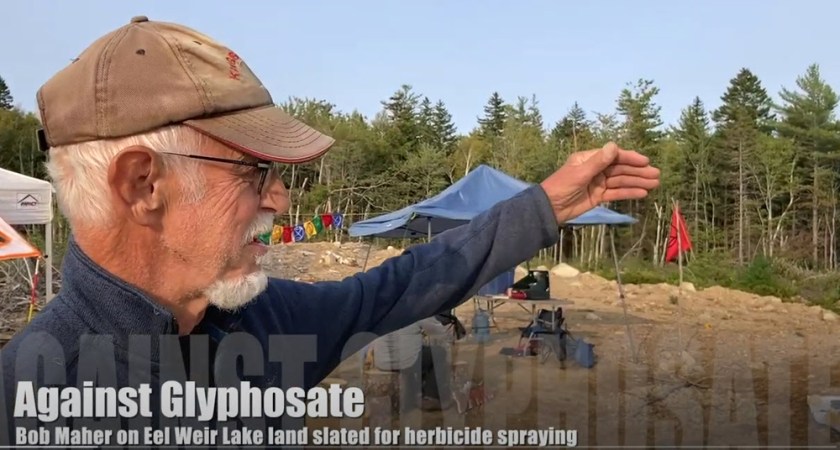
This week, it was titled ‘The World is Changing’, with particular reference to the Long Lake fire (see post Short Stories). In a separate email, Anne forwarded a link to an email by Francis Campbell, published in the Register, August 28 ‘Nova Scotia government stops releasing glyphosate spraying details’.

Looking out of the window of her Mount Hanley’ home on North Mountain in Annapolis County this week, Nina Newington said the goal of spraying glyphosate on a recovering clearcut is to kill hardwood trees to promote the growth of marketable softwood’.

The goal is to kill the most fire-resistant trees, leave the most fire-susceptible trees, the conifers, the softwood, the spruce and fir’, she said (see also, posts What is Truth?, A Green Future?, and SOOF Soup Sunday)


Meanwhile, the Bridgetown Reader is full of community events.

From page 1, ‘Play Music on the Porch Day (Centrelea), Getting to know Upper Clements trails, Lawrencetown Baptist Church invites you to a quiet place’.

If the Annapolis County citizen wants to understand their landscape and the actions of both government and industry. There needs to be a closer relationship between these agencies and the technological/educational resources available at the Centre of Geographic Sciences (COGS). I see some evidence of change (e.g. the quality of the Long Lake fire extent mapping).

More could be done by mapping the quality and extent of management practices that impact our landscape — forestry, agriculture, mining, access to infrastructure, and water quality. This would bring technology and geographic science to the day-to-day landscape management. At the same time, it would support the ‘creative rural economy’.

Let us learn the hard lesson.
Crying does not indicate that you are weak. Since birth, it has always been a sign that you are alive’.

Charlotte Bronte from Jane Eyre. quoted on page 1, The Bridgetown Reader, August 29, 2025

Acknowledgements

Thanks to Anne Crossman for providing access to electronic media.

Edward added the graphics and researched the links.

Reference

Francis Campbell, ‘Nova Scotia government stops glyphosate spraying details’, Published Chronicle Herald, August 28, 2025

Posted in Uncategorized

Short Stories

I started the weekend with a visit to the Middleton library. I was interested in the relationship between short stories and blogs.

I found two relevant books, ‘Blink and You’ll Miss It’ by Moose House stories, Vol 2

and ‘Beyond the Passage. memories, real and imagined’ by Jim Prime, co-author of Fish and Dicks.

From the first, I enjoyed two stories by Bob Bent: The Black Sedan and Dracula’s Dotage. Part of the satisfaction is that they capture descriptions of the local landscape, including orchards, flowers, and birds. I also enjoyed reading the stories by Jeremy Ackerman and William Dockrill.

While picking up a growler of Brickyard Red at Lunn’s Mill. I found a postcard advertising Spyglass Secrets by Jane Baskwill; another local author.

From Jim Prime:
To the people of Long and Brier Island, your geography has made you resilient, independent and proud. Your geography has forced you to rely on one another. Your geography has made you unique. Don’t ever change.

How could a Geographer Emeritus resist that endorsement?

Saturday evening, I visited John Wightman with my growler. John, knowing my interests, greeted me with a book, Errand Boy in the Mooseland Hills, by Johann Magnus Bjarnason, ‘Stories from Nova Scotia’s forgotten Icelandic Settlement’.


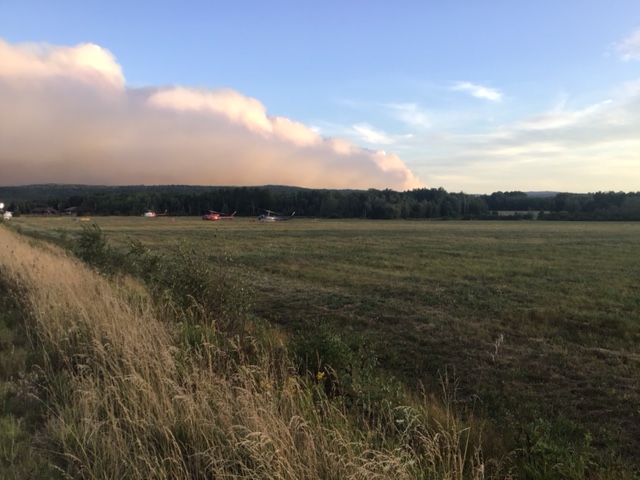
Meanwhile, this morning, we awoke in Middleton to a river valley filled with smoke from the Long Lake wildfire.

We noticed yesterday, the helicopters transporting water from the DNR building in Lawrencetown. Having lived in West Dalhousie in the early ‘80’s, we wondered about the safety of the ‘historic’ Ernest Buckler house.


I received an email: notice of the closure of Integrity Printing in Bridgetown. I shared this information with John. He commented too, on the move of the Credit Union to the recent Bank of Nova Scotia location. These changes reflect the impact of COVID on our rural economy.

Finally, I was left wondering how to obtain a hard copy of my blogs, with the closure of Integrity Printing.

Yesterday, Saturday, Heather and I escaped to the Historic Gardens in Annapolis Royal. To enjoy a coffee and dessert at the Elm Tree Café. We walked the gardens, with the breeze blowing up from the Basin.

Today (Sunday) we will go back to the Lucky Rabbit bookstore. Anne Crossman will be signing her book, Commonplace, from 2-4 pm.

References

Blink and You’ll Miss it, 2022, Moose House Stories Vol. 2.
Jim Prime, 2023, Beyond the Passage: Memories Real and Imagined, Moose House Publications.
Jane Baskwill, 2025, Spyglass Secrets
Anne Crossman, 2025, CommonPlace, Moose House Publications
Johann Magnus Bjarnason, 2001, Errand Boy in the Mooseland Hills, Formac Publishing.

Acknowledgements

Both Heather Stewart and Edward Wedler contribute to the blogs, in their own unique way.
John Wightman provides a helpful ‘sounding board’ on the state of the rural economy.
Moose House Publications supports local writers in the Annapolis Valley region.

Postscript

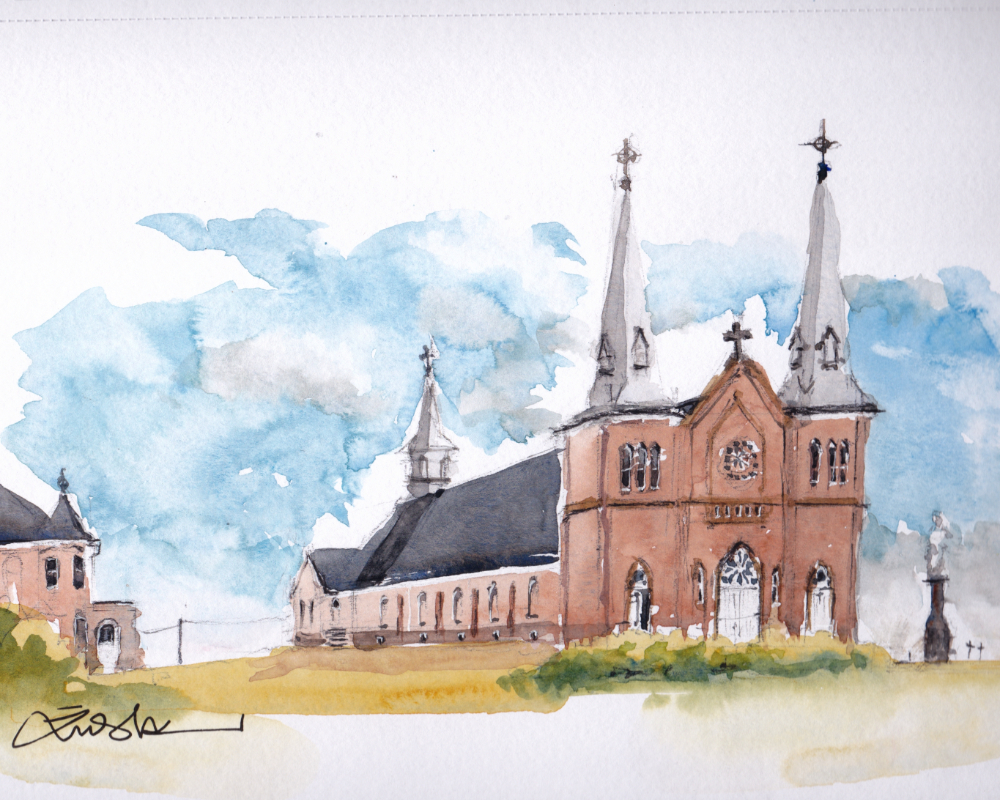
Edward returned from a weekend artist retreat at Goéland, near Wellington, PEI, where he painted en plein air with about 20 other PEI artists.

“Mont-Carmel Church, PEI”, watercolour sketch by Edward

Posted in Uncategorized

Bushel Boxes

This morning, I received an email from Brian Boates.

He was interested in sourcing bushel boxes for apples.

Our first encounter with Brian was when our son, Andrew, owned the Hunter Farm in Paradise on Highway 201. Heather and I helped manage the organic orchard. For a number of years, we would pick the apples.

Brian would take them up the Valley and turn them into apple juice.


(pic: On the Road to Georgetown)

Subsequently, the juice was transformed by Pierre, at Ironworks in Lunenburg, into apple brandy. Indeed, Hunter Brandy! (see posts Blue Water and Gold Brandy, Guided Walk, and )

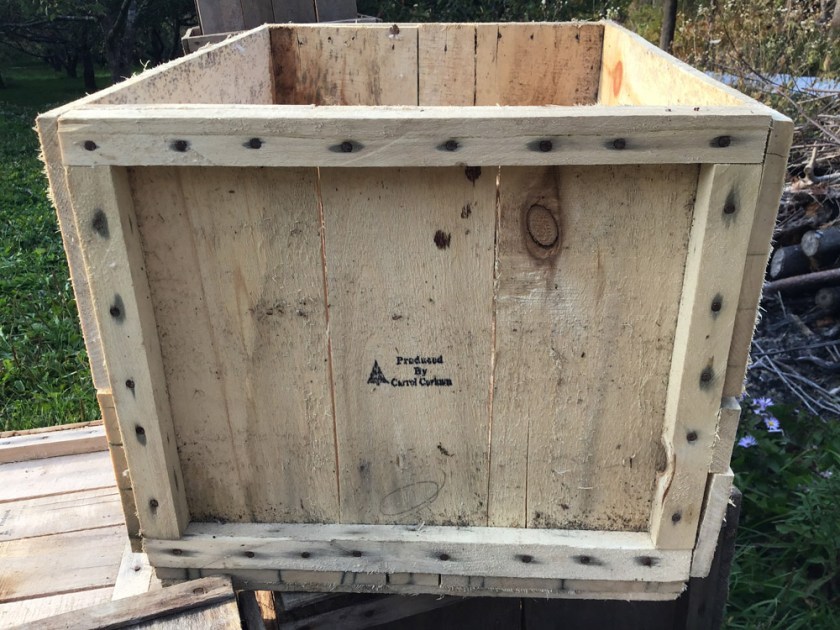
To sell apples on the roadside, we purchased bushel boxes from Carrol Corkum. Around the property, we had a number of boxes, hand-made with the Corkum stamp.

Today, we took a drive up the Crisp Road to see if Carrol was still making and selling bushel boxes. No luck !

Subsequently Brian sent me an email. He had checked with Jim Inglis in Tupperville, who confirmed that Carrol was no longer in the bushel box making business. This initial inquiry by Boates turned into a realization that certain skills and products, had changed over the last thirty years (read post Two Kinds of Thinking).

Fortunately, Rob and Sinead, who now own the Hunter farm, had the foresight to keep a few boxes around the property.

Changing times, indeed !

Acknowledgements.

Thanks to Brian and Sinead for the journey back in time. We continue to enjoy memories of the Hunter Farm. Thank you, Edward, for researching my blog archives, and adding value to my efforts.

Posted in Uncategorized

Back in the Valley

It is Sunday and we decided to stay ‘local’.

This weekend, it was the ‘Paint the Town’ symposium.

Heather and I were interested in the panel discussion title “Could we ever know each other – without the Arts“. We were familiar with the careers of Tracy Summerville and Sally O’ Grady.

Imagine our surprise, when we turned up at the Legion for the 10:30 am session. To attend, we would have to register, at a cost of twenty five dollars per person. So much for including the ‘community’.


We took the Highway #201 home. Besides the plume of smoke from the West Dalhousie fire, there was a continuous stream of water bombers, taking water from the Annapolis River.

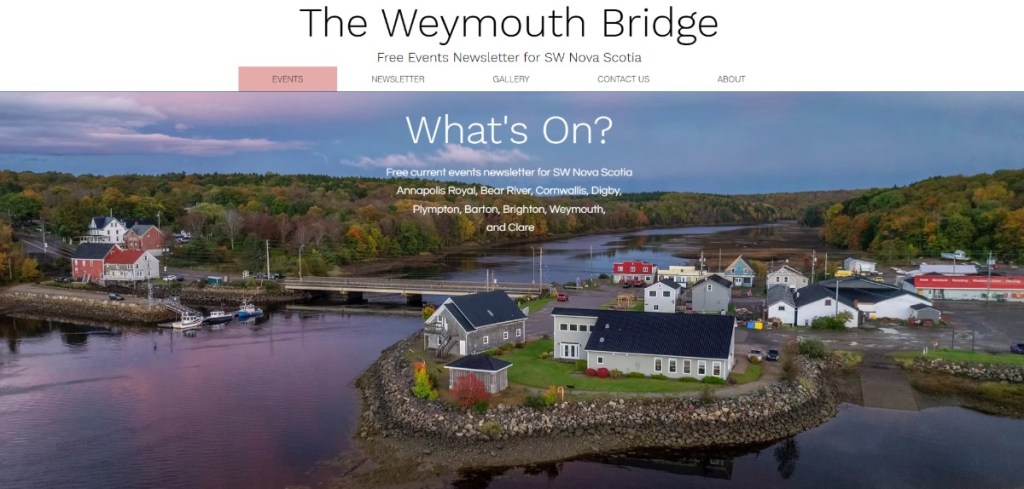
Before heading home, we stopped at the Sissiboo coffee shop. I picked up a copy of The Weymouth Bridge, free events newsletter.

An excellent complement to the Bridgetown Reader.

Around lunch time, we went to check out the Clarence market. It has changed its schedule from Thursday to Sunday. Sadly, there were very few stalls, and a low attendance. Perhaps, it was because of the weather conditions, forest fire etc. Certainly, there was little road traffic on either side of the valley.

Postscript

I had brought the Reader Newspaper into the car. Nowhere did I see a requirement to register for the symposium or the cost. I should have checked the website.

Acknowledgements

Edward added the graphics and links. Heather shared the ride.

Reference.

The Weymouth Bridge, Free Events newsletter, August 15 – September 15, 2025

Posted in Uncategorized

Cape Breton visit

This week, Patrick, our son, invited us to Cape Breton for a short visit. He had a series of business meetings in Sydney. This allowed us to renew our relationship with this part of the province.

We had the chance to drive the Cabot Trail.

It had been several years since we had made the journey. There were a couple of notable differences. First, with the provincial fire ban, we were unable to explore the backcountry trails. However, it was beautiful weather. We admired the stunning scenery and the beauty of the forest cover, although there remains evidence of the impact of Storm Fiona (see post Fiona).

On the second day, we made the drive to Fortress of Louisbourg National Historic Site.

Time to catch up with the history of this part of Cape Breton. This season, the entry fee was free.

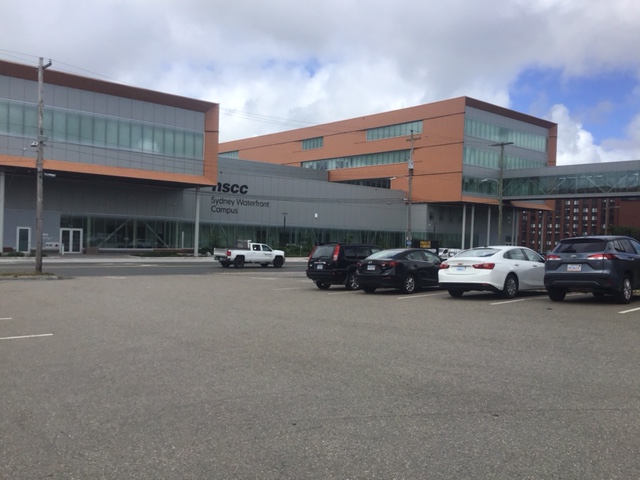
While staying at the Holiday Inn, downtown,we noticed the significant changes to the waterfront. In particular, I was impressed by the new NSCC Sydney Waterfront campus.

It adds to the downtown, and includes an excellent boardwalk, similar to that found in Halifax.

In conversation with Patrick, I wondered about the potential for collaboration between NSCC and CBU.

Last time, we were in Cape Breton, it was in relation to the Bras D’Or Lakes Biosphere Reserve (see also posts Other Lives, From Here to There, and Seeds of Hope)

Postscript

Watercolour sketch of Fort Louisbourg by Edward

Acknowledgements.

Thanks to Patrick for inviting Heather and myself to spend a few days with him, in Sydney, Cape Breton.

References

Check online: Sydney Waterfront Campus (SWC) of the NSCC.