MY EMAIL THREAD WITH Dr BOB MAHER:
Tonight, I plan to attend a discussion panel at Dal University triggered by an article in The Coast, “In This Economy, Try Art“.
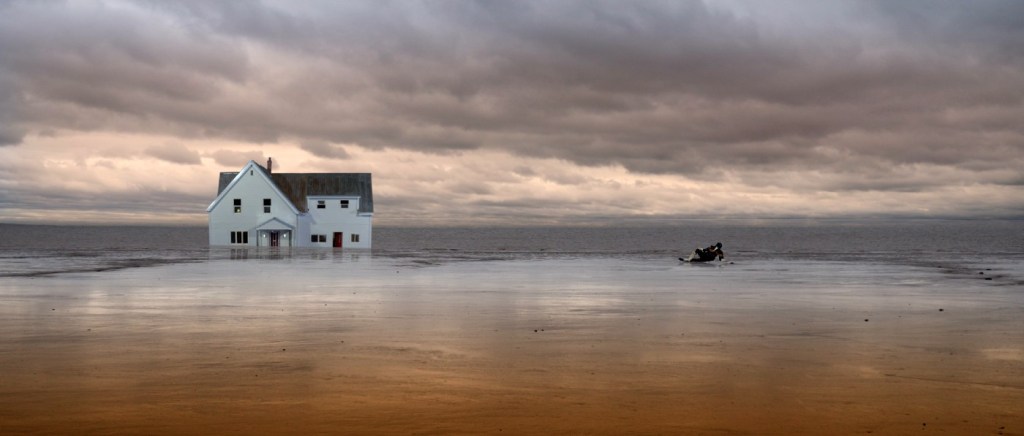
“The panelists will pull on narrative threads in “Strange Birds”, including creative ways to engage with the climate crisis, and add their perspectives on curation, academic perspectives on environmental sustainability and the ways art can bring awareness, action and optimism to the struggle for the planet’s future.“
I explored the backgrounds of the panelists, particularly, celebrated exhibition curator Ray Cronin and Dal U environmental studies professor Melanie Zurba. They approach geography through a very different lens than I have been used to — Ray Cronin through place-based art and artists, and Zurba through community and indigenous collaborators of our environmental spaces.
Then, to continue this thread, I could not then help but explore who, to me, is one of the most interesting professors I HAVE NEVER MET — Acadia U prof Dr Jon Saklofske. If there is one thing I would ask of you today is to grab a coffee and watch his 17-minute YouTube video “Creating Worlds Together“.
Here, is a really exciting way to view geography, literature, books, virtual worlds, and place-based stories; together. The type of work he does with undergraduates and a COGS-Acadia collaboration would blow my mind [I would jump at the chance to be one of his students].
How do I know of Jon Saklofske? He once requested some promotional literature/book posters we had when I ran The Inside Story bookstore. Again, I have never met him but his research mind-space excites me.
This then got me thinking … this time following a Jon Saklofske-thread into an Esri and virtual world.
Since Saklofske has delved into the geographic world of gaming, has Esri ever explored or embraced the type of geographic-gaming explored by Saklofske — especially since the entertainment world is such a large part of current culture?
I wonder where an Esri-Saklofske collaboration would lead — hmmm, maybe a COGS-Esri-Saklofske collaboration.
Let’s explore the ending “S” in “Centre for Geographic Sciences“.

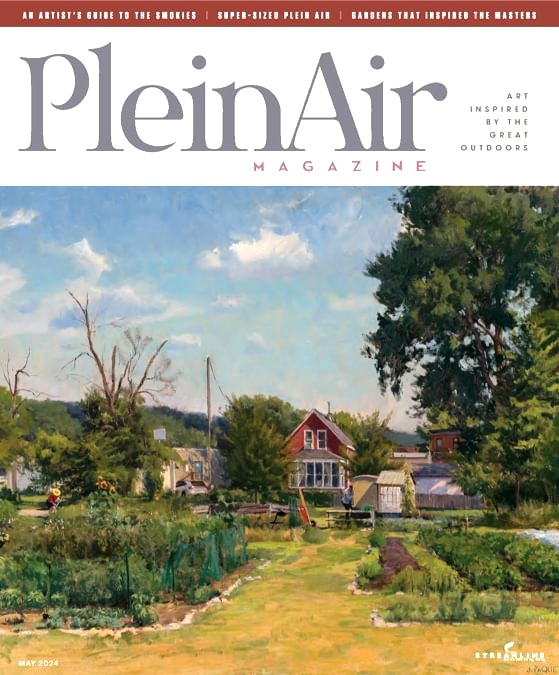

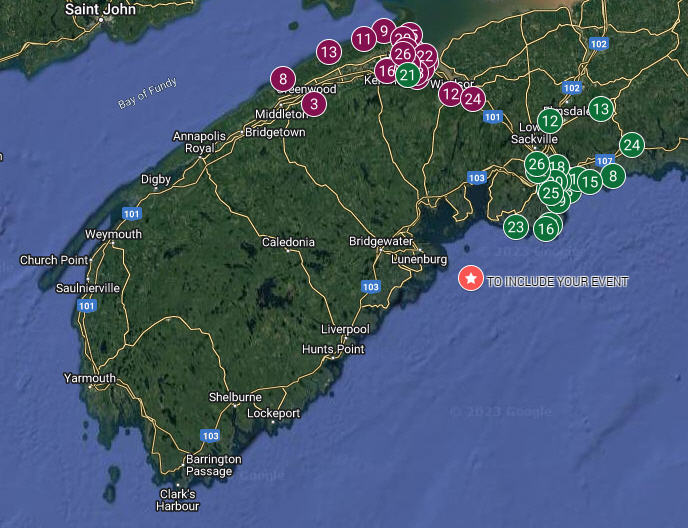

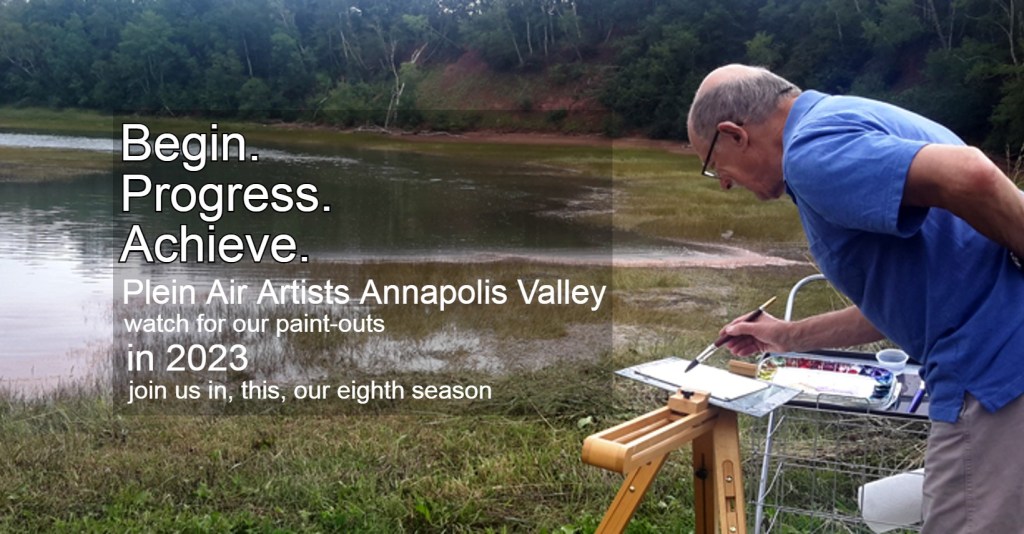



 If we want to change our attitude towards the earth, it’s resources and our place on its surface, we must become more informed about our ‘geography’; not simply latitude and longitude, but rather ourselves and the processes that affect our behaviour. Geography, in an holistic sense, is physical, biological, economic and social. It is spatial and temporal: neighbourhoods, regions, countries and global; hours, days, years, decades, centuries, lifetimes and beyond.
 Ernest Blair Experiment