Posted in biographical sketch

Country Mouse / City Mouse

This year for the festive season we visited family in Ontario. After flying into Billy Bishop City airport we ended up taking the GO train to Oshawa, and eventually north of Peterborough to the cottage country of the Kawartha Lakes. It was time to find our previous family homes from the 1990s in Peterborough and to remember canoe trips, North of the city.
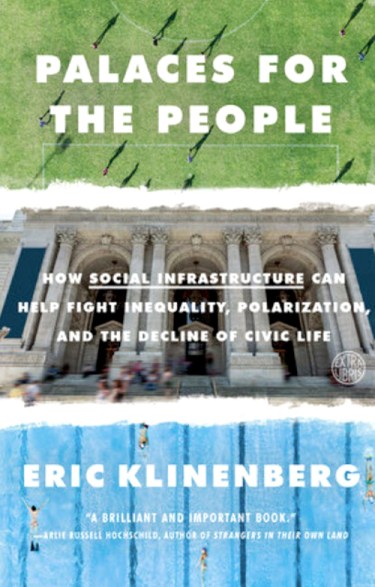
bookCover_palacesForThePeopleThe second week, we came back down to Scarborough and Toronto. This meant purchasing a Presto card and negotiating the links between the streetcars and the subway system. It is over fifty years since I had been immersed in this urban geography: walking down Yonge Street, visiting the Eaton Centre, window shopping at the Hudson Bay company, staying at the Chelsea Hotel.

On Sunday, we walked around the Don Valley Brick Works Park and visited the Future Cities Centre. Found a couple of interesting books on urban living. Eric Klinenberg, Palaces for the People. How social infrastructure can help fight inequality, polarization and the decline of city life. I liked this quotation.

“Social infrastructure provides the setting and context for social participation, and the library is among the most critical form of social infrastructure that we have”. p.32
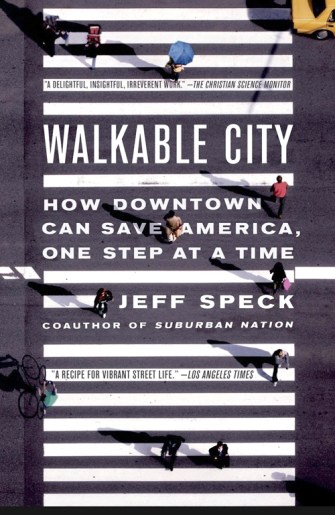
bookCover_walkableCitySecond, Jeff Speck‘s book Walkable City. How downtown can save America, one step at a time. He has ten steps from ‘putting cars in their place’ to ‘plant trees’. Later in the week, we dropped into BMV, a second-hand bookstore and I found Zipp and Storring (Ed) Vital Little Plans: The Short Works of Jane Jacobs.

Within Greater Toronto, there are several YMCAs. This gave me a chance to address an old knee injury. So we went to an AquaFit class with my brother. Now, on my return to the Annapolis Valley, I must see what is available at the Fundy YMCA in Cornwallis Park.

For our last night in Toronto, we stayed at the Strathcona Hotel, which is near Billy Bishop airport.bookCover_ageingInEverydayLife There, I found a collection of essays, edited by Stephen Katz. He was Professor, Sociology at the Trent Centre for Aging and Society. The book is Ageing in Everyday Life: Materialities and Embodiments.

“The authors of this book have backgrounds in social gerontology, geography, feminism, the humanities, social work, sociology, health and dementia studies which gives this diverse and interdisciplinary group critical access to the immediate world in which we live, the bodies we know and touch, and both the real and fantastic realms of existence with which we engage.” P.10

The country mouse has returned to the country. There is a significant stack of books to read, while the snow blows across the fields. The dogs will need to be walked. The orchard pruned. Visits to the nearest swimming pool. New technology to be mastered – common in the city, less so in the country.

Acknowledgements

Thanks to our extended family and friends for helping with our transition to city living. Patrick, Emily and family in Peterborough. Peter, my brother for the AquaFit experience. Carole, Jason and family, Julia and family for their generous hospitality in Toronto. Heather for her company and support. Edward for his contribution.

References

Eric Klinenberg.2018. Palaces for the People. Broadway Books.
Jeff Speck.2012. Walkable City. North Point Press.
Samuel Zipp and Nathan Storring. (Ed) 2016. Vital Little Plans: The Short Works of Jane Jacobs. Random House.
Stephen Katz (Ed) 2018. Ageing in Everyday Life. Policy Press.

Postscript

There are some take-home messages. The city mouse walks much more than the country mouse. There is much greater access to diverse facilities in the city: YMCA, theatres, libraries, universities, shopping centres, restored industrial space.
Posted in Opinion

Little Libraries

Little libraries have popped up across the country. On Haida Gwaii, there is one along the roadside between Queen Charlotte and the ferry terminal. In the Annapolis Valley, they can often be found in banks and post offices.

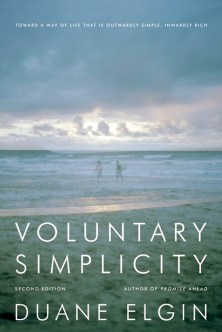
bookCover_voluntarySimplicityToday, I picked up Duane Elgin’s Voluntary Simplicity at the Bridgetown post office. Seems like a good message for 2020!

“Voluntary Simplicity. Towards a way of life that is outwardly simple, inwardly rich”.

Merry Christmas and a Happy, (Simple) New Year.

Acknowledgements

Thank you to the followers of my blog. Edward for his feedback. Heather for her patience and support.

Reference

Duane Elgin. 1993. Voluntary Simplicity. Revised Edition.Quill, William Morrow, New York.

Posted in Book Review, Event Review

Arts Space

glennPatschaTrioMusique Royale brought the Glenn Patscha Trio to the Dawn Oman Art Gallery in Bridgetown on Friday, December 13th. The trio included Glenn Patscha on piano, Tom Roach on drums and Larry Bjornson on bass. It was a unique setting surrounded by the rich colours of Dawn Oman’s art. To complement the experience, I picked up a book. Have Yourself a Silly Little Christmas, self-published by Bob Bent, with illustrations by Andrea Wood. So far, I have only read ‘The North Pole is Melting’; a story of four children visiting Santa Klaus at the North Pole, including David Suzuki. Today, it speaks well to the ‘climate crisis’.

Friday, 13th. Black Friday. Following the election of Boris Johnson, Conservative in the UK. The resignation of Andrew Scheer, Conservative Leader in Canada. From The Reader, on this date, Emily Carr was born in 1871 in Victoria, BC.

bookCover_haveYourselfSillyLittleXmasBob Bent’s book put these events into their proper perspective. It was only the day before (12th.) we had Kevin from Stanton installing the racks for solar panels on the south-facing roof. Ernie was at the house, removing a large ash tree, which threatened the roof. Now, it has added to our winter wood supply. Down below, on Andrew’s property, Alex Cole, Silas and Rick were unpacking charcoal and tidying up coppiced wood. Eventually, we may be able to produce Biochar to enhance our garden fertility.

It is truly remarkable that on a dark evening, we can head to Bridgetown and enjoy an arts space, far removed from the political agenda.

snowFlakesWith Bob Bent’s book in our suitcase, we can enjoy a Silly Little Christmas with grandchildren in Ontario. Best wishes for the Christmas season. I look forward to 2020 with its music, art and books.
Acknowledgements

To Rick Ketcheson for reminding us about Musique Royale. To the Reader, for memories of Haida Gwaii (Emily Carr). Bob Bent and Andrea Wood for a children’s perspective on Christmas. Edward Wedler for his steadfast support.
Roger Mosher for his valued conversations at the End of the Line pub on Friday evenings.

Reference

Bob Bent and Andrea Wood. 2013. Have Yourself a Silly Little Christmas. Self- published.

POSTSCRIPT
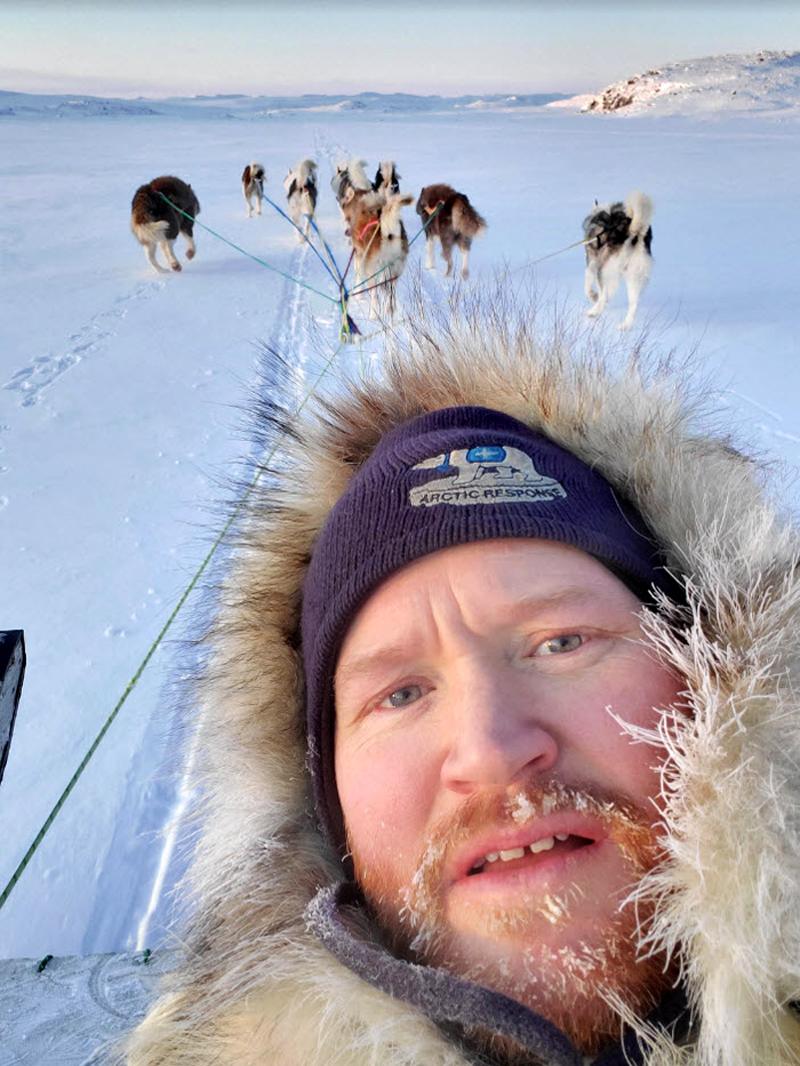
Meanwhile, from up North, this gorgeous-day, “dog team selfie” came in from my son, Andrew Maher.
upNorthDogTeamSelfie_AndrewMaher


Posted in biographical sketch

An English Weekend

We went to New Glasgow for the weekend. After a beautiful drive through the Rawdon Hills we arrived in time for supper at the East Side Family Restaurant; followed by a movie at the Cineplex. We watched The Good Liar starring Helen Mirren and Ian McKellen.

It was fun to go to the cinema. In Paradise, the nearest movie theatre is a one hour drive to New Minas.

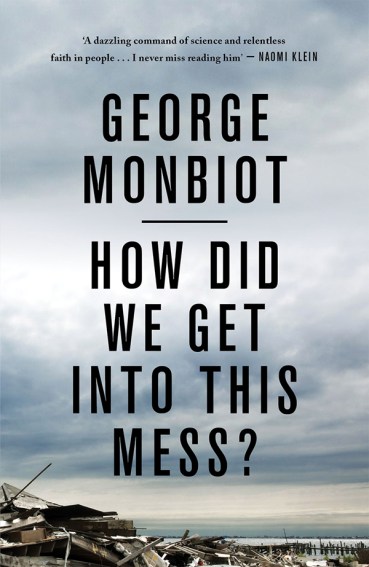
bookCover_thisMessSaturday morning we walked across town to the Farmers Market. Afterwards, we stopped at the New Glasgow Library. It has a much larger selection of books than in Lawrencetown, and I was able to sign out George Monbiot’s collection of short essays: How did we get into this mess? These essays, written over the last ten years, provide a detailed criticism of neoliberalism in British society. Given the library network in Nova Scotia, I can return it to my local library.

Later in the day, I received the link to a review of England’s Last Roar. On nationalism and the Election by Pankaj Mistra. It concludes with the following passage:

“England’s post-imperial reckoning feels harsher, largely because it has been postponed for so long, and the memories of power and glory are so ineradicable. In the meantime, the most important elections of our lifetime approach, and, as Orwell warned, ”a generation of the unteachable is hanging upon us like a necklace of corpses.”

banner_GemCBCOn Sunday evening, it was a relief to return home to the Valley. To put one’s feet up, and watch on GEM, a recent Canadian documentary on Margaret Atwood, A Word After a Word After a Word is Power. The documentary is dedicated to her late husband, Graeme Gibson.

Acknowledgements

To Frank Fox for the link to the review by Pankaj Mistra. Another ex-Pat, trying to fathom the forthcoming election in the UK. Heather for her company on our travels. To Edward Wedler for online graphics.

References

The Good Liar. 2019. The movie starring Helen Mirren and Ian McKellen.
George Monbiot. 2017. How did we get in this mess? Politics, Equality, Nature.
Pankaj Mistra. Guardian Books. December 7,2019. Englands Last Roar: On Nationalism and the Election.
Margaret Atwood. GEM Documentary. A Word After a Word After a Word is Power.

Posted in Opinion

Rural Delivery

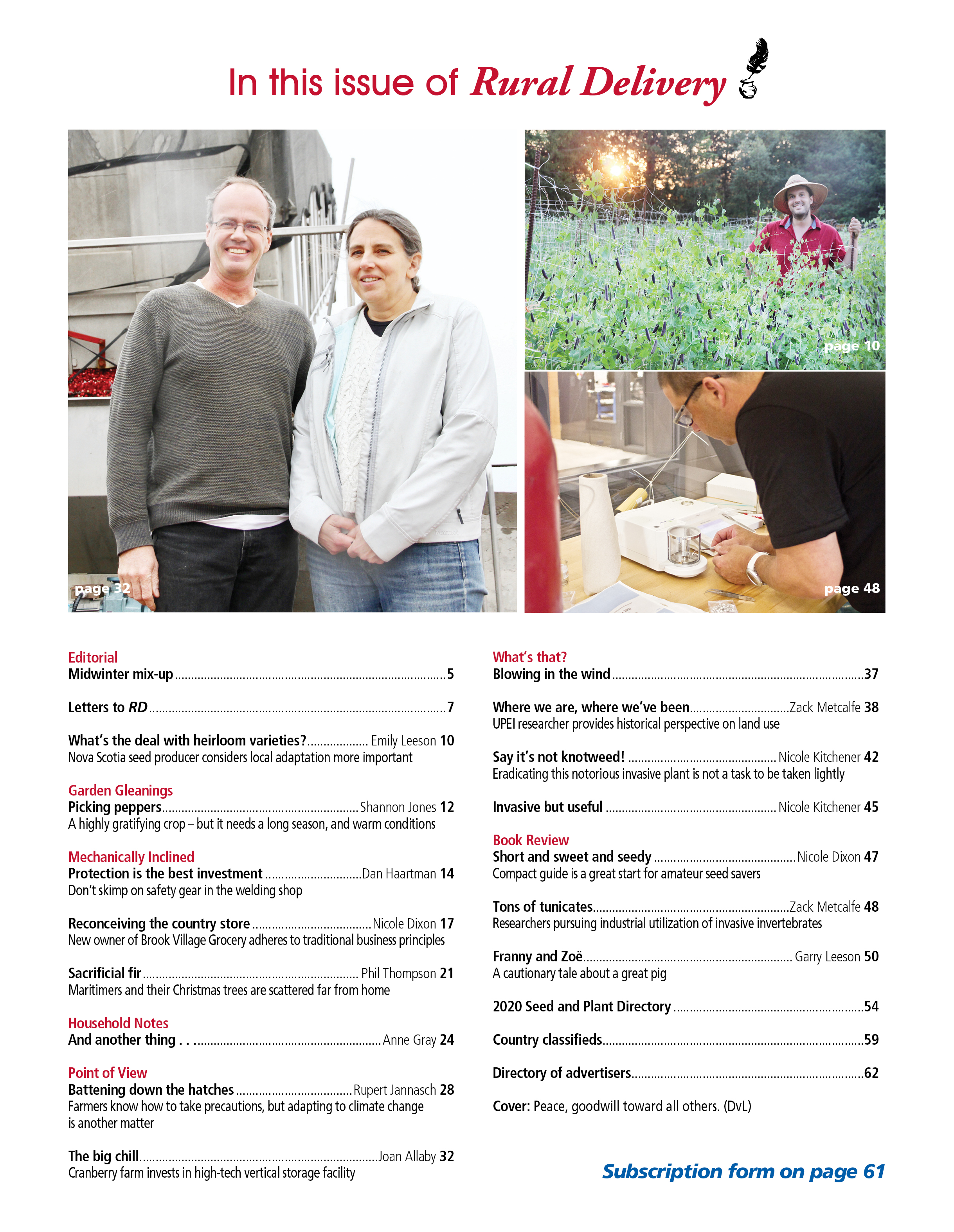
In Kentville, I picked up the December issue of Rural Delivery; a publication started by Dirk van Loon in Liverpool, Nova Scotia.bookCover_ruralDelivery It contained two articles of particular interest to me: an interview with Owen Bridge, Annapolis Seeds, Nictaux (p.10-11) and second, a review of the historical research by Josh MacFadyen at UPEI (p.38-41).

‘Annapolis Seeds is one of just a handful of 100% regional seed companies. His goal is to help maintain and further cultivate the largest possible diversity of seeds for the Maritime bio-region’.

‘All the seed he offers are grown in Nova Scotia. Because they are grown here, they are going to be well adapted for here’.

Zack Metcalfe describes the research of Josh MacFadyen at UPEI. Josh holds a Research Chair dedicated to the study of ‘geospatial humanities’. This involves historical maps of the land use. He has mapped the land use of PEI under the Back50 Project, using aerial photographs since 1969.banner_geoReachUPEI

‘It is pretty important to understand, at a bare minimum, a 50-year history of how land use has changed. I think a better view of the past will help us plan more resilient agriculture and communities in PEI and other parts of Atlantic Canada’. p.41.

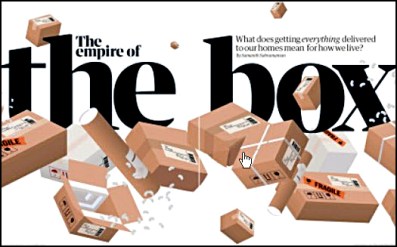
cover_empireOfTheboxMeanwhile, in the Guardian Weekly (Nov 29, 2019) Samanth Subramanian provides a long article on ‘The Empire of the Box’ or ‘what does getting everything delivered to our homes mean for how we live’. This is the world of online retail.

‘The great trick of online retail has been to get us to do more shopping while thinking less about it – thinking less, in particular, about how our purchase reach our homes’.

‘While we buy our purchases with mere movement of our thumbs, they are busy rearranging the physical world’.

At the local level in rural Nova Scotia, have you noticed the increase in courier trucks on Highway 101 or 201? This is the new definition of ‘rural delivery’.

Acknowledgements

To Dirk van Loon for his commitment to the magazine, Rural Delivery. To Edward Wedler for his online graphic skills.

References

Rural Delivery. December 2019. Volume 44 #6
What’s the deal with heirloom varieties by Emily Leeson p.10-11.
Where we are, where we’ve been. UPEI researcher provides a historical perspective on land use. by Zack Metcalfe p.38-41.
The Guardian Weekly November 29,2019. Vol 201 #25.
The Empire of the Box. What does getting everything delivered to our homes mean for how we live? by Samanth Subramanian

Posted in Book Review, Opinion

Blue Water and Gold Brandy

After we returned home from the West Coast in late Summer, we noticed that the water in our bathtub had a blue tinge to it. Upon further investigation, we learned that the water treatment system for arsenic and uranium had the side effect of creating water with a low ph (ie. acidic). The combination of acidic water with copper piping resulted in copper sulphate deposition. Fortunately, we have never used our well water for drinking or cooking.map_arsenicNS

This combination of events triggered memories of Health Geomatics Research with Dr Judy Guernsey at Dalhousie University. At that time (early 2000’s) we recommended the mapping of incidents of different cancer that could be potentially attributed to water quality. Then, it proved impossible to obtain statistics.

Moving to 2020, with the shortage of doctors, particularly in rural areas, it may be time to re-visit the question of human health and especially its relationship to water quality in arsenic/ uranium prone bedrock parts of the province.

This week, I have been trying to catch up with re-reading the Heather Menzies book.bookCover_reclaimingTheCommons After attending the Climate Action Summit, my recommendation would be for both citizen groups and politicians to do some reading.
“The commons model offers a hopeful third choice: re-enfranchising people as responsible co-participants in the governance of the larger habitats that sustain them, including their individual lives.” p.184.

“ It’s about placemaking as I said, quoting Nicholas Blomley earlier: claiming our place as part of the picture from the local to the global. p.184.

“It involves people taking up the power of agency that is latent in every situation requiring change and becoming implicated participants in changing the status quo”. p.184.

Nicholas Blomley is Professor, Geography at Simon Fraser University.

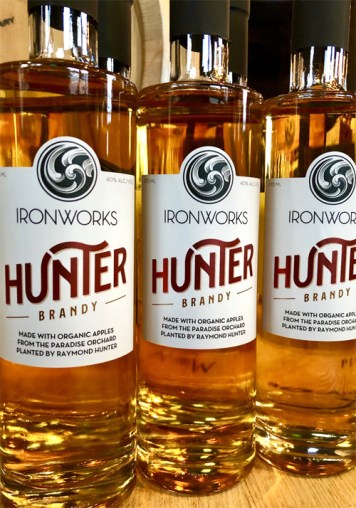
hunterBrandyYesterday, we went over to Lunenburg and picked up six bottles from the first shipment of Hunter Brandy by Ironworks Distillery. If you go online to their website, you can read a brief backstory to the product. It has been three years in the making.
Acknowledgements.

Steve at R & S Clear Water Specialists, Kentville for the blue water diagnosis. Pierre and Lynne at Ironworks Distillery, Lunenburg. Edward for his graphics contribution.

References

Heather Menzies. 2014. Reclaiming the Commons for the Common Good. New Society Publishers.
Nicholas Blomley. 1994. Law, Space and the Geographies of Power. Guilford Press.

Posted in biographical sketch

Imagination

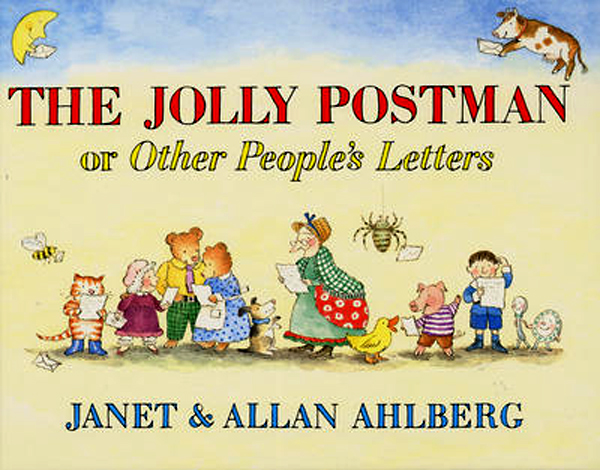
Yesterday, my daughter, Laurel, was looking for a children’s book that she remembered from years ago to read to her boys. Heather checked the attic and found it. Janet and Allan Ahlberg’s The Jolly Postman or Other People’s Letters.bookCover_jollyPostman It is a wonderful example of imagination. It includes envelopes and letters to fairy-tale characters: the three bears, the wicked witch, the giant, Cinderella and Goldilocks. The letters are addressed and include stamps. It was published in 1986.
Later, I went online to see what other books they had written and illustrated since that date. And found The Jolly Christmas Postman.

Today, I pick up my mail from the post office box in Lawrencetown. It contains, bank statements, bills, advertising fliers and the weekly Guardian.

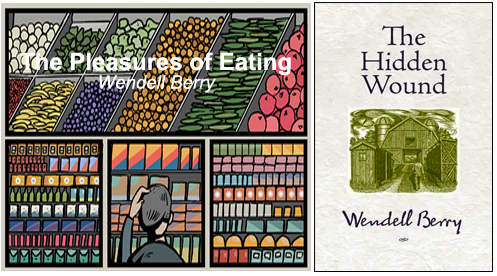
bookCovers_wendellBerryMeanwhile, through e-mail, I received two essays by Wendell Berry. From Emergence magazine, Berry’s 1989 essay The Pleasures of Eating and from Brain Pickings by Maria Popova, The Hidden Wound.

bookCover_reclaimingTheCommonsMy final literary offering, that I pulled off the bookshelf is Heather Menzies’ Reclaiming the Commons for the Common Good. A book that I picked up in 2015. Her memoir and manifesto could be seen as a response to the George Monbiot video (previous blog). The same is true of my emphasis on imagination.

If you have grandchildren or are simply interested in creative writing, check out the books by the Ahlbergs, go online, or visit Woozles bookstore in Halifax.

Acknowledgements

To Laurel for remembering a book from thirty years ago. To Heather, for keeping the family treasures. Edward for making the digital connections.

References

Janet and Allan Ahlberg. 1986. The Jolly Postman or Other People’s Letters. Little, Brown and Co.
Heather Menzies. 2014. Reclaiming the Commons for the Common Good. New Society Publishers.
Brain Pickings by Maria Popova. November 24, 2019: Kahil Gibran on silence, solitude and the courage to know yourself; Wendell Berry on delight as a force of resistance to consumerism and hardship.
Emergence Magazine. Issue #6 Food. The pleasures of Eating and Cooking.

Posted in Video Review

A BRIT fix

This week coincided with the release of Netflix’ third season of ‘The Crown’. There are ten episodes. We paced ourself with two episodes per night. I was impressed with the human back story and the quality of the BBC production. It brought back memories of England in the late ‘60s, the political drama within the context of the lives of the Royal Family.

More relevant to life in rural Nova Scotia was the opportunity to watch the YouTube video of George Monbiot ‘A new politics for an age of crisis’.

Monbiot is a journalist, who writes for the Guardian. This particular video is of a talk, he delivered in London earlier this year, based on his book, of the same title, Out of the Wreckage: a new politics for an age of crisis.

Some of his messages resonated with life in the Annapolis Valley.

1) create a politics of ‘belonging’ and the reality of community;
2) he identifies four steps:
a) rich participatory culture within a geographic region;
b) participatory democracy;
c) economic democracy;
d) the commons and community land trust.

As Monbiot states at the beginning of his talk, we have a failure of imagination to transform politics. We need a new narrative or story.

Fortunately, our local Lawrencetown library can deliver Monbiot’s latest book, through its interlibrary loan service.

Acknowledgements

Heather has shared the BRIT fix moment with me. Edward has added the necessary video link.

Posted in New thinking

Rural Curriculum

“We abuse the land because we regard it as a commodity belonging to us. When we see land as a community to which we belong, we may begin to use it with love and respect”. Aldo Leopold. A Sand County Almanac. 1949.

yurtConstruction
Yurt construction, taken from https://www.lfy.ca/workshops/links

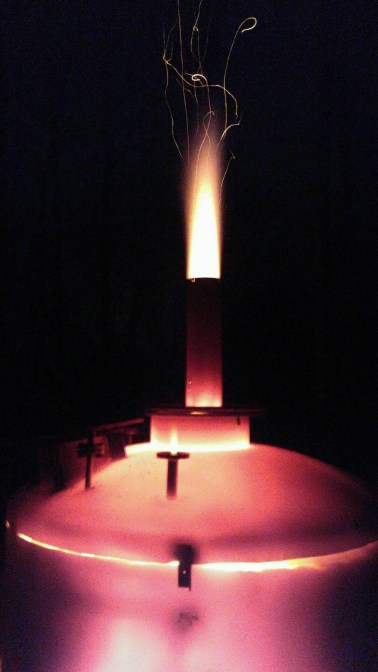
These last two days we have been supporting Alex Cole and his team: Silas, Chris, Rick and Gord produce charcoal from the leftovers of the coppicing of red maple. The coppicing produces poles for yurt construction.


This community collaboration reminded me of David Orr’s essay on Re-Ruralizing Education. It emphasizes practical woodland skills for managing the land. The products provide materials for nomadic shelters. In some way, not dissimilar to the Mi’kmaq dwellings used for their movement through the landscape. The charcoal can form the basis of biochar that adds fertility to our gardens, at home and in the forest.

At the Climate Summit last weekend, Danny Bruce, an organic farmer from Centrelea stated:

“There are lots of skills that we could relearn and use to forward us. I think maybe we can do it a little simpler than our grandmothers did, but it’s all possible.”

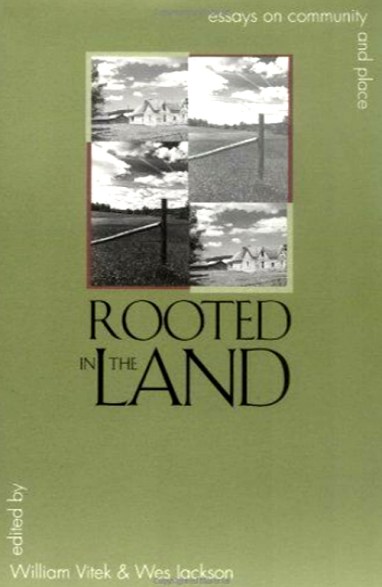
bookCover_rootedInTheLandAnother concept, from Rooted in the Land essay by Susan Witt and Robert Swann is the Community Land Trust (CLT) concept developed by the Schumacher Society.
“A community land trust is a not-for-profit organization with membership open to any resident of the geographical region or bioregion where it is located. Its purpose is to create a democratic institution to hold land and to retain the use-value of the land for the benefit of the community.”

It appears that we are seeing a new ‘back to the land’ movement. Or as Heather Stewart, astutely observes ‘back to the land with green $$$’ (money). The Annapolis Valley is well situated to be part of this creative rural economy, at a time of climate crisis.

Talking last night, we speculated whether the proposed Gordonstoun Nova Scotia school would adopt this type of rural curriculum.

Lawrencetown inter-library loan service has delivered Wilding by Isabella Tree. First glance shows the fascinating history of land use and farming at Knepp in West Sussex. ‘The Knepp ‘wilding’ project is a vitally important experiment for working out what we can do to let nature back into our farmed landscapes’.

Acknowledgements

To Alex Cole and his work crew of Silas and Chris, supplemented by the expertise of Rick and Gord for the charcoal making event. Heather for her insights and enthusiasms. John Wightman for his thoughts on the Gordonstoun school. Edward Wedler for graphics contribution.

References

From Rooted in the Land edited by William Vitek and Wes Jackson,
David Orr. Re-ruralizing Education. p.226-234.
Susan Witt and Robert Swann. Land: challenge and opportunity. p.244-252.
Handbook on establishing a Community Land Trust can be obtained from the Schumacher Center for New Economics. https://centerforneweconomics.org

Posted in Book Review

My Bookcase

kilnQuick Note

Last week, I was asked to list my top ten books on the Geography of Canada. The results appear in a blog for GoGeomatics. You can link to this site from here. (see entry for November 13 on the right-hand side).

Meanwhile, I am expecting Alex Cole, Little Foot Yurts here tomorrow.
He has been coppicing the red maple for yurt poles, and he plans to reignite his charcoal kiln over the next two days.

Acknowledgements

Jon Murphy for his continued interest in things ‘geographic’. Alex Cole for his pursuit of traditional woodland skills. Instagram: @littlefootyurts
Edward inserted the image for me.