Posted in biographical sketch

Back Story

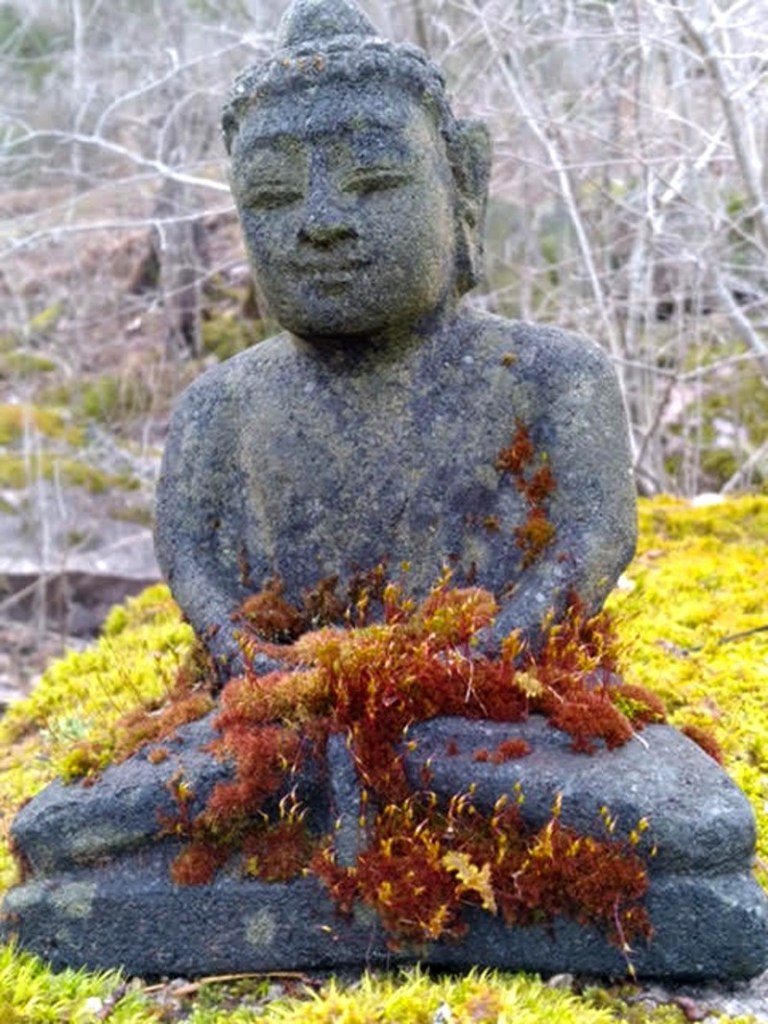
The photograph of Buddha sitting on an erratic along South Mountain reminded me of another exchange between Canada and Indonesia. Heather carefully brought the statue home in the late 1980s after our time in Jakarta with EMDI.
Ten years later, with the assistance of Valerie Thomas and Stephen Rawlinson, we transferred the COGS curriculum in GIS and Remote Sensing to help establish the M.Sc in Information Technology for Natural Resources at Bogor Agricultural University (IPB) as part of the SEAMEO regional centre for Tropical Biology (BIOTROP).

Our primary Indonesian contacts were Dr Handoko and Anton.

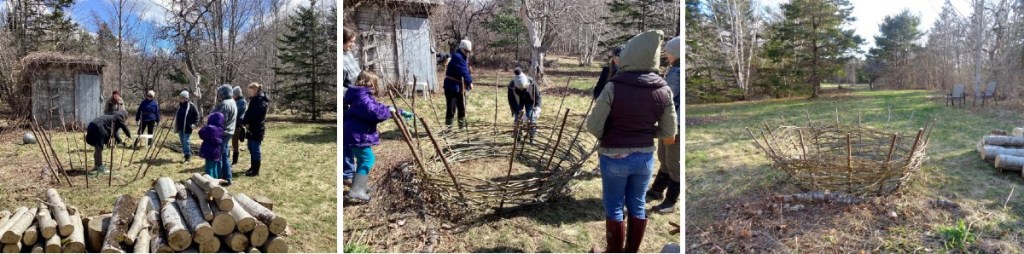
In response to my previous blog post, Klaus and Shirley Lampohl sent me photographs of their British Compost Basket created on Easter Monday at Avalon.

Emergence Magazine celebrated Earth Day with Robin Wall Kimmerer. See her essay, Ancient Green: moss, climate and deep time.

Mosses were the first plants to blanket the Earth. I wouldn’t be surprised if they are also the last ”.

Thinking about travel and returning home. In a moment of reflection, I realized that Bodhi, Siqsiq and Uqaliq all returned home to Paradise. Siqsiq and Uqaliq were sled dogs from the North, that joined Patrick skijoring in BC. Bodhi was born near Kejimkujik National Park then travelled out West with Andrew before returning to Paradise to live with us.

Acknowledgements

Heather cared for Buddha. Integrity Printing made excellent copies of the photograph. Klaus and Shirley for their contribution. Edward collaborated on the graphics.

Reference

Emergence Magazine, Earth Day April 22, 2022, Ancient Green: moss, climate and deep time.

Posted in Creative writing

Composting a Life

This post is a follow-up to my previous one (see a reference to Mary Catherine Bateson’s, Composing a Life).

The concept of ’composting’ is ’fertilizing with a mixture of decayed vegetable matter for soil’.

In recent weeks, I have been attempting to provide Jonathan Murphy with a background on my academic career. The end result was to rediscover my curriculum vitae from 2011 on my iMac desktop computer. I called Kyle Hackenschmidt at Bridgetown Computers. With his help, I was able to email the file to Jon at GoGeomatics.

The lesson is that either I keep current with the software on the iMac or I unload the files onto a thumb drive for future access. Clearly, my technology range is now restricted to the iPad which is the preferred environment for my blog.

As we age, we shed different parts of our life. This was reinforced by an excellent documentary, Coral Ghosts, as part of Earth Week on CBC.

It describes the work of Thomas Goreau, an impassioned marine biologist who uses his family’s extensive archive as a catalyst to save the world’s reefs. Pity, that every week is not Earth Week.


This afternoon, I stopped at the COGS Library and talked to Andrew Hannam. He showed me an excellent poster by a Cartography student which documents the lives of JB Hall and Major Church. It includes a map of Lawrencetown, showing where they lived in the village. Worthy of a stop at the Library.

Acknowledgements

Kyle, for his technical computer help. Andrew for his Librarian advice. Heather provided the photograph of Buddha in our back garden on the slope of South Mountain. Edward added his graphics touch.

HEATHER —
 I am again joining Buddha on my sitting rock. He has been sitting here all winter and has a lovely cover of Copper wire moss.

References

Coral Ghosts aired on CBC Tuesday, April 19, 2022.

Posted in Book Review

Saltscapes and Moss

In New Glasgow for Easter, there was the opportunity to catch up on Saltscapes.

Two short articles caught my attention because I am familiar with the landscape. The first was tied to Grand Pré and the poem of Evangeline. The second concerned the geology of Western Newfoundland, particularly the Tableland in Gros Morne National Park.

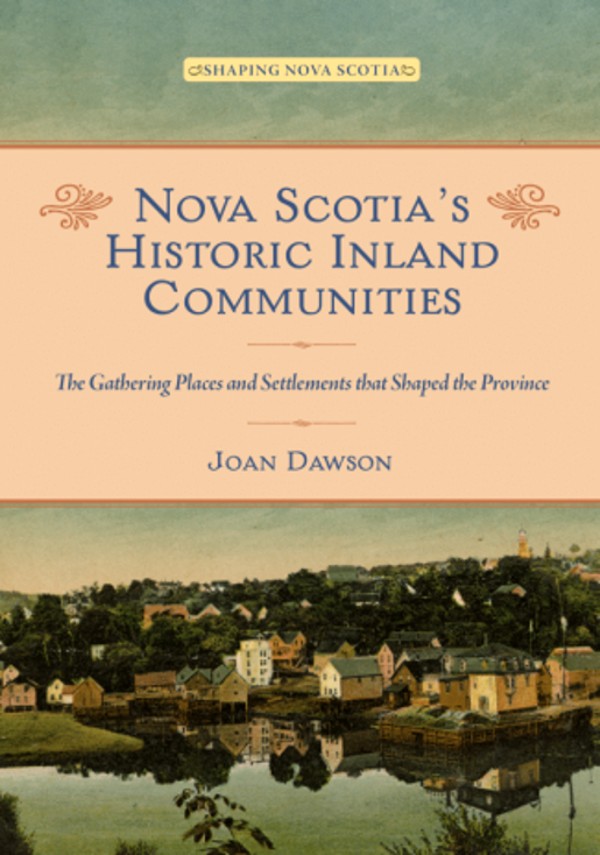
The Saltscape magazine reminded me of the importance of the landscape perspective. This supports my criticism of Joan Dawson’s latest book on the history of Nova Scotia’s inland communities. It includes Paradise, Bridgetown and Middleton; not, however, within the larger context of the physical landscape of the Annapolis Valley.

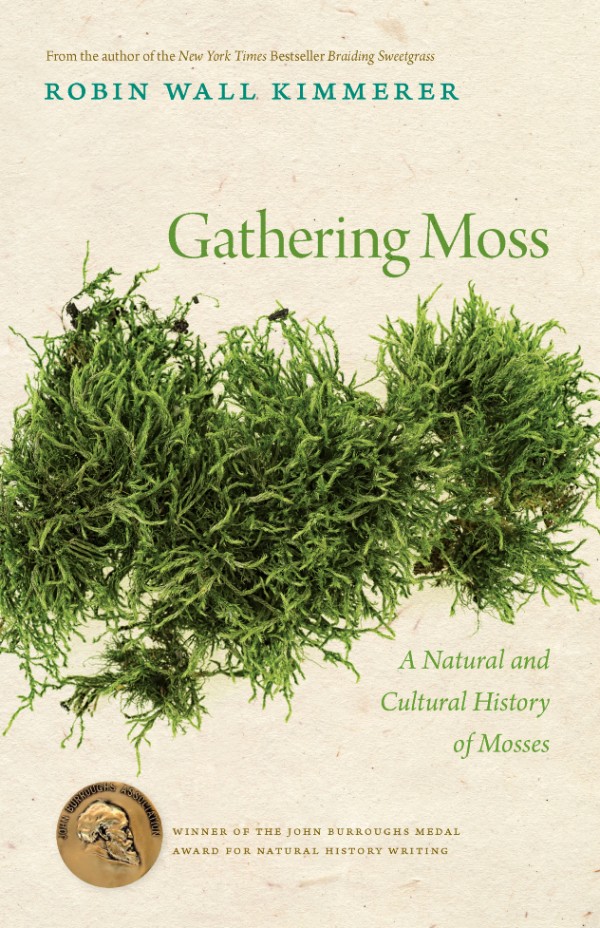
A recent discovery, to me, was Robin Wall Kimmerer’s book, Gathering Moss. This natural and cultural history of mosses sits well with a number of other recent acquisitions, adding to Heather’s library.

Annie Martin, The Magical World of Moss Gardening.

Karl B. McKnight, et al., Common Mosses of the Northeast and Appalachians.

In the Preface, “Seeing the world through Moss-coloured glasses”, Kimmerer notes:

In indigenous ways of knowing, we say that a thing cannot be understood until it is known by all four aspects of our being: mind, body, emotion and spirit.” p.vi.

One last book, jumped down from my bookcase, Mary Catherine Bateson’s, Composing a Life.

A masterwork of rare breadth and particularity, encompassing all the rhythms of five lives and friendships, and interweaving their stories in ways that reveal grand social truths and peculiar personal graces.” The Boston Globe.

Time to read it again, methinks.

Acknowledgements

Heather provided access to her botanical library. Edward returned from Florida and added the graphics.

References

Saltscapes, April/May 2022, Darcy Rhyno, Walking around in a poem. p.32-35.

Jen Thornhill Verna, ”Really old rocks” in Gros Morne. p.23-25.

Joan Dawson, 2022, Nova Scotia’s Historic Inland Communities: The Gathering Places and Settlements that shaped the Province, Nimbus Publishing.

Robin Wall Kimmerer, 2003, Gathering Moss, Oregon State University Press.

Annie Martin, 2015, The Magical World of Moss Gardening, Timber Press.

Karl B. McKnight, et al. 2013, Common Mosses of the Northeast and Appalachians, Princeton University Press.

Mary Catherine Bateson,1989, Composing a Life, Grove Press.

Posted in New thinking

Naming Conventions

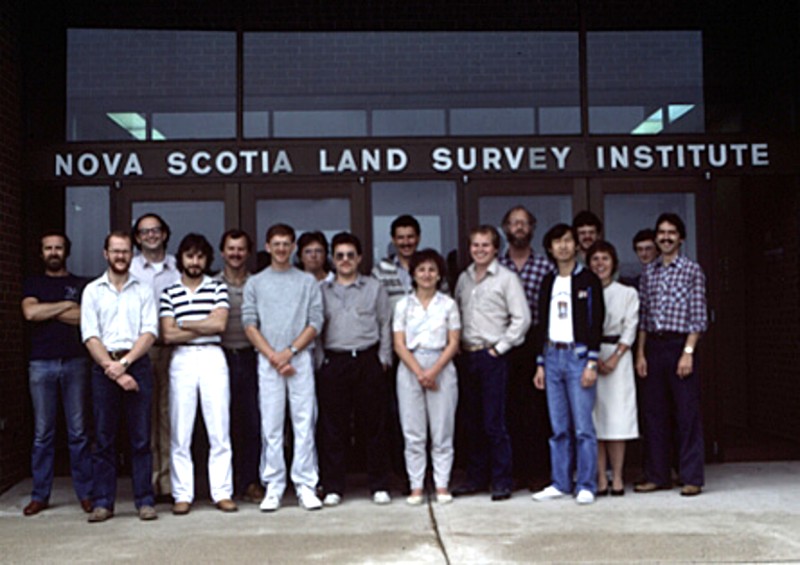
When we (Heather and I) arrived in Lawrencetown, the post-secondary institution was called the Nova Scotia Land Survey Institute (NJSLSI). Its primary purpose was to train land surveyors in Nova Scotia.

By 1986, with the introduction of new programs, it had expanded into a College of Geographic Sciences. This included Planning, Cartography, Remote Sensing, Computer Programming, and Marine Geomatics.

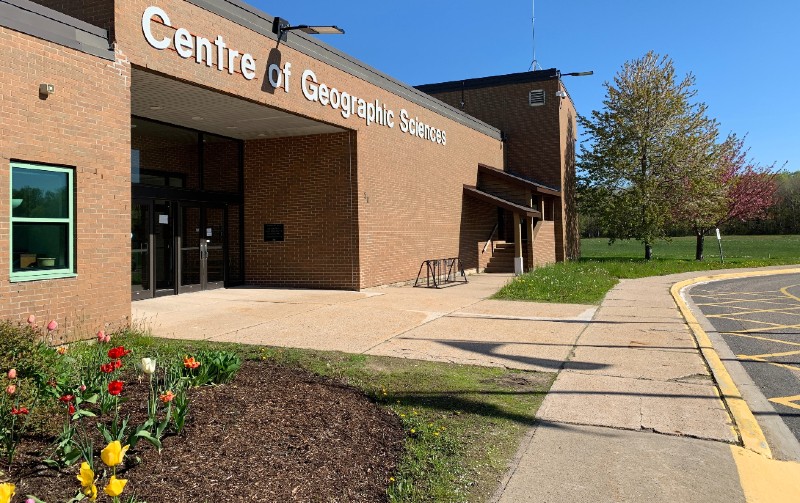
With the establishment of the Nova Scotia Community College (NSCC), and with multiple campuses, the administration could not stomach, or comprehend, the concept of a college within a college. COGS became the Centre of Geographic Sciences.

What was gained? What was lost?

Simply put, the NSCC became a network of locations administered from Halifax. What was lost? As a College of Geographic Sciences, the emphasis was on a holistic definition of the science of Geography. In Nova Scotia, this college had filled a vacuum. Geography did not exist as a discipline in most of the educational institutions, except belatedly at St Mary’s University. No Geography at Dalhousie, Acadia, St Francis Xavier, or Cape Breton University.

What is in a name?

Take for example the Centre for Rural Aging and Health (CORAH). Again, a node in a network. It appears to emphasize our rural location and the health of the population. How does this fit with a critical examination of the quality of health services in the Middleton area? Is the Centre designed to celebrate the positive contribution of an aging demographic in rural Nova Scotia? Does ’aging’ focus attention on ’ageism’?

What is the contribution of an eighty year old geologist, or a fifteen year old bird watcher, or a seventy year old geographer? Does ’age’ matter?

The way we use language is extremely important. For example, the Applied Geomatics Research Group. Applied refers to the ’application’ of science and technology. Geomatics is a field of science and technology — previously described as Survey Engineering. Research implies an investigation, that is an innovative exploration, into the issues of the day; for example, climate change, sustainable agriculture, relationships between rural and urban demography. The term ’group’ implies loose teams who collaborate, bringing their knowledge and skills to address these issues. It is not a Centre within a network. The type of research is influenced by the location of the group — the Bay of Fundy, Annapolis Valley, Southwest Nova Scotia — and the particular skillset of the group membership.

We need a better understanding of Geography; the term, and its importance to the relationship between the landscape and its inhabitants, both human and other species.

Posted in Opinion

“Never Retire.”

Last weekend, I met with John Wightman for a beer. As we reminisced on the state of provincial and municipal politics, John offered up the quote from Major J.A.H. Church, founder of NSLSI (Nova Scotia Land Survey Institute) almost 75 years ago:

Never Retire.”

John, himself, is a wonderful example of this motto. After finishing employment at COGS, John continued his interest in mineral exploration and has discovered that the geology of Nova Scotia provides numerous opportunities for the prospector, whether in gold or other valued elements, including lithium and molybdenum.

With the federal budget last week, provinces are realizing the importance of these minerals to the country, in a changing global economy. John’s business interests continue to be supported by the technical skills of Mike Donnelly and David Raymond, both previous instructors at COGS.

I take Major Church’s motto to heart. Likewise, I continue to find that the landscape and people of Nova Scotia offer a richness and diversity that can support our population into the future.

Today (Wednesday) I received Axiom News, inviting me to attend Cultivating Connection, Practicing Relational Presencing, on Good Friday.

Meanwhile, my reading desk contains:
Donald Sturrock, Storyteller: the authorized biography of Roald Dahl.
Torbjorn Ekelund, A Year in the Woods: Twelve small journeys into Nature.

Coltsfoot (left), Blue Scilla (right)

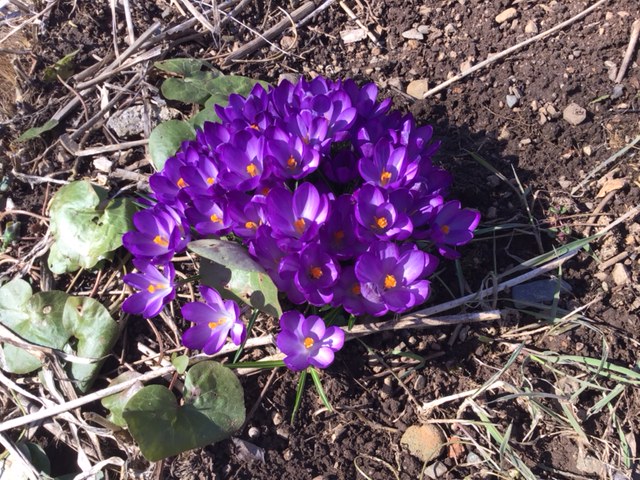
Walking through our property to the West Inglisville road, I noticed a first sign of Spring, the yellow flowers of Coltsfoot (Tussilago farfara) on the side of the gravel road. At John’s house, he has a wonderful display of blue Scilla flowers in bloom, under a large White Oak.

Postscript 1

Imagine the resource at COGS, if they embraced Major Church’s motto. Do away with ’ageism’. It boggles the mind.

Postscript 2

Just watched British Columbia Knowledge Network, Tugan Sokheiv conducts Alison Balsom. It raises the question: what would it be like to work in an environment like a symphony orchestra? Everyone has a particular instrument skill. Together, they produce a symphony. Wonderful collaboration!

Acknowledgements

John Wightman for setting a ’gold standard’. Frank Fox for the Ekelund reference.

Heather continues to keep my biogeographic interests alive. Edward added the graphics.

Posted in biographical sketch

Three’s Company

A week ago, Heather and I met up with Anne and Bill Crossman, Roger Mosher at Lunn’s Mill.

Everyone brought something to the table. Bill had a bag of books from his Winter reading. Roger had a portfolio of his photo-art. And Anne arrived with her recent publication of the blog about her Parents. Heather and I came refreshed from our adventure to Toronto.

From Bill’s collection, I noted two themes ’returning home’ and indigenous writing. Anne’s family blog reinforced the first.

The meeting showed how each of us had used the time since the previous get-together, likely in the Summer 2021.

Another highlight this week was coffee and breakfast sandwich at the Aroma Mocha in Bridgetown.

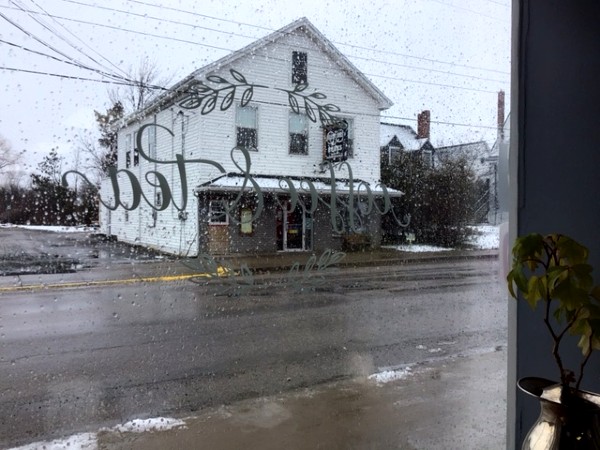
While Heather enjoyed the dentist, I could look out the window to the Endless Shores bookstore on a cold, wet snow day. I happened to find a book at Aroma Mocha — ’Windsor Castle’. It brough back fond memories.

On the inside cover :’To Edith. A reminder of a happy day at Windsor. with love from Alice and Dan. 25/7/36.’ The subtitle reads ’An old time romance of Windsor Castle which features Henry the Eighth, Anne Boleyn, Jane Seymour and Cardinal Wolsey’.

I purchased the hard cover book for five dollars ! I also picked up ’My Bridgetown’ printed by Integrity Printing, Friday, April 1st.

Acknowledgements

Thank you to Roger, Anne and Bill for the company. Heather helped with the book readings. Edward added the graphics.

Postscript

The snow has gone!

References

Drew Hayden Taylor, 2021, Me Tomorrow: Indigenous Views of the Future, Douglas and McIntyre.

Sonia Shah, 2021, The Next Great Migration, Bloomsbury Publishing.

Michelle Good, 2020, Five Little Indians, Harper.

Kamal Al-Solaylee, 2021, Return: Why we go back to where we come from, Harper Collins.

Anne (Tripe) Crossman, 2022, Celebrating Phil and Elizabeth Tripe, Printed by Integrity Printing.

Roger Mosher, photo art http://flickr.com/photos/solenkaru

Posted in Opinion

Land Use Mapping

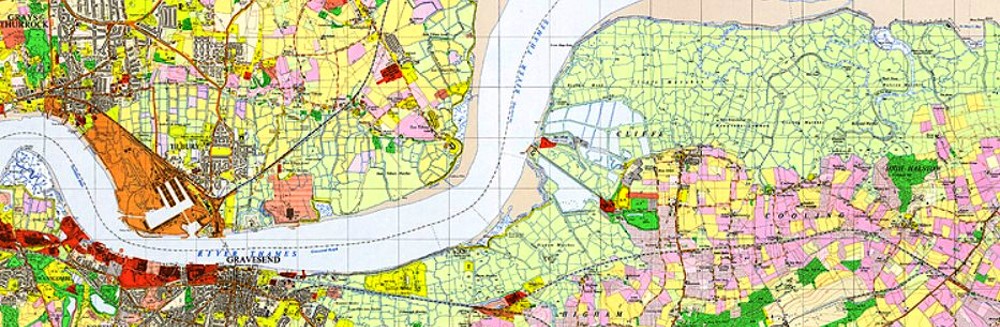
In the 1960s I studied Geography at the University of Birmingham. I remember that Alice Coleman directed the Second Land Use Survey of Britain. This followed Dudley Stamp’s survey of the 1930’s.

Second Land Utilisation Survey of Britain Directed by Alice Coleman, Gravesend, (Sheet 207)

The challenge of land use mapping came to mind within the context of understanding agricultural land use in Annapolis County. If we wish to promote agriculture in this part of the Annapolis Valley, a first step is to understand the existing land use. If the next generation wishes to expand agriculture or agricultural tourism, we need to know what we are growing, and where.

Recently, in a meeting, Brian Arnott floated the idea of a ’digital 4H’. What would it take to empower 4H members in the Valley to apply current geographic technologies (and “Learn by Doing”)?

At COGS we have access to range of technologies from Cartography, GIS and Remote Sensing.

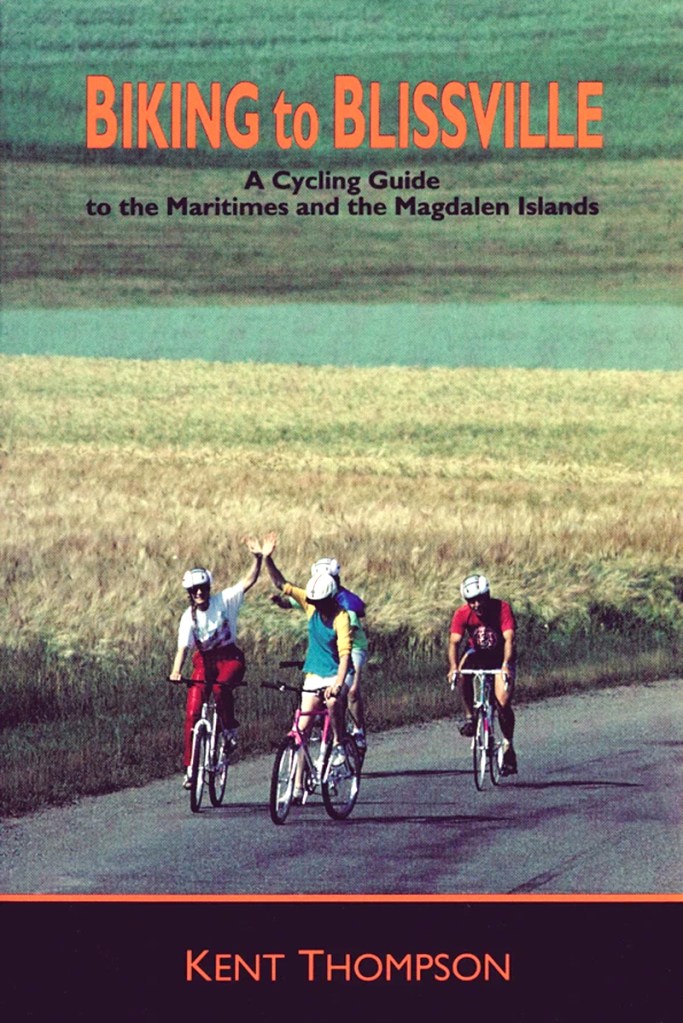
We could take an idea from Kent Thompson’s book ’Biking to Blissville’. For each ride, he provides a context, where to stay, and a map of the ride. It is easy to imagine with the completion of a current land use map we could develop an experiential tourism guide which not only describes the agricultural land use but highlights places to stop, to sample different products of the landscape, provide information on seasons, hours of opening etc. — for example, road side stands, U-pick operations, local restaurants, breweries.

This type of mapping should not be limited to Annapolis County. It should certainly extend to Kings County and the ’Harvest Highway’, and could indeed be a provincial initiative.

Given the historical experience in Britain, there is a high probability that geographers elsewhere have developed similar applications using current technologies. It is the potential access to resources at COGS which makes the idea so appealing.

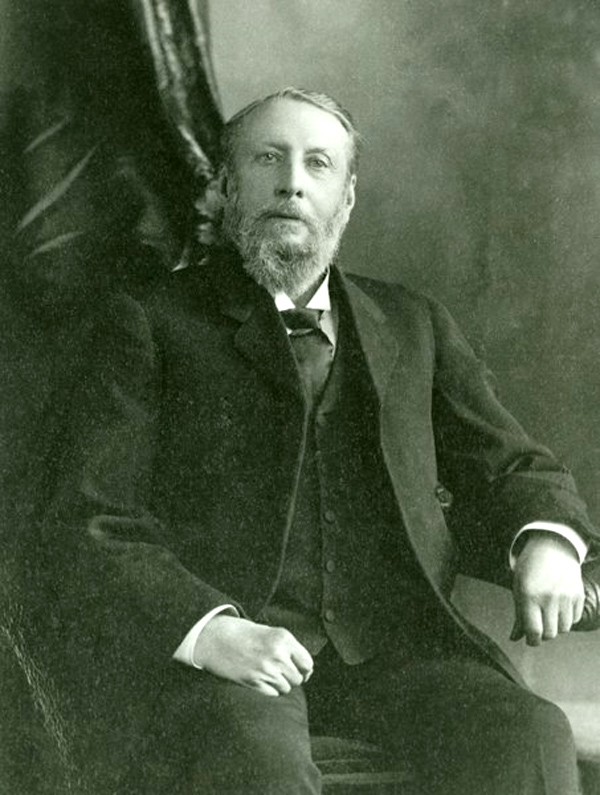
The creation of a new family of digital land use maps would follow in the tradition of the A.F. Church wall maps from over a century ago (see blog post HERE).

It would focus attention on the landscape of rural Nova Scotia. It would engage 4H and the staff and technology resources at the Centre of Geographic Sciences (COGS). Go COGS go !!

Postscript

This is written in New Glasgow. I have just discovered the latest issue of Ah! At Home on the North Shore. It includes the article: Little Shop of Treasures: Bidding Farewell to Water Street Studios, Pictou (see blog post “Travels with Heather“).

As we entered New Glasgow along the Abercrombie Road, I speculated on the location of the new Gordonstoun Nova Scotia school. Too early to tell.

Acknowledgements

Brian Arnott, Leslie Wright, John Wightman provided a context for these ideas. Rachel Thevenard and David Colville exemplified the context. Heather found the Kent Thompson book. Edward added his magic touch.

References

For more detail on Alice Coleman, check Land Utilization Survey of Britain on Wikipedia or Google her name.

Ah! At Home on the North Shore, Spring 2022, Vol 7, No 2, p.48, Little Shop of Treasures. Bidding Farewell to Water Street Studios.

Kent Thompson, 1993, Biking to Blissville, A Cycling Guide to the Maritimes and the Magdalen Islands, Goose Lane Press.

Posted in biographical sketch

Home Place

While in Toronto last week, I contacted Sinead and Rob who had purchased Andrew’s property across the road. They manage a business, Just be Woodsy in Toronto.

They make furniture from trees cut down by the city. Eventually, they plan to reside full time in Paradise.


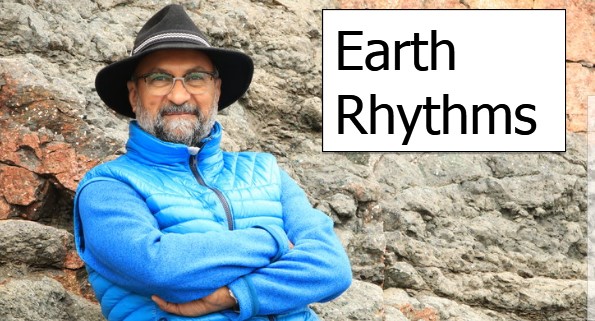
Last week, I was contacted by Celes Davar at Earth Rhythms. He is interested in experiential tourism in the Annapolis Valley. That includes working with food suppliers, such as orchards and vineyards.

My thoughts turned to all the COGS students who have graduated since my time in the 1980’s. Many have now reached retirement age. Perhaps it is time to go down memory lane.

Annapolis County, Lawrencetown, COGS could become an educational tourist destination. I had had the same thought when there was talk of Gordonstoun, Nova Scotia (click my previous posts, for example, HERE, HERE, HERE and HERE). Instead it looks like it will locate in Pictou County (see Saltwire) The good news is it will continue the tradition of McCullough and the Pictou Ccademy. Check my earlier blog post on the Stepsure Letters.

This week, we have meetings at COGS on agriculture in Annapolis County, as well as the AGM for the CANMAP research institute. Each offers an opportunity to connect town and gown, or college and community.


After our time in Toronto, my brother Peter and I are looking at the role of place in our lives. Especially, West London and our grandparents (nurseryman and taxi driver). They were both self-employed businessmen. We hope to explore this matter in the Fall.

Finally, in the words of Raymond Hunter, planter of the orchard across the road.

Bloom where you are planted “.

Heather found a mug at the Annapolis Royal Gardens shop with this inscription. She gave it to Julia as a house present in Toronto.

Postscript

I found Gary Jennings book ’Aztec’, for John Wightman, at Books Galore in Coldbrook. Heather found Kent Thompson ’Biking to Blissville’ (see blog post HERE).

From the Bridgetown ride,
You can ride through Buckler’s words and Tolmie’s pictures (and words too – his text for A Rural Life) is full of insights) on this loop out of Bridgetown. The ride is through beautiful farming country. Buckler and Tolmie ask you to think twice about beauty.” p.150.

Acknowledgements

We shared an excellent Indian curry, cooked by Stephane and Jess, tenants across the road, on Sunday night. Sinead and Rob for information on their Toronto business. Celes for his interest in the orchard geography. Edward added the links. Heather added her stories.

References

Just be woodsy at justbewoodsy.com

Earth Rhythms at earthrhythms.ca

The Stepsure Letters blog post December 14, 2021.

Kent Thompson, 1993, Biking to Blissville: A Cycling Guide to the Maritimes and the Magdalen Islands, Goose Lane Editions.

Posted in biographical sketch, Event Review

The Joy of Travel

This week, Heather and I flew to Toronto. We wanted to see my brother, Peter, and his extended family before he returned to France. It was a quick four day trip. We noticed a couple of changes.

To fly we had to scan our vaccination certificate QR codes. Interestingly, while waiting at Halifax airport we had breakfast at the Firkin and Flyer. To view the menu we needed to scan the QR code.

Once in Toronto, we took the bus to Kipling TTC station, subway to Victoria Park, and another bus to Julia’s house in Scarborough. Almost as long as the flight from Halifax to Toronto. Later, on the return trip, we used Uber. From the house directly to the Air Canada domestic departure terminal.

The theme of the trip was story-telling. Peter had been listening to BBC Radio 4 series ’Telling Tales’. While in Toronto, I received email from Chris Hopkinson which included a link to a video on his research, Our Changing Mountains & Water Resources.

In addition, Melissa Ristow sent me links to her story maps (Bats on the Radar, and Kespukwitk).

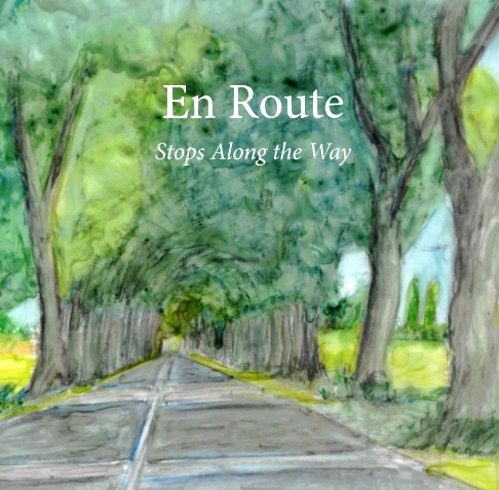
Peter provided me with a copy of his latest book, En Route, which covers his life through the houses in which he has lived. Jason kindly forwarded a list of all Peter’s publications.

At Julia’s house, where Peter and we were staying, there was a significant collection of recent books. Twenty two and counting. You need to know that Peter is a graphic artist and book designer. I had time to investigate only three.

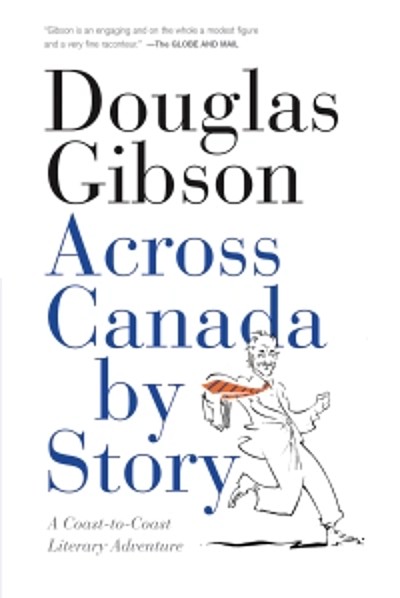
I checked out the chapter on the Maritimes, as well as Haida Gwaii. In Haida Gwaii, Gibson describes his visit to James Houston’s cabin at Tlell on a salmon river.

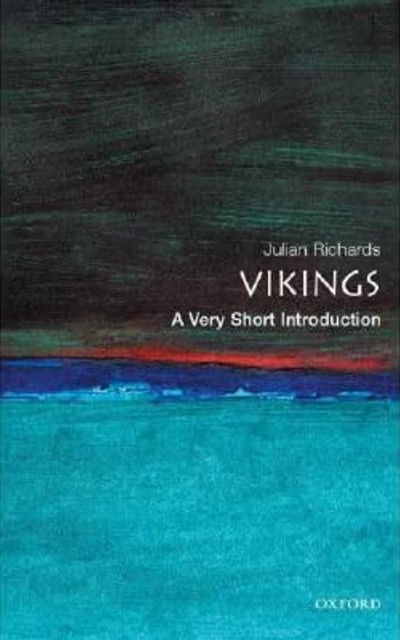
Julian Richards’ The Vikings: a Very Short Introduction Oxford University Press series.

Expert, concise but far from bland. Oxford’s Very Short Introduction series must rank by now as a thinking readers Wikipedia.” Boyd Tomkin, The Independent.

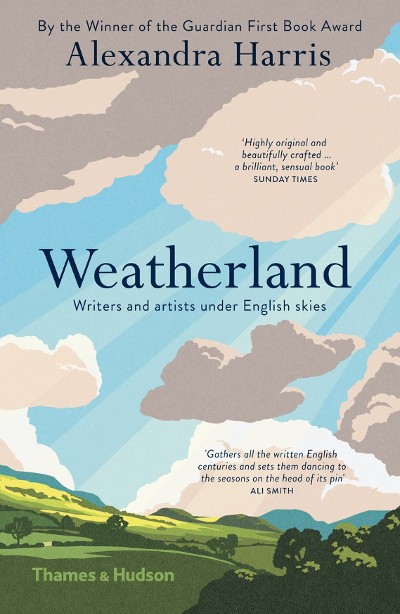
Alexandra Harris’, Weatherland: Writers and Artists under English skies,

”A dazzling journey through the weather-worlds of English culture and history, remarkable for its range of reference and its subtleties of thought”, Robert Macfarlane.

It will take a while to digest the four day trip. Certainly, there is much food for thought on city vs rural living. At this time, we can simply say ’they are very different’. As you age, you can appreciate the plus and minus. For the Peter Maher clan, Toronto remains the hub; for the Robert Maher clan, we are spread from British Columbia, Ontario, Nunavut to Nova Scotia. But for both of us, the journey started in West London (Whitton).

Postscript

Heather picked up Michele Kambolis’ book When Women Rise from the library. Each chapter includes a QR code for everyday practices to strengthen your mind, body and soul.

Acknowledgements

A heartfelt thanks to Julia, Peter, Carole, Daisy, Jason and family for making the trip memorable. The stimulation was palpable after months, years with Covid restrictions. After our trip, Heather and I enjoyed a quiet supper of reflection at the Capitol pub in Middleton. Edward later added the links and the graphics.

References

BBC Radio 4. Making History: the Storytellers who shaped the Past. by Richard Cohen.

Chris Hopkinson video link, Our Changing Mountains & Water Resources.

Melissa Ristow Story mapping links, Bats on the Radar, and Kespukwitk

Peter Maher publications link, including
A Life – A collection of self-portrait postcards from important phases of my life. – https://www.blurb.ca/b/8997959-a-life|
A Place – This is a window on my childhood in Whitton to age 11. A collection of childhood memories – https://www.blurb.ca/b/9921235-a-place
Maureen – Images from a suitcase of family memories – https://www.blurb.ca/b/9936151-maureen
En Route – Places that dad has lived in – https://www.blurb.ca/b/11086688-en-route
Le Rhonel – Sketches of the sewers in Cleremont – https://www.blurb.ca/b/6502894-le-rh-nel
25 Chalk Drawings – These drawings are of the interior of my 300 year old house in Clermont l’Hérault. – https://www.blurb.ca/b/2657860-25-chalk-drawings
Mas Bellevue – A collection of images from a friends house in Cleremont L’Herault – https://www.blurb.ca/b/7327177-mas-bellevue
The Ride – The Ride, is a series of etchings done based on a bike ride I used to take each morning – https://www.blurb.ca/b/921672-the-ride

Douglas Gibson, 2015, Across Canada by Story: a coast to coast literary adventure, ECW Press

Julian Richards, 2005, The Vikings: a Very Short Introduction Oxford University Press

Alexandra Harris, 2015, Weatherland: Writers and Artists under English skies, Thames and Hudson

Posted in Creative writing

A Short Story

This week, I received an email from Moose House Publications. ’Big books about small places’. They were looking for short stories for Volume 2 ( 3000 words). In the same time frame, I received an email from Melissa Rostow. In 2015, I had mentored her on a Story Mapping project: four days through Haida Gwaii (also, see previous blog posts 1, 2, 3 and 4).

Here is my short story submission, entitled,

COGS IN A WHEEL

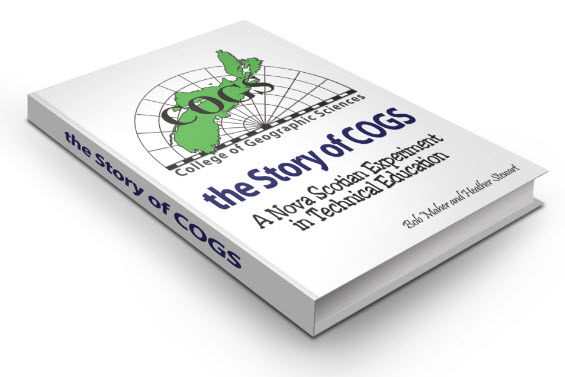
The starting point would be ’the Story of COGS’ (see also this).

This was written in 2014 with Heather Stewart. It was turned into an electronic book by Ted Mackinnon. In the same time frame, Jonathan Murphy formed GoGeomatics Canada. Story Mapping: Haida Gwaii was posted on their website in July 2015.

The next phase was the creation of a blog site under the heading Ernest Blair Experiment. This started in January 2017 with ’At the Edge of Paradise’ — a poem. This blog still continues today. March 19, 2022, is blog #393.

The challenge for me is …
How to turn writing in an electronic blog format into a short story?

Here is my solution: ‘COGS in a wheel’.

Many years ago, when the acronym COGS referred to the College of Geographic Sciences before it became the Centre of Geographic Sciences, and part of the Nova Scotia Community College, David Raymond, Cartographer, produced a number of items that showed cogs in a wheel; each Geomatics discipline engaging with the other, related disciplines. These included Computer Programming, Cartography, Planning, Surveying, and Remote Sensing.

This educational model still has relevance today. Increasingly, we need the education to be holistic and to focus on the inter-connectedness of disciplines, sciences and technologies.

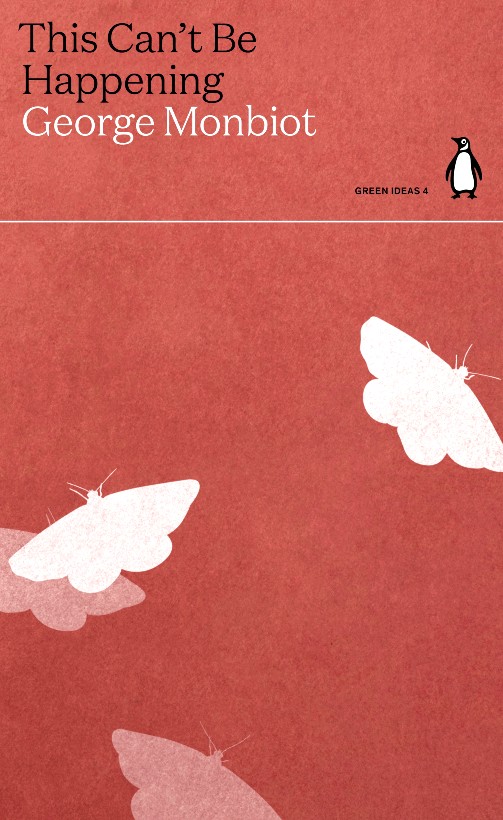
Today, I picked up George Monbiot’s ’This can’t be happening’ in the Penguin Ideas Series, #4.

From his Foreword (p.5)

Clearly, we need to demand practical changes: new technologies, new economies, new ways of living. But we also, and primarily, need to do something deeper: to overcome the ignorance the billionaire press has manufactured, to wake our friends from the stupor of consumption, to break through the barrier of disbelief and provoke a new moral imagination.

From my perspective, we are but all cogs in a wheel. It is the connection between Moose House Publications, Melissa Rostow, Ted Mackinnon, Jonathan Murphy, myself — all connected through COGS in rural Nova Scotia, Lawrencetown, Annapolis County — that gives me hope as we face the global challenges of 2022.

Acknowledgements

Brenda Thompson at Moose House Publications for seeking out short stories. Melissa Rostow for remembering our work on Story Mapping: Haida Gwaii. Edward Wedler added his Remote Sensing and technical expertise. Ted MacKinnon and Jonathan Murphy for their contribution to the “Story of COGS”. Heather Stewart shared the journey.

References

George Monbiot, 2021, This Can’t Be Happening: Great Ideas #4, Penguin Books.

Postscript.

This blog does not meet the 3000 words criteria however it does provide access to other online resources that can expand our imagination and the word count.

On another note: Sunday 20 March 2022 is World Storytelling Day. 2022 theme is “Lost and Found”.