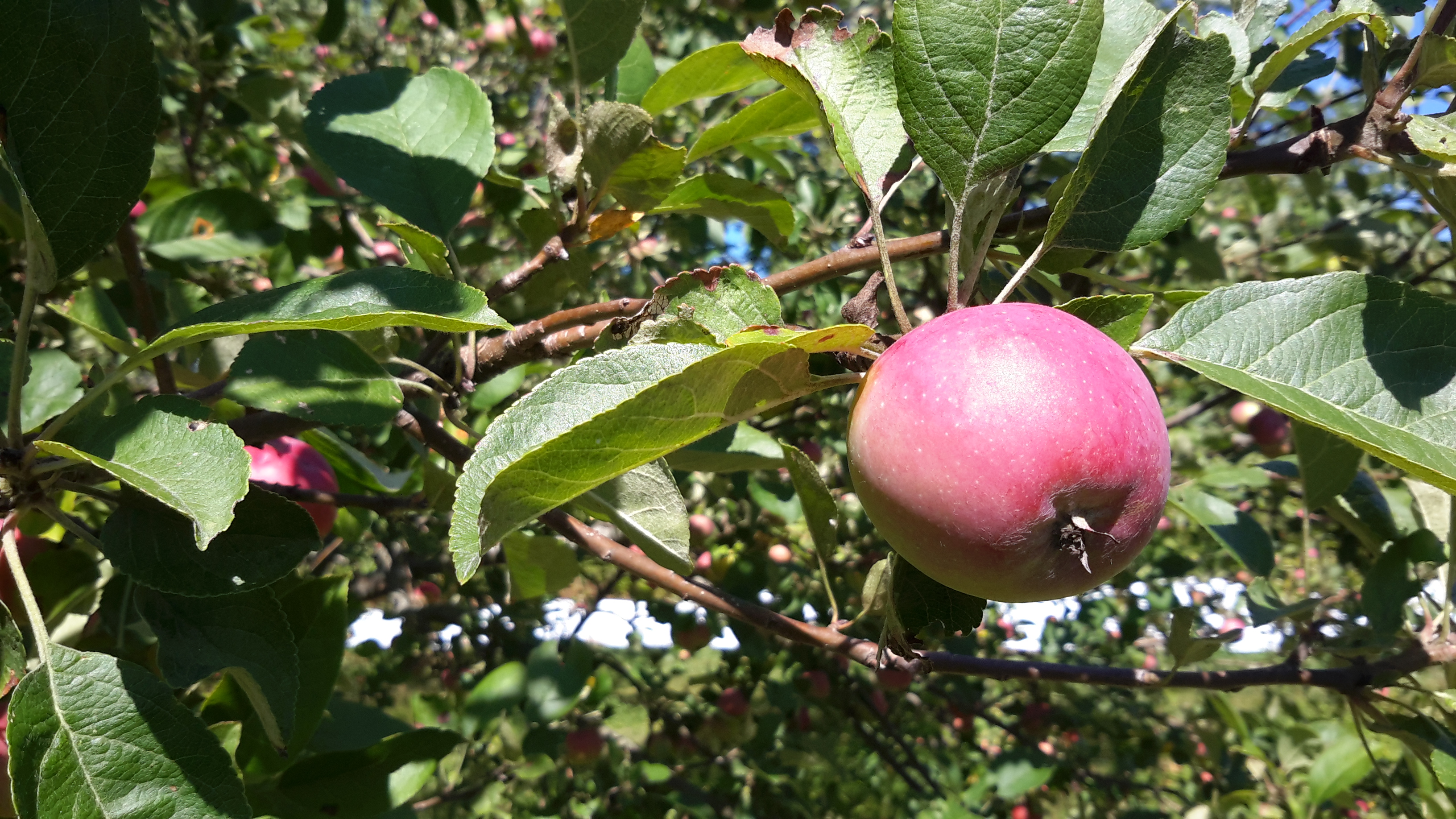
For the last twenty-four hours we have had a reprieve from apple picking. Tropical storm ‘Teddy’ gave us high winds and 50-100 mm. of rain. Fortunately, our organic orchard is somewhat protected, but the storm has added to the drops which need to be picked up and shipped to Brian Boates Farm for organic cider vinegar.

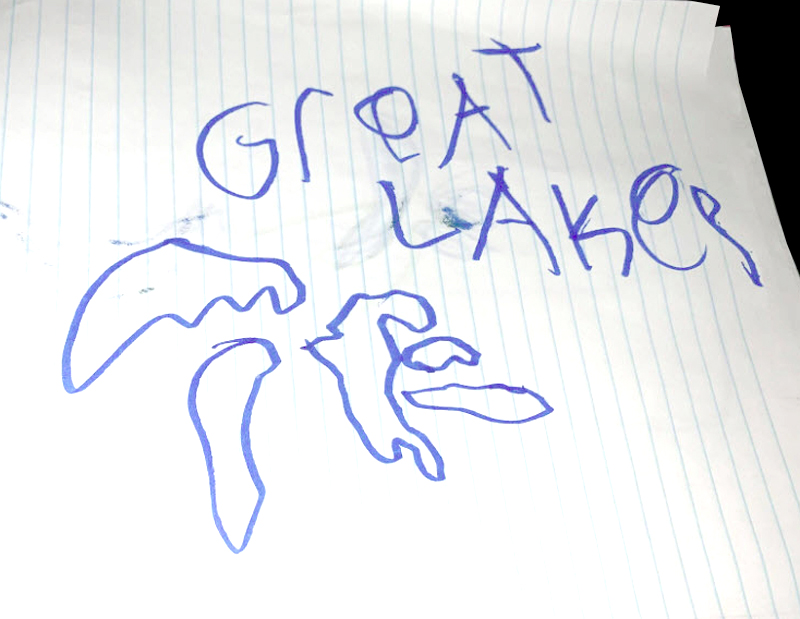
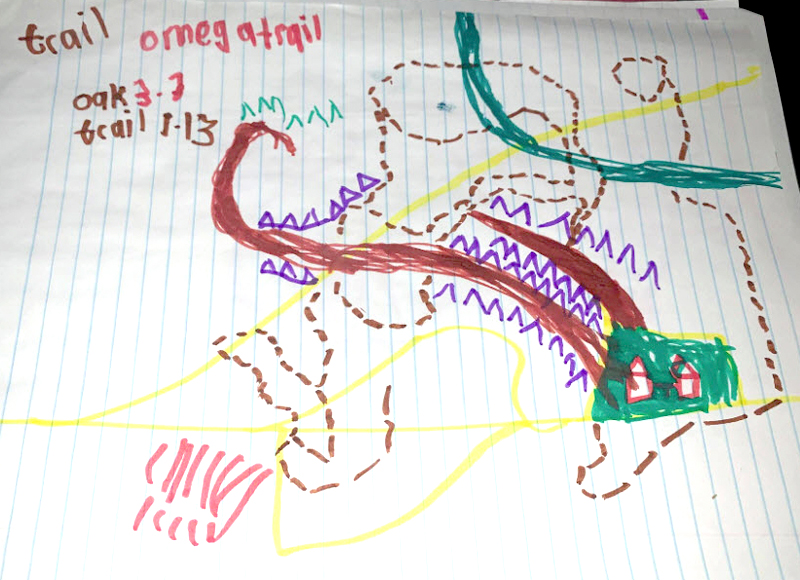
In response to Edward’s post on ‘Maps Through the Eyes of Children’, I received the following comment from my graduate supervisor, Mike Goodchild.
“An interesting topic indeed. It reminds me of Allestone, William Blake and Benjamin Heath Malkin, imaginary maps in general and imaginary maps created by children in particular.”
“Grandson Alastair (now 15) has been fascinated with maps from an early age; when he was planting out broccoli in our garden this Spring he called his work Utah because of the shape of the area he filled with plants”
After going to the bank in Bridgetown, Heather and I casually dropped into Endless Shores Books. Within fifteen minutes, I had ‘discovered‘ three books.
1 Tim Smit, 2002, Eden. Edenproject Books

‘In March 2001, the completed Eden Project in Cornwall opened its gates for the first time. Out of a disused china clay pit the vision of a living theatre of plants and people, and refuge for the world’s endangered species, had at last been realized.’
2 Tim Homan (Ed.), 1991, A Yearning Towards Wildness. Peachtree Publishers.

The book is divided into three sections:
In Wildness is the Preservation of the World
Consider the Beauty of the Earth
Let Man tread gently through Nature
3 Gretel Ehlich, 1985, The Solace of Open Spaces. Penguin.
’Ehrlich’s best prose is in a league with Annie Dillard and even Thoreau. The Solace of Open Spaces releases the bracing air of the wildness into the stuffy, heated confines of winter in civilization’
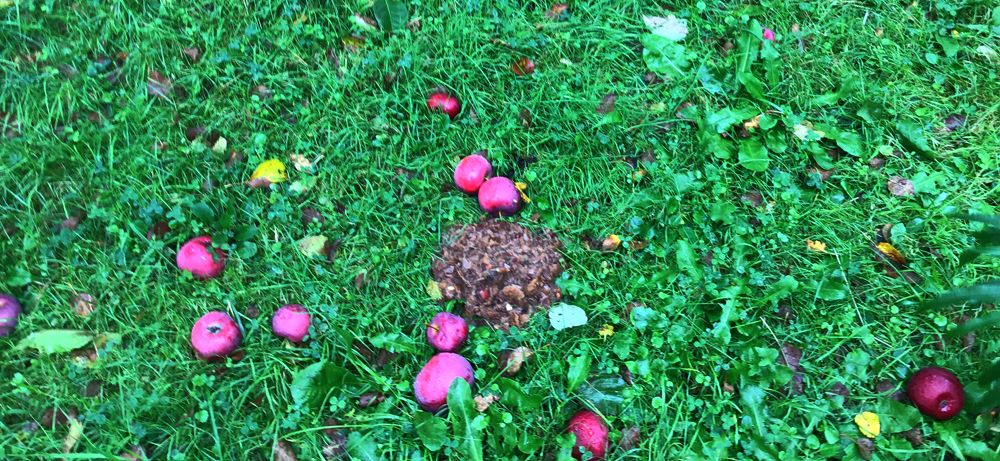
This morning, I checked out the orchard. The branches are still heavy with apples and droplets of rain. On the ground, it looks like another critter had enjoyed the fruit (bear scat).
Acknowledgements
Thank you to Edward on his blog post, and the feedback from Mike Goodchild. I will have to check the references. Heather has been working hard in the orchard picking from the trees, as I attempt to keep up with the drops.
References
Tim Smit, 2001, Eden. Edenproject Books.
Tim Homan (Ed.), 1991, A Yearning towards Wildness. Peachtree Publishers.
Greta Ehrlich, 1985. The Solace of Open Spaces. Penguin Books.









 In the podcast, he makes a couple of interesting points.
 References
 Living in Annapolis County, one of the many pleasures is to be able to support local businesses. It is a joy to go to the
  The venue had a number of positives:
 Ernest Blair Experiment