 We live in changing times. This week, Nova Scotia Power inspected the solar panels on our roof. As part of the installation by Stanton Solar Power, they installed a monitoring application on my Samsung mobile phone. This allows us to monitor the solar power, by panel, by time of day. It also gives us control of the system. So I have moved from a mobile phone for emergency purposes to another application and device in the cottage.
Our method of communication is also changing. For example, Ed Symons has converted my blog into a podcast. Every week, I receive an email from Emergence magazine. This week, it included a podcast interview with Richard Powers, author of The Overstory (see blog, January 20th).
Tuesday, Heather and I planned an experiment. We would attend AquaFit at the Fundy YMCA in Cornwallis. We would drive to Bridgetown and catch the 8 am 4W bus to Cornwallis. Our interest was the accessibility and convenience of the Kings Transit bus service. Before heading to Bridgetown, I called the YMCA to register for the class. Only to learn that the pool was closed, and will be out of commission for another week. Oh well, try again later.
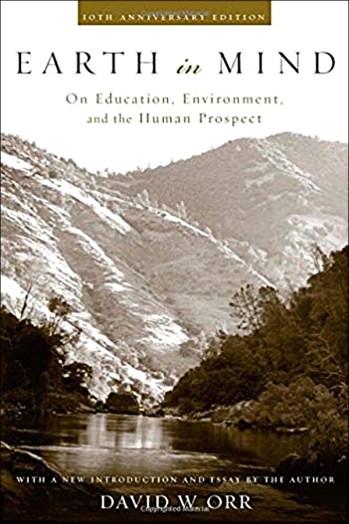 From the bookshelf, I selected David Orr’s Earth in Mind: On Education, Environment and the Human Prospect. It ends with this quotation from Scott Momaday:
“Once in his life a man….ought to give himself up to a particular landscape in his experience, to look at it from as many angles as he can, to wonder about it, to dwell upon it. He ought to imagine that he touches it with his hands at every season and listen to the sounds that are made upon it. He ought to imagine the creatures there and all the faintest motions of the wind. He ought to recollect the glory of noon and all the colours of the dawn and dusk. (p.83)
Acknowledgements
Neil Stanton for his good work on solar power. Ed Symons and Edward Wedler for technical support.
References
Emergence Magazine. Podcast. Kinship, Community and Consciousness: Interview with Richard Powers. February 4th. 2020.
David W. Orr. 1994. Earth in Mind. On Education, Environment and the Human Prospect. Island Press.
Scott Momaday. 1993. The Way to Rainy Mountain. University of New Mexico Press.
Original work published 1969.
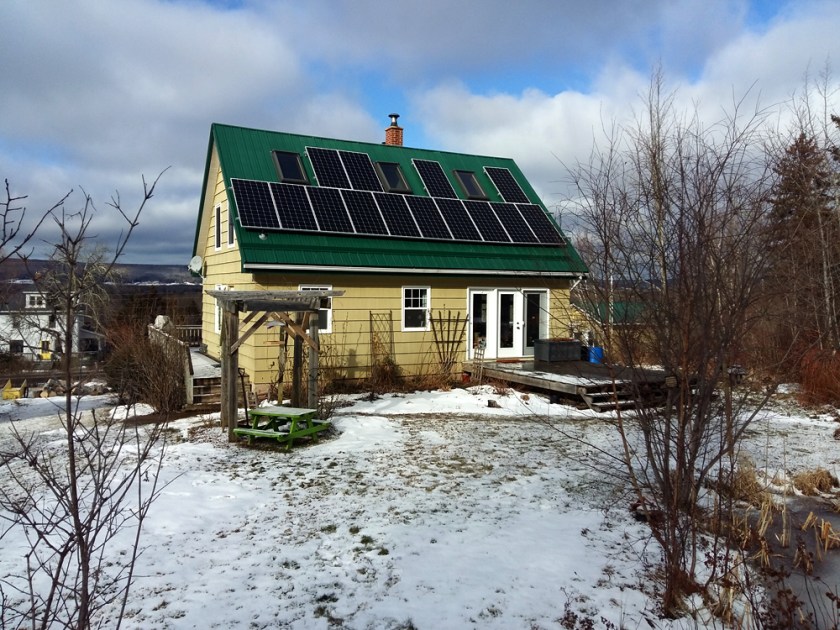 It was a good feeling to see the meter going in reverse. We were contributing electricity to the grid. Given the cost of the installation, it will be a few years, before we see a positive payback. But it seemed to be the right action in these times. Perhaps one day, we will be able to store the electricity in a battery which can provide power for an electric car, for short drives around the Valley.
 The second accomplishment was triggered by a visit to the Bridgetown library. I picked up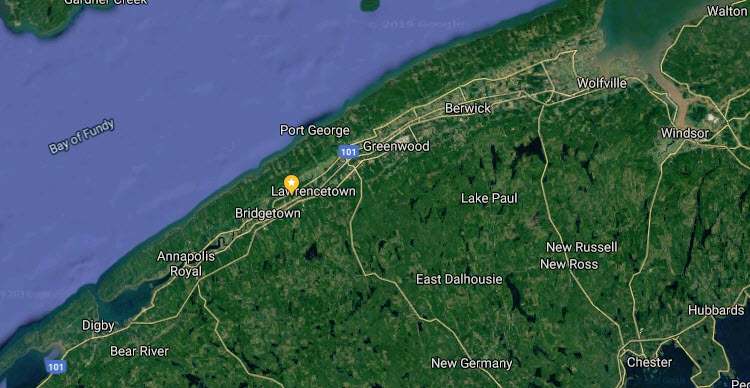
 (Photograph from 2019 conference).
 The takeaway message from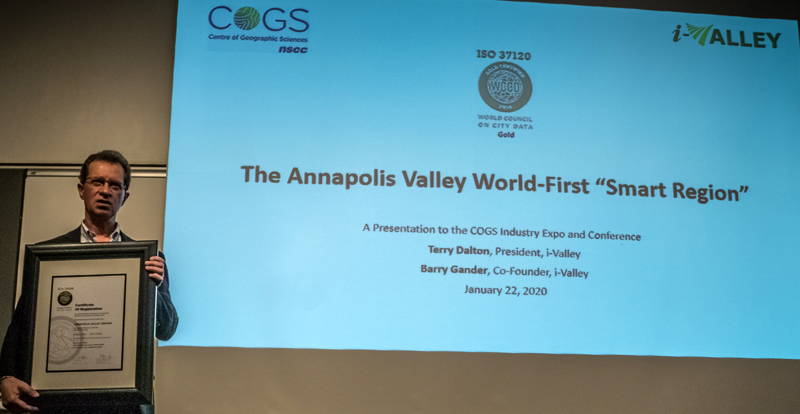
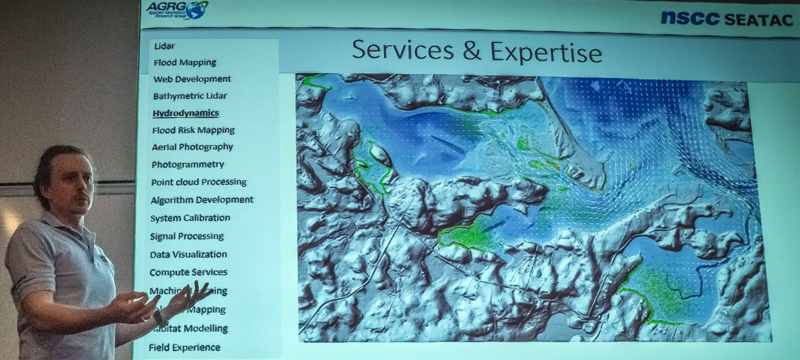 As informed citizens, we need to WAKE UP. We need to be talking about an Innovation Hub in Lawrencetown, evidence-based decision making, the use of current Geotechnologies.
 Eventually, Maureen was placed into long term care, funded and initially directed by our parents. In time, they were unable to provide the necessary support. Today, she lives in a home in Sandhurst, Berkshire,England.
 It was a challenging but worthwhile reading experience. The book is divided into four sections: roots, trunk, crown and seeds. The roots section introduces us to the lives of eight individuals. Each person has a relationship to trees on the earth.
 My next book on the bookshelf is
  Over the weekend, I have been reading a draft of Brian Arnott’s book Going to Town: the small town as micropolitan centre in the age of climate change. It should be published in 2020.


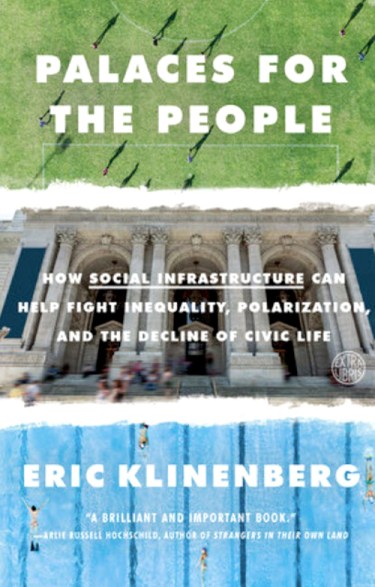 The second week, we came back down to Scarborough and Toronto. This meant purchasing a Presto card and negotiating the links between the streetcars and the subway system. It is over fifty years since I had been immersed in this urban geography: walking down Yonge Street, visiting the Eaton Centre, window shopping at the Hudson Bay company, staying at the Chelsea Hotel.
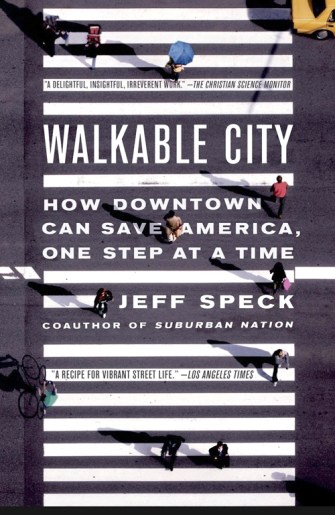 Second, Jeff Speck‘s book
  There, I found a collection of essays, edited by Stephen Katz. He was Professor, Sociology at the Trent Centre for Aging and Society. The book is
  Today, I picked up Duane Elgin’s
  Ernest Blair Experiment