This week, between snow squalls, we have been winter pruning in the orchard.
During the squalls, I had the chance to check out a couple of links suggested by Gregory Heming. Under the auspices of the Oberlin Project. David Orr has been building links between Oberlin College and the community. This might be a potential model for the link between NSCC Annapolis campus and the Municipality of Annapolis County. The second link was Paul Kingsnorth and the Dark Mountain Project.
 “The writers from whom Dark Mountain has taken inspiration are grounded in a sense of place and time. In the deep time of geology and myth, in the rooted relations to the place of a tree or the navigational feel for place of a migrant bird.”
My second theme is children’s books. Sandra Barry forwarded to me an event notice, featuring Rita Wilson and Emma FitzGerald ‘A Pocket of Time: the poetic childhood of Elizabeth Bishop’. In the latest issue of Grapevine (March 5-19), there is a short review of Sheree Fitch, new children’s book ‘Summer Feet’.
This takes us to Sunday afternoon. I had the opportunity to attend the Geoff Butler celebration at the Kings Theatre. It was a full house. The first half included a short film by Tim Wilson ‘Return to Fogo Island‘; Butler’s birthplace. The photography was breath-taking. This was followed by a longer documentary by Devin Fraser ‘Off the beaten track’ a biography of Geoff Butler, with a backdrop of Fogo Island and Granville Ferry, with readings from his works.
For me, the highlight was the opportunity to pick up Butler’s new book, ‘Lullabies for Seniors’. The book includes forty-six lullabies, from ‘At the Tiller’ to Wherever the wind blows’. Each lullaby has a painting and a musical score.
From Butler’s Introduction,
“For the paintings in this project, ‘Lullabies for Seniors’, I have depicted character types at various stages of napping. The images, and the accompanying lyrics, refer to the seniors’ walk in life, be it their former employment, activity or interest. Thus, while the rendering of seniors provides the surface imagery of the paintings, the underlying meaning relates to commentary on various things going on in the world at large’. P.6.
Finally, Edward forwarded to me a link to a TED talk, ’When local news dies so does democracy?’ by Chuck Plunkett.
This may be a good reason for a blog on ’Artistic Riches’ in the region.
And its emphasis on a ‘sense of place and time’.
Acknowledgements
Gregory Heming for the new links. Sandra Barry for information on all things Elizabeth Bishop. Edward Wedler for the TED link and his graphics.
Geoff Butler for his wonderful combination of art, writing and music. Plus a great title for a book.
References
Rita Wilson and Emma Fitzgerald. 2020. A Pocket of Time: the poetic childhood of Elizabeth Bishop. Nimbus Publishing.
Sheree Fitch. 2020. Summer Feet. Nimbus Publishing.
Tim Wilson. 2010 Film Return to Fogo Island.
Geoff Butler. 2020. Lullabies for Seniors. Self-published.
The Dark Mountain Project. dark-mountain.net
The Oberlin Project.
TED talk. When local news dies so does democracy. By Chuck Plunkett.
 Afterwards, there was an interview with a psychiatrist about narcissistic behaviour fostered by Facebook and other social media tools.
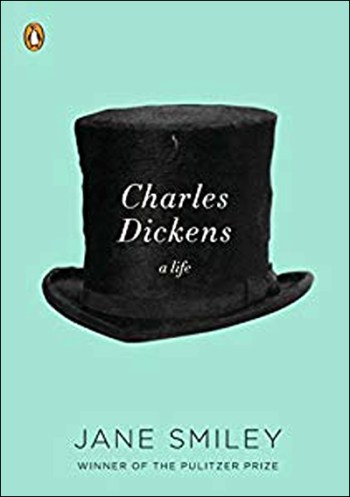 From England, an old school friend, excellent cricketer and sitar player, Viram Jasani, mentioned that he is writing an autobiographical novel. This week, I finished reading Jane Smiley’s
  In response to my
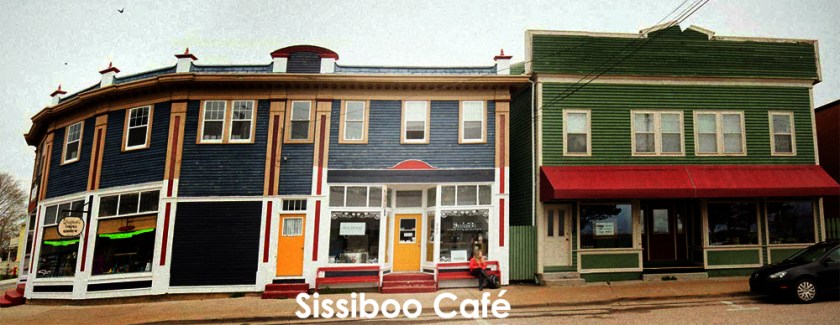

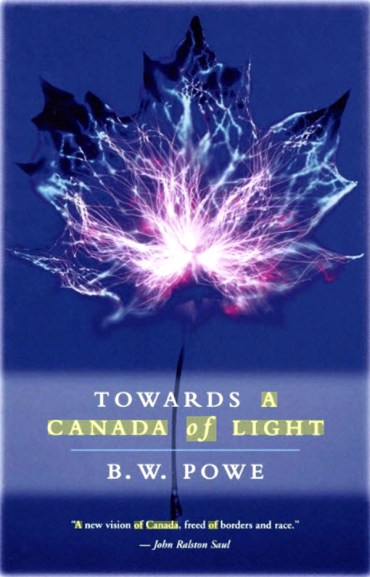 This weekend, we stopped in Truro on our way to New Glasgow. At the
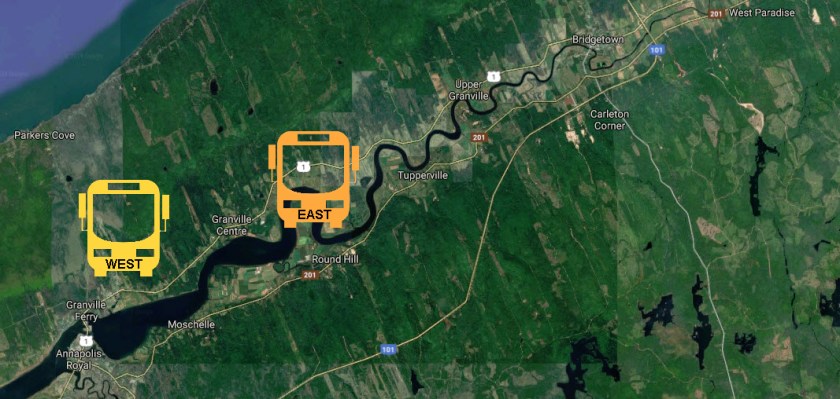
  Heather had a full day Buddhist retreat in Annapolis Royal. With early morning temperatures of -20C, she walked from our house on Hwy#201 in Paradise to the CRIA gas station in Lawrencetown. She caught the 3W bus to Bridgetown. In Bridgetown, she changed to the 4W bus, and continued on to Annapolis Royal. This evening, she will catch the 4E bus at the Annapolis Royal Fire Department at 5:31 pm, I will pick her up at CRIA around 6:11 pm.
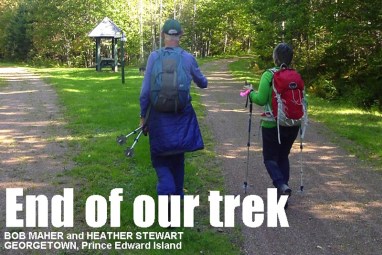 In my conversations with Edward Wedler, this relates back to the time when we decided to walk from Yarmouth to Georgetown, PEI, as part of our
 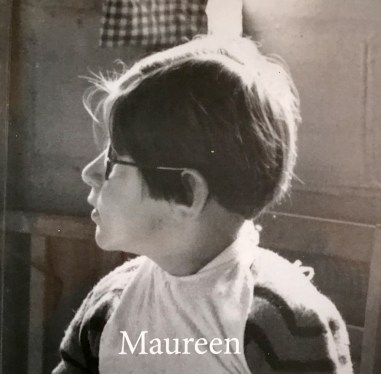 Today, I received a second book from my brother Peter. It is called ‘Maureen’ and is a collection of historic photographs, commemorating the life of my younger sister; thus, indirectly, our lives too.
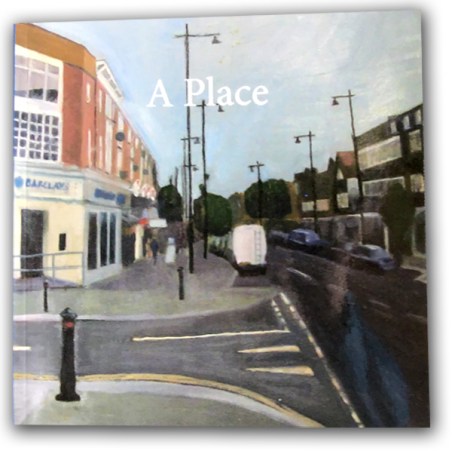 It shows thirteen pairs of images from
 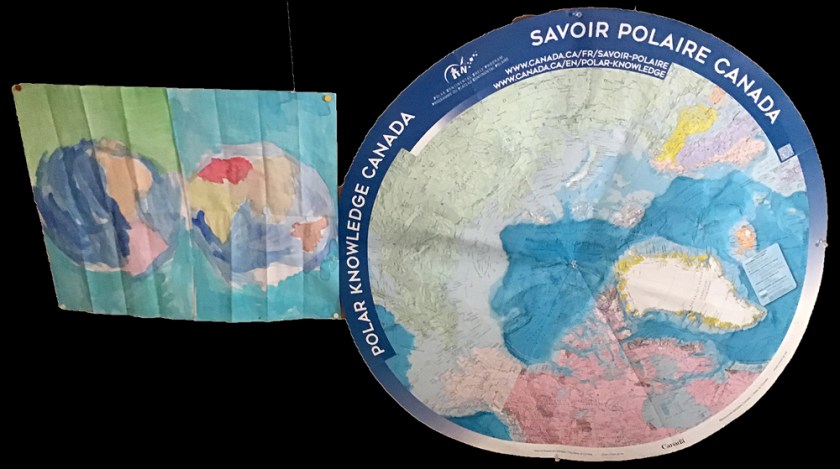 I reciprocated with photographs of two maps from my study. Polar Knowledge Canada and The Earth from Space, signed by Tom van Sant, from California days, 12/12/90.
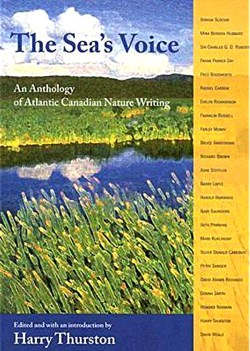 With the storms, I have been catching up with my reading, especially the work of David Adams Richards. In Harry Thurston’s book
  The difference at COGS is that we have a specialized suite of technologies: Geomatics or Geographic Sciences, and we live in a more rural environment. (This rural environment provides a likely explanation for the residency component).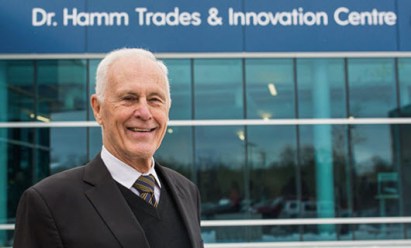
 I found the following quotation from
  We live in changing times. This week, Nova Scotia Power inspected the solar panels on our roof. As part of the installation by
 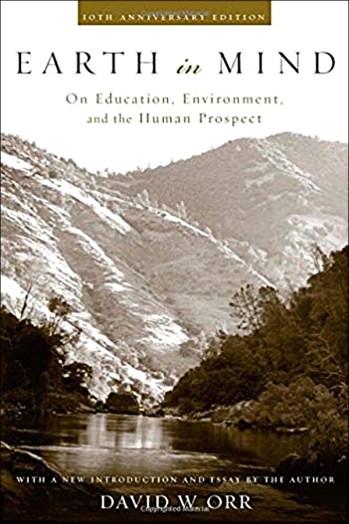 From the bookshelf, I selected David Orr’s
 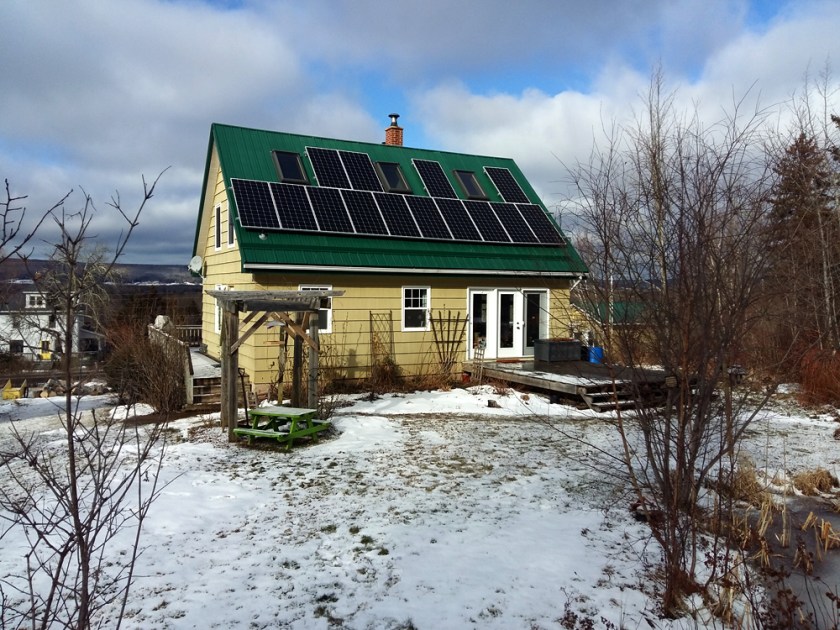 It was a good feeling to see the meter going in reverse. We were contributing electricity to the grid. Given the cost of the installation, it will be a few years, before we see a positive payback. But it seemed to be the right action in these times. Perhaps one day, we will be able to store the electricity in a battery which can provide power for an electric car, for short drives around the Valley.
 The second accomplishment was triggered by a visit to the Bridgetown library. I picked up
