Posted in Book Review

Keep Sharp

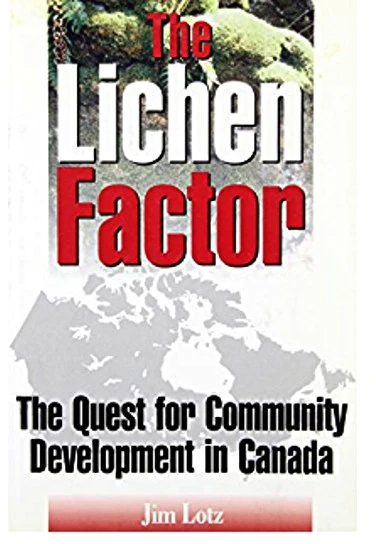
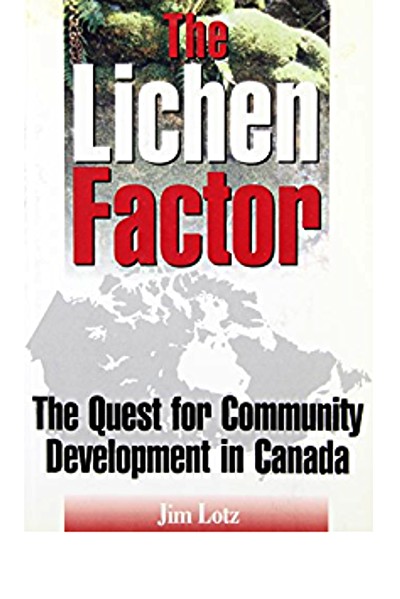
This week in Halifax may be our last, for a while. I have been searching for The Lichen Factor (Jim Lotz).

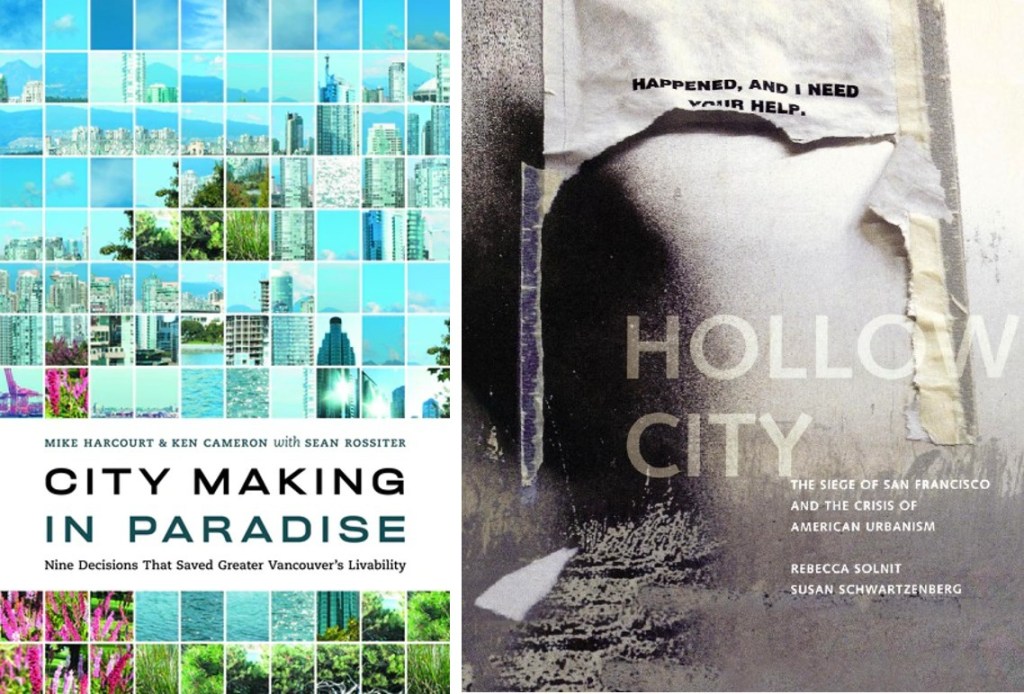
My first approach was through Andrew Hannam at the COGS library. No luck! My second was to check again at the Halifax Public Library under Community Development. Again, no luck! However, I did find two titles of interest, “City Making in Paradise: Nine decisions that saved Vancouver’s Livability” by Mike Harcourt, and “Hollow City: the Siege of San Francisco and the Crisis of American Urbanism” by Rebecca Solnit.

The reference to Paradise had instant appeal; the writing of Solnit is always a find.


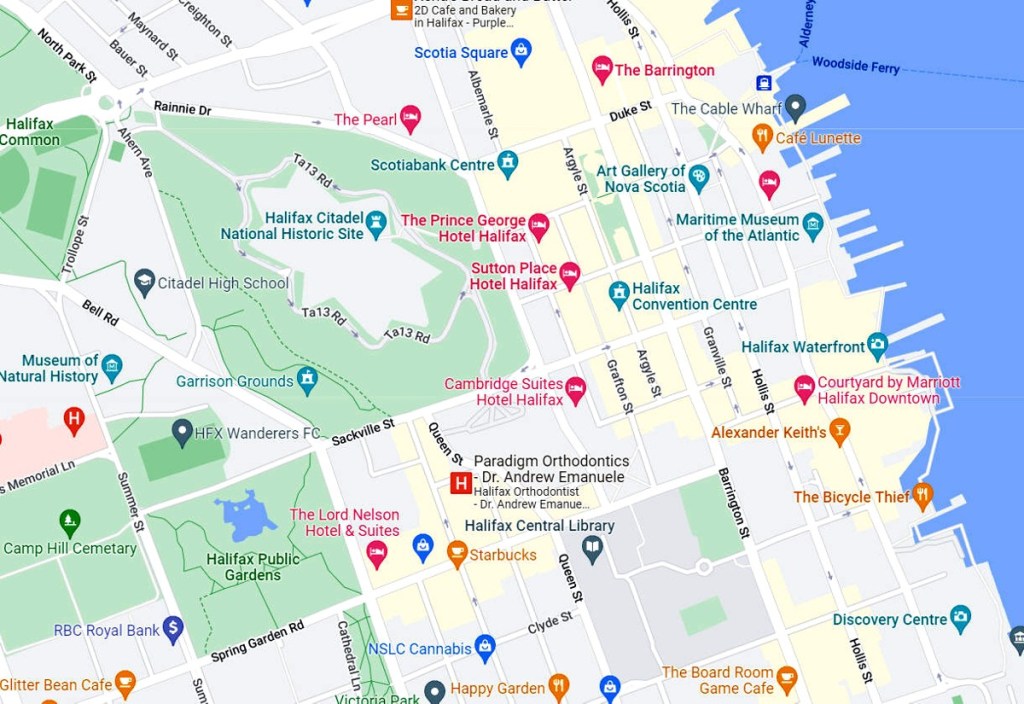
This morning, we walked along the boardwalk to Historic Properties, and across the ped-way to Scotia Square. We skirted Citadel Hill, before enjoying the late morning sunshine, sitting on a park bench in the Halifax Public Gardens. Afterward, we joined Frank Fox for lunch at Le Bistro by Liz on South Park. Our return trip was all downhill, behind the Library, and Province House, returning home to Lower Water Street.


Earlier this morning, I received a link from my brother, Peter’s blog www.petermaher.ca (see entry January 24, 2023)


One last read. Sanjay Gupta’s Keep Sharp. Building a Better Brain at Any Age. He identifies five pillars: Move, Discover, Relax, Nourish and Connect. It was a good day for the brain!

Acknowledgments

Heather Stewart, Frank Fox, Peter Maher, and Andrew Hannam for the connections. Edward for adding the graphics.

References

Mike Harcourt, et al, 2007, City Making in Paradise, Douglas and McIntyre.
Rebecca Solnit, 2000, Hollow City, Verso London.
Sanjay Gupta, 2021, Keep Sharp: Build a Better Brain at Any Age, Simon and Schuster.

Posted in biographical sketch, Book Review

Thorndean

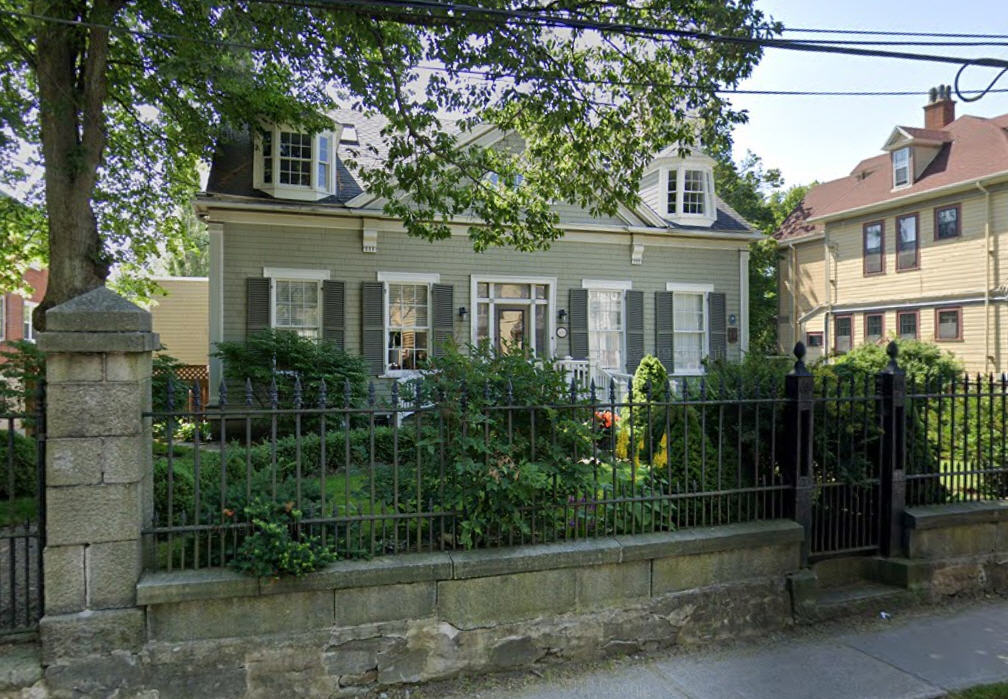
We wanted to enjoy a few more neighbourhood walks in Halifax. Today on Sunday, a beautiful blue sky day, we decided to return to Point Pleasant Park. En route, I wanted to see Thorndean on Inglis Street, where Jim and Pat Lotz had lived.

The route was quite circuitous. From Lower Water Street, we passed by Pier 21 and found a tunnel under the railway. This took us to Inglis Street. We passed Schooner Books and found Thorndean, 5680 Inglis Street.

The house is referenced in a couple of the books, written by Pat and Jim.

Afterwards, we continued to South Park. This leads to Point Pleasant Park. The trails were snow-packed and somewhat icy. There was a large collection of walkers, with their dogs. If we were to remain in Halifax, the South End would be an attractive neighbourhood.

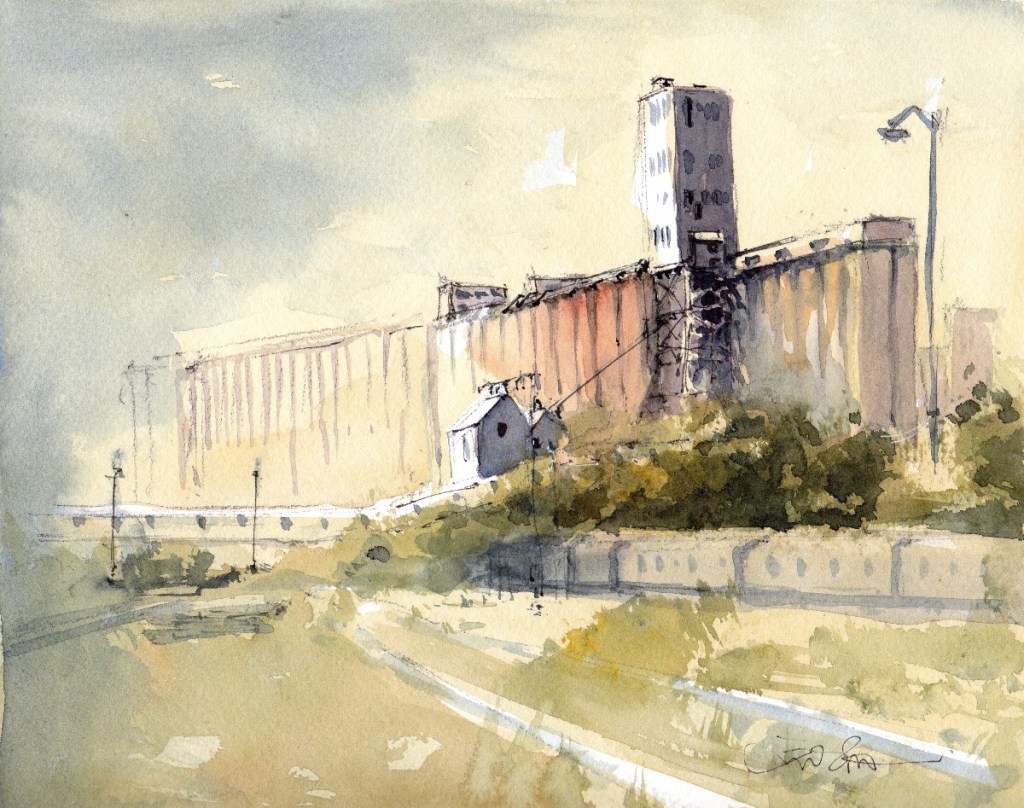
On our return, we passed the Halifax Port Authority, which includes the grain elevators, and container ships.

(“Halifax Grain Elevators”, watercolour by Edward Wedler)

Beyond the Westin Hotel, we rediscovered the Wired Monk, a coffee house on Morris Street.

Yesterday (Saturday) we took a day trip down to the Annapolis Valley. This allowed us to drop off any extra possessions, accumulated over the Winter. The remainder will fit in the car on January 31st.

Earlier in the week, while visiting Heather’s Dad, I stopped at the New Glasgow library. With help from the library staff, I was able to access an e-book that I can read on my iPad. It was Jim Lotz, Pilgrim Souls, Caring for a loved one with dementia. While a difficult read, it complements his previous work, Sharing the Journey.

Postscript

I noticed this at Cape Breton University Press, Jim Lotz, 1998, The Lichen Factor: the quest for community development in Canada. 28pp.

Acknowledgements

Heather continues to encourage me to take these long walks. We need to find an equivalent in the Annapolis Valley, aside from the shoulder of Highway 201. Candidates would be Valley View park and Kingston park. Edward added the graphics.

References

Jim Lotz, 2013, Pilgrim Souls, Pottersfield Press via Formac Publishing

Jim Lotz, 2015, Sharing the Journey, Pottersfield Press via Nimbus Publsihing.

Posted in biographical sketch, Book Review

Explorations

This week, I have been tracking the writing of Jim Lotz. I started at the Halifax Public Library with a list of his books – sixteen.

Lotz went to Manchester University to study Geography. I went to Birmingham University to study Geography. He came to Canada and spent time at the McGill Subarctic Research Laboratory (MSRL) in Schefferville, PQ in the late 50s. In the early 60s, I spent two summers at MSRL, conducting fieldwork on the Canadian Shield.

Jim’s career focused on Community Development. His life is described in the memoir, “Sharing the Journey”. In 1973, Jim, Pat, and his family moved to Halifax. They lived in the South End.

After reading the memoir, I picked up The Best Journey in the World: Adventures in Canada’s High Arctic at the Endless Shores Books in Bridgetown. It describes field research work on northern Ellesmere Island

My search took me to Schooner Books, owned by John Townsend on Inglis Street in Halifax. I was looking for Pilgrim Souls.

Instead, I found the following books. J and A. Gottfred’s, The Life of David Thompson, and Thomas Merton’s Zen and the Birds of Appetite.


Besides bookstores, we have explored Halifax. From the condo on Lower Water Street, we can walk past the dockyards to Point Pleasant Park. Returning to Spring Garden Road via Young and South Park, and stopped at the Bliss Caffeine Bar. Or taking a different route, we have ended up at Sobeys on Queen Street or at the Wired Monk coffee shop.

On our visits to medical services at the hospitals, we walked through the Halifax Public Gardens. At the Bookmark, we found a new book, The Halifax Public Gardens. The Creation, destruction and restoration of North America’s Finest Victorian Public Gardens.

We will miss these ‘geographies’ when we leave the city at the end of the month, and return to rural Paradise. Fortunately, we have stored many memories of life in Halifax. Either through direct experience or through the writing of Jim Lotz, and others.

Acknowledgments

Heather has shared the journey, finding interesting walks that challenge us, both physically and mentally. Edward added the graphics. Frank Fox suggested the visit to Schooner Books.

References

Jim Lotz, 2015, Sharing the Journey, Pottersfield Press via Nimbus Publishing

Jim Lotz, 2006, The Best Journey in the World: Adventures in Canada’s High Arctic, Pottersfield Press.

Jim Lotz, 2013, Pilgrim Souls, Formac Publishing

Schooner Books 5378 Inglis Street, Halifax.

J and A. Gottfred, 2007, The Life of David Thompson, Minuteman Press.

Thomas Merton, 1968, Zen and the Birds of Appetite, New Directions.

Robert Pace, Robert Salah and Peter Twohig, 2022, The Halifax Public Gardens: The Creation, Destruction and Restoration of North America’s Finest Victorian Public Gardens, Formac Press.

Postscript

Inside the book on David Thompson, I found ‘Surveying for Settlement’, an educational brochure published by the Association of Ontario Land Surveyors

Posted in Book Review

Home Place

We have to decide where we will find our ‘home place’.

Circumstance gives us the choice between urban Halifax and rural Paradise. From the perspective of health services, the decision would tip towards the city.


At the Carrefour Atlantique Emporium, Privateers Wharf, I chanced upon Gwendolyn Davies, “Studies in Maritime Literary History, 1760-1930“.

While I was interested in the early literature, it was not sufficient for a purchase. Instead, I went off to the Halifax Central Library. They did indeed have a copy, but it was in the closed stacks.

On request, I was able to read the book in the library. Of particular interest was the final chapter, the ‘Home Place’ in Modern Maritime Literature. Davies references David Adams Richards, George Elliott Clarke, Harry Bruce, Alistair MacLeod and Douglas Lochhead,

0ne may want to argue that ‘place’ is a central image in any country’s literature. …..But the emergence of the image in Maritime literature in the 1920’s, it would seem, has its genesis in the social, economic and cultural realities on the east coast that distinguish it from similar images in other areas of Canada”, p193

Of particular interest was the theme of the economy and the landscape. The impact of different industries on the rural economy (e.g. Britex in Bridgetown or Stanfields in Windsor). As we move forward, what are the new employment opportunities. Does the lack of health services impact the movement into the rural areas? Or is that impact, largely on the elders.

What would be informative, would be a second volume, Studies in Maritime Literary History 1930 – 2030 It would address the changes in society, in terms of its economic and social geography, as reflected in current literature and poetry. One example, would be Sandra Barry on Elizabeth Bishop. Or, the role of the Gaspereau Press in supporting local authors and poets.

Another dimension would be the role of educational institutions in our understanding of landscape, mapping and planning our economic geography — all within the context of government, politics and sustainable development.

References

Gwendolyn Davies, 1991, Studies in Maritime Literary History, 1760-1930, Acadiensis Press

Sandra Barry, Peter Sanger, Gwendolyn Davies, 2001, Divisions of the Heart: Elizabeth Bishop and the Art of Memory and Place, Gaspereau Press.

Posted in Article Review, Book Review, Video Review

Thomas Merton

This week, I finished reading Thomas Merton in Alaska (see Connecting Communities blog post).

It brought back memories of my travels to Alaska, after completing field work in the Canadian Rockies in the early ‘70’s. Merton died in Bangkok in 1968.

The book includes essays on ‘Community, Politics and Contemplation’, ‘Prayer, Tradition and Experience’ and ‘The Life that Unifies’.

The book provides background to the recent Emergence Magazine article ‘On the Road with Thomas Merton’ by Fred Bahnson. Within the article, there is a link to a film by Jeremy Seifert, under the same name.

In May 1968, Christian mystic Thomas Merton undertook a pilgrimage to the American West. Fifty years later, filmmaker Jeremy Seifert set out to follow Merton’s path retracing the monk’s journey across the landscape. Amid stunning backdrops of ocean, redwood and canyon, the film features the faces and voices of people Merton encountered.

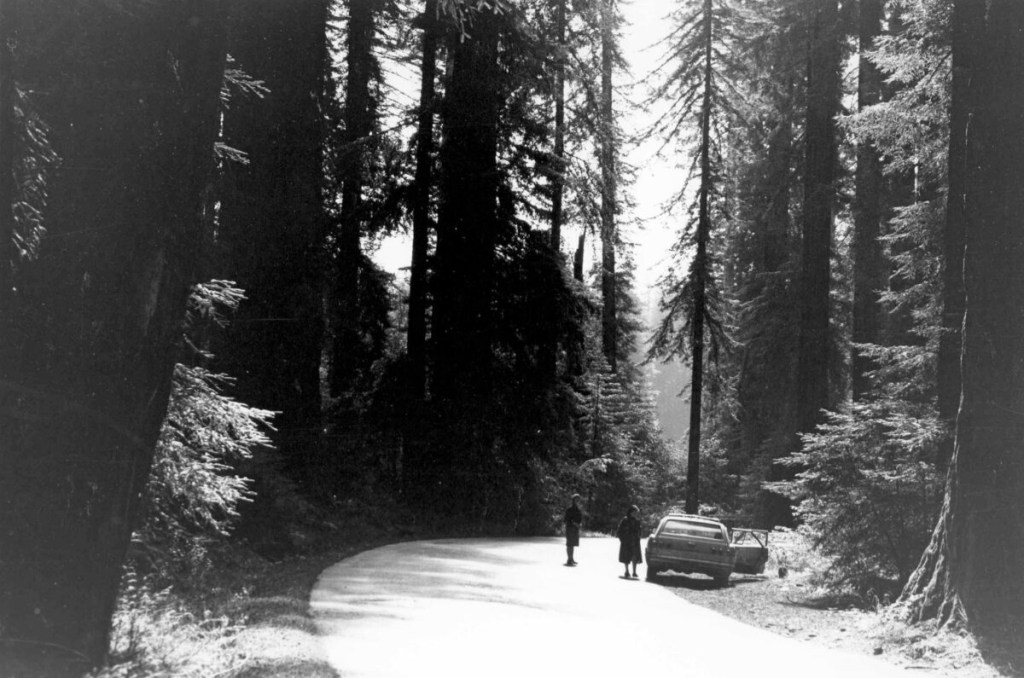
Source: Emergence Magazine (photo by Thomas Merton: California 1968)

”The film shares a remarkable geography, as well as the perceptions of Merton who took his first extended trip away from Gethsemani Abbey, his monastic home in Kentucky.”

References

Emergence Magazine, Fred Bahnson’s, On the Road with Thomas Merton, includes a link to Jeremy Seifert film, On the Road with Thomas Merton.

Thomas Merton, 1988, Thomas Merton in Alaska. Prelude to the Asian Journey, New Directions Books.

Posted in biographical sketch, Book Review

Connecting Communities

This week, I received the 2023 calendar from Esri Canada.

Image Source (front and back covers): Esri Canada, Marketing Communications

The new calendar includes a map of “Sable Island” by Lost Art Cartography (November 2023), “Marine Stewardship” initiative by MakeWay (December 2023), and “Old Growth Forest” for the Indian River watershed (March 2023).

A blog post announcing the selected maps can be found at “announcing-the-winners-of-the-2023-Esri-Canada-map-calendar-contest“. Individual maps that will be featured in 2023 can be found at Esri’s Map Calendar Hub.


This week, I also received the Year in Review from Shorefast, Fogo Island. Programming highlights include ocean stewardship, community hub, diversifying our economy, Art and Climate Change, and Network building to strengthen community economics.

It includes excellent links to presentations by Zita Cobb.

https://shorefast.org/communityeconomies/

In Halifax, we continue to expand our knowledge of bookstores.

At Bookmark, I found three chap books by local authors, FOR FREE, under their Readerity program.

Alexander MacLeod. Re-reading J.M. Barry’s Peter and Wendy.
Deidre Kessler. Indigo Bunting in a Date Palm.
Sheree Fitch. A child with a book in a tree.

At the Trident bookstore and cafe, I found two second-hand books: Thomas Merton in Alaska: the Alaskan Conference journal and letters, and Gary Saunders’ My Life with Trees.

Finally, at the Halifax Public Library today, discovered Oliver Sacks, The River of Consciousness. Ten essays were outlined in the two weeks before his death. They include Darwin and the meaning of Flowers, Sentience: the mental life of plants and worms, the Creative Self, and the River of Consciousness.


While recovering from my heart surgery, I am enjoying excellent medical support in the city. Over the Christmas period, we shall have to evaluate the two communities: rural and urban. For now, we appreciate the connections in the urban environment.

References

Thomas Merton, 1988, Thomas Merton in Alaska, A New Directions Book.

Gary L. Saunders 2015, My Life with Trees, Gaspereau Press.

Oliver Sacks, 2017, The River of Consciousness, Alfred Knopf.

Posted in Book Review

Learning a New Geography

Effective November 14th, Heather and I have lived together at Bishop’s Landing on the Halifax waterfront. This means learning a new geography.

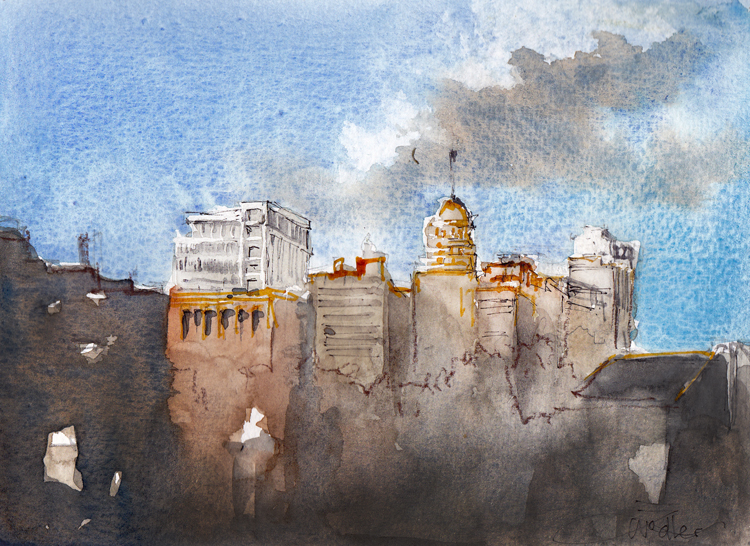
Watercolour by Edward Wedler of the Halifax skyline as seen from the boardwalk.

The starting point is walking from Pier 21 to Historic Properties along the boardwalk. In Historic Properties, Carrefour Atlantic offers an excellent selection of Atlantic Canada literature. I picked up three books to tide me over my convalescence.

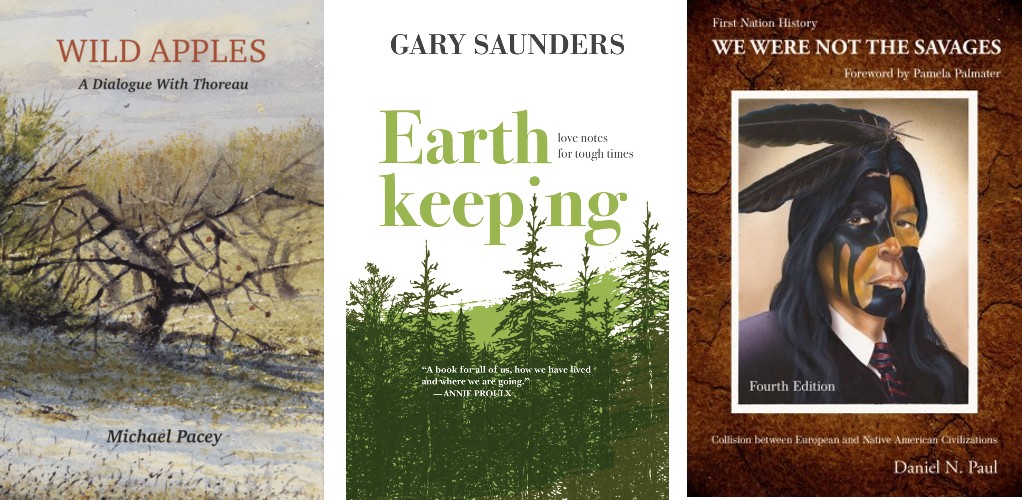
Michael Pacey’s Wild Apples: A dialogue with Thoreau.

Gary Saunders’ Earthkeeping: Love notes for tough times.

Both were reviewed by Erica Butler in the current issue of Atlantic Books Today, No. 96. Under the title, Literary Human and Nature. How our stories help us understand our Place on Earth, p.8-15.

The third book is Daniel Paul’s, We are Not the Savages. This is taking much longer to read and digest.

I was reading Michael Pacey‘s poems based on quotations from Thoreau’s Journal, when Frank, an old friend from the Valley dropped off a gift, The Pocket Richard Jefferies. Passages chosen from the nature writing of Jefferies by AH Hyatt published in 1906. Jefferies’s writing is set in the British landscape. Thoreau’s writing is set in the New England landscape. Afterward, I was keen to see what Gary Saunders had to offer about the Nova Scotia landscape. Saunders lives around Old Barns, outside of Truro.

Given our forced migration into the city of Halifax, I was intrigued to read the following passage:

“The Old House: Honeymoon and after, p.193-197.

”Yet this old house is full of memories. And it has taught me plenty. To sell it now would feel like betrayal”

‘Assuming other rural householders might feel the same way I proposed a householder series to Rural Delivery editor, Dirk van Loon, himself a farmhouse dweller.”

”Make it seasonal and you’re on,” said he.

Clearly, we cannot afford to rent a furnished waterfront condo in Halifax every year. but perhaps we can find a small town, with shops within walking distance, and with good access to health services. That is the challenge ahead of us.

Certainly, other friends and colleagues have found this solution. BTW, I have upgraded my old Samsung for an iPhone. This makes me compatible with my iPad, and Patrick and Laurel for technical advice.

POSTSCRIPT

Meanwhile from Emergence Magazine, I would highly recommend the essay by Robin Wall Kimmerer. The Serviceberry. An Economy of Abundance.

I noted too that my last blog for GoGeomatics, in November 2020, addressed the same issue “A Sense of Place“. Perhaps Jon Murphy would add this blog to the next edition of the online magazine.

References

Michael Pacey, 2022, Wild Apples. A dialogue with Thoreau, Nimbus Publishing

Gary Saunders, 2022, Earthkeeping: Love Notes for Tough Times, Goose Lane Editions

Daniel Paul, 2022, We are Not the Savages, Fernwood Publishing

Robin Wall Kimmerer, 2022, The Serviceberry: An Economy of Abundance.

A .H. Hyatt, 1906, The Pocket Richard Jefferies.

Posted in Book Review

The Alpine Path

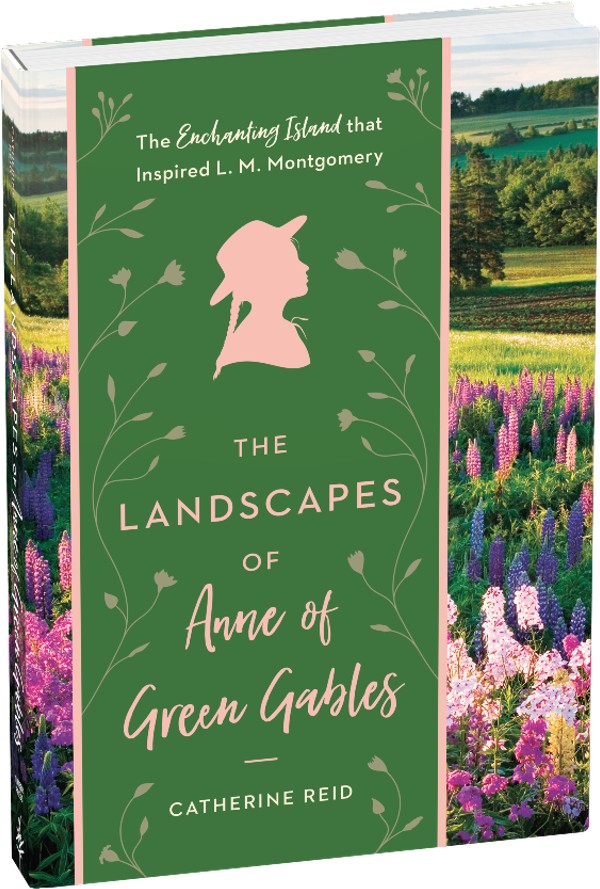
After PEI, I read two books about Anne of Green Gables and LM Montgomery.

Catherine Reid’s book focussed more on the gardens and flowers in PEI. While including beautiful photographs, the text did not really address the variety of landscapes in the province.

From a geographic perspective, this includes the extent of the Acadian forest, the different soils and geology, plus the nature of coastal wetlands and shorelines.

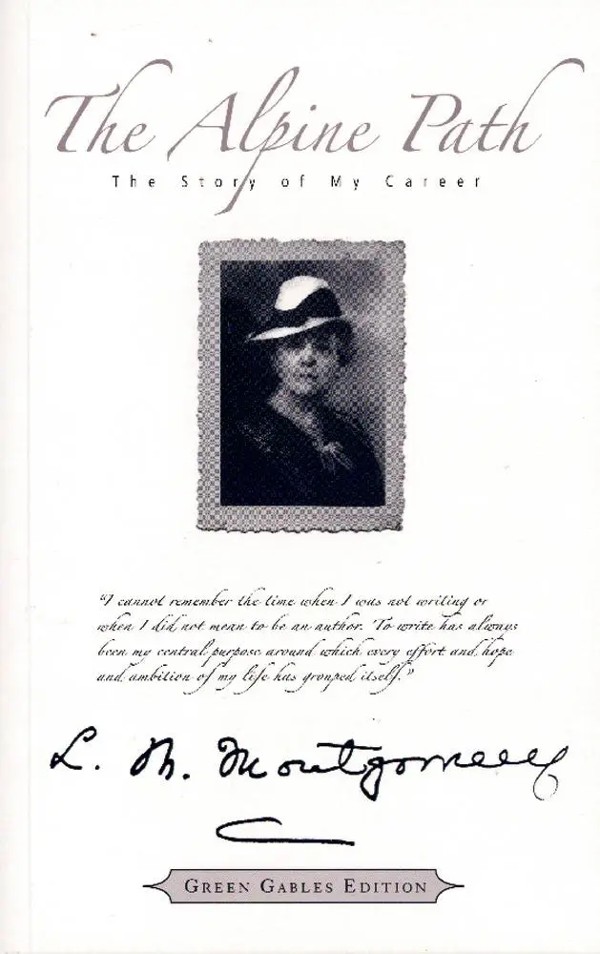
The second book is a collection of essays by LM Montgomery on her career as a writer.

It was originally published in 1917. It describes her craft, her story and her time.

The title The Alpine Path comes from a verse that had been her inspiration during the long years when success as a writer seemed remote, and only dogged determination kept her on “The Alpine Path; so hard, so steep, that leads to heights sublime.”

It was nearly ten years after the publication of Anne of Green Gables. This will be my next read.


Today, I stopped at Beaver Creek Vineyard and met the new owner, Brenon MacNeil.

This Labour Day weekend, they are re-opening the cafe. It will be wonderful to have this resource, just five houses east of us, on Highway #201.


Finally, it is “stop the glyphosate spraying season“.

Map compiled by Shanni Bale

Two years, after the initial encampment, there are again plans to spray the parcels on South Mountain. The Extinction Rebellion group are marshalling their resources. From the provincial map, it seems there are even more parcels designated for spraying. Again, citizens and communities must voice their concerns.

The province, regardless of the party in power, continues to see the landscape as a collection of resources for exploitation. This does not bode well, as we attempt to respond to climate change.

Acknowledgements

Nina Newington provided the link to the map of parcels scheduled for glyphosate spraying. Edward added other links and graphics. Heather shares the Green Gables reading.

References

Catherine Reid, 2018, The Landscape of Anne of Green Gables, Timber Press.
LM Montgomery, 2005, The Alpine Path, Nimbus Publishing.
Beaver Creek Vineyard
Shanni Bale, Glyphosate Spraying in Mainland Mi’kma’ki, 2022.
Pesticides Applications Approvals, Nova Scotia Government, Environment and Climate Change.

Posted in biographical sketch, Book Review

Entangled Life

A few weeks ago, I discovered a reference to Trevor Goward and his work, in Merlin Sheldrake’s book Entangled Life (see blog post, Entangled Life).

It made me realize that the definition of a lichen species was much more complex than I had previously understood.

This led me down the road to question the classification by Carl Linnaeus as well as Darwin’s work on evolution.

This week, I had to spend several hours waiting at the ER at Middleton Soldiers Memorial hospital (I have no family doctor). I took Entangled Life with me. Previously, I had been stuck on the ‘magic mushroom’ section.

Reading the last three chapters Wood Wide Web (in contrast to World Wide Web), Radical Mycology and Making Sense of Fungi, en route, I visited the writing of Peter Kropotkin, Robin Wall Kimmerer and Ursula Leguin. The book is meticulously referenced. The writing is excellent, as witnessed by the praise from a wide range of commentators.

As we recognize that a stand of trees is so much more than what we see above the ground. Likewise, we start to appreciate the three-dimensional complexity of our natural landscape.

With grandchildren arriving in Nova Scotia for the next few weeks, a blog break should allow me to fully digest this seminal work.

Postscript

This week I did manage to catch Margaret Atwood on CBC Ideas, talking about George Orwell and 1984. Meanwhile, I continue to search out Iceland and Crossing Thames by Peter Wyman, in the Endless Shores books.

Finally, this is the Annapolis Valley Exhibition week, August 15-20th. In Lawrencetown. King’s County Museum hosts the SHORT BRUSH plein air paint-out in Kentville and the Miner’s Marsh, where about 30 artists paint on Saturday morning 20Aug2022 then display their works.

Acknowledgements

Heather encouraged me to return to the Entangled Web. Its focus on fungi connects well with our organic gardening. Edward added the graphics and links.

Reference

Merlin Sheldrake, 2020, Entangled Life, Random House.

Posted in Book Review

Mourning Cloak

Saturday afternoon, I stopped at Endless Shores Books, Bridgetown. Under local authors, I found two short story collections by Peter B. Wyman, both published by Cardigan, Little and Crow, Annapolis Royal.

I picked up Nymphalis Antiopa (Mourning Cloak) and left Iceland for another day.

It contains seven short stories, set in the region. 168 pages in 6 ½” x 3 ½” format.

A Visit from Mars, Broken Angel, Mourning Cloak, Safe Home, I’d Rather, Gallery St George and Radio Silence.

The reason that I picked out Mourning Cloak is simple, these beautiful butterflies visit our flower garden. It proved to be an excellent choice. Each short story leads the reader back to the history and geography of the region.

I checked online, and asked a few friends but, to date, the author and his publishing company remain a mystery.

On Sunday, I stopped at the Upper Clements picnic park, sat at a table, and enjoyed reading the last two stories, Gallery St. George and Radio Silence.

Other books by Wyman are Six Friends and Crossing Thames.

Postscript

At the Sissiboo Coffee Cafe, Annapolis Royal, I picked up a copy of Edible Maritimes. The Artisan Issue, No. 3 2022. It contains an article, on page 29, For the Locals. Jon and Erin Welch of Sissiboo Coffee Roaster on creativity and community.

From page 30:

In 1989, Ray Oldenburg published a book called ”The Great Good Place: cafes, coffee shops, bookstores, bars, hair salons, and other hangouts at the heart of a community”. He was concerned with a growing ’problem of place’ – a loss of public spaces and increased isolation. The antidote, he suggested, are ”third places” – those public places where people gather informally, outside of home and work, where everyone is on common ground and conversation is key. In rural communities, these are typically community halls and churches. Throughout the Maritimes, there is a growing resurgence of ’third places’.

The challenge, as noted by Heather, is access to transportation in these rural areas.

Mexican Sunflowers in our garden. How to grow and care for them HERE.

Acknowledgements

Sunday, Heather joined her Shambala Group in Annapolis Royal. I had the chance to finish reading Mourning Cloak. Edward added the graphics.

References

Peter B. Wyman, 2022, Nymphalis Antiopa (Mourning Cloak), Cardigan, Little and Crow Publishing.

Other short story collections by Wyman: Iceland, Six Friends and Crossing Thames. All self-published by Cardigan, Little and Crow Publishing, Annapolis Royal.

Edible Maritimes, 2022, No.3, The Artisan Issue.