Posted in Book Review

Middleton Library

After breakfast at the Green Elephant in Kingston, we stopped at the Middleton Library. It was very busy, and hard to find a parking spot. We picked up three books, a pedometer and a white spruce sapling.

Heather was pleased to find Ralph Pope’s, Mosses, Liverworts and Hornworts.

I found Lyme Brain by Nicole Ducharme. This interested me because I am scheduled for a blood test for Lyme’s disease next week.
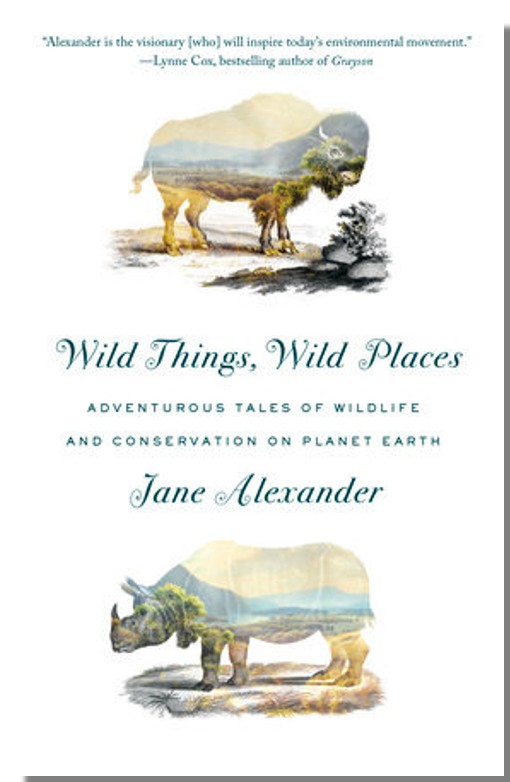
A second book was by Jane Alexander Wild Things, Wild Places.

To date, I am disappointed in my selection. Perhaps this makes the case for libraries, rather than bookstores.

The pedometer is courtesy of Heart and Stroke Walkabout ’walking takes you places’.

I tested it out this afternoon. This is part of my endeavour to increase both walking and bicycling. It fits too, with the ‘search for agency’. With so much news, beyond our control, it is important to focus on the small things.

Today, I had to agree with Heather about the selection and vibrancy at the Middleton Library.

Another bedside book is David Chernikoff’s, Life, Part Two. He offers seven keys to awaking with purpose and joy as you age. The first three chapters cover Embracing the Mystery, Choosing a Vision, and Awakening Intuition.

I am stuck in #4 Committing to Inner Work That leaves Suffering Effectively, Serving from the Heart, and Celebrating the Journey.

Acknowledgements

Heather continues to champion her botanical interests, as we await the completion of the studio. Edward continues to support us with his graphics.

References

Ralph Pope, 2016, Mosses, liverworts and hornworts: a field guide to common bryophytes of the NorthEast, Comstock Publishing.

Nicola Ducharme, 2016, Lyme Brain, Biomed Publishing.

Jane Alexander, 2016, Wild Things, Wild Places, Knopf.

David Chernikoff, 2021, Life, Part Two, Shambala.

Postscript

We will plant the white spruce in one of our hugelkultur beds.

Posted in Book Review

Remembering Orwell

The last time I was in Wolfville we stopped at the Odd Book. It was a Saturday. We had to go to the Farmers Market to pick up the last three bottles of Hunter brandy.

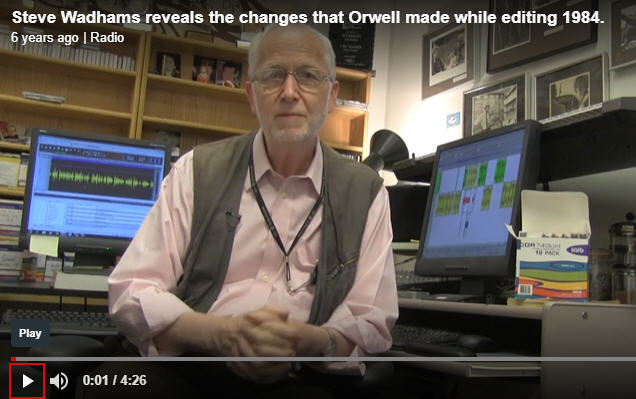
I found a signed copy of Stephen Wadham’s book, “Remembering Orwell”. Wadhams had produced “George Orwell: a radio biography” for the CBC (Part 1, Part 2 and Part 3).

This led to the book being published in 1984. It included an introduction by George Woodcock and five chapters.

To Burma and Back
In Search of Poverty
The Spanish Crucible
The Road to Animal Farm
1984

The book describes Orwell and his life through the eyes of individuals who knew him and who were interviewed by Wadhams for the CBC radio biography.

It is remarkable to realize that Orwell (Blair) was born in 1903, and died in 1950.

It is remarkable to realize that Orwell (Blair) was born in 1903, and died in 1950. My interest in Orwell, in part, relates to this blog ’Ernest Blair Experiment’. Eric Blair used the nom de plume of George Orwell. Thus, this became a play on words. Another interest besides his writing was his lifestyle and geography. He spent his last years, living on the island of Jura, off the Scottish coast, where he wrote 1984. Previously, he lived with Eileen in Wallington, Hertfordshire. He is buried at Sutton Courtenay.

From Rev. Gordon Dunstan. A request from David Astor.

And he asked if I could help him bury a friend. The friend was George Orwell, whose love of England and the English countryside was such that he wanted to lay his body to rest in an English churchyard.” p.219.

Postscript

My last inter-library loan request for Jaki Fraser was Convenient Season, by David Manners. “It is a tale of a farm in the famous Annapolis Valley in Nova Scotia, where grow the best apples in the world…

Acknowledgements
Heather shared the trip to Wolfville. Edward added the graphics. Best wishes to Jaki Fraser, our Lawrencetown librarian. She retires this weekend and heads west to live in British Columbia.

Reference

Stephen Wadhams, 1984, Remembering Orwell, Penguin Books.
David J. Manners,1941, Convenient Season, E.P.Dutton.

Posted in Book Review

Bridgetown Weekend

It has been a hot weekend in the Annapolis Valley. On Saturday, we took a break from gardening and went to Aroma Mocha, in Bridgetown, for a morning coffee.

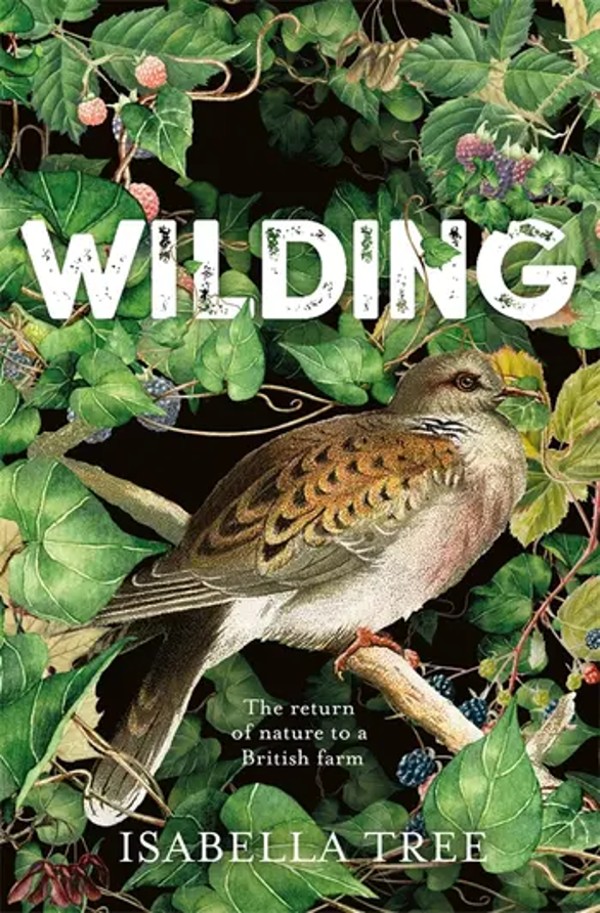
Had to stop at the Endless Shores bookstore. Heather found Isabella Tree’s ‘Wilding’. It describes a ’rewilding’ project in West Sussex. This challenges farming practices in the UK, and raises the question about agricultural practices in the Valley.

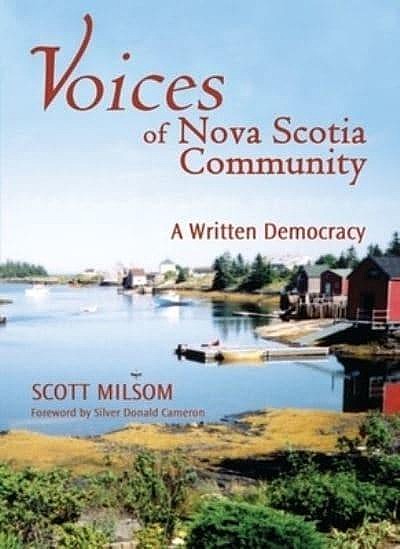
I found Scott Milsom’s “Voices of Nova Scotia Community: A Written Democracy“. After a Foreword by Silver Donald Cameron, it describes Milsom’s work with the Coastal Communities network. I have started on the Evangeline Trail, travelling from Yarmouth up towards Canning. Given the suite of public meetings on County Planning, it offers useful insights.

From the Internet, I received a notice that they have published posthumously Barry Lopez’s last book “Embrace Fearlessly the Burning World“.


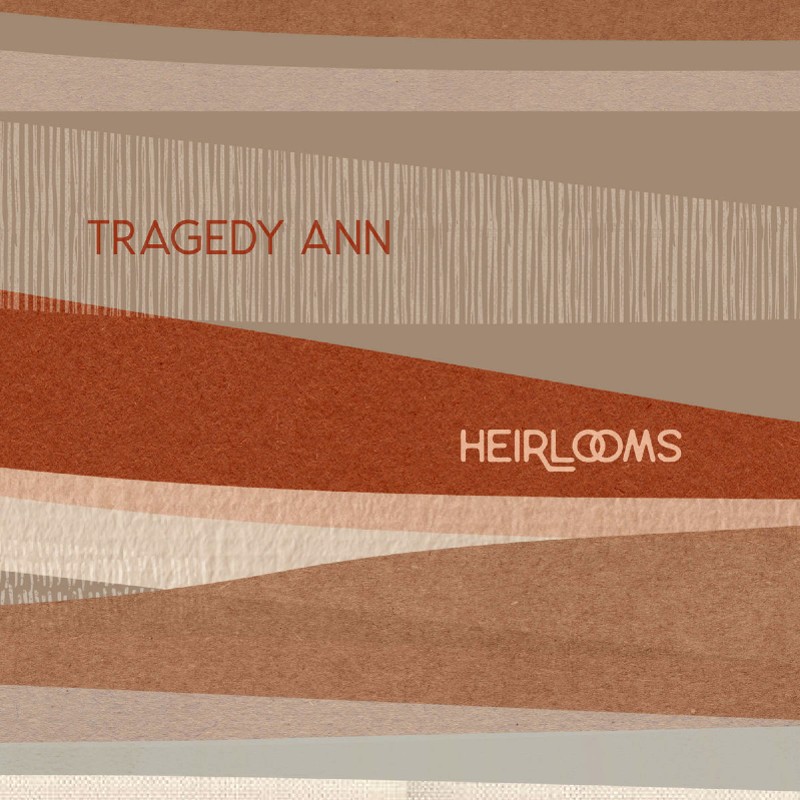
On Sunday night, we went to the Tragedy Ann & Basset concert at the Dawn Oman gallery. This was a beautiful surprise, within the restored church, surrounded by Northern artwork, we listen to folk songs by a young duo from Southern Ontario. In the intermission, we picked up their latest CD, Heirlooms.

After dark, we returned home to a chorus of tree frogs from the vernal pools in the forest. Earlier, in the afternoon, we had been serenaded by a sapsucker, beating out a tune on the wooden pergola. Above, in the birch trees, hummingbirds take a rest; the azaleas are in flower and attract both the hummingbirds and the bumblebees.

One last book review.

In the Inside Story, Heather found “Alone on the Trail“; a new book by a young Newfoundland author. We are savouring this one. It is a novel, describing a trip by a small group along the Long Range Mountain trail in Gros Morne National Park. Heather and I used to run back-packing trips through that geography in the early 1970s. What a coincidence!

Postscript

We stopped at Button Brook farm on Hwy #201, outside of Bridgetown, at their farmer’s stand. One can buy fresh vegetables, as well as seedlings for the garden. They opened this weekend.

Acknowledgements

To Dawn Oman and Scott for bringing Tragedy Ann to their exquisite venue. Sadly, in times of COVID, it was a small audience. Heather shared the experience and time away from the garden. Edward added the graphics.

References

Isabella Tree, 2018, Wilding: The return of nature to a British farm, Picador.

Scott Milsom, 2003, Voices of Nova Scotia Community: A Written Democracy, Fernwood Publishing.

Barry Lopez, 2022, Embrace Fearlessly the Burning World, PenguinRandomHouse

Emily Hepditch, 2021, Alone on the Trail, Flanker Press.

Tragedy Ann, 2022, CD Heirlooms, tradegyannmusic.com

Posted in Book Review

Saltscapes and Moss

In New Glasgow for Easter, there was the opportunity to catch up on Saltscapes.

Two short articles caught my attention because I am familiar with the landscape. The first was tied to Grand Pré and the poem of Evangeline. The second concerned the geology of Western Newfoundland, particularly the Tableland in Gros Morne National Park.

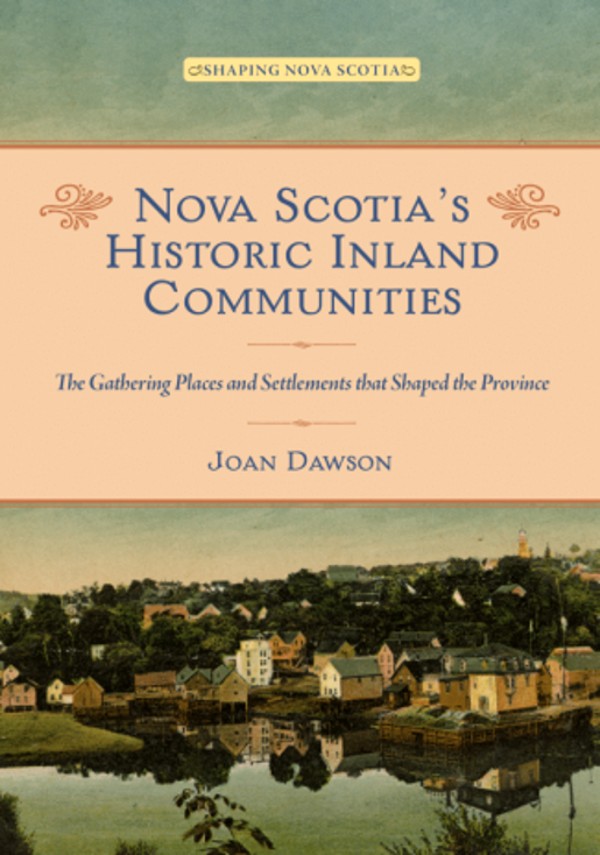
The Saltscape magazine reminded me of the importance of the landscape perspective. This supports my criticism of Joan Dawson’s latest book on the history of Nova Scotia’s inland communities. It includes Paradise, Bridgetown and Middleton; not, however, within the larger context of the physical landscape of the Annapolis Valley.

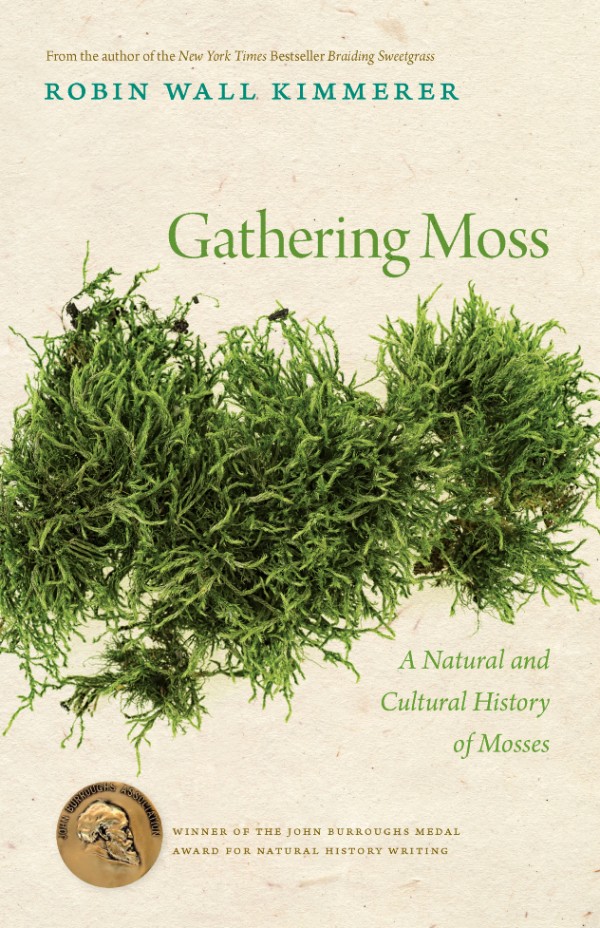
A recent discovery, to me, was Robin Wall Kimmerer’s book, Gathering Moss. This natural and cultural history of mosses sits well with a number of other recent acquisitions, adding to Heather’s library.

Annie Martin, The Magical World of Moss Gardening.

Karl B. McKnight, et al., Common Mosses of the Northeast and Appalachians.

In the Preface, “Seeing the world through Moss-coloured glasses”, Kimmerer notes:

In indigenous ways of knowing, we say that a thing cannot be understood until it is known by all four aspects of our being: mind, body, emotion and spirit.” p.vi.

One last book, jumped down from my bookcase, Mary Catherine Bateson’s, Composing a Life.

A masterwork of rare breadth and particularity, encompassing all the rhythms of five lives and friendships, and interweaving their stories in ways that reveal grand social truths and peculiar personal graces.” The Boston Globe.

Time to read it again, methinks.

Acknowledgements

Heather provided access to her botanical library. Edward returned from Florida and added the graphics.

References

Saltscapes, April/May 2022, Darcy Rhyno, Walking around in a poem. p.32-35.

Jen Thornhill Verna, ”Really old rocks” in Gros Morne. p.23-25.

Joan Dawson, 2022, Nova Scotia’s Historic Inland Communities: The Gathering Places and Settlements that shaped the Province, Nimbus Publishing.

Robin Wall Kimmerer, 2003, Gathering Moss, Oregon State University Press.

Annie Martin, 2015, The Magical World of Moss Gardening, Timber Press.

Karl B. McKnight, et al. 2013, Common Mosses of the Northeast and Appalachians, Princeton University Press.

Mary Catherine Bateson,1989, Composing a Life, Grove Press.

Posted in Book Review

Orwell’s Roses: Part 2

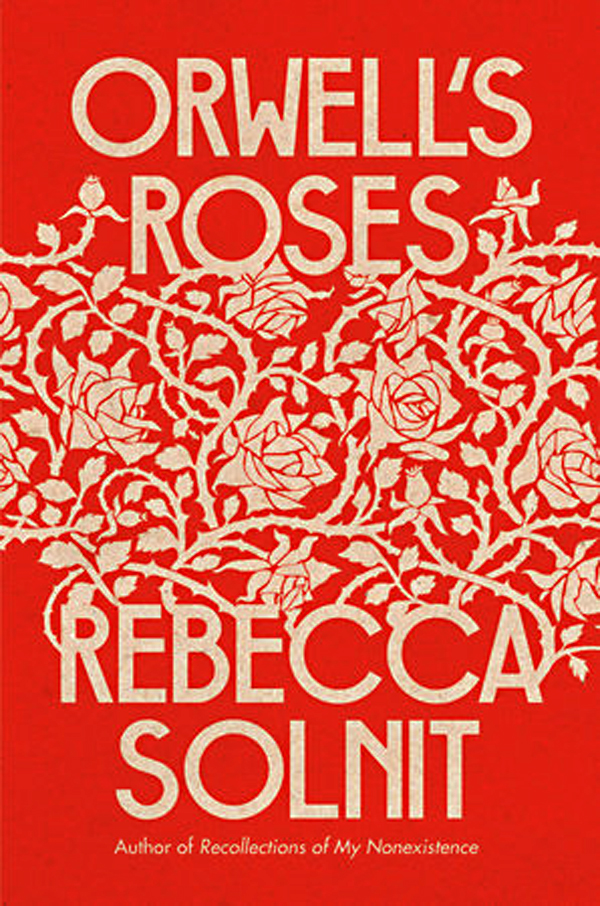
At the end of October 2021, Heather and I were driving to New Glasgow. We listened to an interview with Rebecca Solnit on her new book, Orwell’s Roses ( see blog post November 2, 2021). On our return I went to the Lawrencetown library and put in a request. It arrived here last week. I had time to read it in New Glasgow this weekend.

For the first time, I gained an appreciation for the life of Eric Blair (George Orwell). Born in 1903, in North India, he died from TB in 1950. At 13 years of age, he went to Eton for four years, then joined the Burmese police for five years; left in 1927. Subsequently, he wrote a number of books, including Down and Out in Paris and London (1929), The Road to Wigan Pier (1937), Homage to Catalonia (1938), Animal Farm (1945), Nineteen Eighty Four (1949). For more details, you can Google ‘George Orwell’ his pen name that he assumed in 1935.

The theme of Solnit’s book starts with Orwell’s relationship to the English garden, and her discovery of roses at a cottage in Wallington, Hertfordshire, he planted in 1936.

It ends with his life at Barnhill on the Eastern shore of the Jura peninsula, in the Hebrides in 1949. In between, Solnit explores his writing within the context of England between 1930-1950, including the Spanish Civil war and the Second World War.

Of course, her text is particularly relevant, as we see the happenings in Ukraine. Here is her concluding paragraph.

”Orwell’s signal achievement was to name and describe as no one else had the way that totalitarianism was a threat not just to liberty and human rights but to language and consciousness, and he did it in so compelling a way that his last book casts a shadow or a beacon’s light – into the present. But that achievement is enriched and deepened by the commitment and idealism that fueled it, the things he valued and desired, and his valuation of desire itself, and pleasure and joy, and his recognition that these can be forces of opposition to the authoritarian state and its soul-destroying intrusions.The work he did is everyone’s job now. It always was.” p.268.


This week, I received two items of feedback to my blogs. From Sandra Barry, a link to Bored Panda that shows a variety of interesting maps. From Klaus and Shirley Langpohl, a link to a video of Stephen Talbott’s presentation to the Nature Institute ’Gestures of a Life’. A thought provoking commentary on present day scientific method.

Postscript

My blog title Ernest Blair Experiment is a tip of the cap to Ernest Buckler and Eric Blair.

Acknowledgements

Thanks to Jaki Fraser for bring in the Rebecca Solnit book. To Sandra Barry, and Klaus and Shirley Langpohl, for sharing their readings. Edward contributed the graphics. Heather shared the New Glasgow travels.

References

Rebecca Solnit, 2021, Orwell’s Roses, Penguin Books.

Bored Panda.

Gestures of a Life, Stephen L. Talbott, The Nature Institute.

Posted in biographical sketch, Book Review

Community Spirit

Thursday, we went to Bridgetown to pick up COVID test kits at the Legion. The event was coordinated by the local Search and Rescue team.

It was a very efficient drive through operation. Thanks to Debby and Rocky Hebb for passing on the information. This event contrasted with the occupation in Ottawa, watched on the CBC.


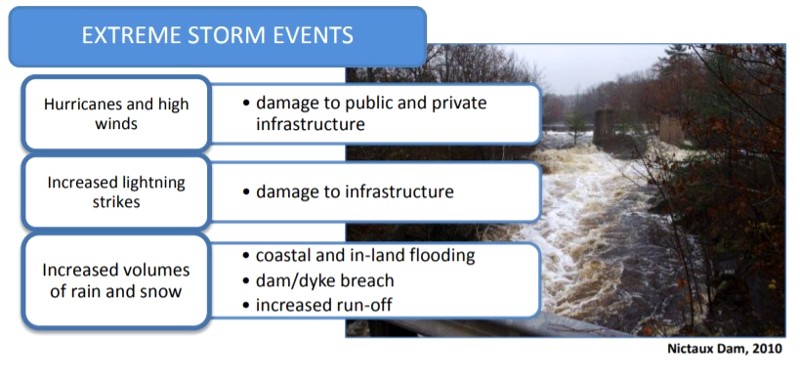
Friday, we endured another Winter storm; rain and melting snow. The result was flooding at the junction of Highway #201 and Paradise Lane. Jack Pearl’s farm house was an island. Towards Bridgetown, the Annapolis River had overflowed its banks. I wonder if there was any aerial photography — demonstrating the impact of climate change in the County.

And, how does this mesh with the Municipal Climate Change Action Plan?

Image from Annapolis County Municipal Climate Action Plan (2013) p.10

Sunday, we extended our exploration to Annapolis Royal. Heather wanted to stop at the Red Onion Market health food store. I wanted to drop into the Mad Hatter bookstore. On the shelf, I found Another Plague Year Reader, a sampler of books published by Gaspereau Press in 2021. It was FREE.

The Reader includes an interview with Andrew Steeves, examples of poetry publications, prose and limited editions.Finally, books likely to appear in 2022.

February 2022 marks the 25th anniversary of Gaspereau Press.

February 2022 marks the 25th anniversary of Gaspereau Press.

In the words of Steeves (p.13) :

”I tend to think that the most important thing we have been doing is helping and equipping others, whether by providing cultural infrastructure and support to authors in the here and now or by providing an example, an imaginative and philosophical framework that perhaps others will be able to build on in the future.”

”For me the anniversary makes me think about our role in the complex life of the community, alongside writers, readers, booksellers, librarians, historians, artists and our printing clients. I feel that this work has allowed Gary and me to have a meaningful impact on the cultural landscape at this time and in this place, however subtle.”

Poets and authors in the sampler include Bren Simmers, George Elliott Clarke, Soren Bondrup-Nielsen and many others. Gaspeau Press produce books that are a pleasure to read and hold.

Acknowledgements

Debby and Rocky Hebb for their watchfulness. Andrew Steeves and Gary Dunfield for ’making books that reinstate the importance of the book as a physical object’. Edward added the graphics and the links. Heather shared the journey.

References

Municipality of the Annapolis County, 2013, Municipal Climate Change Action Plan

Another Plague Year Reader, 2020, Gaspereau Press, Kentville.

Posted in Book Review, Event Review

Book Hunt

After reading, Running TO Paradise (see earlier blog post), I was interested in reading more by Donna Smyth. Fortunately, I had a copy of Harry Thurston’s The Sea’s Voice, an anthology of Atlantic Canadian Nature Writing.

It included Smyth’s stort story, Women Flying, the eschatology of Nature. I could relate well to the following statement.

Some celebrate this transcendence of Nature, declaring a liberation from the material world, from the flesh … But some of us believe this kind of future holds within itself its own dark virus of destruction. Some of us have taken to living in strange, remote places. We’re hunkered down on the land, on small farms, rethinking our connections to Nature.” p.251-2.

Donna Smyth taught English at Acadia University and now lives and writes on an old farm in Hants County.


This weekend, Heather and I were off to the Flying Apron in Summerville.

Enroute, I recalled a second-hand bookstore in Windsor, Readers’ Haven. We stopped briefly. I found two books. Donna Smyth’s Among the Saints and Silver Donald Cameron;s The Living Beach. Heather also found two books, Elizabeth Balmer’s A Pocketguide to Butterflies and Moths, and Ruth Ware’s, The Death of Mrs. Westaway.

We continued on our way to the Flying Apron. We checked into our room at the Inn and were greeted by a bottle of white wine, Tennycape from Avondale Sky Winery and chocolates from Peace by Chocolate. After a filling brunch, we decided to explore the Rising Tide shores, driving along Hwy #215 to Burncoat Head. We returned to the Inn, just in time to walk down and catch the sun setting behind Summerville Wharf.

Saturday evening, I was able to relax and read the selected stories. From the back cover, Joan Coldwell.

Whether in novels, stories, plays or poems she (Donna Smyth) creates a sense of the holiness of all living things, the need for loving community in the face of violence and destruction, and a belief in the power of words to change the world”.

Sunday, we had a pre-Valentine’s Day lunch. For the second day, I would only need one meal. Now, I can look forward to reading Silver Donald Cameron.

The beach is magic, an infinitely complex and beautiful ballet of the shore and the land, a pas deux between change and resistance. Caught up in the dance are the animals and plants that live there. The beach is not just a strip of sand: it is a community, a wild and living thing.

This becomes self-evident, as you explore the Rising Tide shores of Hants County.

Postscript

Harry Thurston’s The Sea Voice includes Silver Donald Cameron’s Gaia’s Fingernail Chapter 1, from the Living Beach.

References

Donna E. Smyth, 2003, Among the Saints, Roseway Publishing.

Silver Donald Cameron, 1998, The Living Beach, MacMillan Canada.

Harry Thurston, (Ed), 2005, The Sea’s Voice, Nimbus Publishing.

Ruth Ware, 2018, The Death of Mrs. Westaway, Simon and Schuster.

Elizabeth Balmer, 2007, A Pocket Guide to Butterflies and Moths, Parragon Books.

Readers’ Haven readershaven@eastlink.ca

The Flying Apron Inn and Cookery, flyingaproncookery.com

Acknowledgements

Heather shared the Romantic Getaway at the Flying Apron. It was a celebration of my Valentine’s day birthday. I share the date with Edward. Edward added the graphics and links from his Florida base. Thanks to the staff at the Flying Apron Inn and Cookery.

.


Posted in Book Review

Running TO Paradise

On Monday, we went to Wolfville. The town was crowded. There were protestors, faculty and students, responding to the strike at Acadia University. At the same time, there was a drive-in pick up of COVID test kits at the sports arena parking lot.

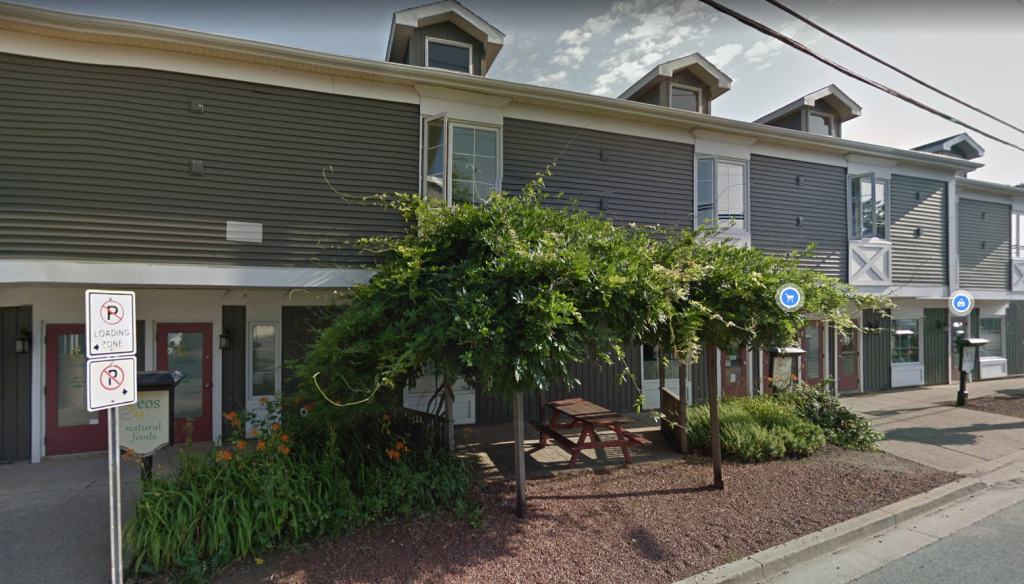
We went to EOS, to pick up some yoghurt starter and coffee filters. Next door is the Odd Book store.

We treated ourselves. I found two books of interest. In the section for Gaspereau Press, there was a copy of Donna Smyth’s play, Running TO Paradise, about the life of Elizabeth Bishop. I was attracted by the title. In this case, I think Paradise likely refers to her time with Lota Soares in Brazil. It ends with her award of an honorary degree from Dalhousie University in 1979.

I know what I’ll tell them – Dear Class of 1979, go forth and be not afraid. Think of Darwin on his lonely voyages. Writing down all the details …….. writing what he saw, (Pause). Some of the giant tortoises on the Galapagos are hundreds of years old. Buried deep in turtle memory is the beginning of this land.” p.65.

In the Geography section, I found Jonathan Sauer’s Plants and Man on the Seychelles Coast: A Study in Historical Biogeography. Jonathan Sauer was the son of Cultural Geographer, Carl Sauer.

This book returned me to my graduate studies in Biogeography. It also links back to the work of Alfred Wallace, Island Life (1880).

Back to ’Running to Paradise’, the concept set up a chain of thinking ’Walking from Paradise’. The obvious choices are the 110 km Harvest Moon Trailway to Annapolis Royal or back to Wolfville.

Another option is the trail from Valley View Park above Bridgetown along North Mountain to Middleton …

… or on South Mountain, from West Inglisville to Roxbury, or south to Paradise Lake and Trout Lake. These trails are open for skiing, hiking or bicycling. Although on South Mountain, we see the continuous loss of habitat, through the current forestry practices.

Acknowledgements

Sandra Barry provided additional details on the play. Edward added the graphics. Heather shared the Wolfville experience.

References

Donna E. Smyth, 1999, Running to Paradise: A play about Elizabeth Bishop, Gaspereau Press.

Jonathan D. Sauer, 1967, Plants and Man on the Seychelles Coast: A Study in Historical Biogeography, University of Wisconsin Press.

Posted in biographical sketch, Book Review

Evangeline

This Monday, I had to take Heather to the dentist in Bridgetown. While waiting, I stopped for a coffee at the aRoma Mocha café.

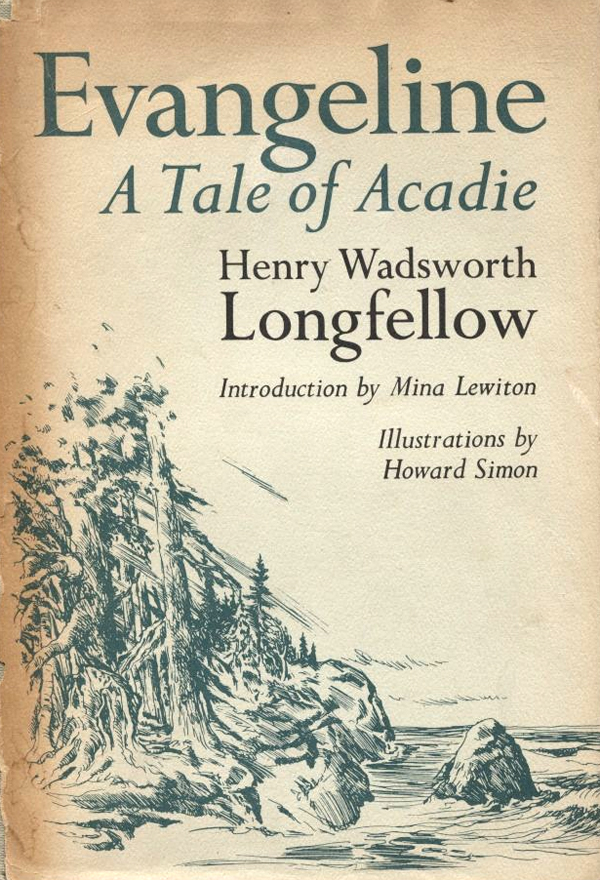
I noticed an old copy of Longfellow’s Evangeline on the counter. The price was marked at five dollars. The cafe owner allowed me to buy it.

The small book was published by MacMillan Company in 1914. The inside cover bears the stamp of Frontier College ’founded in 1900 to promote Camp Education. This book provided for the use of men in camps.’

The book includes an introduction to Longfellow’s Life and Works, the Acadians and the Metre of Evangeline, and maps of both Nova Scotia and Louisiana.

It offered a strong contrast to my latest reading, Richard Powers Bewilderment; a novel about Theo Byrne, an astrobiologist, and his relationship to his son, Robin.

What can a father do when the only solution offered to his rare and troubled son is to put him on psychoactive drugs? What can he say when his son comes to him wanting an explanation for a world clearly in love with its own destruction?

This book is a remarkable story, following his previous, Pulitzer-Prize Winning book ’The Overstory’. ‘Bewilderment contains overtones of Greta Thunberg. Check out CBC Writers and Company, October 29, 2021, interview with Eleanor Wachtel.

Postscript

In Panama, they recently have named a new species of frog after Greta Thunberg.

Acknowledgements

To my old school friend, Andrew Ronay who had expressed an interest in the Story of Evangeline. Edward added the graphics and links. Heather maintains her fascination with both birds and plants. For Richard Powers; his geography is the Great Smoky Mountains, Tennessee. For us, it is the Acadian Forest, and beyond.

References

Henry Wadsworth Longfellow, 1914, Evangeline (Edited with notes and introduction by Lewis B. Semple), MacMillan Company.

Richard Powers, 2021, Bewilderment, Random House Canada.

Eleanor Wachtel, CBC Writers and Company, October 29, 2021, Conversation with Richard Powers.

Posted in Book Review

Collaborative Research

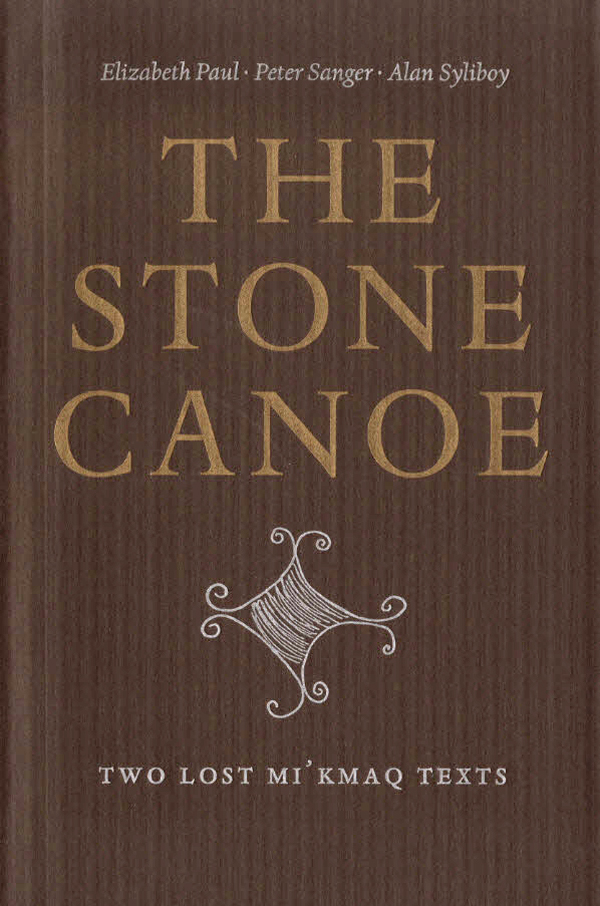
In New Glasgow this week, I phoned the library and discovered that they had a copy of The Stone Canoe. It is a collaboration between Elizabeth Paul, Peter Sanger and Alan Syliboy published by Gaspereau Press.

’This is a story about two stories and the authors’ travels through the written record. Peter Sanger uncovered two manuscripts among the Rand holdings at Acadia.’

‘Both are among the earliest examples of indigenous Canadian literature recorded in their original language.

Sanger contributes two essays.
I. Looking for Someone who sees.
II. Riding the Stone Canoe.

Alan Syliboy provided the artwork.

Elizabeth Paul provided the translation. Of course, the book produced by Andrew Steeves is also a work of art. It is an example of the role of the printer in society.

I would heartily recommend two other books by Peter Sanger: White Salt Mountain: Words in Time (2005) and Spar: Words in Place (2002). both published by Gaspereau Press.

Postscript

The sticker on the cover says ’one of the 150 books of influence’ Libraries150. (150booksns.ca)

Acknowledgements

Andrew Steeves for their excellent work at Gaspereau Press. Edward Wedler for his collaborative research. Heather shares the outdoor travel: canoeing and snowshoeing.

References

Elizabeth Paul, Peter Sanger, Alan Syliboy, 2007, The Stone Canoe: Two lost Mi’kmaq texts, Gaspereau Press.

Peter Sanger, 2005, White Salt Mountain: Words in Time, Gaspereau Press.

Peter Sanger, 2002, Spar: Words in Place, Gaspereau Press.