Posted in biographical sketch

Travels with Heather

Last Thursday, we dropped off a library book in Bridgetown. At the front desk, I picked up two brochures.

Bridgetown map showing the Historic Cyprus Walk, registered heritage properties and historic photographs from Granville Street and the Annapolis River. Check out the website www.bridgetownnovascotia.com and the Bridgetown Area Garden Club ’we dig gardening ’ at www.bagardenclub.weebly.com


Friday, we made the drive to New Glasgow.
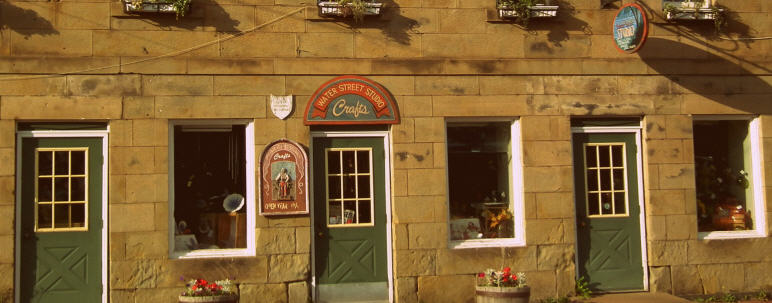
This allowed a visit to Water Street Studio in Pictou on Saturday morning. I found two items of interest.

Wild Nova Scotia (photographs by Lenn Wagg. Text by Bob Bancroft), originally published in 2007. The book identifies wilderness areas, Canadian heritage rivers and other wilderness sites in Nova Scotia. Bancroft’s text divides the province into Highlands, Coastal, Uplands and Interior.

The second find was Dave Gunning’s CD Lift, 2015, www.davegunning.com. One of the songs on the CD is The Red Onion. Reminded me of the natural food market in Annapolis Royal, of the same name.

Laurel, my daughter sent me Richard Wagamese’s, Selected: What comes from Spirit. That made for good reading in New Glasgow.
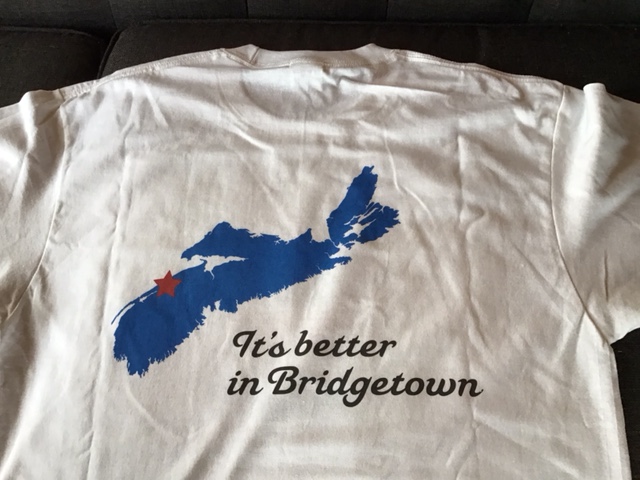
Today (Wednesday, 16th) I stopped at the Bridgetown Motor Inn to pick up a T-shirt for my entry into the I Love Bridgetown Competition. I had submitted my blog, Bridgetown: a sense of place.

Acknowledgements

Marnee at the Bridgetown Motor Inn, one of the new co-owners for the Bridgetown competition. Edward added the graphics. Heather provided the travelling companionship.

References

Wild Nova Scotia, Photography by Len Wagg, 2007, Nimbus Publishing

Dave Gunning, 2015, CD Lift.

Richard Wagamese, 2021, Selected: What comes from Spirit, Douglas and McIntyre.

Posted in Opinion

Pipe Dreams

In our bedroom, through the skylight, I can see the wind blowing the tree branches, and the puffy white clouds racing across the blue sky.

In the world of GIS, this reminds me of a polygon overlay: the roof, the vegetation, and the atmosphere all interacting with each other.

It is over fifty years since I was part of a wave, leaving England to start again with graduate studies in Canada. Later in Nova Scotia, when we were offering advanced diplomas in Scientific Computer Programming in the 1980’s we experienced another wave of students from Poland, Greece and Indonesia, as well as from across Canada.

Contemplating the situation in the Ukraine, makes me wonder if we could again help refugees to come to Nova Scotia.

If we are to address the global climate issues we need to increase the percentage of the population who are familiar with the next generation of geographic technology, and to effectively apply them to our resource management issues.

Can our post-secondary institutions step up to the challenge? They have done so in the not too distant past. Can our governments work with the post-secondary education institutions, as well as the immigration agencies?

Or is this simply a ’pipe dream’?


Wednesday, Heather and I escaped from the Valley. We met with Brian Arnott and Leslie Wright in Lunenburg. The topic for discussion was Agriculture/ GIS in Annapolis County. While in town,we visited two bookstores. Brian and Leslie kindly loaned us two books (see below). On our return, I received email from AIRO, to reflect on Annapolis County, forty years from now (online Survey Link).

Acknowledgements

Brian and Leslie provided a wonderful Sri Lankan take-out lunch, mixed with great discussion. Edward added graphics from Florida. Heather encouraged the detour along LaHave to Bridgewater, and home.

References.

Lena Lencek and Gideon Bosker, 1998, The Beach: The History of Paradise on Earth, Viking Penguin.

Daniel Stone, 2018, The Food Explorer: The true adventures of the globe-trotting botanist who transformed what America eats, Dutton.

Posted in New thinking, Opinion

Summer Institute

Saturday evening, I shared a beer with John Wightman. Brickyard Red, of course.

We talked about our time at COGS. This brought up the topic of the Summer Institute, an event sponsored by CANMAP (see “Shifting Gears“. It set me thinking.

COGS, along with other educational institutions, has had to adjust to a different teaching model as the result of COVID. Rather than sit around waiting for change. Let’s revisit the Summer Institute. Show leadership.

From my conversation with David Colville, it seems that faculty are managing a combination of on-line students, on-site students, as well; in his case, graduate students at Acadia. What would the new model look like? Could this be a theme of a Summer Institute in 2022 and beyond?

We could include participation from

  • Canadian Cartographic Association
  • The Applied Geomatics Research Group
  • Esri and Esri Canada
  • Novita Interpares
  • Shorefast Foundation
  • Chris Hopkinson and Laura Chasmer, University of Lethbridge.

Besides new approaches to teaching, we could look at new approaches to resource management: agriculture, forestry, fisheries, mining.

We could look at new approaches to community-centric engagement with: Bridgetown, Lawrencetown, Middleton, Annapolis Royal, Annapolis County — such as different age cohorts in the community: school age, workforce, retirement age. Perhaps there is room to explore technical tourism and creative, technical workshops.

We have a choice. We can wait until politicians determine COVID is over. Or we can design a Summer Institute, with a particular format and content. Place a stake in the ground, mark a date on the calendar, and plan for post-COVID living.

We should look at previous Summer Institute events. Decide on the audience, the presenters, location and timing. I am confident that CANMAP would be supportive.

Image Source: https://www.flickr.com/photos/wessexarchaeology/49141082227https://www.flickr.com/photos/wessexarchaeology/49141082227

Anyone interested, besides John and myself?

We could look at and attract new technologies and their leaders; for example, working with GoGeomatics on new directions/new relationships.

Acknowledgements

Enjoyed an excellent conversation with John Wightman at his home in Bridgetown. Edward, another COGS faculty alumni, added the graphics. Heather continues her vigilance to help birds survive in this unusual Winter.

Posted in biographical sketch

You can’t hide

Wednesday, I went down to Lunn’s Mill to pick up some beer – Brickyard Red.

We have a civic address mail box at the same location. Since I remembered the key, I checked for mail. Usually, there are only fliers about food delivery, or from local politicians. This time, I found a key, telling me that there was a parcel. I opened the parcel box and found a package for Heather from Google, addressed to our civic address.

When I returned home, Heather reminded me that Google offered a service, creating books from online photographs. She had used the service when she took a series of photographs on a dog-sledding trip in Manitoba. This time, the book was of our Christmas trip to Iqaluit. It was of double interest since this Spring she had worked with Integrity Printers in Bridgetown to produce a photo album for the family on the same subject.

The surprise was twofold. First, Google would see the business opportunity. Second, they would deliver to our civic address (we have a box number in Lawrencetown).

On a related topic, last night we watched Still Standing – Middleton with Jonny Harris on CBC Gem. We recognized some of the characters. It reminded me of the unique qualities of our small rural communities: Bridgetown, Annapolis Royal, and even Paradise, come to mind.

On a related topic, last night we watched Still Standing – Middleton with Jonny Harris on CBC Gem (Episode 6).

It reminded me of the unique qualities of our small rural communities: Bridgetown, Annapolis Royal, and even Paradise, come to mind.

In two weeks time, the focus will be Oxford, NS. Another community from Heather’s early years.

Postscript

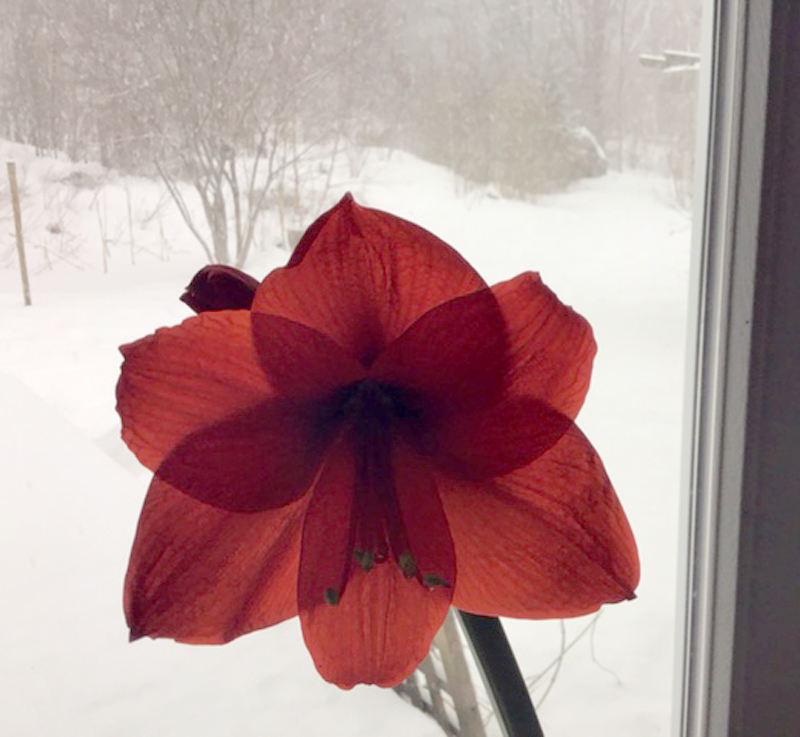
Meanwhile, our Amaryllis in a snow storm …

Acknowledgements

Heather explored the Google option. Edward added the graphics.

Reference

Still Standing – Middleton, March 2, 2022, CBC Gem.

Posted in Book Review

Orwell’s Roses: Part 2

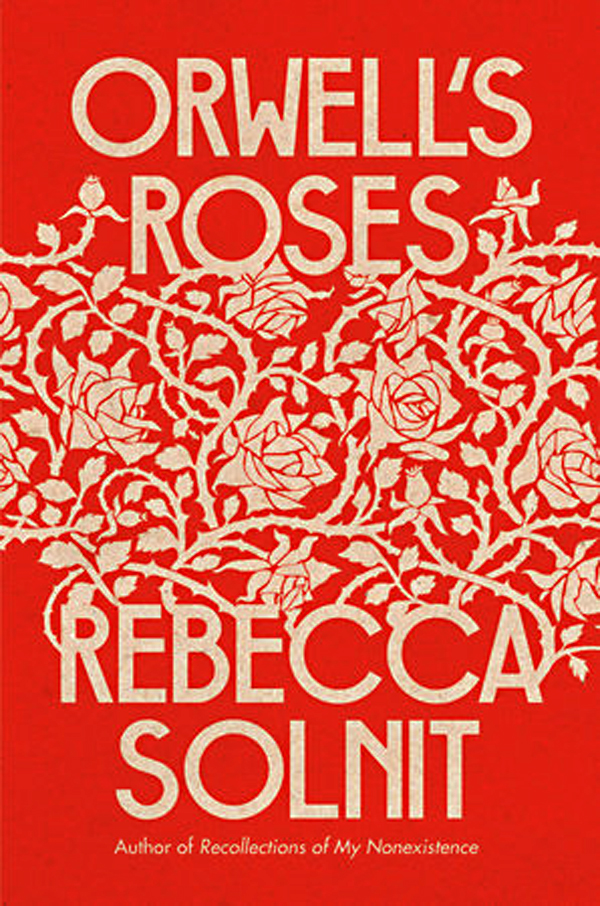
At the end of October 2021, Heather and I were driving to New Glasgow. We listened to an interview with Rebecca Solnit on her new book, Orwell’s Roses ( see blog post November 2, 2021). On our return I went to the Lawrencetown library and put in a request. It arrived here last week. I had time to read it in New Glasgow this weekend.

For the first time, I gained an appreciation for the life of Eric Blair (George Orwell). Born in 1903, in North India, he died from TB in 1950. At 13 years of age, he went to Eton for four years, then joined the Burmese police for five years; left in 1927. Subsequently, he wrote a number of books, including Down and Out in Paris and London (1929), The Road to Wigan Pier (1937), Homage to Catalonia (1938), Animal Farm (1945), Nineteen Eighty Four (1949). For more details, you can Google ‘George Orwell’ his pen name that he assumed in 1935.

The theme of Solnit’s book starts with Orwell’s relationship to the English garden, and her discovery of roses at a cottage in Wallington, Hertfordshire, he planted in 1936.

It ends with his life at Barnhill on the Eastern shore of the Jura peninsula, in the Hebrides in 1949. In between, Solnit explores his writing within the context of England between 1930-1950, including the Spanish Civil war and the Second World War.

Of course, her text is particularly relevant, as we see the happenings in Ukraine. Here is her concluding paragraph.

”Orwell’s signal achievement was to name and describe as no one else had the way that totalitarianism was a threat not just to liberty and human rights but to language and consciousness, and he did it in so compelling a way that his last book casts a shadow or a beacon’s light – into the present. But that achievement is enriched and deepened by the commitment and idealism that fueled it, the things he valued and desired, and his valuation of desire itself, and pleasure and joy, and his recognition that these can be forces of opposition to the authoritarian state and its soul-destroying intrusions.The work he did is everyone’s job now. It always was.” p.268.


This week, I received two items of feedback to my blogs. From Sandra Barry, a link to Bored Panda that shows a variety of interesting maps. From Klaus and Shirley Langpohl, a link to a video of Stephen Talbott’s presentation to the Nature Institute ’Gestures of a Life’. A thought provoking commentary on present day scientific method.

Postscript

My blog title Ernest Blair Experiment is a tip of the cap to Ernest Buckler and Eric Blair.

Acknowledgements

Thanks to Jaki Fraser for bring in the Rebecca Solnit book. To Sandra Barry, and Klaus and Shirley Langpohl, for sharing their readings. Edward contributed the graphics. Heather shared the New Glasgow travels.

References

Rebecca Solnit, 2021, Orwell’s Roses, Penguin Books.

Bored Panda.

Gestures of a Life, Stephen L. Talbott, The Nature Institute.

Posted in Event Review

Applied Geomatics/ CORAH presentation

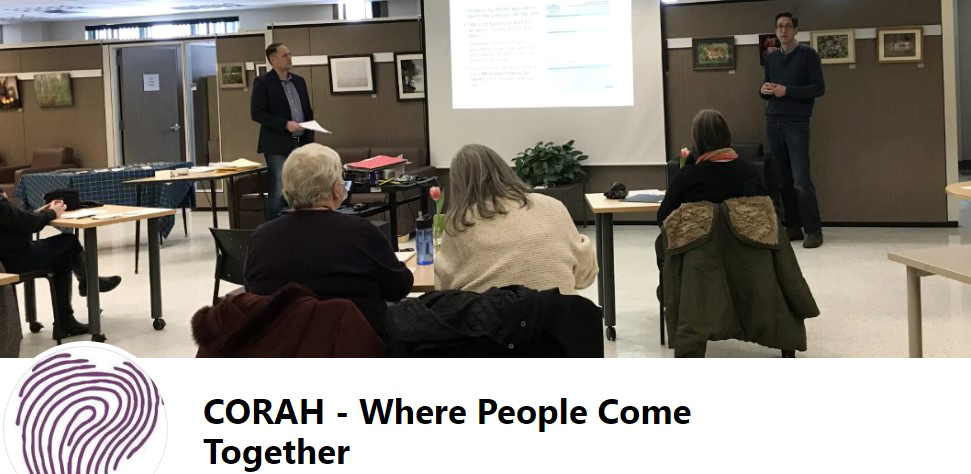
The NSCC campus in Middleton is the home of both the Applied Geomatics Research Group (AGRG) and the Centre of Rural Aging and Health (CORAH).

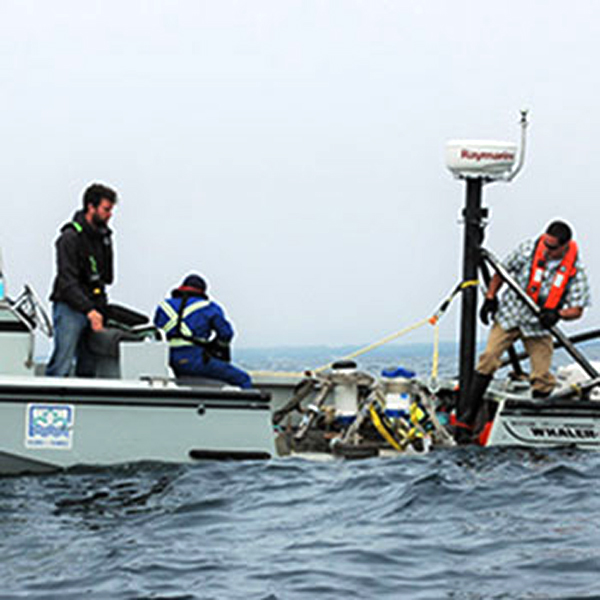
Consequently, it made sense for Dr. Tim Webster, Research Scientist at AGRG to give a presentation on ’The role of Geomatics in Managing our Coastal Zone’. The audience included, but was not limited to, retired faculty and other researchers who live in the region. Under CORAH, the presentation was also available at satellite sites in Canning and Cornwallis Park. Given my intimate knowledge of the AGRG story, I wanted to hear first hand the type of research currently being undertaken by AGRG.

Despite COVID, Tim and his group of associates (about a dozen) continue to be competitive in the application of different Geomatics technologies, especially in the coastal zone. As a coastal province, it is important that we access and manage high quality information. (Image Source)

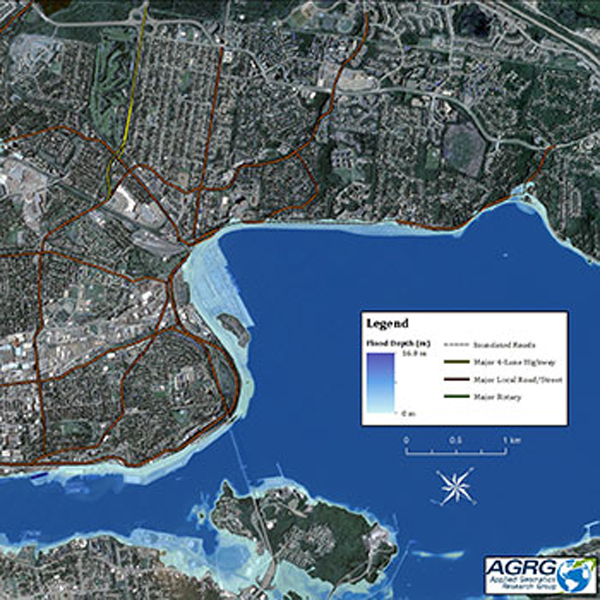
Tim provided an excellent overview of the technologies, the increased resolution of LiDAR, both terrestrial and topo-bathymetric. Climate change and sea level rise impacts flooding, erosion, ice jams, storm surges and salt water intrusions. (Image Source)

Specific projects by the group include flood risk mapping e.g. Annapolis Royal, Chignecto Isthmus. With topo-bathymetric LiDAR, it included mapping of eel grass beds in Little Harbour, contaminant monitoring in Boat Harbour. In Southwest Nova, in collaboration with Acadian Seaplants, mapping rock weed biomass. (Image Source)

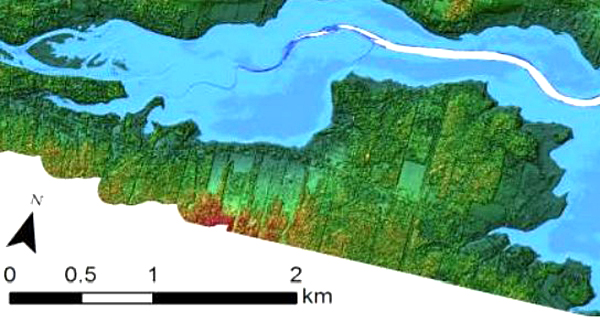
In the twenty two years, since the formation of AGRG, we see that the resolution has improved significantly and it is possible to build seamless land/sea models. If we are talking in terms of ’marine spatial planning’ then access to Geomatics technologies are critical to municipalities, the federal and provincial government, marine industries, Nova Scotia Power, Halifax Water etc.

Tim also provided insight into the application of the same technologies for his Ph.D research on the geology of North Mountain. He referenced the ability to separate tree cover from the ground surface. In rural Nova Scotia, with all the power outages, it would be a tremendous boon, if we could separate out the above ground power lines from the surrounding tree growth. Perhaps that is a ’fantasy’.

It is encouraging to see CORAH sponsoring Tim’s presentation. In the rural communities of the Annapolis Valley, there are a significant number of ’retired’ scientists and teachers who appreciate the application of Geomatics in managing our ecosystems, whether terrestrial, marine or in-between. This community-based learning model should be entertained elsewhere, where technology and technical institutions co-habitat the same landscape / the same geography.

Acknowledgements

Heather McCormick manages CORAH. It offers Health related courses and seminars in Middleton and at five satellite sites. Examples are Tai Chi, Computer Skills and guest seminars. Tim Webster delivered the seminar on Applied Geomatics research. Edward added the graphics and links. Heather attends Tai Chi.

Posted in biographical sketch

Travel Plans

For the last few weeks, the TV channels have been preoccupied with the Ottawa protest and the Olympic Games. In the same time frame, I have been impressed by the quality of the Atlantic Canada travel advertising.

In priority order, my vote would go to Newfoundland and Labrador, Prince Edward Island, then perhaps Nova Scotia or New Brunswick third.

The advertisements showing stunning landscapes, combined with community spirit — makes Heather and me want to jump on a ferry and return to the West Coast of Newfoundland, and reacquaint ourselves with these hidden treasures.


Sunday, I caught the beginning of Cross-Country Checkup on the radio. Ian Hanomansing read an email from Rob Bright, Extinction Rebellion making the comparison between the protest at Last Hope camp in Annapolis County and the protest we have been observing in Ottawa.

We still hope that this government will adopt a more enlightened approach to the management of Crown Lands in the province.

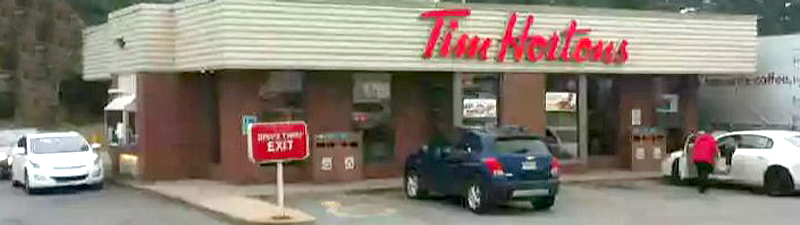
Finally, Heather and I were in Greenwood yesterday. We stopped for a drive-through coffee at Tim Horton’s. We were behind a RCMP car.

When we reached the window, the server explained that our coffees had been ’paid-forward’. This made our day. We, of course, had to reciprocate to the next in line. Small gestures of kindness.

Acknowledgements

Edward added the graphics and links. Heather provided the company.

Posted in biographical sketch, Book Review

Community Spirit

Thursday, we went to Bridgetown to pick up COVID test kits at the Legion. The event was coordinated by the local Search and Rescue team.

It was a very efficient drive through operation. Thanks to Debby and Rocky Hebb for passing on the information. This event contrasted with the occupation in Ottawa, watched on the CBC.


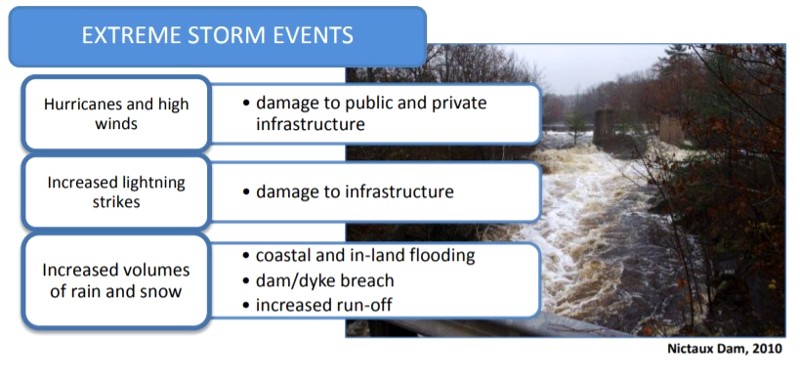
Friday, we endured another Winter storm; rain and melting snow. The result was flooding at the junction of Highway #201 and Paradise Lane. Jack Pearl’s farm house was an island. Towards Bridgetown, the Annapolis River had overflowed its banks. I wonder if there was any aerial photography — demonstrating the impact of climate change in the County.

And, how does this mesh with the Municipal Climate Change Action Plan?

Image from Annapolis County Municipal Climate Action Plan (2013) p.10

Sunday, we extended our exploration to Annapolis Royal. Heather wanted to stop at the Red Onion Market health food store. I wanted to drop into the Mad Hatter bookstore. On the shelf, I found Another Plague Year Reader, a sampler of books published by Gaspereau Press in 2021. It was FREE.

The Reader includes an interview with Andrew Steeves, examples of poetry publications, prose and limited editions.Finally, books likely to appear in 2022.

February 2022 marks the 25th anniversary of Gaspereau Press.

February 2022 marks the 25th anniversary of Gaspereau Press.

In the words of Steeves (p.13) :

”I tend to think that the most important thing we have been doing is helping and equipping others, whether by providing cultural infrastructure and support to authors in the here and now or by providing an example, an imaginative and philosophical framework that perhaps others will be able to build on in the future.”

”For me the anniversary makes me think about our role in the complex life of the community, alongside writers, readers, booksellers, librarians, historians, artists and our printing clients. I feel that this work has allowed Gary and me to have a meaningful impact on the cultural landscape at this time and in this place, however subtle.”

Poets and authors in the sampler include Bren Simmers, George Elliott Clarke, Soren Bondrup-Nielsen and many others. Gaspeau Press produce books that are a pleasure to read and hold.

Acknowledgements

Debby and Rocky Hebb for their watchfulness. Andrew Steeves and Gary Dunfield for ’making books that reinstate the importance of the book as a physical object’. Edward added the graphics and the links. Heather shared the journey.

References

Municipality of the Annapolis County, 2013, Municipal Climate Change Action Plan

Another Plague Year Reader, 2020, Gaspereau Press, Kentville.

Posted in Opinion

Exploring rural Nova Scotia

At the Flying Apron ’they do local’.

This includes providing guests with a handout ’Exploring the Rising Tide Shores’. It is a map of part of Hants County showing a list of things to do in the area, within a short drive of Summerville. Activities are divided into Beer, Cider and Wine; Hiking and Recreation; Golf; Arts, Culture and Heritage.

A similar map could be developed for other parts of rural Nova Scotia. For example, the Bridgetown Motor Inn could sponsor a similar initiative for Annapolis County. This could be supported by the cartographic/ geographic skills at the Centre of Geographic Sciences (COGS). It makes sense that these initiatives focus on a business that offers access to both accommodation, as well as access to local food and beverage suppliers. Other partners could come from outdoor recreation, arts, culture and heritage.

From my personal perspective, I am interested in the stories from the landscape. For example, in Hants County we have the writers Donna E. Smyth and Peter Sanger. Elsewhere, you find Harry Thurston, Silver Donald Cameron, Elizabeth Bishop. In Annapolis County, it would include Ernest Buckler, David Manners and Kent Thompson. Certainly, the reader can add additional names, some living and others from a previous era. In addition , Nova Scotia has a rich collection of publishing houses e.g. Gaspereau Press, Moose House Publishing.

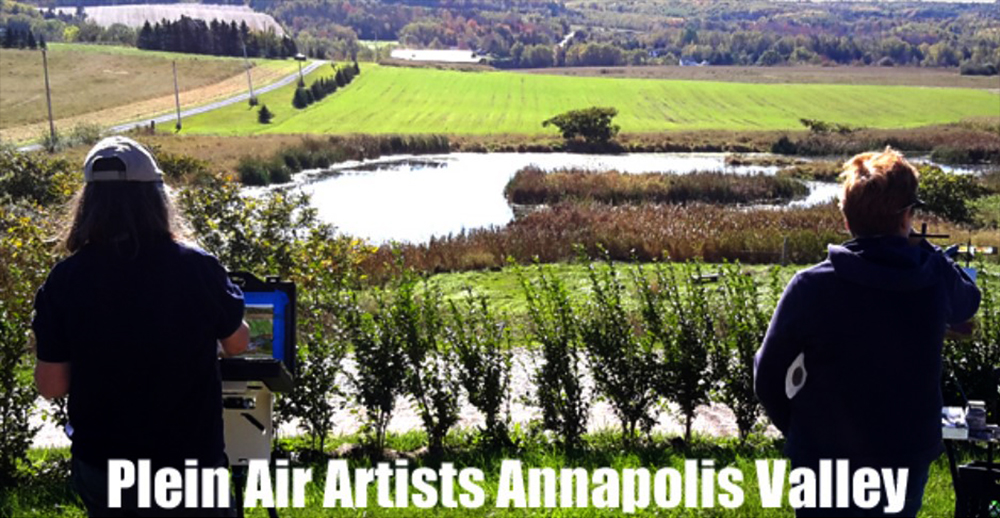
I am also sure that Edward, with his plein-air art interests could identify artists and craft persons who describe the landscape, or produce products inspired by the landscape.

LINK to Nova Scotia Plein Air Map

Another feature of the Flying Apron, besides the Inn and Cooking School, is a second-hand book store. This appears to be a feature of many small towns, nestled in rural Nova Scotia.

Acknowledgements

Edward contributed his knowledge of the artistic culture. My focus has been the literary culture and geography. Heather would add the biological sciences and outdoor education.

Reference

The ’Explore the Rising Tide Shores’ brochure produced by the Flying Apron Inn.

Posted in Book Review, Event Review

Book Hunt

After reading, Running TO Paradise (see earlier blog post), I was interested in reading more by Donna Smyth. Fortunately, I had a copy of Harry Thurston’s The Sea’s Voice, an anthology of Atlantic Canadian Nature Writing.

It included Smyth’s stort story, Women Flying, the eschatology of Nature. I could relate well to the following statement.

Some celebrate this transcendence of Nature, declaring a liberation from the material world, from the flesh … But some of us believe this kind of future holds within itself its own dark virus of destruction. Some of us have taken to living in strange, remote places. We’re hunkered down on the land, on small farms, rethinking our connections to Nature.” p.251-2.

Donna Smyth taught English at Acadia University and now lives and writes on an old farm in Hants County.


This weekend, Heather and I were off to the Flying Apron in Summerville.

Enroute, I recalled a second-hand bookstore in Windsor, Readers’ Haven. We stopped briefly. I found two books. Donna Smyth’s Among the Saints and Silver Donald Cameron;s The Living Beach. Heather also found two books, Elizabeth Balmer’s A Pocketguide to Butterflies and Moths, and Ruth Ware’s, The Death of Mrs. Westaway.

We continued on our way to the Flying Apron. We checked into our room at the Inn and were greeted by a bottle of white wine, Tennycape from Avondale Sky Winery and chocolates from Peace by Chocolate. After a filling brunch, we decided to explore the Rising Tide shores, driving along Hwy #215 to Burncoat Head. We returned to the Inn, just in time to walk down and catch the sun setting behind Summerville Wharf.

Saturday evening, I was able to relax and read the selected stories. From the back cover, Joan Coldwell.

Whether in novels, stories, plays or poems she (Donna Smyth) creates a sense of the holiness of all living things, the need for loving community in the face of violence and destruction, and a belief in the power of words to change the world”.

Sunday, we had a pre-Valentine’s Day lunch. For the second day, I would only need one meal. Now, I can look forward to reading Silver Donald Cameron.

The beach is magic, an infinitely complex and beautiful ballet of the shore and the land, a pas deux between change and resistance. Caught up in the dance are the animals and plants that live there. The beach is not just a strip of sand: it is a community, a wild and living thing.

This becomes self-evident, as you explore the Rising Tide shores of Hants County.

Postscript

Harry Thurston’s The Sea Voice includes Silver Donald Cameron’s Gaia’s Fingernail Chapter 1, from the Living Beach.

References

Donna E. Smyth, 2003, Among the Saints, Roseway Publishing.

Silver Donald Cameron, 1998, The Living Beach, MacMillan Canada.

Harry Thurston, (Ed), 2005, The Sea’s Voice, Nimbus Publishing.

Ruth Ware, 2018, The Death of Mrs. Westaway, Simon and Schuster.

Elizabeth Balmer, 2007, A Pocket Guide to Butterflies and Moths, Parragon Books.

Readers’ Haven readershaven@eastlink.ca

The Flying Apron Inn and Cookery, flyingaproncookery.com

Acknowledgements

Heather shared the Romantic Getaway at the Flying Apron. It was a celebration of my Valentine’s day birthday. I share the date with Edward. Edward added the graphics and links from his Florida base. Thanks to the staff at the Flying Apron Inn and Cookery.

.