Posted in Opinion

When the Science of Where meets the Geography of Here

Edward Wedler suggested this title within the context of a CBC article on Canadians moving back to the province to work remotely from home. Another candidate title would be Making Lemonade. This relates to the latest AIRO newsletter on opportunities arising from the COVID pandemic.

These discussions take me back to the 80’s. As we developed new technology programs, we worked closely with the vendors to ensure that our graduates would find employment in the industry. This resulted in a steady flow of GIS graduates to California and Toronto, and a similar migration to Ottawa in Remote Sensing. Over the last four decades, there has been a return flow back to Nova Scotia.

Given the new economy, it would be in the interest of COGS, NSCC and the provincial government to revisit our previous model.

For example, all students in the programming diploma programs completed a co-operative project with industry and/or government. As we introduced new technologies, we would make sure our graduates had the appropriate software development tools. Then, as we delivered these programs and gained co-op expertise, we transferred the curriculum to other countries, e.g. Indonesia, China, and Argentina.

Now, in 2021, we see companies willing to allow employees to work remotely. We also have a new facility on the COGS campus that will allow short residential courses. To build the technology community in the Annapolis Valley we need to reflect on our history, as well as take advantage of these new opportunities. As part of the effort, we should look to apply technology solutions to the resource management issues of Nova Scotia, then migrate these solutions to other jurisdictions — building a technically-creative economy.

Edward Wedler and Jane Nicholson are both correct. We can apply the science of where to the geography of here. We do have the capacity to make lemonade, even when dealt a handful of lemons.

We have a long history of partnerships with the GIS, Remote Sensing and Geomatics industry and government. It is time to revisit these relationships, readying Nova Scotia for the post-COVID world.

Postscript

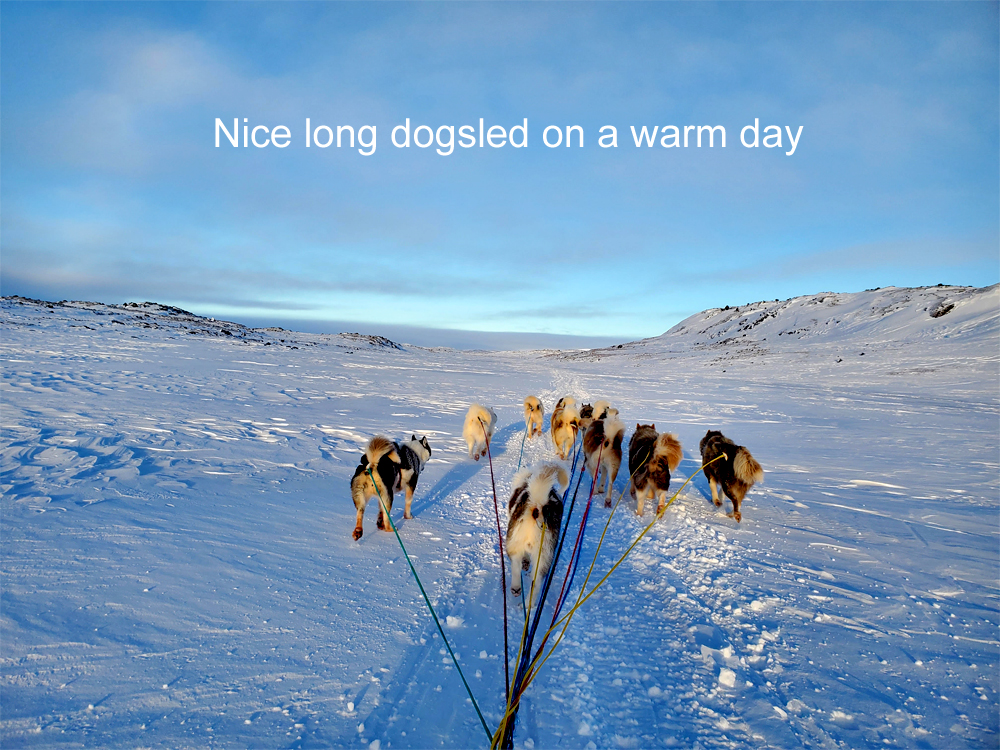
Monday afternoon. After shovelling 18” of snow out of the driveway in the morning, went for a cross-country ski down through Andrew’s fields. It was hard work.
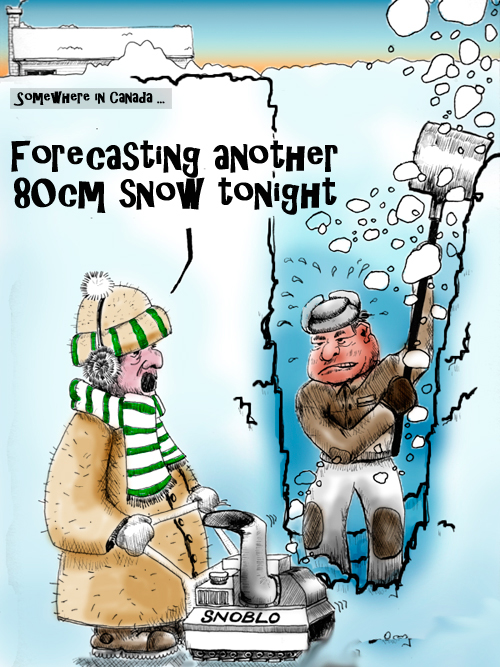
Cartoon by Edward Wedler

Acknowledgements

Edward Wedler and Jane Nicholson for their entrepreneurial energy. Dave MacLean and David Colville for keeping open the communication channels to COGS. Heather for supporting the Geography of Here.

References

AIRO newsletter, “We’ve got to do something with our lemons”, February 5, 2021.

CBC post on Canadians returning to Nova Scotia to work remotely from home.
Posted in biographical sketch, Video Review

Different place, different time

This week, we had to drive from New Glasgow to Antigonish. It was surprising to see the twinning of Highway #104. As part of the construction, this leads to significant removal of forest cover.

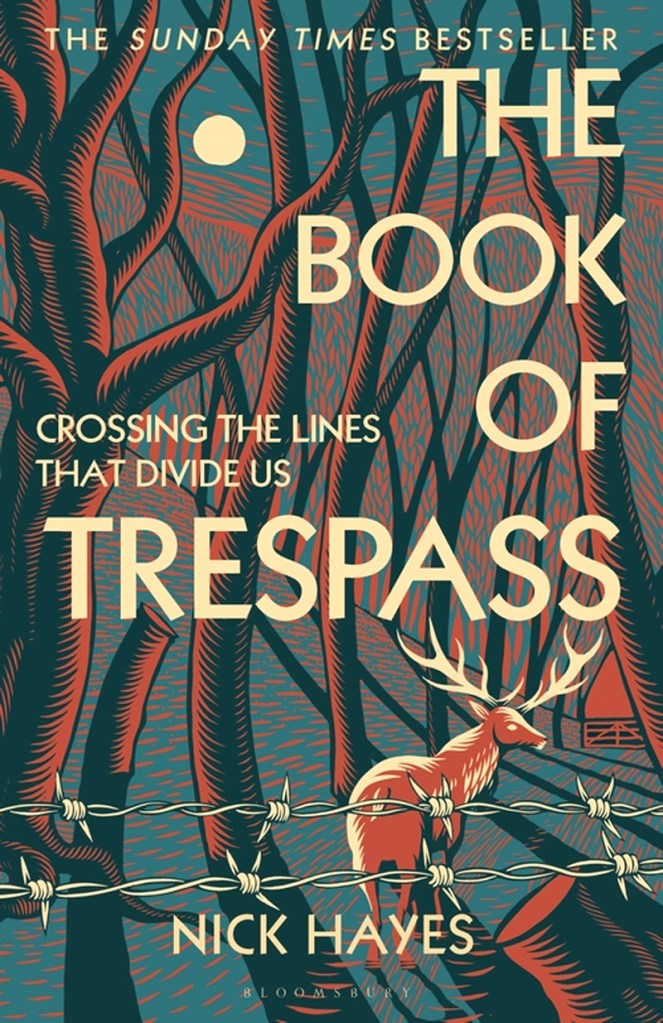
From England, I received the PLANTED newsletter, including an interview by Sam Peters with Nick Hayes on his book, The Book of Trespass. Hayes describes the lack of access to the English landscape, and makes comparisons to Scotland and Scandinavian countries. This also contrasts with the situation in Canada, and Nova Scotia in particular. Here, we have protesters in the courts for challenging the clearcutting of crown land in Digby County.

It seems such a long time ago. In 1964, after a summer working in Labrador, I returned to Montreal where I bought a Greyhound bus pass, $99 for 99 days of unlimited travel. This allowed me to travel down to Mexico, across to the west coast, California, before heading North to Victoria, BC. I caught the airplane home to England from Montreal. Later, I recall discussing the trip with a school friend, Roy Peters. He made a similar trip the following year. His son, Sam Peters is the Principal at PLANTED.

I also recall the days of hitch-hiking in the United Kingdom. We would take off on long weekends to go caving (spelunking). From the University of Birmingham, this included the Peak district, Derbyshire, the Mendips in the Southwest, and also Lisdoonvarna, on the west coast of Ireland. It’s hard to imagine this freedom, especially now in these COVID-19 days.


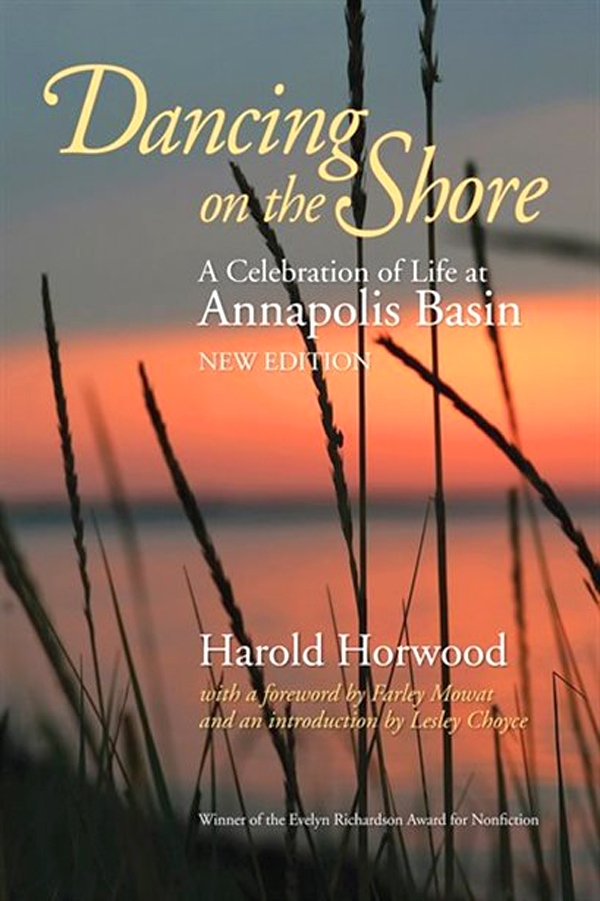
While in New Glasgow this week, I finished reading Harold Horwood’s Dancing on the Shore. It represents excellence in Canadian nature writing.

”The tides sweep over the clam flats in a great flood twice daily. The migrants sweep through the sky in great flocks twice a year. These vast rhythms, so visible in such a small space, seem very like the heartbeat and the breathing of a living planet.”

Postscript

Bloom where you are planted

— Raymond Hunter, an early organic farmer in the Annapolis Valley, cited on the Ironworks Hunter Brandy bottle.

Acknowledgements

Thanks to Roy Peters and Andrew Ronay for the connection to the Planted newsletter. Heather shared the drive to Antigonish. Edward for his graphics.

References

PLANTED unearthed. Series 2, Episode I interview by Sam Peters with Nick Hayes. YouTube video.

Nick Hayes, 2020, The Book of Trespass: crossing the lines that divide us, Bloomsbury Publishing.

Harold Horwood, 2010, Dancing on the Shore: A Celebration of Life at Annapolis Basin, Pottersfield Press

Posted in New thinking, Opinion

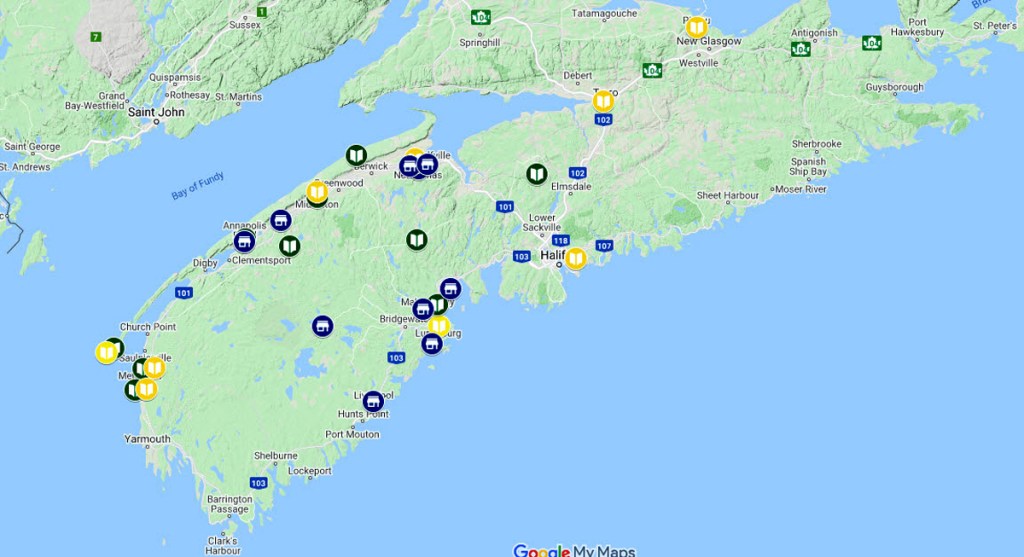
COGS Weather Network

This week, I had the opportunity to follow up with David Colville at COGS about his team’s work on the Applied Research Weather Network.

Image courtesy of David Colville

In particular, I was interested in the availability of the current and historic data from the weather stations. From my perspective, access to these records over the last ten to twenty years would be helpful, as the region seeks to address climate change.

COGS Applied Research Weather Network Map close-up

In the Register (January 28, 2021) an adhoc coalition is advocating the creation of a world class climate change and ecological research centre. The Annapolis Climate and Ecological Research Centre (ACERC) spokesperson is Peter Nicholson.

He is also Chair for the Canadian Institute for Climate Choices (CICC).

To my mind, these two initiatives beg the question : at what point does weather turn into climate? Will the data from the weather stations be analyzed in terms of climate change? Would historical data allow us to investigate whether we are seeing warmer drier Summers ? Are we seeing fewer, less severe Winter storms? What will be the impact on the hydrology of the Annapolis River system? What will be the impact on agricultural practices? Does the climate change impact our forests and their ecology?

There would appear to be considerable room for collaboration between the community interests and the educational centres in the region. This would include both the work on the weather network, as well as the work by Tim Webster’s team on sea level rise at AGRG in Middleton.

The availability of on-line ‘story-maps’ demonstrates the technology which now exists in support of this type of collaboration.

Later in the week, I visited Endless Shores Books in Bridgetown. In the spirit of ‘Reading where we Live’. (see The Bridgetown Reader, January 29, 2021). I noticed copies of Will Bird ‘This is Nova Scotia’ and Harold Horwood ‘Dancing on the Shore. A Celebration of Life at Annapolis Basin’ on the shelves.

At home, I checked out the new edition of Horwood’s book and came across the following quotations.

So the whole region from Digby to Belleisle enjoys a microclimate like that of regions some hundreds of miles to the south…. It is consequently, not only a good place for raising animals but also for gardening. Such vegetables as tomatoes, peppers and squash flourish mightily on the shores of the Annapolis Basin.” p.23.

Whoever first planted peach trees on these shores must have been amazed at their success. A few of us even grow melons besides our patches of corn, potatoes and peas.” p.24.

Harold Horwood wrote the book in Upper Clements, where he lived with his family.

Postscript

Friday was a beautiful cross country ski day. Along the Rifle Range road towards Trout Lake. Just animal tracks, and two sets of ski tracks.

Acknowledgements

I want to acknowledge both Ashley Thompson for the excellent content of the Annapolis Valley Register, and Lewis for the contribution of The Reader to our community. While I was employed at AGRG in Middleton, I always enjoyed the company of excellent researchers, technicians, support staff and students. Edward and Heather continue to be supportive today.

References

COGS Applied Research Weather Network.

Annapolis Valley Register. January 28, 2021. Land in Atlantic Canada is sinking.

The Reader, January 29, 2021, Reading Where We Live: This is Nova Scotia.

Harold Horwood, 2010, Dancing on the Shore. a Celebration of Life at Annapolis Basin, Pottersfield Press.

Will Bird. 1950. This is Nova Scotia.

Posted in Video Review

Arctic Dreams

Sandra Barry sent me the link to the latest issue of Orion magazine (January 21,2021). It contains two interesting items:

  1. Digital story map, The Place where you live.
  2. Video of a conversation between Robert MacFarlane and Barry Lopez at Powell’s Bookstore in Portland, Oregon in 2019. The topic was MacFarlane’s new book Underland. The video by David Lukas is forty eight minutes long.

I also received from Moose House Publications, the link to their new interactive map, Tour the World of Moose House.

Link to interactive map

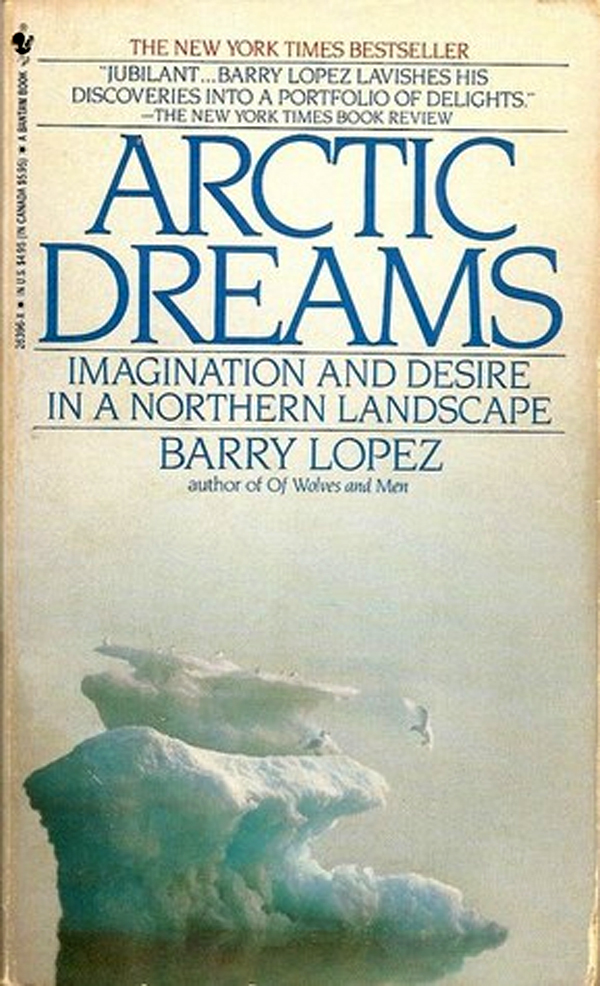
The interview by Barry Lopez encouraged me to pull off the shelf, Arctic Dreams. Imagination and Desire in a Northern Landscape, first published in 1986.

What impressed me about the conversation between two writers that I have enjoyed – was their emphasis on language, and it’s relationship to Geography.

It does not take much effort to transform ‘conversation’ to ‘conservation’.

Acknowledgements

Sandra Barry for the kindness of forwarding the link to Orion magazine. Moose House Publications for their story map. Edward and Heather continue their support.

References

Writers and Artists on the Influence of Barry Lopez, Orion Magazine, January 21,2021.

Barry Lopez, 1986, Arctic Dreams: Imagination and Desire in a Northern Landscape, Bantam Books

Moose House Publications, Tour the World of Moose House, January 25, 2021.

Posted in biographical sketch

Ikigai: a reason for being

This week, I listened to a Zoom presentation on Redefining Retirement by Joel Stoddart, Acadia Entrepreneurship Centre.

It was an overview of a set of three hour workshops to be offered in February. Afterwards I decided that I could pursue my retirement activities without the Zoom workshops. But I did learn about the Japanese concept of Ikigai, that means ‘ reason for being’.

Meanwhile, I dropped off a thumb drive to Integrity Printing in Bridgetown. It contains the text of my blogs for 2020. In total, one hundred and five. Some of which were contributed by Edward Wedler.

I wanted to ensure that all was not lost, if for some reason, we suffered an electronic meltdown. The year, 2020 constituted Volume 5. Volume 1 contains blogs for Go-Geomatics before 2017; Volume 2, 2017, Volume 3, 2018, and Volume 4, 2019.

Over a week ago, I was in the Odd Book store in Wolfville. When there, I often look for publications by Gaspereau Press. In the past, I have picked up the writing of Peter Sanger, Harry Thurston and Soren Bondrup-Nielsen. This time, no luck. Perhaps I was looking in the wrong part of the store.

Next time I am in Kentville, I should go to the source: 47, Church Avenue. Meanwhile from their online catalogue, I noted the following:

Harry Thurston 2020, Lost River: the Waters of Remembrance. A Memoir.
Aldo Leopold, 2020, Wherefore Wildlife Ecology? An Essay.
Wendell Berry, 2020, Notes: Unspecializing Poetry. An Essay.

This week saw the return of the Bridgetown Reader after their Christmas break. It includes updates on the relationship between the municipality and Gordonstoun, as well as a report on the Public Health Care Clinic in Middleton.

Health care in rural Nova Scotia remains a topic worthy of comment. For example, see Ralph Surette’s column in the weekend Chronicle Herald. ‘COVID crisis papers over Health bureaucracy fiasco“.

In conclusion, he quotes MacKenzie King in 1927:

‘Where there is little or no public opinion, there is likely to be bad government, which sooner or later becomes autocratic government’
‘Sounds like us’ !

(my exclamation mark) Right on, Ralph.

References

Ralph Surette, Chronicle Herald. January 23, 2021.

Postscript

Check out the latest from Emergence Magazine
Counter Mapping. Emergence Magazine. January 24, 2021.

Image taken by Andrew this weekend, up north.

Acknowledgements

Edward Wedler for his support and collaboration in this adventure. Heather for sharing the journey.

Posted in Book Review, Video Review

Life Ahead

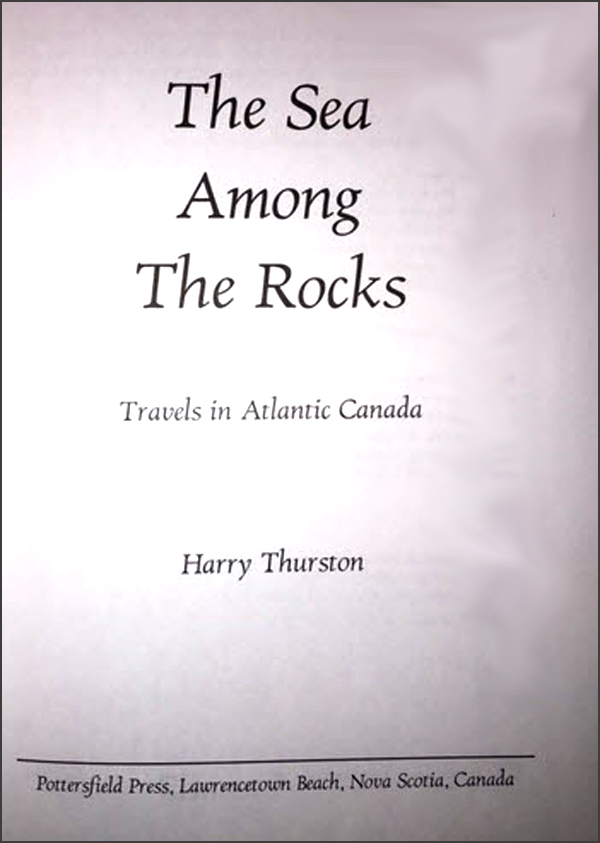
The Sea among the Rocks is a quotation from Evelyn Richardson, used as the title for Harry Thurston’s book of travels in Atlantic Canada.

“Though Morrill holds title to the Island of Bon Portage, who could sell or buy the sea among the rocks, the wind rippling the fields of grass, the moon’s lustrous path across the surging water, or the star-studded bowl of the night sky? They are without price, and priceless, and will be here for those who follow us. Then the work of our hands, those insignificant scratches on the face of the earth, may serve to remind others of our passing…”. p.255

I have just finished reading Thurston’s book. The writer has collected together a series of articles written between 1980-2000 in Atlantic Insight, Equinox, Harrowsmith and elsewhere. In all cases, they concern the use of the land and sea : farming, forestry, mining and fishing.

Examples include:

Prest’s Last Stand Mooseland, Nova Scotia
The Enemy Above Millstream, New Brunswick
The Fat of the Land Tatamagouche, Nova Scotia
North of Nain Cut Throat Island, Labrador

As we enter 2021, it would be worthwhile to revisit Murray Prest and the use of forests in Nova Scotia or the issue of aerial spraying (The Enemy Above).

Perhaps, is it time for Harry Thurston or the next generation of writers to document our relationship with the landscape; whether fishing, farming, forestry, mining in 2020?

This week, I received a notice from the province about an online survey to collect input directly from private woodland owners. www.novascotia.ca/woodland-owner-survey.

Postscript

My blog title, Life Ahead, is taken from the new Netflix movie starring Sophia Loren. Highly recommend.

Acknowledgements

John forwarded the link to woodland owner survey. Heather shared the movie night. Edward added his artistic touch.

References

Harry Thurston, 2002, The Sea among the Rocks, Pottersfield Press.
Where my roots go deep: the collected writing of Evelyn Richardson, 1996, Nimbus.
The Life Ahead, 2020, Netflix, starring Sophia Loren.

Posted in Book Review, Video Review

Redefining Retirement

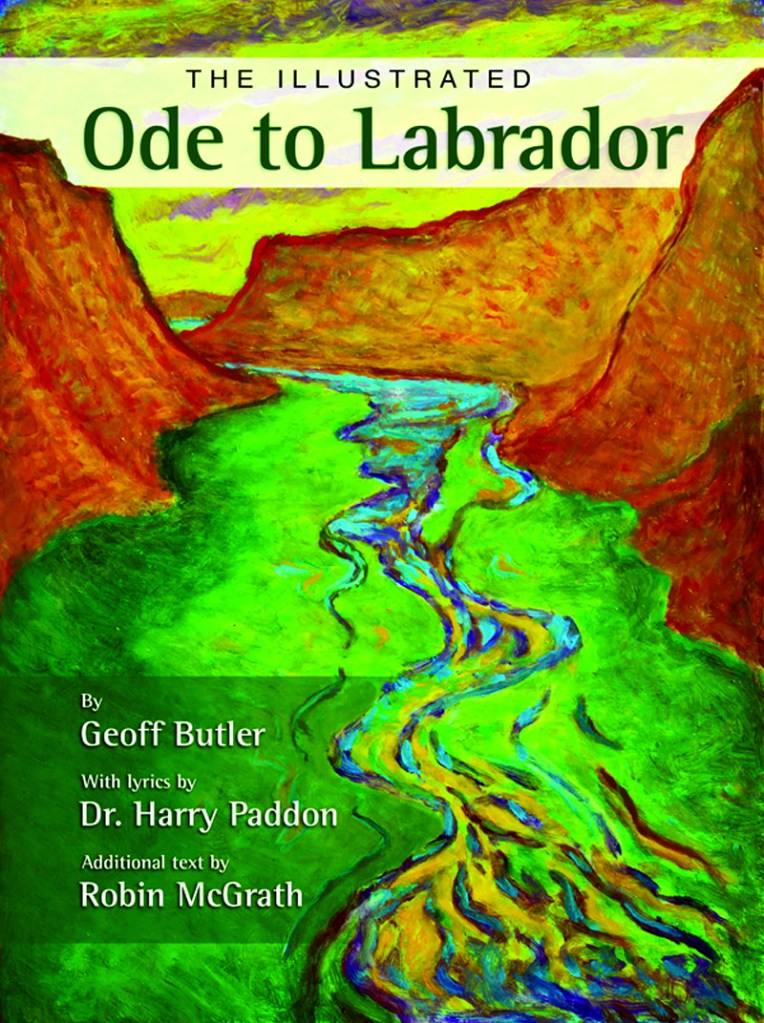
This weekend, we plan to send a care package to Iqaluit. It will include pairs of knitted socks, as well as a book illustrated by local artist, Geoff Butler “The Illustrated Ode to Labrador“.

The book was picked up months ago in Annapolis Royal. It tells the story of the Ode to Labrador. Besides the Art work, it contains lyrics by Harry Paddon and additional text by Robin McGrath.

I am sending it North for Andrew and the grandchildren to read. It brings back memories of my first field season in Labrador in 1964. I was based at the McGill Sub-Arctic Research Station in Schefferville, and developed a love for the Northern landscape.

Last Friday, we finished watching the BBC production of Victor Hugo, Les Miserables on Gem. While a gripping eight part series, it was hard to watch the turmoil of the French Revolution, as we endure the present COVID political uncertainties.

Same day, we had to pick up a book in Annapolis Royal. After enjoying the French Basin trail, dog walk with Siqsiq, we stopped for a morning coffee at Lola’s Café. This led to a brief stop at the Library. Here, I found an early Harry Thurston book (2002), “The Sea among the Rocks“. It is a collection of short pieces describing familiar places in Nova Scotia, Newfoundland and other parts of Atlantic Canada. In most cases, he writes from an environmental perspective.

‘Thurston writes passionately about the region’s bounty, the environmental destruction and the attempts to protect what’s left of our natural heritage. He shows how these concerns for the environment are inseparable from the spheres of community and culture’.

On returning home, I found an email from the Retired Teachers Organization (RTO) on a five part workshop, facilitated by the Acadia Entrepreneurship Centre. These online sessions address the topic of ‘redefining retirement’.

My questions are simple.

‘What can I do in 2021, to guarantee that there will be a Centre of Geographic Sciences in Lawrencetown for my grandchildren, should they decide to follow my career path — that means, the opportunity to study Cartography, Geographic Information Science, Remote Sensing and Surveying, ten years from now?

Retirement from an educational institution does not mean retirement from one’s life time academic and research interests. Most post-secondary institutions understand this point. How about the Nova Scotia Community College?

Postscript

We publish rural Nova Scotia. Check out Moose House Publications founded by Brenda Thompson in 2019. www.moosehousepress.com

Acknowledgements

Both Edward and Heather share many of the same interests. Friday evening, we had an excellent supper at The Station with Anne, Bill and Roger. Earlier, John shared his thoughts on the ‘state of the environment’.

References

Geoff Butler, 2016, The Illustrated Ode to Labrador, Breakwater Books.

Harry Thurston, 2002, The Sea among the Rocks: Travels in Atlantic Canada, Pottersfield Press.

Posted in Photo Essay

Changing Rural Communities: Lawrencetown

As we begin 2021, it seems timely to document some of the changes in the village of Lawrencetown.

On the positive side, signage for the new Lawrencetown Community Health Centre and Pharmacy  have been installed this week. At the Nova Scotia Community College (COGS) they have installed a field of solar panels and are completing a new residential training wing.

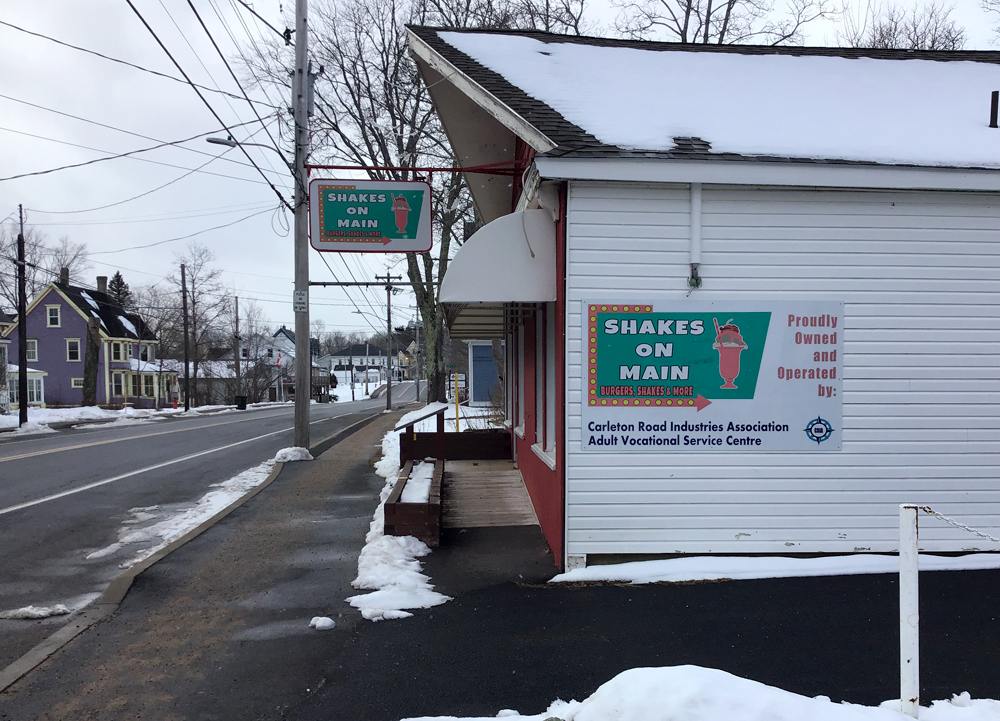
On the “negative” side, we see FOR SALE signs at the BeaverCreek Winery and the Winemakers Tavern. Plus Shakes on Main remains closed because of COVID.

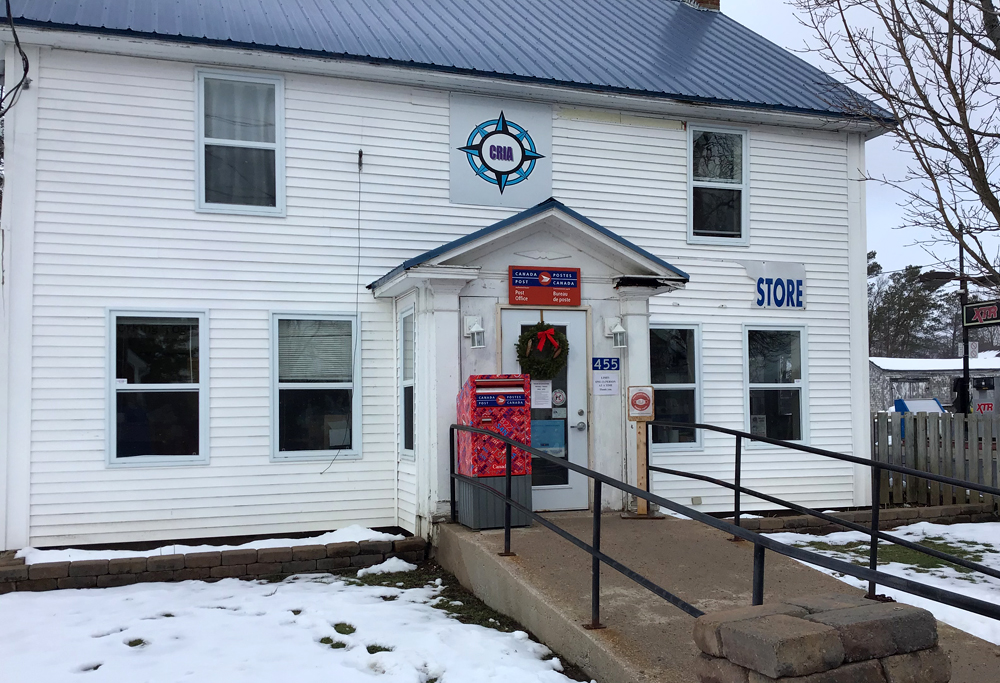
The Thrift Store, the post office, gas station, and recycling centre all operate under the management of Carleton Road Industries Association (CRIA). On Carleton Road (Hwy #201) Lunn’s Mill Beer Company is open for retail. Before Christmas, this consortium purchased the End of the Line Pub in Bridgetown (now called The Station) serving food, beer and entertainment.

What are the lessons?

Small rural communities in Nova Scotia can reinvent themselves, even in the most difficult of times.

We look forward to more detailed plans.

a) how the Health Centre will help address the shortfall of family physicians in this part of Annapolis County?

b) what will be the impact of the residential training centre at COGS on the surrounding community?

c) will the new solar field at COGS help move the province towards greater use of alternative energy?

Acknowledgements

Thank you to Edward for organizing the photographs and for the Zoom coaching.

Posted in Article Review, Nature

Solace and Druids

After the events of this week, it was a pleasure to receive the link to Orion Magazine from Sandra Barry. The issue included a number of tributes honouring the life of Barry Lopez;
in particular, those by John Luther Adams, Margaret Atwood and David Quammen.

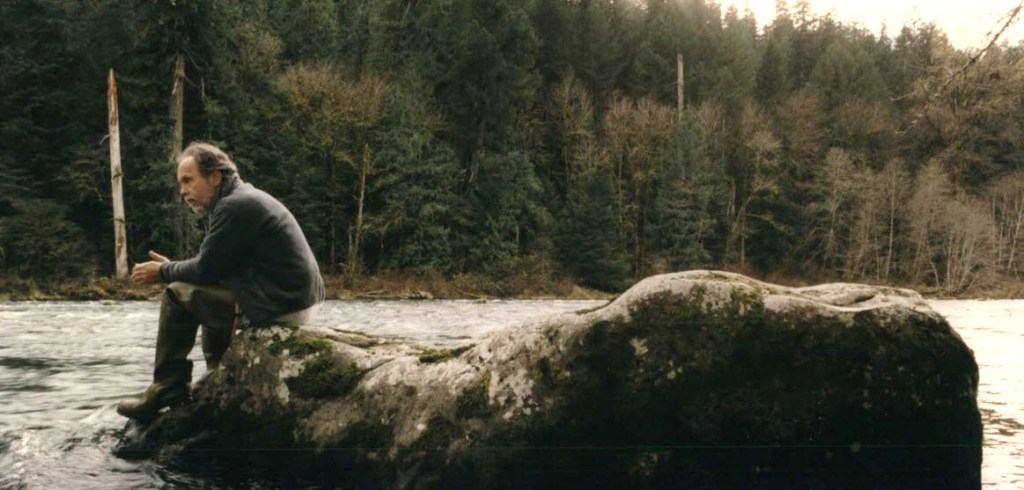
Photo: Barry Lopez on the McKenzie River, 1997 (Robert Kaiser) Oregonian/OregonLive

It brought back memories of driving the Alaska Highway to Homer from the Canadian Rockies in 1970. Over fifty years ago.

That, in turn, reminded me of time in California at Esri in Redlands. The creative contribution of a team of Americans to the technology of Geographic Information Systems (GIS). That would be in the 1980’s. We will need the contributions of all these creative individuals, as we attempt to address the global environmental challenges.

To complement these tributes, I happened to read the essay by Lucy Jones, The Druid Renaissance in this week’s issue of Emergence Magazine.

Photo by Rhonda Lashley Lopez

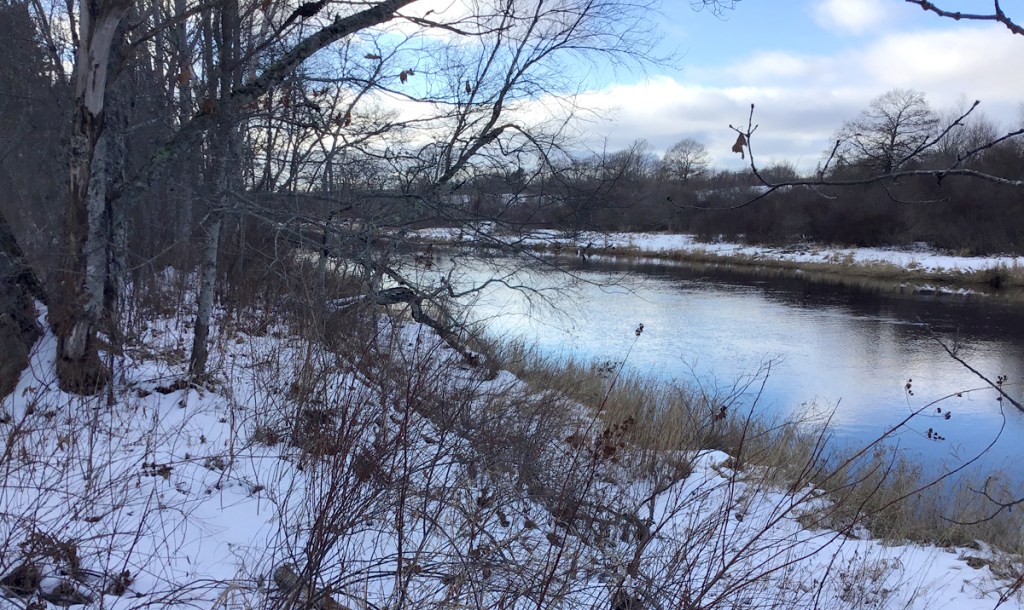
At the end of the afternoon (Sunday), there was still sufficient light to cross-country ski, down through the woods, to the Annapolis River.

Acknowledgements

To Sandra Barry for forwarding the link to the latest issue of Orion magazine. Heather shared the cross-country ski explorations. Edward put together the graphics and links.

References

Orion Magazine, January 8, 2021, Authors and Artists on the Life of Barry Lopez.

Emergence Magazine, January 10, 2021, Lucy Jones. The Druid Renaissance.

Posted in biographical sketch

Deadly Things

With the bird feeder in the backyard we attract flocks of mourning doves. Last week, we found feathers and blood on the snow. Obviously, the predators find opportunity too.

This morning (Thursday) we watched, online, the funeral service for my sister, Maureen. She passed away on December 12th. from complications associated with COVID in the UK. She had been in a long-term care facility in Sandhurst, Berkshire. The technology performed flawlessly.

(This photo of Maureen was taken when she was in her youth. See Postcard to Maureen.)

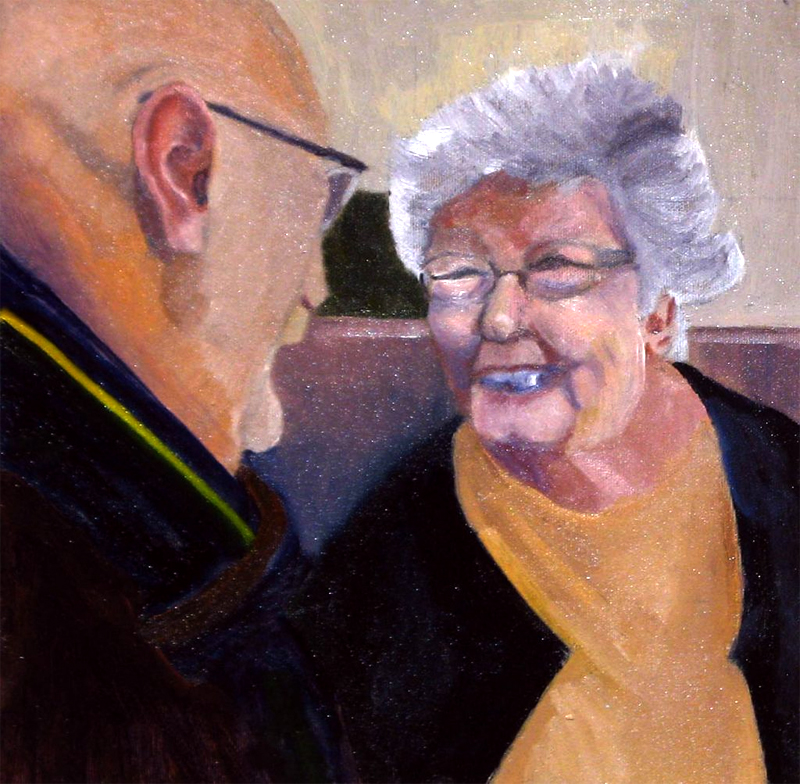
Recent image of Maureen, as painted by my artistic brother Peter Maher

Meanwhile, south of the border, we have insurrection, generated by Donald Trump. What difficult times.

Acknowledgements

Thank you to the care givers at Arch House. Heather and family for sharing these moments. Edward for his support.