Posted in Book Review

Leaves of Grass

At the Inside Story, I chanced to find a copy of Walt Whitman’s book, Leaves of Grass. The First (1855) Edition.

It includes a lengthy editors introduction by Malcolm Cowley – 37 pages, followed by Whitman’s Introduction 19 pages. This is followed by twelve poems – 120 pages. To date, I am part way through the first poem. This is not easy reading..

Meanwhile, I continue to receive Brain Pickings, twice per week..

”Walt Whitman, felled by a paralytic stroke, he considered what makes life worth living and instructed himself: ”Tone your wants and tastes down enough, and make much of negatives, and more daylight and the skies””.

“He spared himself the additional self-inflicted suffering of outrage at how his body failed him – perhaps because, having proclaimed himself the poet of the Body and the poet of the Soul, he understood the two to be one. He squandered no emotional energy on the expectation that his suddenly disabled body perform a counter possible feat against reality to let him enjoy his beloved tree workouts and daily excursions to the river. He simply edited his expectations to accord with his new reality and sought to find joy there, within these new parameters of being.”

In the same Brain Pickings, there is a link to John Burroughs book ‘Whitman: A Study’.

Meanwhile, from Emergence Magazine, Kathleen Dean Moore Listen : four love songs. Regent Honeyeaters, Western Meadowlank, Brown-headed Cowbird and Red- winged Blackbird.


(photo by Kathrin Swoboda)

When we listen, we open ourselves to new, joyous relationships with species other than our own.


On our way to New Glasgow, we stopped at West Brooklyn to pick up the newly bound books by Legge Conservation Services (see earlier blog post HERE). They now have a new lease on life.

Acknowledgements

Edward added the links and graphics. Heather and Siqsiq travelled the backroads of Nova Scotia with me.

Postscript

Forests are not renewable’: the felling of Sweden’s ancient trees | Environment | The Guardian

References

Walt Whitman, 1986, Leaves of Grass, The First (1855) Edition, Penguin Classics

Brain Pickings. April 18th,2021. The Stoic remedy for when people let you down.

Emergence Magazine. April 18th,2021, Celebrating Earth Week.

Posted in Book Review

Buckler and Berry

This week , I needed to find some ‘light reading’. I packed up a box of books to take to the Endless Shores bookstore in Bridgetown. They will give me credit towards any book that I might purchase.

When I was last in Bridgetown library they had a display copy of “Nova Scotia: Window on the Sea”. However, it could not be taken out of the library. I found a copy at Endless Shores. It was written in 1973. Buckler wrote the text to accompany the photographs by Hans Weber (see fiftieth anniversary note HERE).

Would the writing continue the style from Ox Bells and Fireflies 1968? Included are five essays: Amethysts and Dragonflies, Mast and Anchors, Man and Snowman, Faces and Universes, Counterfeit and Coin (see posts, Chance Encounters and Pastoral Economy).

In Buckler’s words, “Nova Scotia is nearly an island, nearly the last place left where place and people are not thinned or adulterated with graftings that grow across the grain.” p.12 or

It’s mountains take on no Cabot lordliness. They chat like uncles with their nephew valleys.”p.12.

Nova Scotia is the face from Genesis and the face from Ruth. The face from Greco and the face from Rubens. The life of Faulkner and the life from Hardy…..It is a dictionary where the seasons look up their own meanings and test them. It is a sea-son where men can man their own helms.” p.16

After finding Buckler, I went on a search for George Orwell (Eric Blair). I found “Animal Farm” but was not ready to read it. Instead I chanced on Wendell Berry, “Home Economics: fourteen essays“. The last essay is titled “Does Community have a Value?” It describes farming in the hilly country near Port Royal (Kentucky) in 1938.

The local community must understand itself finally as a community of interest — a common dependence on a common life and a common ground. And because, a community is, by definition, placed, its success cannot be divided from the success of its place, its natural setting and surroundings : its soils, forests, grasslands, plants and animals, water, light and air. The two economies, the natural and the human, support each other; each is the other’s hope of a durable and a livable life.” p.192.

I think the same is true for Nova Scotia.

Acknowledgements

Jennifer Crouse, owner of the Endless Shores Books and other Treasures. Edward added the graphics. Heather shared our weekend reading of Voice of the People, Chronicle Herald March 27 D4. Are we ‘tree-huggers’ or’sub-hillbillies’ ?

References

Ernest Buckler and Hans Weber, 1973, Nova Scotia: Window on the Sea, McClelland and Stewart Ltd.

Wendell Berry, 1987, Home Economics: Fourteen essays by Wendell Berry, North point Press.

Postscript

I wanted to title the blog ‘Buckler and Blair’ to correspond with the Ernest Blair Experiment but had to settle for Buckler and Berry.

Posted in biographical sketch, Book Review

Happenstance

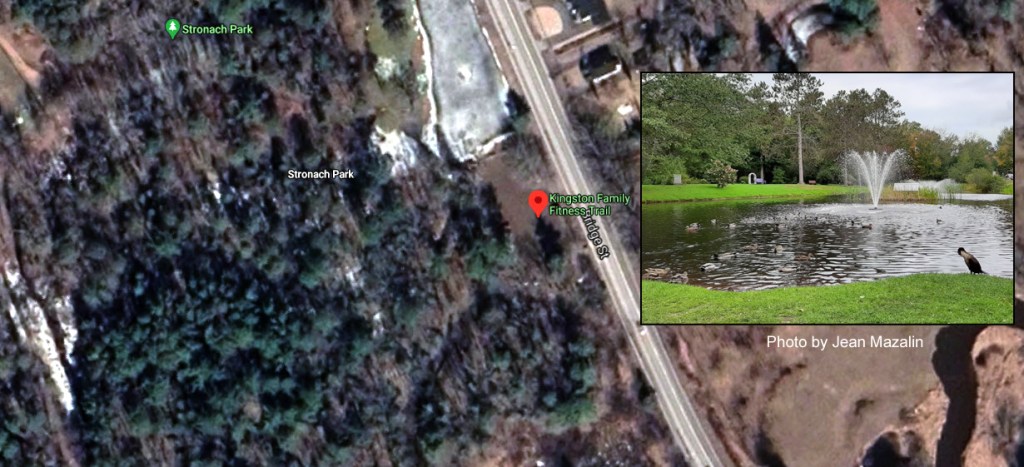
Siqsiq enjoys walking the trails in the Village of Kingston park. For her it is the chance to savour the scent trails, not found at home on the property in Paradise.

We added some extra dimensions to the trip. Rather than taking the direct route along Highway #1 or #201, we explored the country roads, along the edge of South Mountain from Nictaux Falls to Torbrook, Tremont to Greenwood.(page 55-56,Nova Scotia Atlas). This route offers spectacular views across the Valley to see the forest cover on North Mountain.

In Greenwood, we stopped at the Inside Story. On the newspaper rack, I spied A Plague Year Reader. It was free ‘Being a sampler of books issued by Gaspereau Press in the complicated year 2020’. The catalogue, of course, was beautiful in its black cover design.

For each publication, it includes the object, synopsis, about the author, Q & A with the author. The section headings are poetry, prose and limited editions. Within prose, I gravitated to Lost River: the Waters of Remembrance by Harry Thurston and Maud Lewis: creating an icon by Ray Cronin. Under limited editions, Wendell Berry. Notes: unspecializing poetry and Aldo Leopold Wherefore Wildlife Ecology ?

There was also time to purchase a book: Oliver Sacks’ Everything in its place, published in 2019. Sacks died in 2015.

So far, I have enjoyed ‘Remembering South Kensington’. I remember, too, the museums of South Kensington, especially the Natural History and Science museums. The result of a childhood, living in West London.

On the back cover, Maria Popova, Brain Pickings comments:

Everything in its place is a wondrous read in its entirety, irradiating Sack’s kaleidoscopic curiosity across subjects”.

I look forward to reading the remainder of Sack’s collection.

Check out, Brain Pickings, March 14, 2021 Wendell Berry’s poem, written in 1968, The Peace of Wild Things.

Postscript

With the occasional Spring day, we have been able to get into the orchard for the annual pruning. A delight !

Addendum
This is for Rocky Hebb

Let us read Nova Scotia Premier Iain Rankin‘s, Rethinking our health and wealth. Chronicle Herald D3, updated March 13th.

We will be asking whether existing programs are affordable, but more importantly asking whether they enhance our lives and livelihoods, and whether they sustain or harm the environment.”

Well, Mr Rankin, we will be watching closely how your actions sustain the environment. We have not been too impressed by your actions, when you had direct responsibility for this portfolio, under former Premier, Stephen McNeil. Specifically, the question of spraying and clearcutting of the forested landscape.

Acknowledgements

Heather and Siqsiq shared the walk and drive. Staff at Gaspereau Press and the Inside Story for their service to the community.

References

Andrew Steeves, 2021, A Plague Year Reader, Gaspereau Press.

Oliver Sacks, 2019, Everything in its place: first loves and last tales, Vintage Canada.

Maria Popova, Brain Pickings, March 14, 2021.

Iain Rankin, Rethinking our health and wealth. Chronicle Herald, updated March 13, 2021, page D3.

Posted in Book Review, Opinion

Lost Words

In 2007, the Oxford Junior Dictionary dropped forty common words concerning nature. In 2018, Robert MacFarlane and Jackie Morris co-authored, The Lost Words, “ a spell book that conjures back twenty of these lost words and the beings they name from acorn to wren”.

In 2020, MacFarlane and Morris published The Lost Spells. Last weekend, I found a copy at the Mad Hatter bookstore in Annapolis Royal.

To enchant means both to make magic and to sing out. So let these spells ring far and wide; speak their words and seek their art, let the wild world into your eyes, your voice, your heart

It starts with Red Fox and ends with Silver Birch, a lullaby. At the end is a glossary of sixty-four species.

Seek each flower and insect in these pages, speak each creature, find each tree. Then take this book to wood and river, coast and forest, park and garden; use it there to look, to name, to see.”

The book is a beautiful combination of language and art. It is designed to be read aloud. It includes a glossary and quiz — to find these species in nature.

Could we apply the same approach to ‘our nature’?

Last weekend, Peter Nicholson and Jeff Larsen published an opinion piece in the Chronicle Herald (D4) entitled “Welcome to InnovScotia — Six Ways to Build Back Better Post-pandemic“. While I can agree with their six strategies, my focus would be to promote ‘local-hood’. For example, can we develop a new language/art of landscape in Nova Scotia? How would we begin?

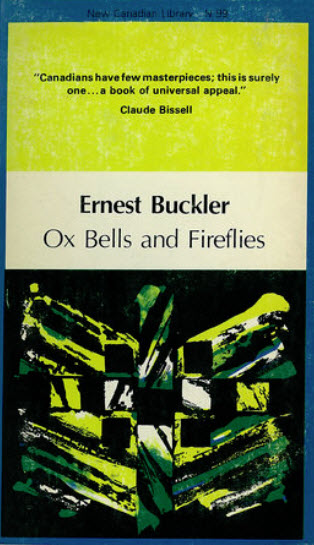
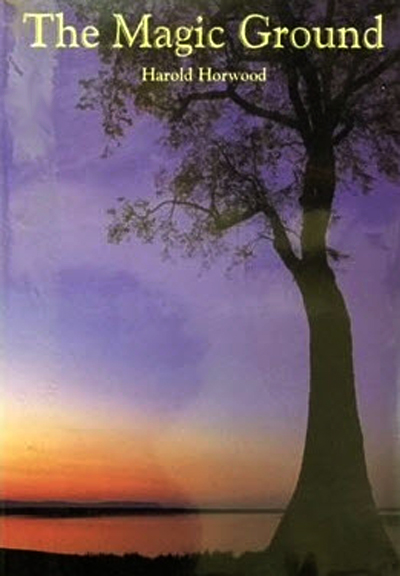
My suggestion, re-read Ernest Buckler’s Ox Bells and Fireflies in combination with Harold Horwood’s ‘The Magic Ground’.

Peter Nicholson uses the term ‘InNova- Scotia’. My approach would redefine the term to ‘In Nova Scotia’, with the emphasis on the geography. Consult with our leading ‘nature writers’ e.g Harry Thurston and others. Study the relationship between language (MacFarlane) and art (Morris), then apply to the present landscape.

As I mentioned to Edward, what we need is ‘the Inside Story’. This is a bit of a joke, since Edward and Anne used to run the bookstore, The Inside Story in Greenwood.

Postscript

Frank Fox sent me a link from the Guardian. That land has more value if left to Nature than if farmed. Interesting economics.

Photograph: Stephen Fleming/Alamy in The Guardian

Acknowledgements

Edward brings his artist mind to every blog. Rocky Hebb challenged me on the blog format. Heather and Siqsiq share our walks in Nature.

References

Robert MacFarlane and Jackie Morris, 2018, The Lost Words, Anansi Press.

Robert MacFarlane and Jackie Morris, 2020, The Lost Spells, Anansi Press.

Peter Nicholson and Jeff Larsen, 2021, Welcome to InnovaScotia — Six Ways to Build Back Better Post-pandemic, Chronicle Herald March 6. Page D4.

Ernest Buckler, 1968, Ox Bells and Fireflies, McClelland and Stewart, New Canadian Library, N99.

Harold Horwood, 1996, The Magic Ground, Nimbus Publishing.

Posted in Book Review

The Magic Ground

Last weekend we were at the New Glasgow library. I was looking for a specific Harry Thurston book for Heather’s Dad. While there, I discovered The Magic Ground, written by Harold Horwood. It includes an essay ‘In Defence of Hobby Farms’. The following paragraph on p.54 caught my attention.

“That is one of the reasons why I live on the shores of the Annapolis Basin, why I spend so much time in a woodlot and an orchard and among flower borders, why I choose to work here, surrounded by life triumphant, instead of in a great city, where death seems likely to succeed. Here I can hope that my work will inspire people, fill them with confidence, help them to love the world rather than dread its terrors.”

Subsequent research online, unearthed M.A. thesis by Rochelle Mary Spracklin at Memorial University, “Didacticism in the Fictional Work of Harold Horwood’, 1990.

Also referenced was a book of poetry, published by Gaspereau Press, Cycle of the Sun: A lament for northern Labrador. In Horwood’s own words, “the poet, Harry Thurston was in the audience and came to me and asked to be allowed to submit the poem to his publisher, Gaspereau Press”.

I will enjoy the remaining essays in the Magic Ground, while I wait to see if I can obtain a copy of Cycle of the Sun, through Jaki at the Lawrencetown library.

Acknowledgements

Jaki Fraser at the Lawrencetown library. Edward for his additions. Heather for sharing the drive to New Glasgow.

References

Harold Horwood, 1996, The Magic Ground, Nimbus Publishing.

Rochelle Mary Spracklin, Didacticism in the Fictional Works of Harold Horwood, M.A. thesis 1990, research.library.mun.ca

Harold Horwood, 2003, Cycle of the Sun, Gaspereau Press

Harold Horwood at encyclopedia.com

Posted in Book Review

Whole Earth

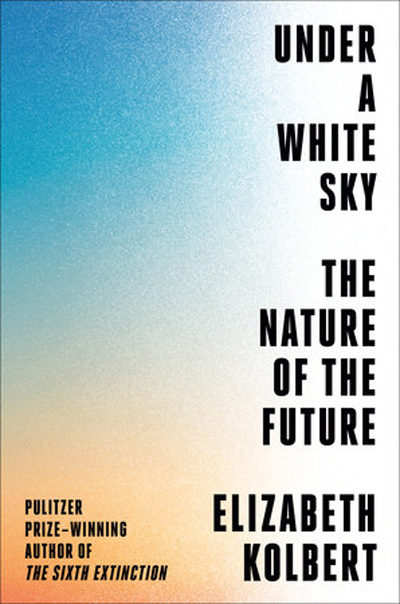
This week, I received a parcel in the mail from Amazon. It contained a book and a game, from Patrick and family, for my birthday. The book was Under a White Sky: the Nature of the Future by Elizabeth Kolbert. The game was Exit the Game. Dead Man on the Orient Express. (Have not checked out the game, yet)

Kolbert won the Pulitzer Prize for her previous book, The Sixth Extinction. She is a staff writer at the New Yorker. Heather had read the Sixth Extinction, and enjoyed it. “In The Sixth Extinction, Kolbert explored the ways in which our capacity for destruction has reshaped the natural world”. Patrick selected the book because he had not seen any blog references.

Kolbert divides her current book into three sections: Down the River; Into the Wild; Up in the Air. Down the River describes the diversion of the Chicago River, the invasive carp species, and the changes in the Mississippi’s hydrology. Into the Wild includes chapters on the endangered Pupfish in Death Valley, the global threats to the coral reefs, and invasive cane toads in Australia. The final section, Up in the Air, includes a chapter on climate change and the Greenland ice sheet.

In the words of the author:
“This has been a book about people trying to solve problems created by people trying to solve problems.”

My response to Kolbert’s book was to head back to my bookcase. Did not Stewart Brand talk about similar issues in Whole Earth Discipline: an Ecopragmatist Manifesto in 2009 ? On the same shelf, I noticed John Ralston Saul’s The Unconscious Civilization. Where does that fit ?

Another perspective can be found in the current Brain Pickings, February 21st. There, you will find reference to the writing of William Vogt, Road to Survival.

Postscript

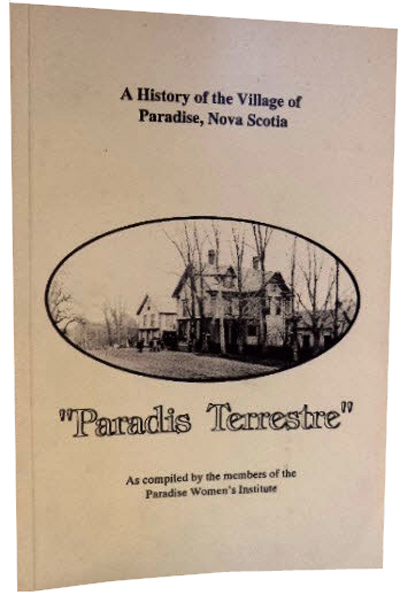
Friday morning, we dropped into the Bridgetown Library. I picked up a copy of Paradis Terrestre. It is a history of the village of Paradise, Nova Scotia compiled by members of the Paradise Women’s Institute. I was interested in Chapter 13, Micmac Memories. At the entrance to the Library, I noted a collection of books by, and about Ernest Buckler. Must check out, next time.

Today (Sunday) we skied the Rifle Range Road. It was hard going. Now, that the surrounding trees have been clear-cut, the trail is more exposed to the sunlight. This makes for heavier snow, especially in the late afternoon.

By the way, Edward and I share the same birthday, 14th February.

Acknowledgements

Patrick for the birthday gift. Edward for his artistic support. Heather for sharing the reading and the skiing.

References

Elizabeth Kolbert, 2021, Under a White Sky: the Nature of the Future, Penguin Random House

Stewart Brand, 2009, Whole Earth Discipline: an Ecopragmatist Manifesto, Viking (Penguin Random House).

John Ralston Saul, 1995, The Unconscious Civilization, House of Anansi.

Paradis Terrestre: a History of the Village of Paradise, Nova Scotia. Compiled by members of the Paradise Women’s Institute.

Brain Pickings February 21, 2021, Road to Survival.

Posted in Book Review, Video Review

Life Ahead

The Sea among the Rocks is a quotation from Evelyn Richardson, used as the title for Harry Thurston’s book of travels in Atlantic Canada.

“Though Morrill holds title to the Island of Bon Portage, who could sell or buy the sea among the rocks, the wind rippling the fields of grass, the moon’s lustrous path across the surging water, or the star-studded bowl of the night sky? They are without price, and priceless, and will be here for those who follow us. Then the work of our hands, those insignificant scratches on the face of the earth, may serve to remind others of our passing…”. p.255

I have just finished reading Thurston’s book. The writer has collected together a series of articles written between 1980-2000 in Atlantic Insight, Equinox, Harrowsmith and elsewhere. In all cases, they concern the use of the land and sea : farming, forestry, mining and fishing.

Examples include:

Prest’s Last Stand Mooseland, Nova Scotia
The Enemy Above Millstream, New Brunswick
The Fat of the Land Tatamagouche, Nova Scotia
North of Nain Cut Throat Island, Labrador

As we enter 2021, it would be worthwhile to revisit Murray Prest and the use of forests in Nova Scotia or the issue of aerial spraying (The Enemy Above).

Perhaps, is it time for Harry Thurston or the next generation of writers to document our relationship with the landscape; whether fishing, farming, forestry, mining in 2020?

This week, I received a notice from the province about an online survey to collect input directly from private woodland owners. www.novascotia.ca/woodland-owner-survey.

Postscript

My blog title, Life Ahead, is taken from the new Netflix movie starring Sophia Loren. Highly recommend.

Acknowledgements

John forwarded the link to woodland owner survey. Heather shared the movie night. Edward added his artistic touch.

References

Harry Thurston, 2002, The Sea among the Rocks, Pottersfield Press.
Where my roots go deep: the collected writing of Evelyn Richardson, 1996, Nimbus.
The Life Ahead, 2020, Netflix, starring Sophia Loren.

Posted in Book Review, Video Review

Redefining Retirement

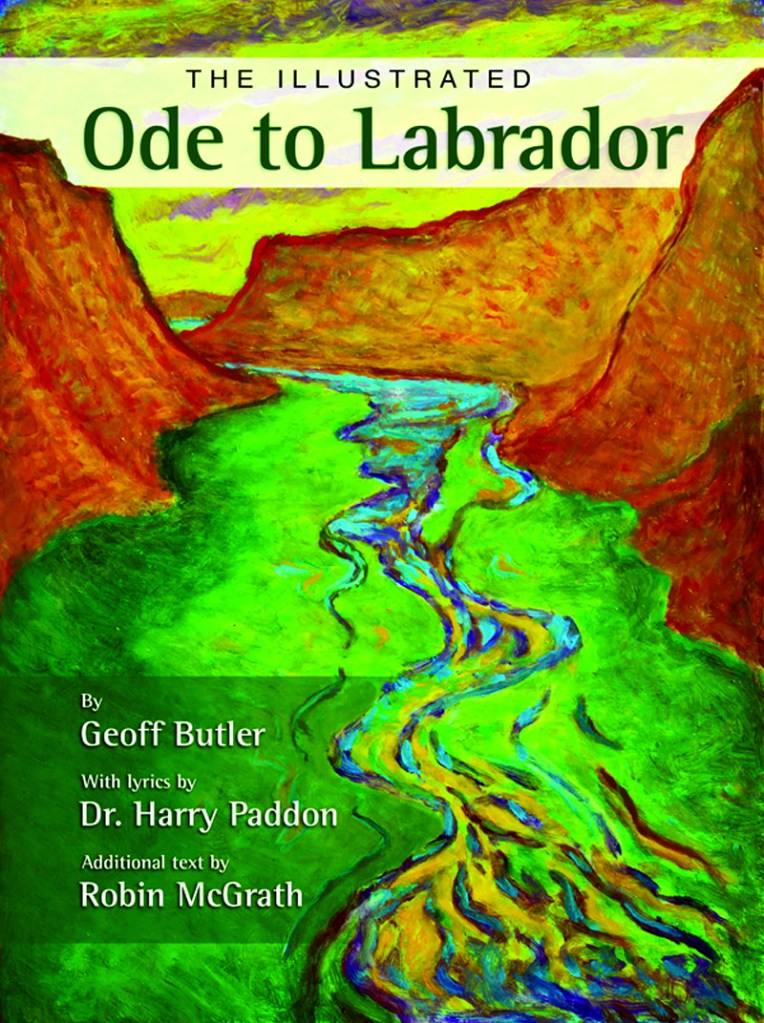
This weekend, we plan to send a care package to Iqaluit. It will include pairs of knitted socks, as well as a book illustrated by local artist, Geoff Butler “The Illustrated Ode to Labrador“.

The book was picked up months ago in Annapolis Royal. It tells the story of the Ode to Labrador. Besides the Art work, it contains lyrics by Harry Paddon and additional text by Robin McGrath.

I am sending it North for Andrew and the grandchildren to read. It brings back memories of my first field season in Labrador in 1964. I was based at the McGill Sub-Arctic Research Station in Schefferville, and developed a love for the Northern landscape.

Last Friday, we finished watching the BBC production of Victor Hugo, Les Miserables on Gem. While a gripping eight part series, it was hard to watch the turmoil of the French Revolution, as we endure the present COVID political uncertainties.

Same day, we had to pick up a book in Annapolis Royal. After enjoying the French Basin trail, dog walk with Siqsiq, we stopped for a morning coffee at Lola’s Café. This led to a brief stop at the Library. Here, I found an early Harry Thurston book (2002), “The Sea among the Rocks“. It is a collection of short pieces describing familiar places in Nova Scotia, Newfoundland and other parts of Atlantic Canada. In most cases, he writes from an environmental perspective.

‘Thurston writes passionately about the region’s bounty, the environmental destruction and the attempts to protect what’s left of our natural heritage. He shows how these concerns for the environment are inseparable from the spheres of community and culture’.

On returning home, I found an email from the Retired Teachers Organization (RTO) on a five part workshop, facilitated by the Acadia Entrepreneurship Centre. These online sessions address the topic of ‘redefining retirement’.

My questions are simple.

‘What can I do in 2021, to guarantee that there will be a Centre of Geographic Sciences in Lawrencetown for my grandchildren, should they decide to follow my career path — that means, the opportunity to study Cartography, Geographic Information Science, Remote Sensing and Surveying, ten years from now?

Retirement from an educational institution does not mean retirement from one’s life time academic and research interests. Most post-secondary institutions understand this point. How about the Nova Scotia Community College?

Postscript

We publish rural Nova Scotia. Check out Moose House Publications founded by Brenda Thompson in 2019. www.moosehousepress.com

Acknowledgements

Both Edward and Heather share many of the same interests. Friday evening, we had an excellent supper at The Station with Anne, Bill and Roger. Earlier, John shared his thoughts on the ‘state of the environment’.

References

Geoff Butler, 2016, The Illustrated Ode to Labrador, Breakwater Books.

Harry Thurston, 2002, The Sea among the Rocks: Travels in Atlantic Canada, Pottersfield Press.

Posted in Book Review, Video Review

Borealis and Back to the Land

After weeks of Netflix and CBC Gem, it was refreshing to rediscover National Film Board (NFB) documentaries. For those seeking to change society’s perception of our forests, I would recommend the film, Borealis.

It describes the intrinsic values of the Boreal forest, especially in these times of climate change. Made me wonder whether there should be a similar film made on the Acadian forest.

For dessert, we watched the NFB (1992) documentary on The Northern Lights.

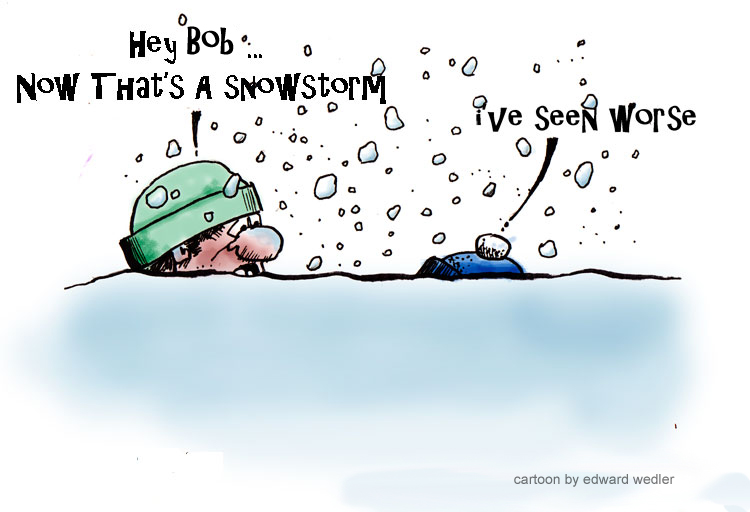
This has been a particularly long weekend. I just hope the snow stays around for a cross-country ski tomorrow (Sunday).

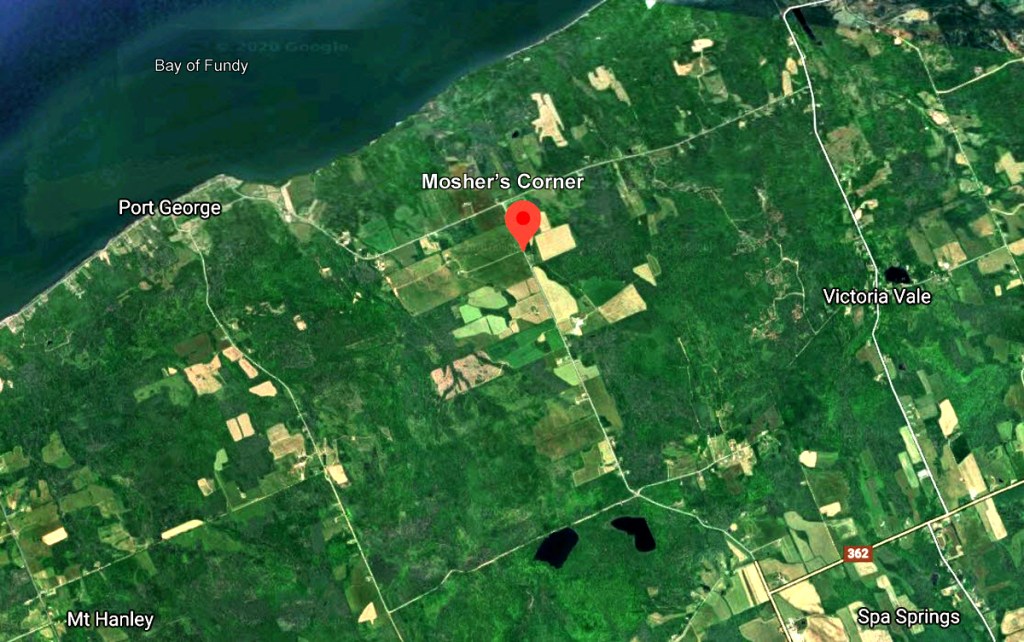
Over the Christmas holiday, I had the chance to read Paul Colville’s memoir, “Back to the Land”. It was an early draft that describes the journey of Paul and Ruth from the United States to Mosher’s Corner on North Mountain, and life thereafter.

Google satellite View around Mosher’s Corner, Nova Scotia

Each chapter looks at a decade of living, as part of the rural economy in Nova Scotia. It is planned for publication in 2021 (publisher to be determined). I look forward to the final version. No pressure, Paul.

Time to shovel the snow, and put on the skis.

Postscript

Just back from skiing. For the local reader, we parked at Lunn’s Mill. Skied through the Lawrencetown tree nursery to the Annapolis River. Along the river to Andrew’s property and up to our house. Turn round, and reverse the trip to Lunn’s Mill. Wish they were open on a Sunday, could do with a beer. Oh well, we have a growler of Brickyard Red at home.

Acknowledgements

Paul Colville, for the good times that go back to the Chimney Sweeping days. Heather for sharing the journey. Edward for his editorial insights.

References

National Film Board (NFB), 2020, Kevin McMahon, Borealis.
Explore how the plants and animals of Canada’s Boreal forest communicate and survive in this unique cinematic documentary’.

National Film Board (NFB), 1992, Alan Booth, The Northern Lights

Paul Colville, 2021, Back to the Land. Publisher, TBD.

Posted in Book Review

Christmas Books

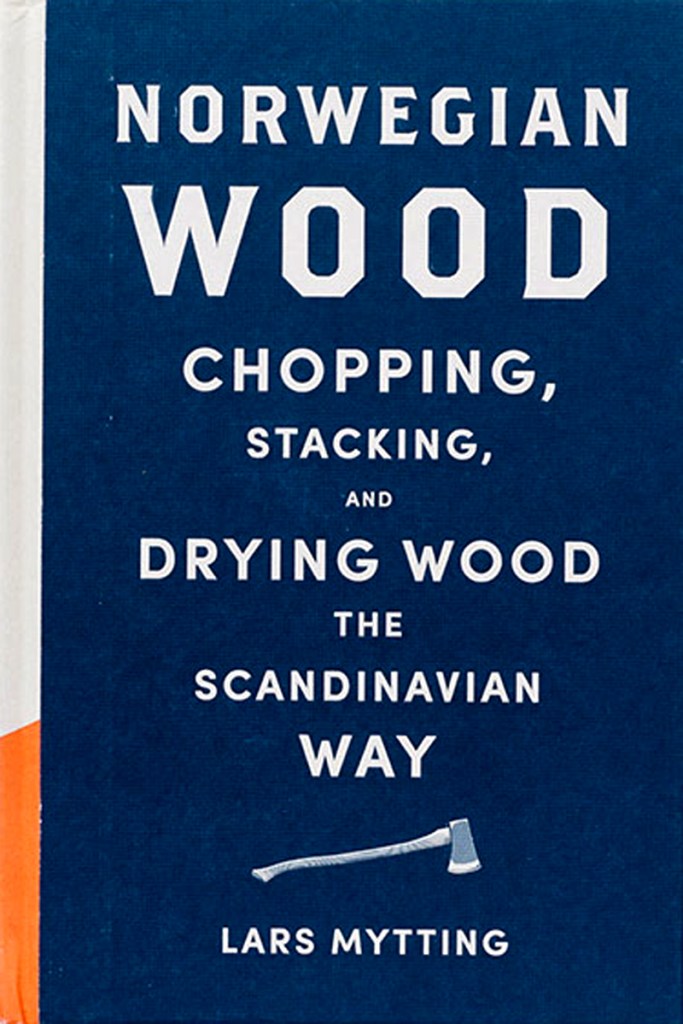
I received two books for Christmas from Patrick; Zena Hitz’ “Lost in Thought” and Lars Mytting’s, “Norwegian Wood”.

Hitz book is subtitled ‘The Hidden Pleasures of an Intellectual Life’. From the dust cover:

“Hitz says our intellectual lives are valuable not despite but because of their practical uselessness. And while anyone can have an intellectual life, she encourages academics in particular to get back in touch with the desire to learn for its own sake, and calls on universities to return to person-to-person transmission of the habits of mind and heart that bring out the best in us.”

Lars Mytting’s book is subtitled ‘Chopping, stacking and drying wood the Scandinavian Way’. Myttling talks about his neighbour, Ottar.

“For a man who had suffered his way through a long winter, struggling against age and ill health, here at last was a job where things made sense again. Once more he was able to enjoy the feeling of doing something meaningful, and the sense of calm security that comes to the man who knows he is well prepared, he is early, he has time on his side.”

In New Glasgow, John Stewart had two new books on his coffee table.

John Tattrie’s, “Peace by Chocolate”, and Donald Savoie’s “Thanks for the Business”.

Both books are about entrepreneurs. “Peace by Chocolate” describes the incredible journey by the Hadhad family from war-torn Syria to Antigonish, Nova Scotia, where they have re-established their chocolate making business. In “Thanks for the Business”, Donald Savoie describes the Irving Oil business in Atlantic Canada. He explains why ‘ I hold the view that Atlantic Canada needs to look to entrepreneurs and the private sector to grow their economy ‘.

Closer to home, in Lawrencetown, Annapolis County, we have another entrepreneurial example of the den Haan family who emigrated from Holland. Today, they are the primary supplier of cucumbers and other salad products in the region. As seen from our home, the night sky is illuminated in the direction of their greenhouses.

Acknowledgements

Patrick Maher for his online selection of Christmas books. John Stewart for access to his holiday reading. Heather for her photograph of the night sky. Edward for bringing together the graphics.

References

Zena Hitz, 2020, Lost in Thought: the hidden pleasures of an intellectual life, Princeton University Press.

Lars Mytting, 2020, Norwegian Wood: chopping, stacking and drying wood the Scandinavian way, Abrams Image.

John Tattrie, 2020, Peace by Chocolate: the Hadhad Family’s remarkable journey from Syria to Canada, Goose Lane Editions.

Donald J. Savoie, 2020, Thanks for the Business: KC Irving, Arthur Irving and the Story of Irving Oil, Nimbus Publishing.